
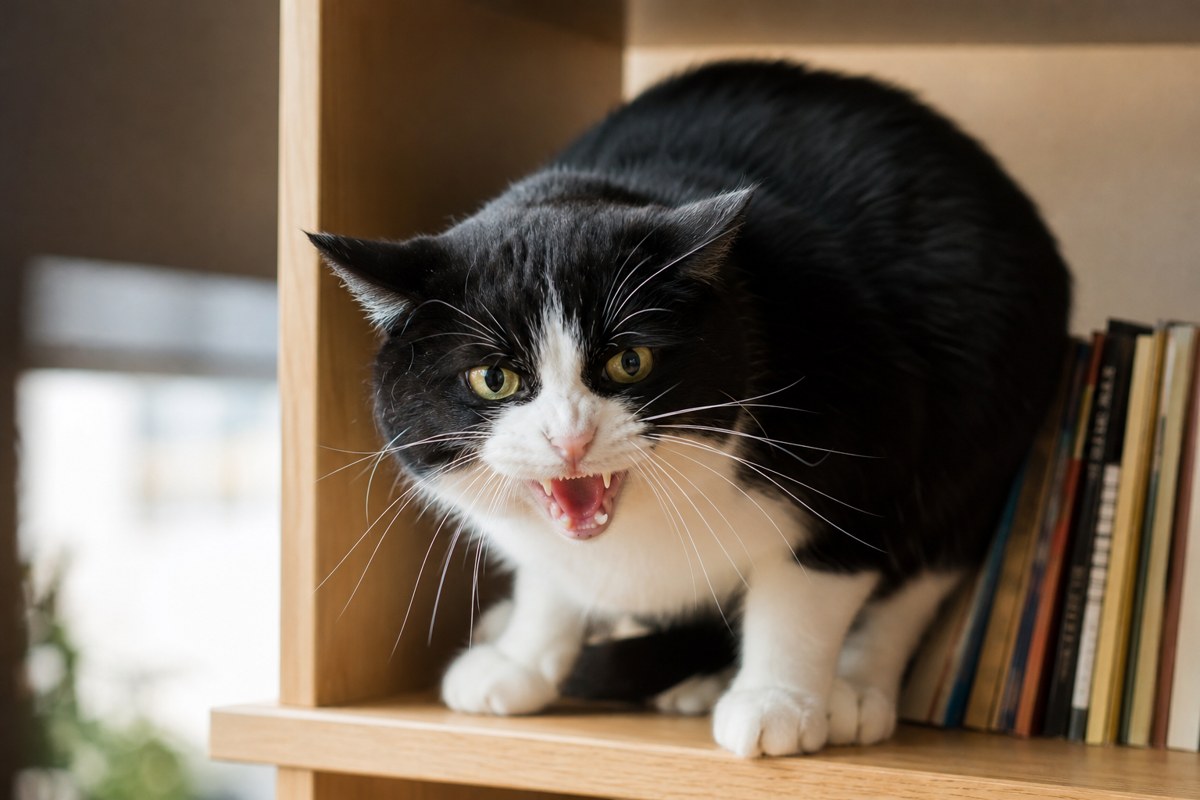
Quick answer: A hiss is a cat’s defensive warning: ‘I’m scared or upset, stay back.’ It’s usually caused by fear, stress, pain, a new animal or feeling cornered. Give your hissing cat space, don’t punish it, and work on the cause.
A hiss can be startling, especially from a cat who’s usually sweet. But hissing isn’t a sign that your cat is ‘mean.’ It’s a sign that your cat feels threatened.
Some experts think the hiss imitates a snake’s warning sound. Either way, the message is clear: please back off.
Common Reasons Cats Hiss
- Fear of a new person, loud noises or an unfamiliar place.
- New pets. Hissing is very common during introductions.
- Smells. A cat may hiss at another cat who just came back from the vet smelling strange.
- Pain. A cat may hiss when you touch a sore spot.
- Stress or change like moving or rearranging furniture.
- Mother cats protecting kittens.
- Annoyance, like when a dog or child won’t leave them alone.
How to Respond to a Hissing Cat
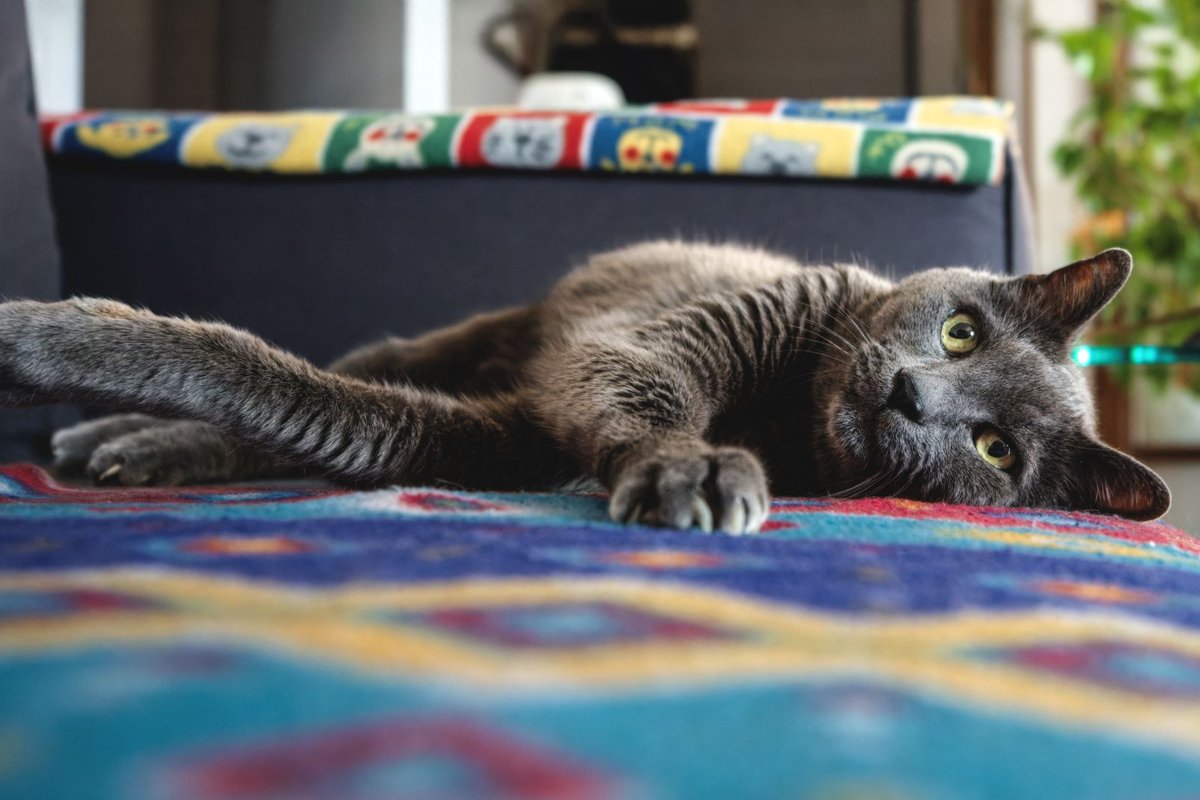
- Back off and give space. Let your cat retreat somewhere safe.
- Stay calm and quiet.
- Don’t punish or yell. It makes a scared cat more scared.
- Don’t force interaction. Let the cat come to you.
- Offer hiding spots and high perches where your cat feels secure.
Hissing at a New Pet
Some hissing during introductions is normal. Slow introductions work best: keep the new pet in a separate room at first, swap bedding so they get used to each other’s scent, then allow short, supervised visits through a gate. Feed them on opposite sides of a door and gradually move the bowls closer. This process can take days or weeks.
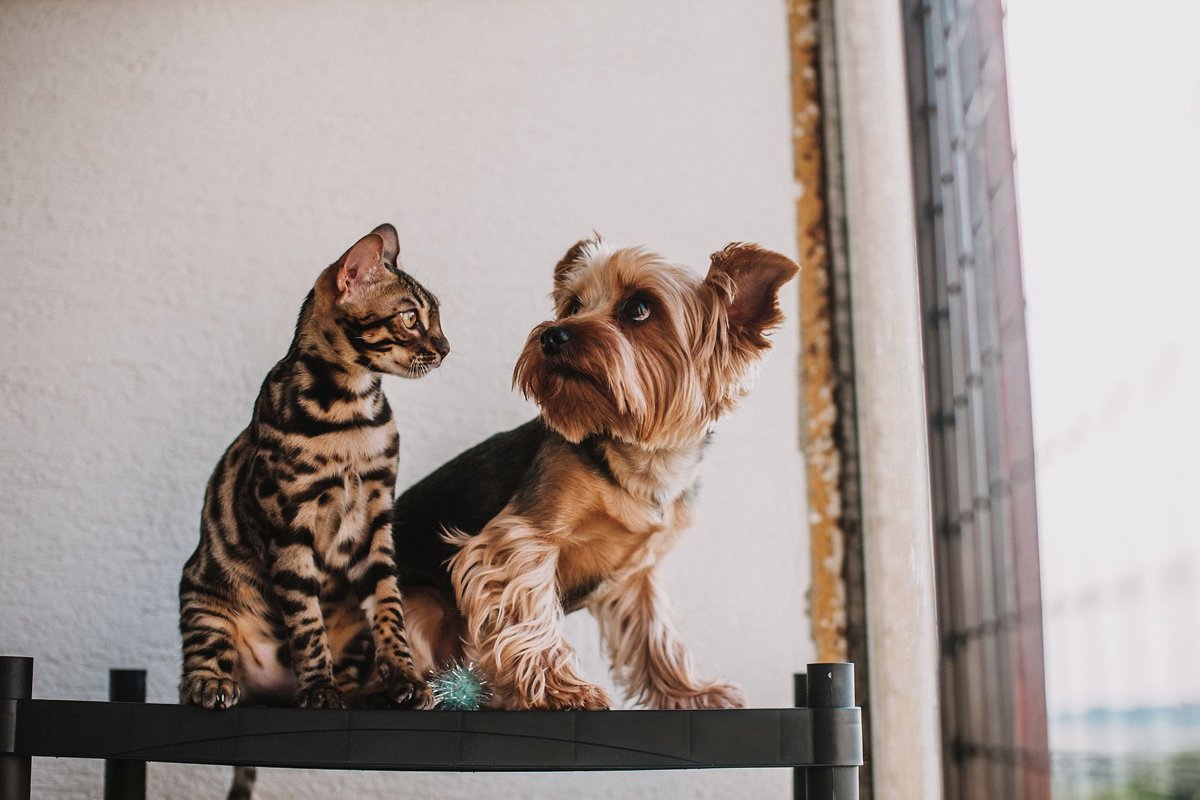
In our house, the cats don’t usually hiss at the dogs. Max, our orange tabby, prefers a quick swipe of the paw when a dog bothers him. Every cat has its own style.
When to See the Vet
If your cat suddenly starts hissing when touched, picked up, or in a certain spot, pain could be the cause. Dental disease, arthritis, injuries and other problems can make a friendly cat defensive. Sudden behavior changes, especially in senior cats, are worth a vet visit.
Helpful Products
- Cat hideaway beds: A safe spot to retreat when stressed.
- Pet gates with cat doors: Helps with slow introductions.
- Calming pheromone diffusers: May help some cats feel more relaxed.
Frequently Asked Questions
Why does my cat hiss at me?
Your cat may feel scared, cornered, or in pain. If it’s new behavior, see your vet.
Why does my cat hiss at my other cat?
It’s often about territory, unfamiliar smells or stress. Slow reintroductions and separate resources can help.
Is hissing aggressive?
Hissing is defensive. It’s a warning meant to avoid a fight.
How long will my cat hiss at a new kitten?
It varies from days to weeks. Slow, positive introductions help most cats adjust.
The Bottom Line
Hissing is a scared or uncomfortable cat asking for space. Give it to them, stay calm, take introductions slowly, and check with your vet if hissing starts out of nowhere.
Keep reading:
- Why Do Cats Growl? What Your Cat Is Telling You
- Why Do Cats Wag Their Tails? Reading Your Cat's Tail Language
- When the Cat Is the Pest: How Our Cats and Dogs Share One Home
- Caring for Senior Cats: Life With Our 12-Year-Old Brother-and-Sister Tabbies
As an Amazon Associate, we earn from qualifying purchases. This post contains affiliate links.