
As an Amazon Associate, we earn from qualifying purchases. This post contains affiliate links.
Quick answer: Dogs eat poop, called coprophagia, for several possible reasons. In many dogs it is behavioral, such as instinct, puppy exploration, boredom, stress, or attention seeking, but it can also relate to hunger, diet, or medical problems, so cleanup, training, and a vet check are often the best next steps.
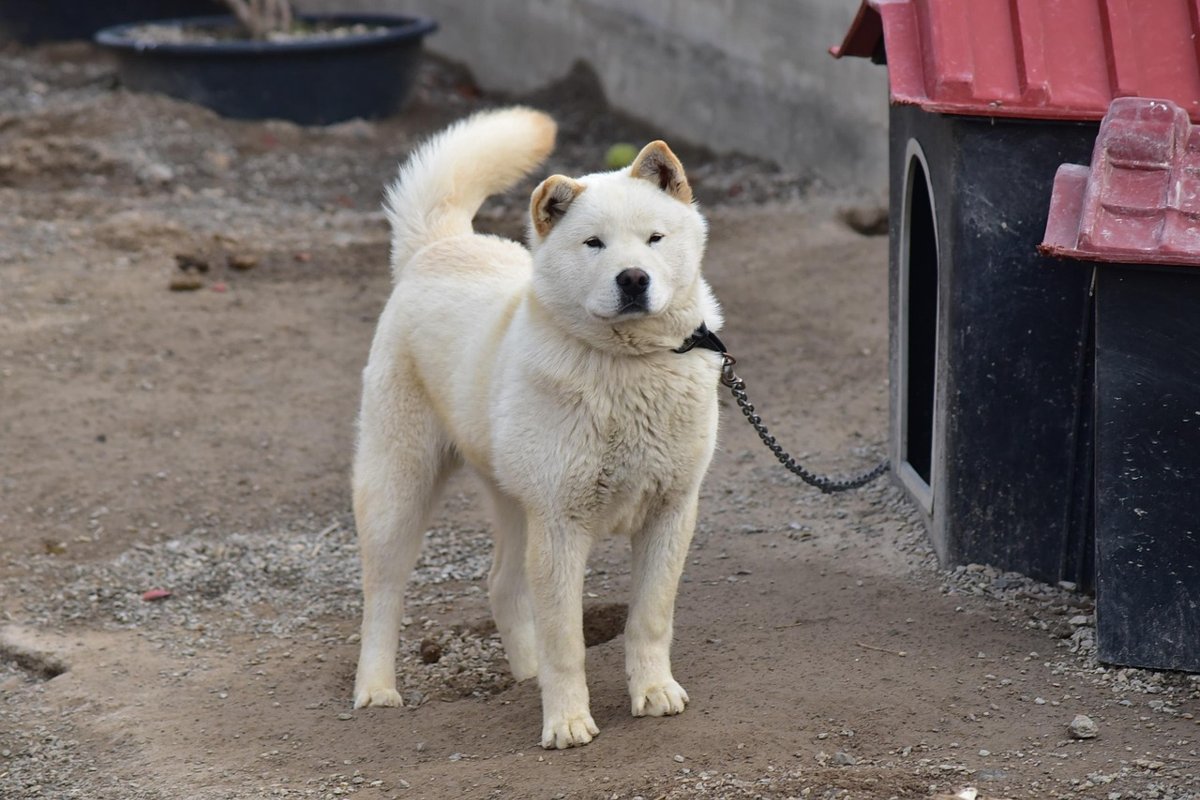
Eating poop is one of the grossest dog habits, and one of the most common. The good news is that it is often manageable once you know why it is happening and build a simple plan around cleanup, supervision, and training.
In our house, we try to look at habits like this in a calm, practical way. Because some dogs do it for behavioral reasons and others may have a medical issue behind it, it helps to combine home management with veterinary guidance when needed. If your dog also raids the food bowl or grazes outdoors, our guides to dogs eating cat food and dogs eating grass may help too.
Why dogs eat poop in the first place
- Instinct: Mother dogs clean up after puppies, and some experts think wild canines may have eaten feces to help keep den areas clean. That does not make the habit pleasant, but it helps explain why some dogs seem drawn to it.
- Puppy exploration: Puppies investigate the world with their mouths. Some try feces the same way they try leaves, dirt, or toys, and many grow out of it with supervision and training.
- Boredom or stress: Dogs that spend long periods alone, get too little exercise, or live in a cramped setup may be more likely to develop repetitive habits, including poop eating.
- Attention seeking: If a dog grabs poop and the whole household yells, chases, or panics, some dogs learn that this behavior gets a very fast reaction.
- Punishment during house training: Some dogs learn to hide the evidence if they have been punished for accidents. That can lead to eating stool before a person sees it.
- Hunger or a restricted diet: Dogs that feel very hungry may scavenge more. This can happen if meals are too small, feeding times are inconsistent, or a dog is strongly food focused. If that sounds familiar, our article on food obsession and overeating covers common patterns to discuss with your vet.
- Cat litter box raiding: Many dogs are very interested in cat stool, likely because cat food is rich and some of it may pass through undigested. If this is your issue, our post on cats and dogs sharing one home has practical setup ideas.
Medical causes to rule out
Not every case is behavioral. Some health problems can increase appetite, change digestion, or make a dog more likely to scavenge. Well known examples include intestinal parasites, poor nutrient absorption, pancreatic problems, diabetes, thyroid disease, and some medicines that increase hunger.
A new poop eating habit matters more when it starts suddenly in an adult or senior dog, or when it comes with other changes. Weight loss, diarrhea, a big increase in appetite, drinking or urinating more, poor coat quality, or low energy all deserve a call to your veterinarian.
Because there are several possible causes, this is not something we can diagnose at home. Your vet may review diet history, body condition, stool testing, and the timing of the behavior before suggesting next steps. It can also help to tell the clinic whether your dog eats its own stool, another dog’s stool, or cat stool from the litter box.
Is eating poop dangerous for dogs?
| Situation | Main concern | What to do |
|---|---|---|
| Dog eats its own fresh stool once | Often more gross than dangerous | Clean up, monitor closely, and start prevention right away |
| Dog eats stool often | Higher chance of parasite or bacteria exposure | Talk with your vet about stool testing and prevention |
| Dog eats another dog’s stool | Exposure to intestinal parasites or germs | Prevent access and ask your vet whether testing is needed |
| Dog eats cat stool from the litter box | Easy access can turn into a strong habit | Block the area with a top-entry litter box or a barrier |
| Dog eats stool from an animal on medication | Possible exposure to drug residues or other substances | Call your veterinarian for advice, especially if your dog seems unwell |
How to stop your dog from eating poop
- Pick up poop right away. This is the simplest and most reliable fix. In the yard, go out with your dog and clean up as soon as they finish. A dog poop scooper can make that routine much easier, especially if your dog tries to turn back quickly.
- Use a leash during potty trips if needed. For dogs that spin around right after going, a short leash can help you calmly guide them away before they get the chance.
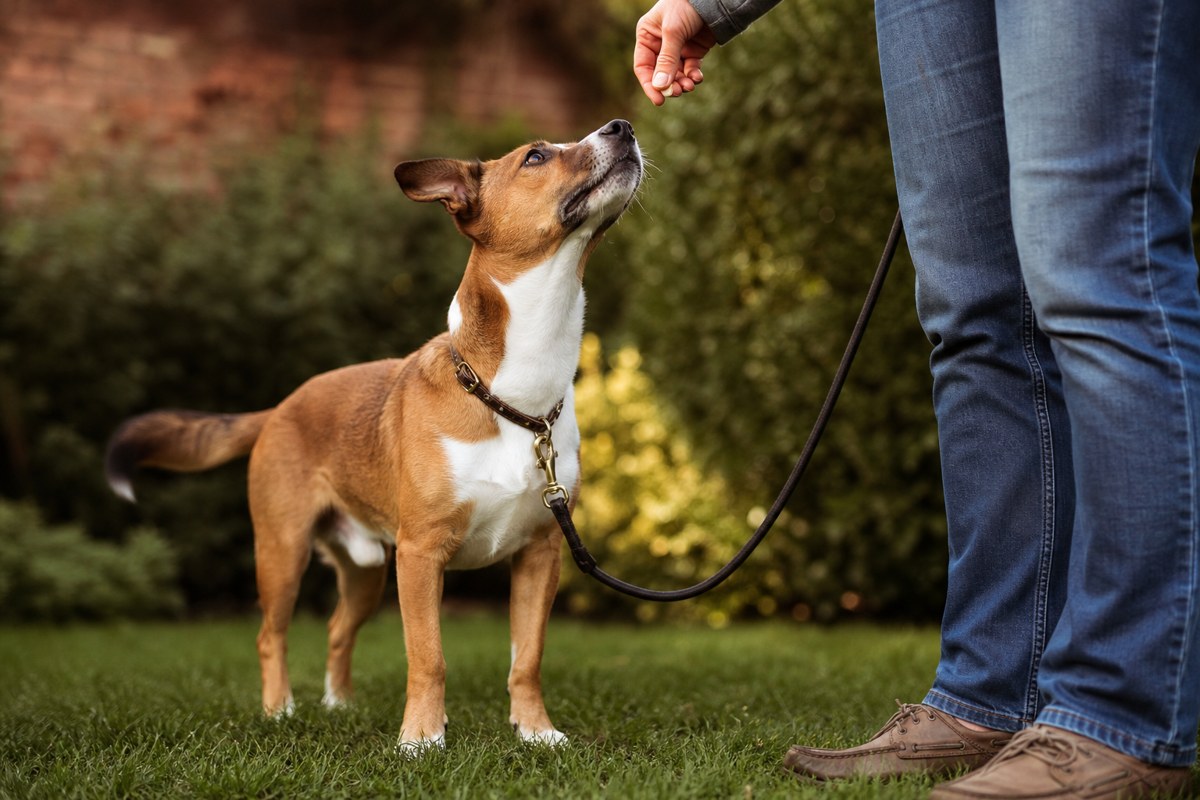
- Teach a strong leave it. Practice first with easy items indoors, then harder ones, and reward generously when your dog turns away. If you want a simple reward based plan, our guide to dog training basics is a good place to start.
- Teach a fast recall after pottying. Many vets and trainers suggest rewarding a cheerful come right after your dog finishes. The goal is to make moving toward you more rewarding than turning back toward the stool.
- Do not punish, chase, or make a big scene. Those reactions can increase stress, turn it into a game, or teach a dog to swallow faster before you can reach them.
- Manage the cat litter box. If your dog targets cat stool, management matters more than scolding. A top-entry litter box, baby gate, or separate cat area often helps. If your dog also steals cat food, see why dogs eat cat food.
- Add exercise and enrichment. Some dogs do better when they get more sniff walks, play, training time, and food puzzles. Mental activity can matter just as much as physical activity for dogs that get bored easily.
- Review the diet with your vet. If your dog seems ravenous, is losing weight, or the behavior is hard to interrupt, ask whether the feeding plan, meal timing, or another medical issue could be involved.
- Be cautious with taste deterrent products and home remedies. Products sold to make stool taste bad have mixed results, and common home remedies are not strongly supported. Focus on cleanup, access control, and training first.
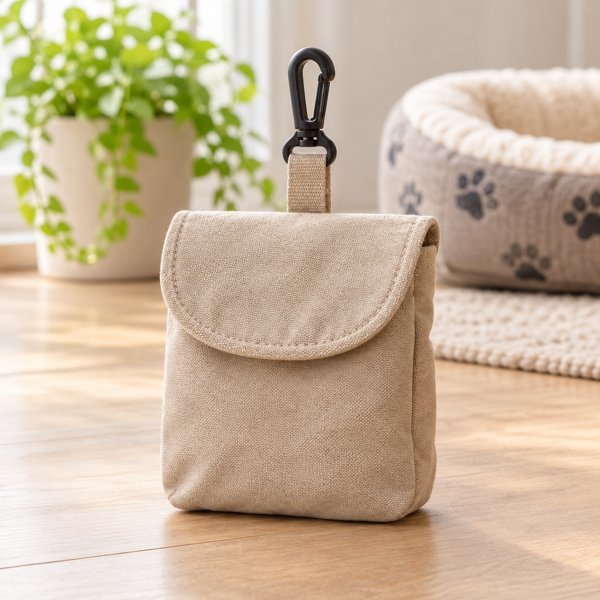
Top pick
Dog training treat pouches
A training treat pouch makes it easier to reward leave it and come the second your dog makes the right choice. Fast timing matters with habits like this, especially during potty trips and walks.
- Treats ready instantly
- Hands stay free
- Useful on walks
Prevention habits that make relapse less likely
- Keep the yard as clean as you can. Dogs are less likely to practice the habit when there is nothing available to grab. Storing a dog poop scooper near the door can make this easier to stick with.
- Stick to regular meal times. Predictable feeding routines can help some food focused dogs feel less frantic about scavenging.
- Use rewards where the behavior happens. If poop eating happens outside, keep treats with you outside. A training treat pouch helps you reward the right choice right away.
- Give your dog legal things to do. Sniffing games, short training sessions, chew time, and walks that allow safe scent exploration can lower boredom in many dogs. Our post on indoor activity ideas has easy ways to add more to the day.
- Set up cat areas thoughtfully in mixed pet homes. A raised station, gate, or top-entry litter box can reduce temptation while still letting the cat move comfortably.
- Make sure everyone in the home responds the same way. Calm redirection, quick cleanup, and reward based training work better when the whole household follows the same routine.
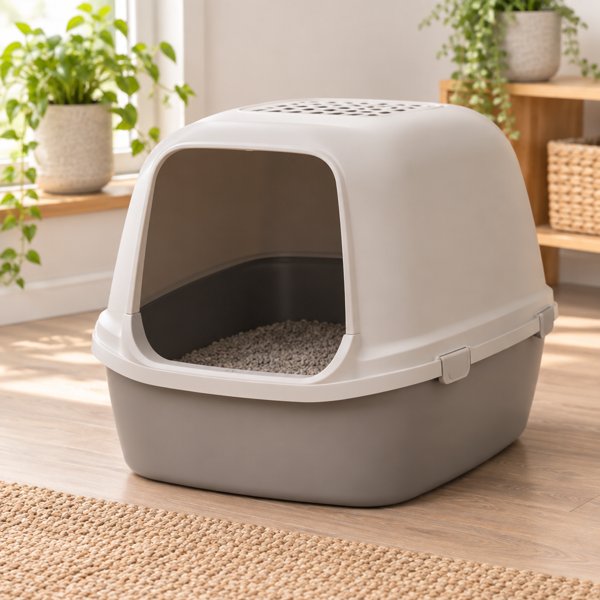
Good to have
Top-entry litter boxes
If your dog targets the litter box, top-entry litter boxes can make access much harder while still working well for many cats. They fit best into a bigger plan that also includes cleanup, supervision, and training.
- Harder for dogs to reach
- Helps contain scattered litter
- Supports cat privacy
If your dog goes after cat poop, change the setup
For many dogs, cat stool is the biggest temptation. In those cases, it helps to think less about stopping the dog in the moment and more about making the litter box hard to reach in the first place. A separate room, a sturdy gate the cat can pass, or a top-entry litter box can remove the opportunity that keeps the habit going.
Try to keep the litter area calm and predictable for the cat. Some cats dislike major changes, so if you switch boxes or move the setup, watch to make sure your cat still uses it comfortably. In a mixed pet home, small layout changes can make a big difference. Our article on living with cats and dogs has more ideas for traffic flow and pet-only zones.
This is also a good time to look at the bigger picture. If your dog seeks out cat food, cat stool, and crumbs in the kitchen, that may point to a very food driven dog, a routine issue, or a possible health concern worth discussing with your veterinarian.
When to Call the Vet
- Poop eating starts suddenly in an adult or senior dog.
- Your dog also has vomiting, diarrhea, weight loss, low energy, or a major change in appetite.
- You notice increased thirst or urination, a swollen belly, or poor coat condition.
- Your dog may have eaten stool from an animal with parasites, or from an animal taking medication.
- The behavior is frequent, escalating, or does not improve with cleanup, supervision, and training.
- Your dog seems ill after eating feces, or you are worried about toxin or medication exposure.
- Your dog is straining, cannot keep food down, seems painful, or is acting weak or confused. Those signs call for prompt veterinary advice.
Helpful Products
Also great
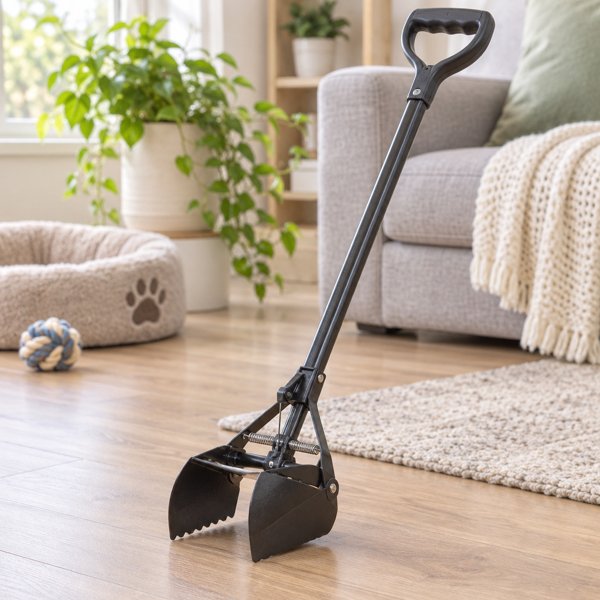
Dog poop scoopers
This suits dog owners who need quick cleanup in the yard or on walks when timing matters most. It helps remove stool fast, which is one of the most reliable ways to reduce chances for poop eating.
- Faster daily cleanup
- Less bending and mess
- Easy by the door
Top-entry litter boxes
This suits homes with both cats and dogs, especially when your dog keeps sneaking into the litter box. It helps reduce easy access to cat waste, which can be part of a poop-eating habit.
Dog training treat pouches
Keeps rewards ready for ‘leave it’ practice.
Why Do Dogs Eat Poop FAQ
Will my puppy grow out of eating poop?
Many puppies do, especially if you prevent access, clean up fast, and teach leave it early. Even so, it is worth mentioning to your vet at routine visits, especially if the habit is frequent or comes with diarrhea, poor growth, or a big increase in hunger.
Why does my dog eat cat poop?
Many dogs are strongly attracted to cat stool, likely because cat food is rich and some of it may pass through undigested. Management usually matters most here, such as using a top-entry litter box or setting up a dog free litter area.
Does pineapple stop dogs from eating poop?
It is a popular home remedy, but there is little solid evidence that it reliably works. Also, do not give random foods or any human medicine as a fix without asking your vet first, because some human products are not safe for dogs.
Should I worry if my senior dog suddenly starts eating poop?
Yes, a sudden new habit in an older dog deserves a veterinary visit. Because appetite and digestion changes can be linked to medical problems, it is best not to assume it is only behavioral.
The Bottom Line
Why do dogs eat poop? In many cases, it is a common but manageable habit tied to instinct, puppy behavior, boredom, attention, or easy access to tempting stool. The most helpful plan is usually simple: clean up quickly, prevent access, teach leave it and come, avoid punishment, and let your vet rule out health causes if the habit is sudden, frequent, or comes with other changes.
Keep reading: