
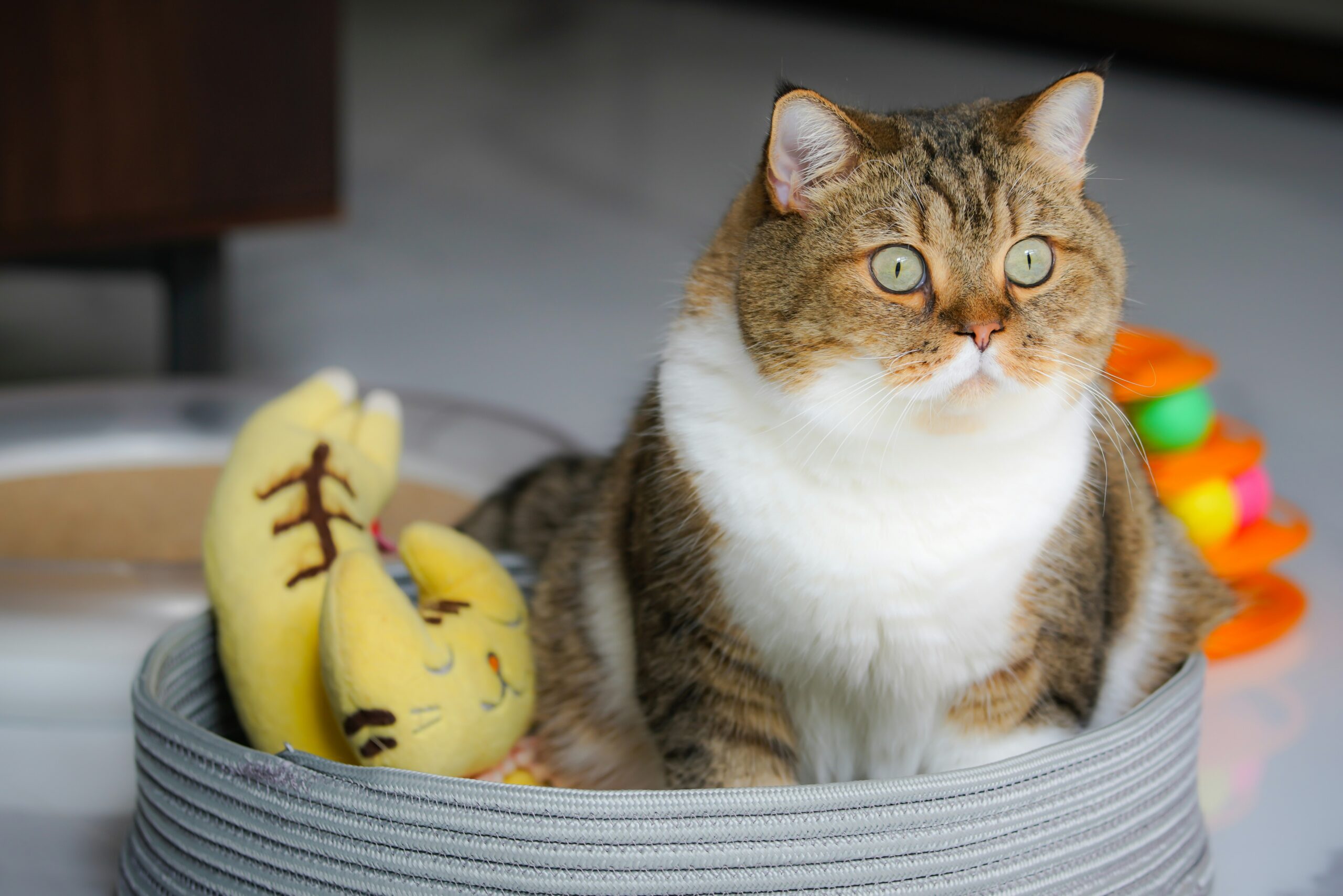
We all know the sheer joy of watching our beloved cats in a playful frenzy. Their acrobatic leaps, their stealthy pounces, their adorable swatting – it’s a constant source of amusement and, let’s be honest, therapy for us. But beyond the entertainment value for us, play is absolutely vital for our feline friends’ physical and mental well-being. It helps them burn off energy, keeps their minds sharp, and allows them to express their natural hunting instincts in a safe and stimulating environment. That’s why we’re so passionate about finding the best cat toys, the ones that truly engage and delight our furry companions. We want to provide them with toys that are not only fun but also enrich their lives.
When we consider cat toys, we’re not just thinking about a simple ball of yarn (though those can be classic for a reason!). We’re thinking about variety, durability, safety, and the ability to stimulate different aspects of our cats’ predatory drives. We want toys that mimic prey, toys that challenge their intellect, and toys that provide opportunities for both independent and interactive play. Ultimately, our goal is to create an environment where our cats can thrive, and a well-curated collection of toys is a crucial part of that.
Why Play is Essential for Our Cats
Before we dive into specific toy recommendations, let’s take a moment to understand why play is so incredibly important for our cats. It’s not just about keeping them busy; it’s about fulfilling fundamental needs.
Physical Health Benefits
- Weight Management: Regular play helps our cats maintain a healthy weight, preventing obesity and its associated health problems like diabetes, arthritis, and heart disease.
- Muscle Toning and Flexibility: Pouncing, chasing, and climbing during play strengthens muscles and improves flexibility, keeping our cats agile and strong.
- Cardiovascular Health: The bursts of activity during play provide an excellent cardiovascular workout, promoting a healthy heart.
Mental Stimulation and Behavioral Enrichment
- Reduces Boredom and Destructive Behavior: A bored cat is a mischievous cat. When our cats don’t have outlets for their energy and instincts, they might resort to scratching furniture, over-grooming, or becoming lethargic. Play provides a healthy outlet.
- Encourages Natural Hunting Instincts: Our cats are natural predators. Play allows them to stalk, chase, pounce, and “kill” their “prey” in a safe and appropriate way. This satisfies a deep-seated instinct that’s crucial for their mental well-being.
- Reduces Stress and Anxiety: Play can be a fantastic stress reliever for our cats. It provides a distraction from potential anxieties and releases endorphins, making them feel good.
- Strengthens Our Bond: Interactive play is a wonderful way for us to connect with our cats. When we engage with them through toys, we build trust and strengthen our relationship.
As you can see, the benefits are numerous and far-reaching. So, let’s explore some of our favorite types of cat toys that will help us provide our feline friends with the best possible enrichment.
We firmly believe that interactive toys are king when it comes to playtime. These are the toys that require our participation, and they are incredibly effective at engaging our cats and strengthening our bond with them. We love watching their eyes light up and their bodies tense with anticipation as we manipulate a wand toy or roll a crinkly ball.
Wand Toys: The Ultimate Prey Mimicry
Wand toys are, without a doubt, one of our top recommendations. They are incredibly versatile and allow us to mimic the unpredictable movements of prey, which our cats find irresistible. The long stick keeps our hands safely away from those sharp claws, while the various attachments at the end provide endless fascination.
Feathers and Fur Attachments
- Natural Appeal: Many cats are absolutely captivated by toys that incorporate natural materials like feathers or real fur. These mimic the texture and appearance of birds or small rodents, tapping into our cats’ innate hunting instincts. We find that the more realistic the movement, the more intense the hunt.
- Varied Textures: Having a variety of feather types (fluffy, stiff, long) or different types of fur (rabbit, faux) can keep things interesting for our cats. They might have a preference, and it’s fun to discover what truly gets them going.
Crinkle and Rattling Attachments
- Auditory Stimulation: The crinkling sound of cellophane or the gentle rattle of small beads inside a toy can instantly grab our cat’s attention. These sounds are reminiscent of small prey scurrying through leaves or brush, making them highly stimulating.
- Adds Excitement: The unexpected sound adds an extra layer of excitement to the chase, making our cats even more determined to “catch” their prey.
Toy Mice and Bugs
- Classic Shapes: Small fabric mice or insect-like toys on the end of a wand are timeless for a reason. Their familiar shapes and sizes are instantly recognized by our cats as potential prey.
- Irregular Movement: The beauty of a wand toy mouse is that we can make it skitter, dart, and hide, perfectly mimicking the erratic movements of a real mouse, which drives our cats wild.
Laser Pointers: The Endless Chase (with a caveat!)
We know, laser pointers are incredibly popular, and for good reason! They provide seemingly endless entertainment for our cats as they chase that elusive red dot. It’s fascinating to watch their focus and agility.
Tips for Safe Laser Play
- Always End with a Catch: This is crucial! Chasing a laser dot without a tangible “catch” can be immensely frustrating for our cats. It doesn’t satisfy their hunting sequence. We always make sure to finish a laser pointer session by directing the dot onto a physical toy (like a wand toy or a treat) that our cat can pounce on and “kill.” This provides a satisfying conclusion to the hunt.
- Avoid Shining in Eyes: We are always careful never to shine the laser directly into our cat’s eyes, as it can be damaging.
- Moderate Use: While fun, we don’t rely solely on laser pointers. We integrate them into a broader play routine that includes toys our cats can physically interact with.
If you’re looking to enhance your pet’s playtime experience, you might also be interested in exploring stylish accessories for dogs. A related article that provides insights into fashionable dog gear can be found here: The Ultimate Guide to Stylish Dog Accessories. This guide not only highlights trendy items but also emphasizes the importance of choosing quality products that can elevate your pet’s lifestyle.
Solo Play Toys: Keeping Them Engaged When We’re Busy
While interactive play is paramount, we also understand that we can’t always be available to play. That’s where solo play toys come in handy. These toys are designed to keep our cats entertained and stimulated when we’re working, sleeping, or just need a moment to ourselves. We look for durability and variety in these toys, as they’ll be taking the brunt of our cats’ independent play sessions.
Crinkle Balls and Rattling Balls: Simple Yet Effective
Sometimes, the simplest toys are the best. Crinkle balls and rattling balls are perennial favorites among our feline companions. Their appeal lies in their auditory stimulation and lightness.
Crinkly Noises
- Attention-Grabbing: The distinct crinkle sound of these balls immediately captures our cats’ attention. It sounds like rustling leaves or paper, triggers their curiosity, and often initiates an immediate pounce.
- Easy to Bat Around: Their lightweight nature makes them easy for our cats to bat, chase, and carry around, providing great exercise.
Rattling Sounds
- Mimics Prey: The gentle rattle inside some balls can mimic the sound of small prey scurrying, making them irresistible to our hunting little tigers.
- Encourages Exploration: The sound encourages exploration as our cats try to locate the source of the noise.
Toy Mice and Small Plushies: Comfort and Play
Classic toy mice and small plush toys continue to be popular for us and our cats. They offer a combination of play and comfort, appealing to different aspects of our cats’ personalities.
Catnip-Filled Options
- Irresistible Scent: For cats that respond to catnip, these toys are an absolute blast. The potent scent can induce playful rolling, rubbing, and a burst of energetic play.
- Variety of Shapes and Sizes: From realistic mice to whimsical shapes, there’s a catnip toy for every preference. We find it fun to have different shapes to see what our cats are most drawn to.
Small, Durable Toys for Carrying
- “Prey” to Carry: Many cats love to carry their “catch” around, and small, lightweight toy mice or plushies are perfect for this. It satisfies their instinct to bring prey back to their den.
- Kicking and Bunny Kicking: Some plush toys are designed to withstand our cats’ powerful “bunny kicks,” where they grab the toy with their front paws and furiously kick it with their back legs. This is a classic predatory behavior.
Puzzle Toys and Treat Dispensers: Mental Enrichment

We’re big advocates for challenging our cats’ minds, not just their bodies. Puzzle toys and treat dispensers are fantastic for this, turning mealtime or snack time into an engaging mental exercise. These toys require our cats to think, solve problems, and work for their rewards, which is incredibly satisfying for them.
Interactive Treat Balls and Feeders
These toys dispense kibble or treats as our cats bat them around or solve simple puzzles. They’re excellent for slowing down fast eaters, preventing boredom, and providing mental stimulation.
Encourages Problem Solving
- Trial and Error: Our cats learn through trial and error how to manipulate the toy to get the treats out. This process engages their minds and keeps them focused.
- Different Difficulty Levels: Many treat dispensers come with adjustable openings or varied levels of difficulty, allowing us to increase the challenge as our cat gets smarter.
Slows Down Eating
- Prevents Gorging: For cats who tend to eat too quickly, these feeders can significantly slow down their mealtime, aiding digestion and preventing upset stomachs.
- Extended Engagement: Instead of finishing their food in minutes, our cats might spend a good portion of their day interacting with their feeder, turning mealtime into a prolonged activity.
Foraging Mats: Tap Into Natural Instincts
Foraging mats are relatively new on the scene but have quickly become a favorite for us. They consist of fabric strips or pockets where we can hide kibble or treats, encouraging our cats to use their noses and paws to “hunt” for their food.
Simulates Natural Foraging
- Scent Work: Our cats are naturally geared to sniff out prey. Foraging mats tap into this powerful sense of smell, providing excellent mental stimulation.
- Reduces Mealtime Speed: Much like treat balls, foraging mats effectively slow down eating, making it a more mindful and engaging process.
Comfort and Scratching Toys: Satisfying Instincts

Beyond pure play, our cats have fundamental needs for comfort and to express their natural scratching behavior. Providing appropriate outlets for these instincts is crucial for their happiness and for preserving our furniture! We consider these types of toys essential for creating a truly enriched environment.
Scratching Posts and Pads: The Furniture Saver
We know the pain of scratched furniture, and the solution is almost always providing appealing alternatives. Scratching is a natural and necessary behavior for our cats, serving multiple purposes.
Why Cats Scratch
- Claw Maintenance: Scratching helps our cats shed the outer layers of their claws, keeping them sharp and healthy.
- Stretching and Exercise: It’s a full-body stretch that allows them to work their muscles and joints.
- Scent Marking: Cats have scent glands in their paws, so scratching is also a way for them to mark their territory.
- Stress Relief: For some cats, scratching is a way to relieve stress or excitement.
Variety of Materials and Orientations
- Sisal Rope: By far the most popular and durable material for scratching posts. Its rough texture is incredibly satisfying for our cats.
- Cardboard: Corrugated cardboard scratchers are another great, often affordable, option. Many cats love the way their claws sink into the material.
- Vertical vs. Horizontal: Some cats prefer to stretch upwards and scratch vertically (like on a tree trunk), while others prefer to scratch horizontally on the floor. Offering both options ensures we cater to their individual preferences. We love seeing them choose their preferred scratching style!
Kicker Toys: Encouraging Bunny Kicking
“Kicker toys” are elongated plush toys specifically designed for our cats to grab with their front paws and unleash a powerful “bunny kick” with their back legs. This behavior is a natural part of their predatory sequence when subduing prey, and it’s fascinating to observe.
Durable Materials
- Withstands Rough Play: These toys need to be made from sturdy fabrics and construction to withstand vigorous kicking and biting.
- Catnip-Infused: Many kicker toys come with catnip inside, further encouraging our cats to engage with them in a playful, wrestling manner.
When it comes to keeping your feline friends entertained, choosing the right cat toys is essential for their mental and physical stimulation. A recent article discusses various options available for pet owners looking to engage their cats in fun and interactive ways. You can find valuable insights and recommendations in this related article that explores the benefits of different types of toys and how they can enhance your cat’s playtime experience.
Safety and Best Practices: Our Top Priorities
| Toy Name | Material | Size | Price |
|---|---|---|---|
| Feather Wand | Plastic, Feathers | 18 inches | 5.99 |
| Mice Toys | Fabric, Plastic | 2 inches | 3.49 |
| Interactive Ball | Rubber | 2.5 inches | 4.99 |
As responsible cat guardians, we always prioritize the safety of our feline friends. While we want them to have fun, we also want to ensure their playtime is free from harm. Our approach to cat toys always revolves around careful selection and supervision.
Choosing Safe Toys
Avoid Small Parts
- Choking Hazard: We meticulously check toys for small, detachable parts (like bells, plastic eyes, small beads) that could break off and become a choking hazard or be ingested.
- Sharp Edges: We inspect toys for any sharp edges or splinters, especially wooden toys or those with plastic components that could cause injury.
Non-Toxic Materials
- Pet-Safe Fabrics and Dyes: We always opt for toys made from non-toxic, pet-safe materials and dyes. Our cats will mouth and chew their toys, so it’s essential they aren’t ingesting harmful chemicals.
- Avoid String, Yarn, and Ribbons (Unsupervised): While classic, string and yarn can be extremely dangerous if ingested, leading to intestinal blockages. We only allow supervised play with these items and put them away immediately after.
Durability Check
- Long-Lasting: We choose toys that are well-constructed and designed to withstand our cats’ enthusiastic play. Flimsy toys can quickly fall apart and create hazards.
- Regular Inspection: We make it a habit to regularly inspect all of our cats’ toys for wear and tear. Damaged toys with loose stuffing, torn fabric, or exposed sharp bits are immediately discarded.
Toy Rotation and Engagement
To keep playtime fresh and exciting, we believe in the power of toy rotation. Just like us, our cats can get bored with the same old things day in and day out.
Keep Them Interested
- Novelty Factor: By rotating toys every few days or weeks, we reintroduce a “new” element to playtime, sparking renewed interest and excitement in our cats.
- Prevent Over-Stimulation: Constant availability of all toys can lead to over-stimulation or the toys simply losing their appeal. Rotation helps prevent this.
Supervised Play and Proper Storage
- Active Participation: For interactive toys, our active participation is key. We ensure we dedicate specific time slots for focused play sessions with our cats.
- Put Toys Away: After play, especially with wand toys, laser pointers, or potentially hazardous items like string, we always put them away out of reach. This not only keeps our cats safe but also maintains the “specialness” of those toys.
Ultimately, providing a stimulating and safe play environment for our cats is one of the greatest joys of pet ownership. By understanding their natural instincts and catering to their needs through a diverse selection of engaging toys, we ensure they lead happy, healthy, and enriched lives. We hope our insights help you create an even more playful and joyful home for your beloved feline friends!
FAQs
What are some popular types of cat toys?
Some popular types of cat toys include interactive toys, such as feather wands and laser pointers, as well as puzzle toys, such as treat balls and food puzzles. Other popular options include catnip toys, crinkle toys, and plush toys.
Why are cat toys important for cats?
Cat toys are important for cats because they provide mental and physical stimulation, help prevent boredom and behavioral issues, and encourage exercise. Playing with toys can also help strengthen the bond between cats and their owners.
How often should I rotate my cat’s toys?
It’s a good idea to rotate your cat’s toys regularly to keep them engaged and prevent boredom. You can rotate toys every few days or weekly to keep things interesting for your cat.
Are there any safety considerations when choosing cat toys?
When choosing cat toys, it’s important to consider the size and durability of the toy to ensure it’s safe for your cat. Avoid toys with small parts that could be swallowed, and opt for toys made from non-toxic materials. Always supervise your cat when playing with toys, especially if they are prone to chewing or tearing toys apart.
How can I make my own cat toys at home?
You can make your own cat toys at home using simple materials such as cardboard boxes, paper bags, and feathers. DIY options include creating a homemade puzzle feeder or crinkle toy, or simply tying a string to a stick for an interactive toy. Just be sure to use safe materials and supervise your cat when playing with homemade toys.