
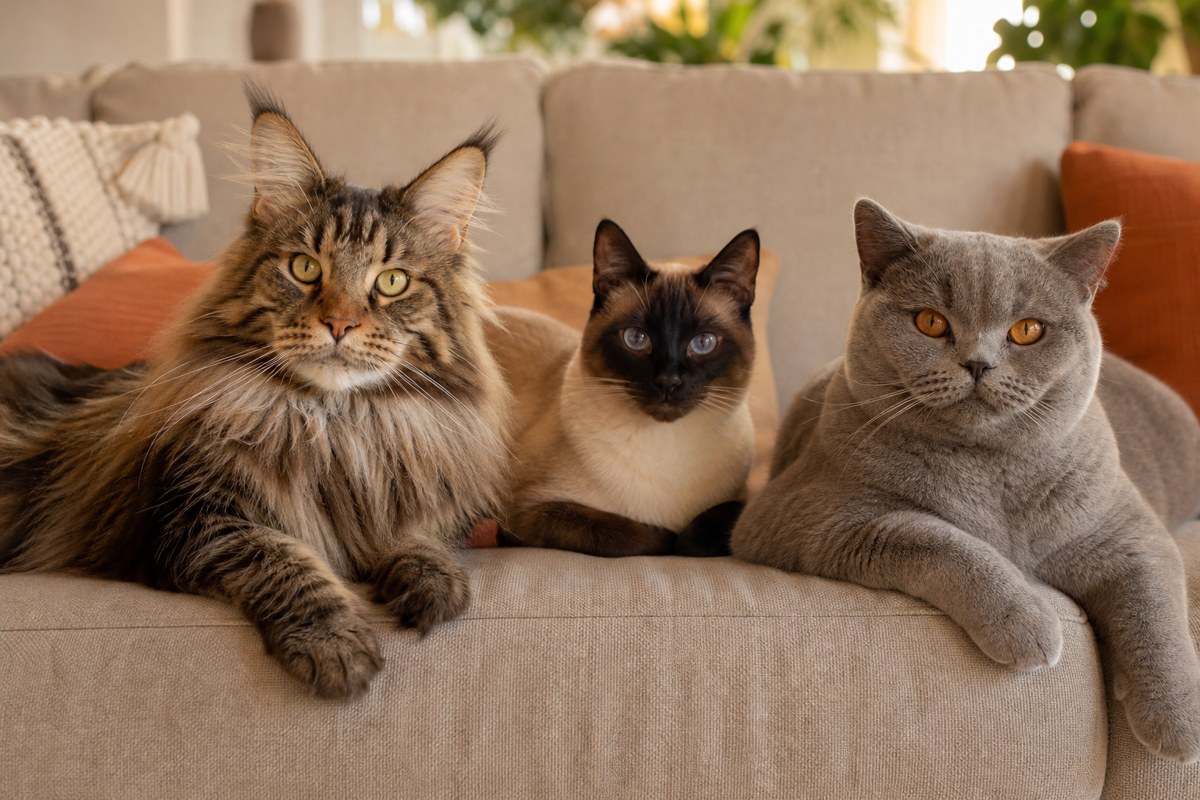
Quick answer: Popular cat breeds include the Ragdoll, Maine Coon, Persian, Siamese, British Shorthair, Abyssinian, Sphynx, Bengal, Scottish Fold and American Shorthair. Each has typical traits, but individual personality varies, and mixed-breed shelter cats make wonderful companions too.
Most cats in homes are mixed-breed domestic shorthairs and longhairs, and they’re fantastic. But if you’re curious about breeds, each has its own typical look, personality and care needs.
Here’s a quick guide to help you find a match for your lifestyle.
Popular Cat Breeds at a Glance
| Breed | Typical personality | Care notes |
|---|---|---|
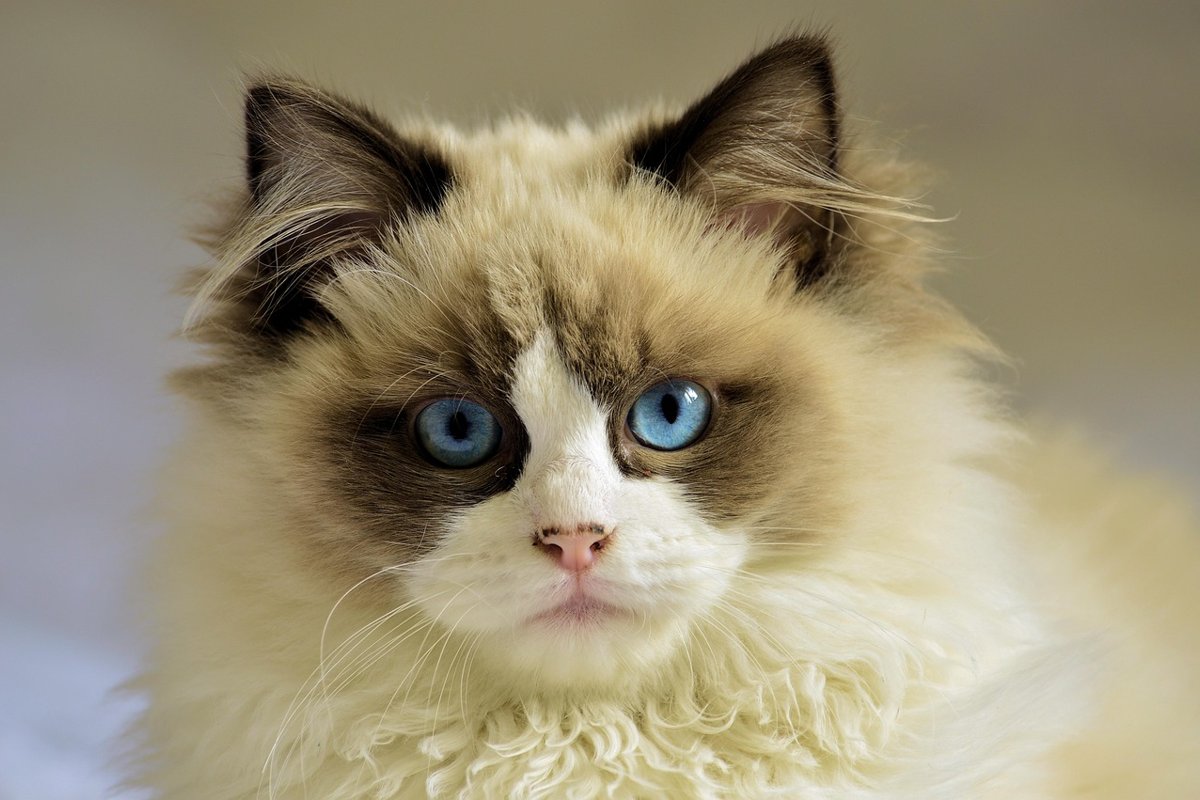
| Ragdoll | Calm, affectionate, often floppy when held | Semi-long coat, brush weekly |
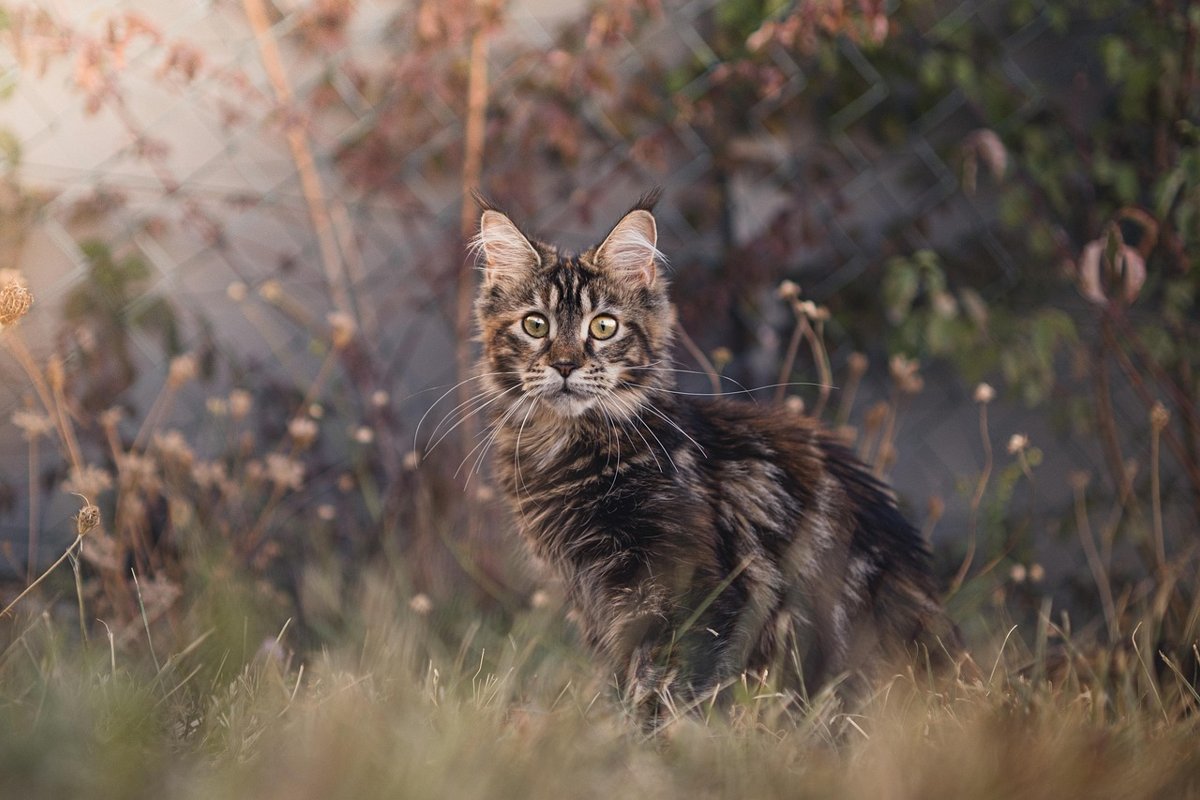
| Maine Coon | Gentle giant, friendly, playful | Large; long coat needs regular brushing |
| Persian | Quiet, laid-back | Daily grooming; flat face can cause breathing and eye issues |
| Siamese | Vocal, social, very people-oriented | Needs lots of attention |
| British Shorthair | Easygoing, independent | Prone to weight gain |
| Abyssinian | Active, curious, athletic | Needs lots of play and climbing |
| Sphynx | Outgoing, affectionate | Hairless: needs baths, gets cold, can sunburn |
| Bengal | High-energy, smart, playful | Needs lots of enrichment |
| Scottish Fold | Sweet, calm | The gene behind folded ears is linked to painful joint problems; many vets advise caution |
| American Shorthair | Adaptable, friendly | Low-maintenance coat |
Matching a Breed to Your Lifestyle
- Want a lap cat? Ragdolls, Persians and many British Shorthairs tend to be mellow.
- Active household? Abyssinians, Bengals and Siamese love play and interaction.
- Busy schedule? Independent breeds like British Shorthairs may handle alone time better, though all cats need daily attention.
- Allergies? No cat is truly hypoallergenic, though some people react less to certain breeds. Spend time with the cat first.
- Limited grooming time? Choose a short-haired cat.
Health Considerations
Some breeds are prone to specific health problems, like breathing issues in flat-faced breeds, heart disease (hypertrophic cardiomyopathy) in some lines of Maine Coons and Ragdolls, and joint problems in Scottish Folds. If you buy from a breeder, choose one who health-tests breeding cats and is transparent about issues.
Don’t Overlook Shelter Cats
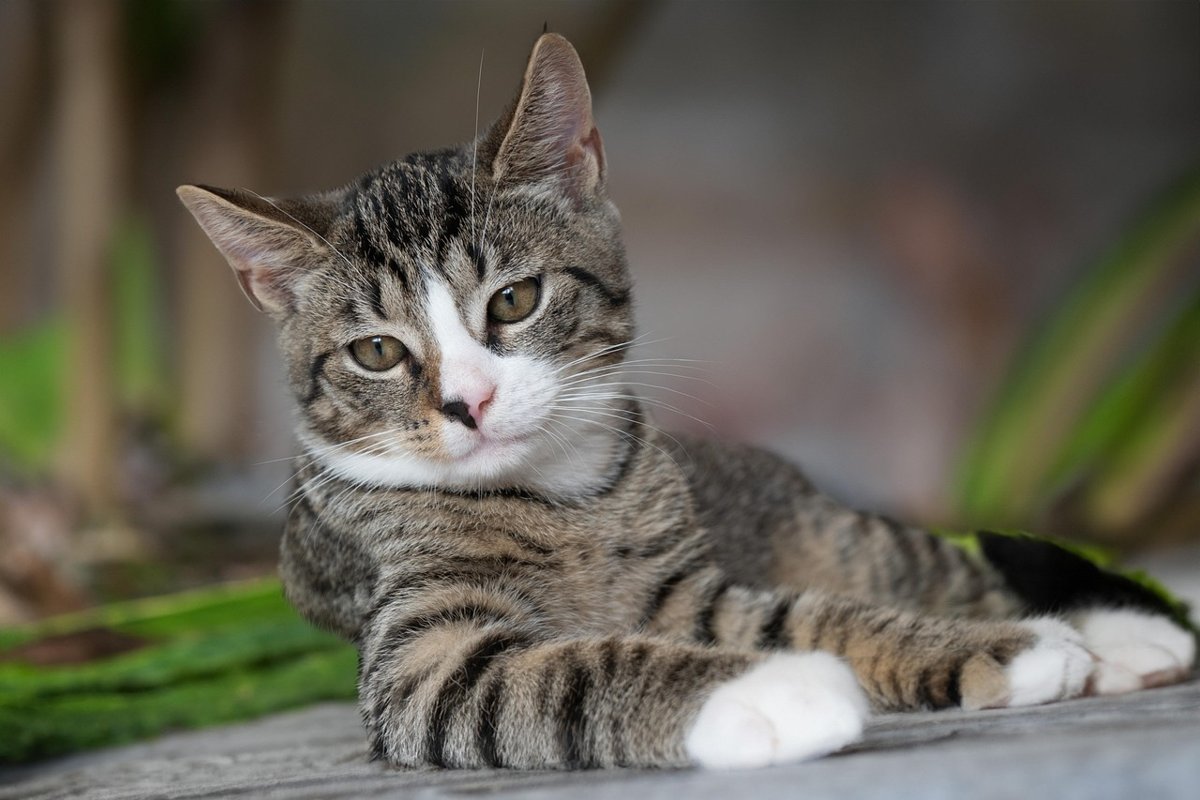
Shelters and rescues have cats of every age, personality and look, including purebreds. Adult cats come with known personalities, which makes matching easier. Our own cats, Max and Molly, are mixed-breed tabby siblings who came from a foster litter, and they have very different personalities despite being littermates.
Helpful Products
- Cat grooming brushes: Essential for long-haired breeds.
- Cat trees: Climbing space for active breeds.
- Interactive cat toys: Keeps high-energy cats busy.
Frequently Asked Questions
What is the friendliest cat breed?
Ragdolls, Maine Coons and Siamese are often described as very people-oriented, but individual cats vary.
What cat breed is best for first-time owners?
Adaptable, low-maintenance breeds like American or British Shorthairs, or an adult shelter cat with a known personality.
Are there hypoallergenic cats?
No cat is fully allergen-free. Some people react less to certain breeds, so spend time with a cat before adopting.
Do purebred cats have more health problems?
Some breeds have known genetic risks. Responsible breeders test for them.
The Bottom Line
Breeds can give you a general idea of a cat’s personality and care needs, but every cat is an individual. Think about your lifestyle, consider health risks, and remember that some of the best cats out there are waiting in shelters.
Keep reading:
- Caring for Senior Cats: Life With Our 12-Year-Old Brother-and-Sister Tabbies
- Complete Cat Care Guide: Tips for Happy and Healthy Cats
- Keeping Indoor Cats Happy and Healthy
As an Amazon Associate, we earn from qualifying purchases. This post contains affiliate links.