
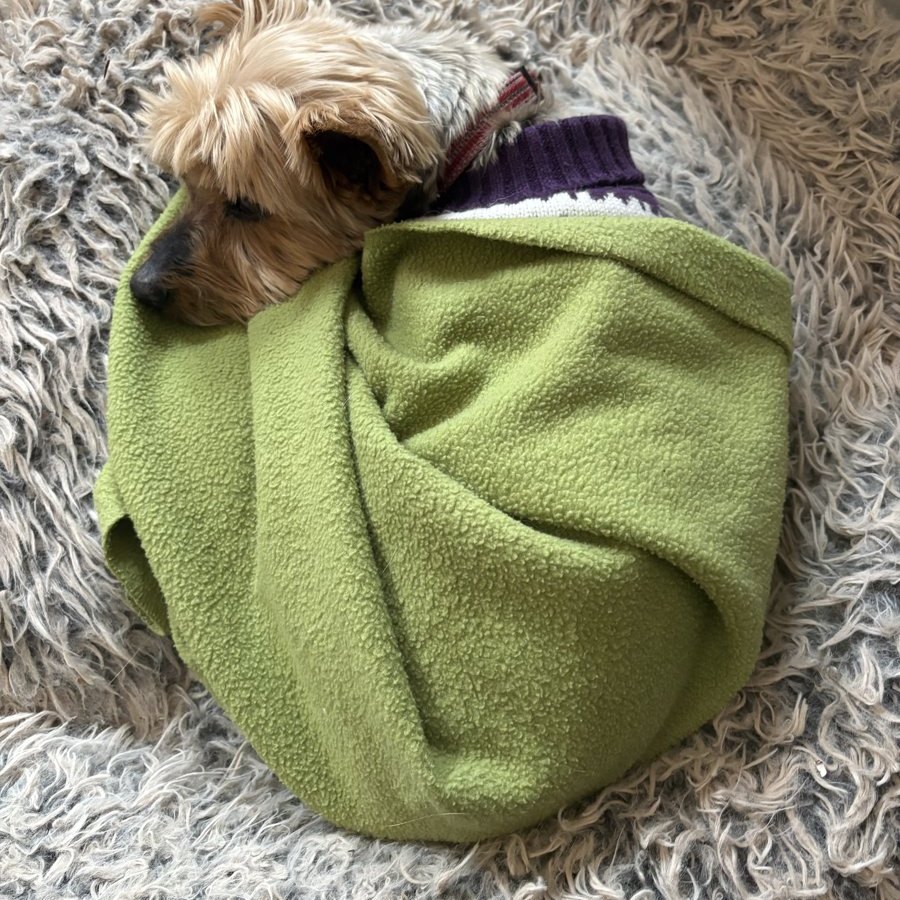
Gracie is our Yorkshire Terrier, and she turns 15 this December. She’s a rescue, like every pet in our house, and over the years she has gone from a toy-obsessed little fetch machine to a sleepy old lady who knows exactly what she wants: a warm blanket, a good sniff around the yard and her people nearby.
Yorkies are one of the longer-lived breeds, commonly living 11 to 15 years and often longer, so a lot of owners end up sharing several “senior” years with them. Here’s what those years have really looked like for us, and the small changes that have made the biggest difference.
How Gracie Came Home
Gracie came from a breeder who was developing Alzheimer’s and could no longer care for the dogs. A rescue stepped in and took 16 dogs out of that situation. Gracie was about six months old and badly underweight when the rescue got her.
We adopted her at nine months. She weighed nine pounds when she came home, and she has stayed right around 12 pounds for the rest of her life.
Young Gracie: Toys, Fetch and No Interest in Other Dogs
When she was young, Gracie loved toys and walks. She would chase a ball and bring it right back, over and over. What she never cared for was other dogs. She didn’t play with them and never really seemed to understand them. Toys and people were her thing.
Yorkies have a reputation for being yappy, and I’m in a lot of Yorkie Facebook groups where people say their dog will not stop barking. Gracie has been the opposite. She’ll sit in the window and bark at people and dogs going by, but otherwise she barely barks at all. She’s very well-mannered, has learned four or five tricks, and, like a lot of Yorkies, is a very picky eater who still loves her treats.
The Signs She Was Becoming a Senior
There wasn’t one big moment. It was a lot of small ones, and they match the common signs of an aging small dog:
- Hearing loss. Gracie is deaf now.
- Weaker eyesight. She can’t see quite as well as she used to.
- Less stable legs. Her legs don’t work as well, and she’s not as steady on her feet.
- Less play. Once she hit 14, she pretty much stopped playing, and we never figured out exactly why.
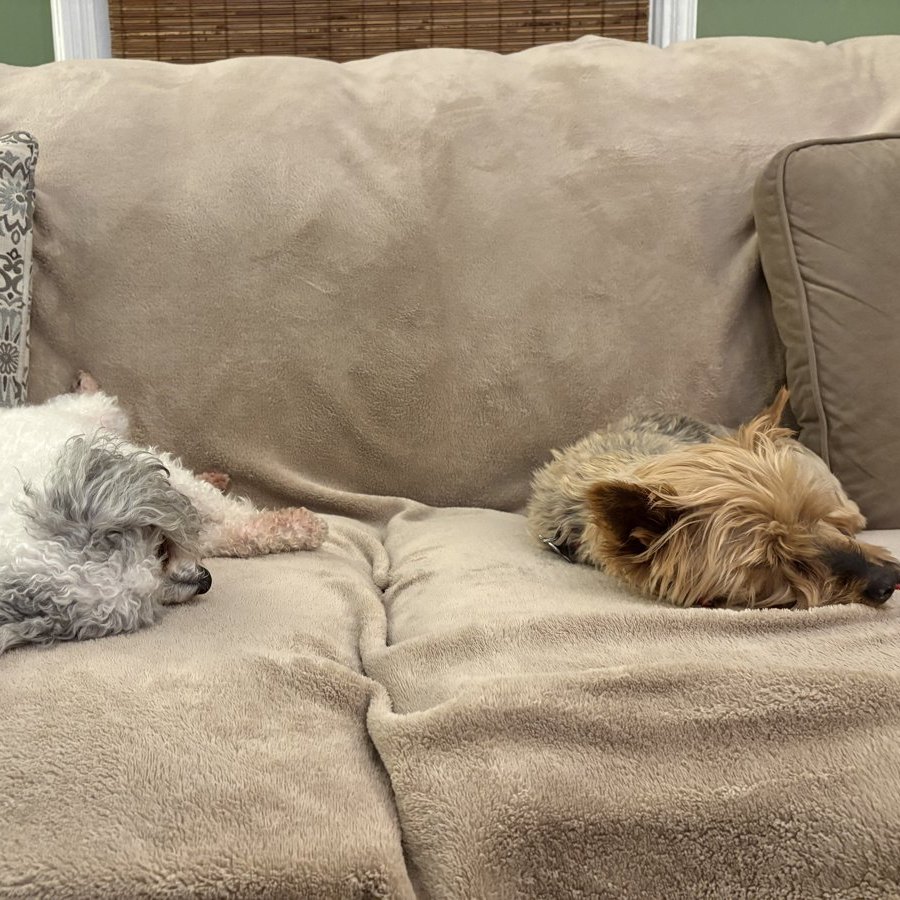
- More sleep. She sleeps a lot.
If you notice changes like these, mention them to your vet. Some are normal aging, and some have causes that can be treated or managed.
No More Stairs: We Carry Her
Gracie doesn’t go up and down stairs anymore. She has fallen a couple of times, so now we carry her. For a 12-pound dog with unsteady legs, a fall down even a few steps can mean a serious injury, so we’d rather not take the chance.
Small dogs can also be prone to knee problems (a slipping kneecap, called a luxating patella), and joints stiffen with age. A few things that help older small dogs get around safely:
- Carrying them on stairs, or using a baby gate to block stairs when you’re not around
- Pet stairs or a ramp up to the couch or bed, so they aren’t jumping down
- Rugs or runners on slippery floors
- Keeping them at a healthy weight to take pressure off their joints
Walks Became Yard Sniffs
Gracie still loves going outside, but she doesn’t really go on walks anymore. Instead, we walk around our yard and she smells everything. Luckily, we live in a pretty busy neighborhood with several trees that other dogs love to pee on, so she has plenty of “social media” to catch up on every day.
Sniffing is real enrichment for dogs, especially older ones. A slow, nose-down wander around the yard can tire out a senior dog’s brain without straining her body.
Chicago Winters and Cold Paws
Yorkies have fine, hair-like coats and very little body fat, so they lose heat quickly, and older dogs tend to feel the cold even more. Living in Chicago, we definitely get cold winters. Gracie wears sweaters at times, and when it’s super cold, we just keep her trips outside short.
Her paws have always been her weak spot in the cold. They get very cold, very fast. What has worked for us is Musher's Secret, a wax-based paw balm you rub onto the pads before going out. It creates a light barrier against cold, snow and salt on the sidewalks. A small tin lasts a long time on a 12-pound dog.
Teeth: The Yorkie Weak Spot
Small breeds like Yorkies are especially prone to dental disease because their teeth are crowded into a tiny mouth. Plaque and tartar can lead to painful gums and tooth loss, which can make a picky eater even pickier.
Regular brushing with a dog toothpaste, dental chews your vet approves, and professional cleanings when your vet recommends them all help. See our guide to dog toothbrushes for tips on getting started.
A Harness Instead of a Collar
Yorkies are among the breeds prone to tracheal collapse, a weakening of the windpipe that can cause a “honking” cough. Many vets recommend walking small breeds on a harness rather than a collar so there’s no pressure on the throat.
Vet Visits More Often
Many veterinarians recommend checkups about every six months for senior dogs instead of once a year, often with bloodwork. Problems like kidney, liver or dental issues are easier to manage when they’re caught early, and small changes can add up quickly in an older dog. Changes in hearing, vision, balance and energy, like the ones we’ve seen with Gracie, are all worth bringing up at those visits.
What Gracie Has Taught Us
A senior Yorkie’s world gets smaller, but it doesn’t have to get less happy. Gracie can’t hear us anymore and she doesn’t chase the ball, but she still gets excited for treats, still patrols the window, and still gets her daily sniff of the neighborhood news. Most of caring for her now is just meeting her where she is: carrying her when she needs it, keeping her warm, and letting her nap as much as she wants.
Helpful Products
- Musher's Secret Paw Wax: The paw balm we use on Gracie’s paws before cold Chicago walks.
- Small dog sweaters: A snug layer for short-coated small dogs in winter.
- Pet stairs for small dogs: Helps seniors reach the couch or bed without jumping.
- Small dog harnesses: Keeps pressure off the throat for tracheal-collapse-prone breeds.
Senior Yorkie FAQ
How long do Yorkies live?
Yorkshire Terriers commonly live 11 to 15 years, and many live into their mid-to-late teens with good care.
At what age is a Yorkie considered a senior?
Small breeds are often considered seniors somewhere around 8 to 10 years old, but your vet will look at your individual dog’s health rather than age alone.
Is it normal for an old Yorkie to go deaf?
Gradual hearing loss is common in older dogs. Our Gracie is deaf at nearly 15. It’s still worth mentioning to your vet, since ear infections and other treatable problems can also affect hearing.
How do I protect my Yorkie’s paws in winter?
A paw wax like Musher’s Secret, shorter trips outside on very cold days, and wiping paws after walks to remove salt all help. Some dogs also tolerate booties.
Should a senior Yorkie wear a harness or a collar?
Many vets recommend a harness for Yorkies because they’re prone to tracheal problems, and a harness keeps pressure off the throat.
As an Amazon Associate, we earn from qualifying purchases. This post contains affiliate links.