
As an Amazon Associate, we earn from qualifying purchases. This post contains affiliate links.
Quick answer: Yes, many dogs can eat a small amount of plain turkey if it is fully cooked, boneless, and skinless. What is not safe are the holiday extras, including bones, skin, gravy, stuffing, onions, garlic, raisins, chocolate, and sugar free desserts that may contain xylitol.
Few things are harder to resist than a pair of hopeful eyes at the Thanksgiving table. The good news is that a few bites of turkey can be a safe holiday treat for many dogs.
The tricky part is everything that comes with it. We will walk through what is safe, what is not, how much is reasonable, and what to do if your dog gets into leftovers. If you want a broader food guide, our safe and toxic foods list is a helpful next stop.
What turkey is safe for dogs
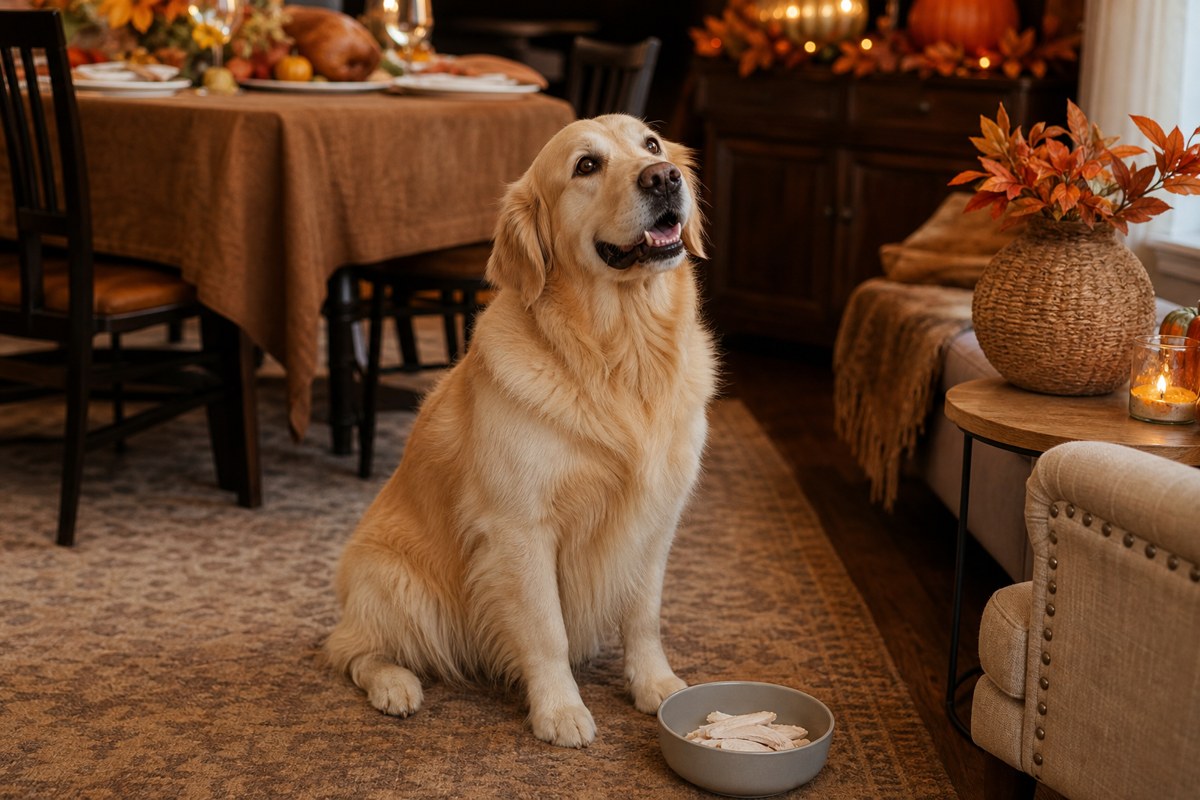
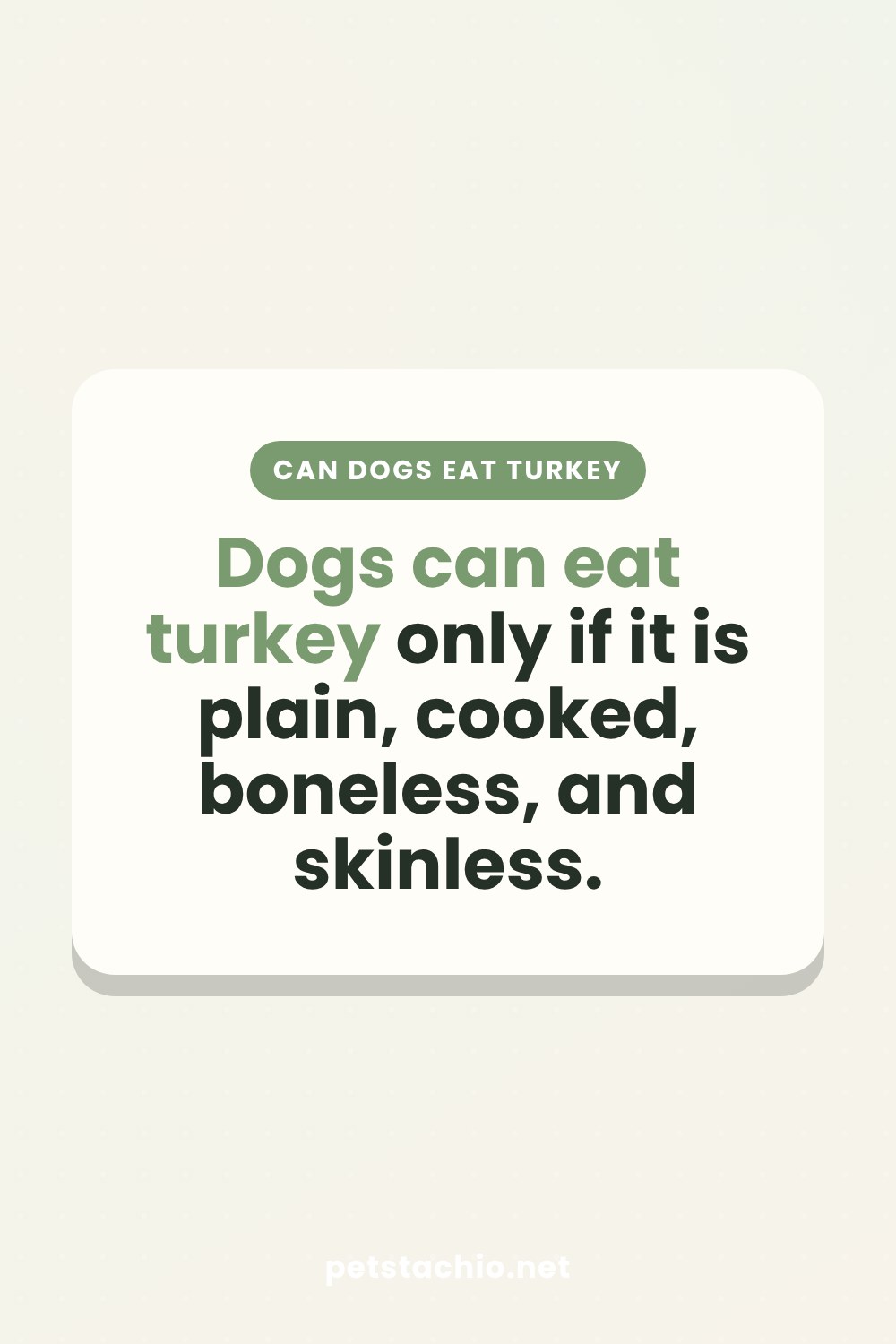
Dogs can eat turkey if it is plain, fully cooked, boneless, and skinless. The safest choice is usually white breast meat with no butter, brine, seasoning, marinade, gravy, or pan drippings. Dark meat is often fattier, so if you share any at all, white meat is usually the better option.
Keep the portion small. Many vets recommend that treats, including table scraps, stay under about 10 percent of a dog’s daily calories. For a small dog, that may mean only a bite or two. For a larger dog, it may mean a few small pieces, not a pile of leftovers.
Turkey should be a treat, not a holiday meal replacement. If your dog has a sensitive stomach, a history of pancreatitis, chronic digestive problems, food allergies, or is on a prescription diet, it is often best to skip table food completely and ask your vet what is safe for your dog.

Thanksgiving foods, safe versus unsafe
| Food | Safe for dogs? | Why |
|---|---|---|
| Plain white turkey meat | Yes, in small amounts | Lean protein if cooked, unseasoned, boneless, and skinless |
| Turkey skin and gravy | No | Often high in fat, salt, and seasonings that can upset the stomach |
| Stuffing and casserole dishes | No | Often contain onion, garlic, leeks, butter, and other ingredients dogs should not eat |
| Plain sweet potato, green beans, or canned pumpkin | Usually yes | Best plain only, with no butter, sugar, marshmallows, or fried onions |
| Grapes, raisins, chocolate, and sugar free desserts | No | These can be toxic, and xylitol in some desserts is especially dangerous |
Foods to keep completely off your dog’s plate
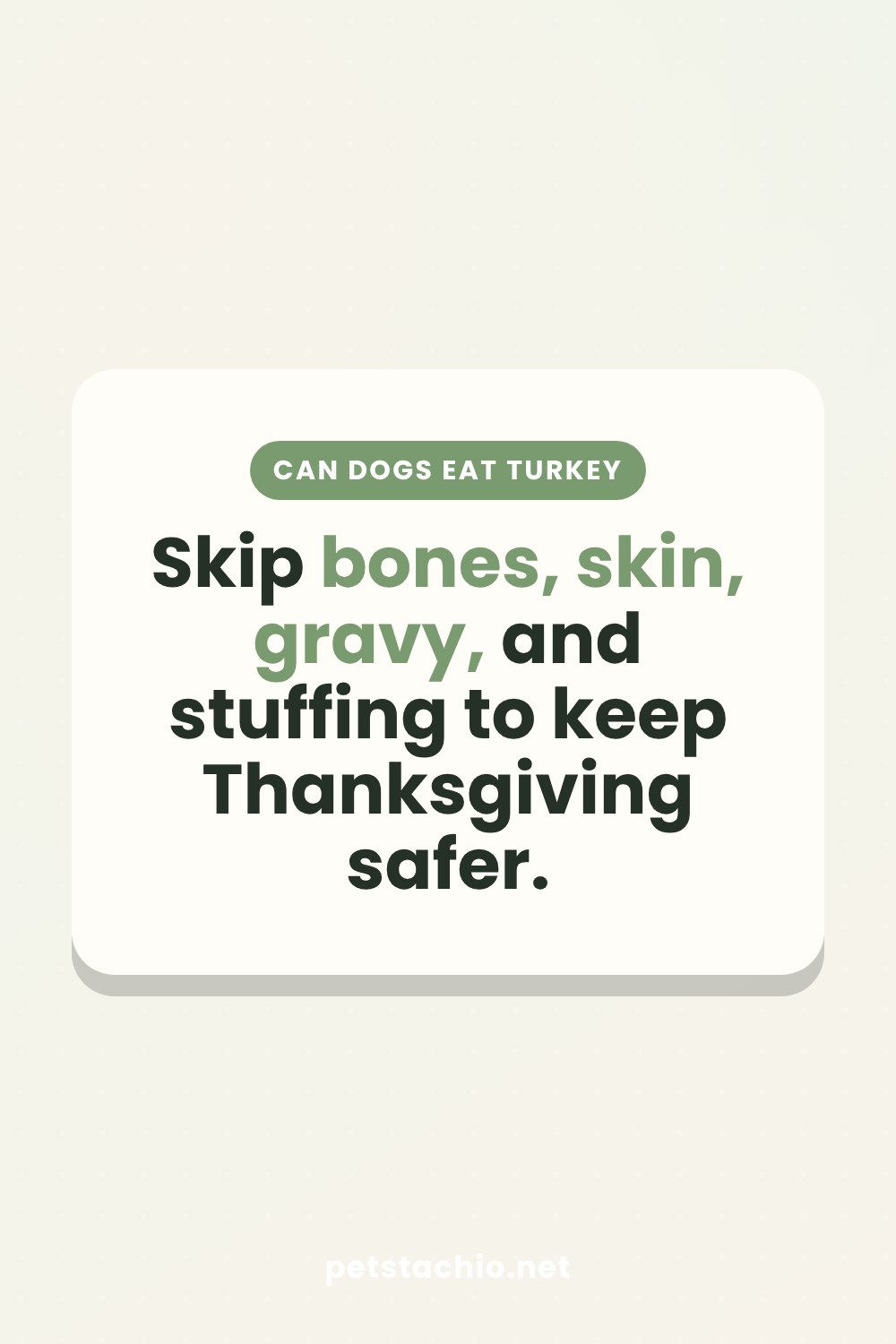
- Cooked turkey bones, or any cooked poultry bones. They can splinter, cause choking, injure the mouth or throat, or damage the stomach and intestines.
- Turkey skin. It is rich and fatty, and often coated in salt, butter, or spices.
- Gravy, drippings, and pan juices. These are often salty and fatty, and may include onion or garlic.
- Stuffing and dressing. These commonly contain onions, garlic, leeks, chives, butter, sausage, or other rich ingredients.
- Mashed potatoes and casseroles. These are often made with butter, milk, cream, cheese, salt, or garlic.
- Grapes, raisins, and currants. Even small amounts can be very dangerous for dogs.
- Chocolate desserts and cocoa. Chocolate is toxic to dogs.
- Sugar free desserts, gum, or baked goods. Some contain xylitol, which is extremely dangerous for dogs.
- Raw yeast dough. It can expand in the stomach and cause serious problems.
- Alcohol. Even small amounts can be harmful.
- Corn cobs. They are not digestible and can cause an intestinal blockage.
- Trash and leftovers. Turkey carcasses, bones, foil, string, and food wrappers are common holiday hazards.
How to share turkey safely
- Choose plain meat only. Pick fully cooked white turkey meat with no seasoning, butter, marinade, or sauce.
- Remove every bone and all skin. Check carefully for small bone fragments before offering any bite.
- Cut it into small pieces. Bite size pieces are easier to chew and swallow, especially for small dogs and older dogs.
- Offer only a little. Start with a small taste, then stop. A holiday treat should stay a treat.
- Serve it apart from the table. Putting a few safe pieces in your dog’s usual dish can reduce begging and confusion.
- Keep your dog’s regular meal routine. A normal meal schedule often helps prevent overeating and stomach upset. If your dog tends to gulp food, a slow feeder bowl can help pace dinner.
- Use a distraction while people eat. A stuffed rubber toy or a lick mat with a dog safe topping can help keep your dog settled and away from dropped food.

Top pick
Outward Hound Fun Feeder Slo Bowl
If your dog gets overexcited around meals, a slow feeder can make dinner more controlled and less frantic. It is a practical way to serve your dog’s normal food while you keep holiday extras to a minimum.
- Slows fast eaters
- Adds mealtime structure
- Simple daily use
What if your dog steals turkey or leftovers
First, figure out what your dog may have eaten and about how much. Plain turkey meat is very different from a turkey bone, a plate with stuffing and gravy, or a dessert made with chocolate or xylitol. Save packaging if there was a baked good or sugar free item involved, since ingredient labels can help your vet.
Do not try to make your dog vomit unless a veterinarian specifically tells you to. Home remedies and human medications can be dangerous, and some swallowed items, especially bones or sharp materials, may cause more injury if they come back up.
If your dog ate a cooked bone, onion or garlic heavy food, grapes or raisins, chocolate, alcohol, raw dough, a sugar free dessert, or got into the trash, call your veterinarian or an emergency veterinary clinic right away. If you suspect a toxic exposure, you can also call the ASPCA Animal Poison Control Center at (888) 426-4435. A consultation fee may apply.
Keep watching your dog over the next day or two, even if things seem fine at first. Rich holiday food can sometimes trigger delayed stomach upset. If your dog later seems off food, our guide to why a dog may stop eating can help you think through what to watch for while you contact your vet.

Good to have
simplehuman Step Trash Can with Secure Slide Lock
Trash can become the next problem after a dog sneaks leftovers or plates are left within reach. A can with a secure lid helps keep bones, string, foil, and greasy scraps from turning into a late night scare.
- Blocks scavenging dogs
- Helps contain leftovers
- Useful beyond holidays
Tips for a dog safe Thanksgiving at home
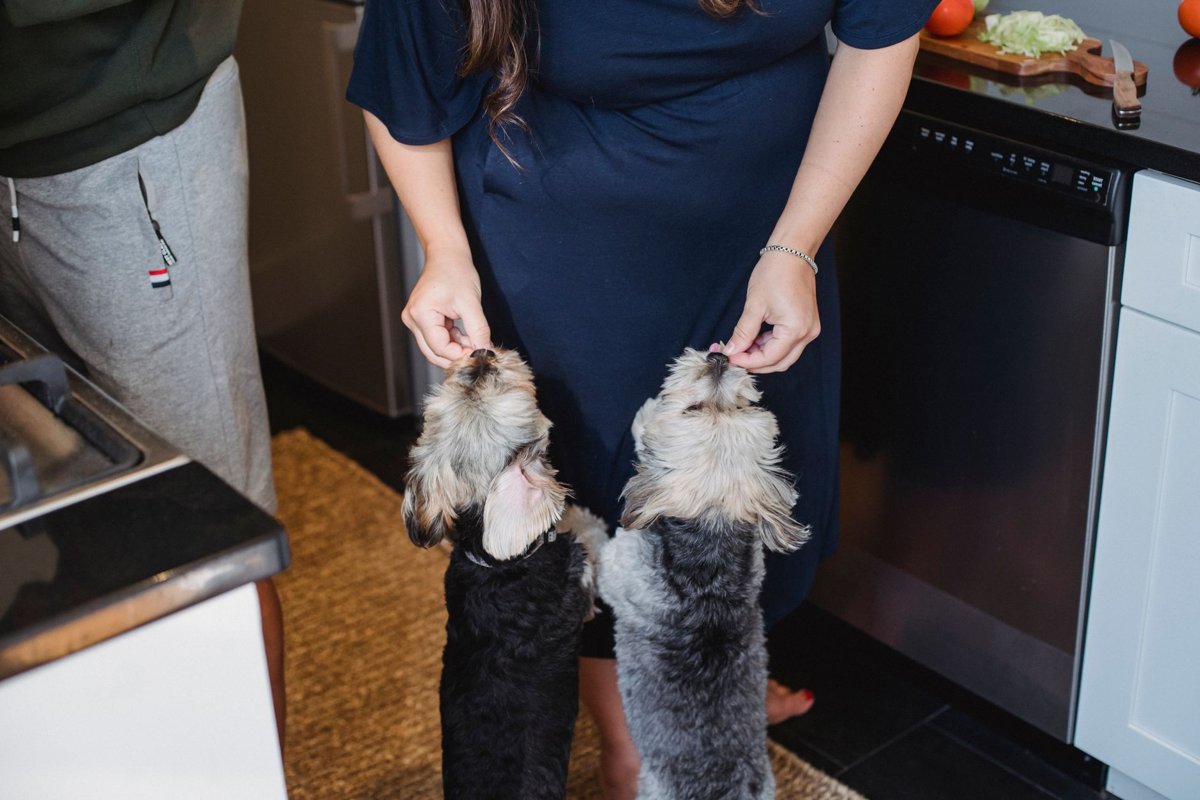
- Ask guests not to feed your dog from the table. This is one of the simplest ways to avoid accidental onions, bones, and rich scraps. If guests tend to fuss over your dog, these tips for a calmer holiday with visitors can help.
- Set aside dog safe food before dinner starts. A few pieces of plain turkey or plain green beans in your dog’s bowl makes sharing easier and safer.
- Use management, not willpower. Baby gates, crates, or a quiet room can help if your dog is underfoot or loves to counter surf.
- Give your dog a calm job during mealtime. A stuffable chew toy or a textured lick mat can keep many dogs occupied while the table is busy.
- Secure the trash. A locking trash can is useful for bones, carcasses, foil, string, and greasy paper towels that can tempt dogs long after dinner ends.
- Watch for dropped food. Children and guests may not notice raisins in stuffing, onions in casseroles, or pieces of bone on a plate.
- If you live with both dogs and cats, keep cat food and cat leftovers separate too. Some dogs will seek out richer food whenever they can, including cat meals. Our article on why dogs eat cat food explains why this is so common.
- Remember other seasonal hazards around the house. If you also share your home with cats, our guide to Christmas tree safety for cats covers another common holiday problem.
When to Call the Vet
- Call right away if your dog ate a cooked turkey bone, corn cob, food with onions or garlic, grapes or raisins, chocolate, alcohol, raw yeast dough, or a sugar free dessert that may contain xylitol.
- Call promptly if your dog got into the turkey carcass, the trash, foil, string, skewers, or food wrappers.
- Get veterinary help if you see repeated vomiting, repeated diarrhea, marked drooling, belly pain, a bloated or tight abdomen, trouble swallowing, gagging, choking, or trouble breathing.
- Seek prompt care if your dog seems very restless, weak, shaky, disoriented, collapses, has a seizure, or cannot get comfortable.
- Contact your vet if your dog refuses food, seems unusually tired, or has vomiting or diarrhea that continues after the holiday meal. Rich food can sometimes lead to pancreatitis or other digestive problems, and those issues need veterinary guidance.
Helpful Products
Also great
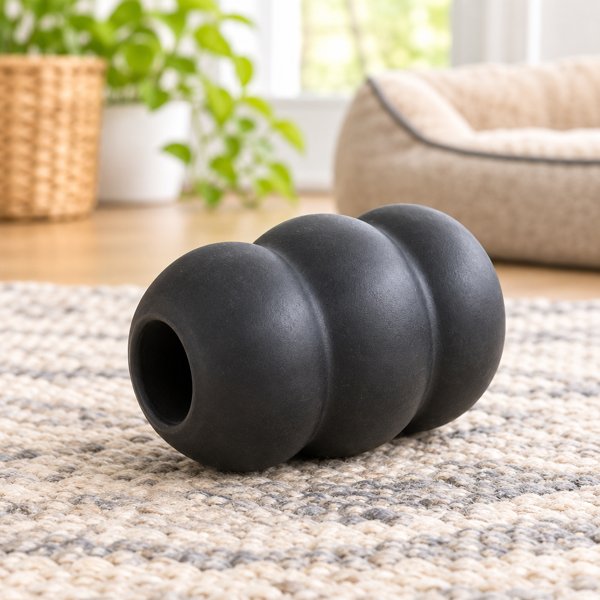
KONG Classic Dog Toy (Medium)
This classic stuffable toy suits dogs who need a calm, safe way to stay busy while people eat. Filled with your dog’s usual food or a little plain pumpkin, it helps redirect attention away from the table.
- Keeps dogs occupied
- Works with safe fillings
- Useful during mealtime
simplehuman Step Trash Can with Secure Slide Lock
A locking lid keeps turkey carcasses, bones and string out of reach, one of the most common holiday vet visits.
LUKITO Lick Mat for Dogs (2 Pack)
A simple choice for dogs who like licking treats and need something calming when guests arrive. Spread on a dog-safe topping to help keep your pup focused while the holiday bustle starts.
Outward Hound Fun Feeder Slo Bowl
Slows down fast eaters, which is handy if your dog’s dinner includes a few holiday extras.
Can Dogs Eat Turkey FAQ
Can dogs eat turkey skin?
It is best not to give turkey skin. It is usually high in fat and often covered with salt, butter, or seasoning, which can upset a dog’s stomach. In some dogs, very rich foods may trigger more serious digestive trouble.
Can dogs eat dark turkey meat?
Small amounts of plain, cooked dark meat are often less ideal than white meat because dark meat is usually fattier. If you share turkey, plain white breast meat is usually the safer choice. Keep portions small either way.
What should I do if my dog ate a turkey bone?
Call your veterinarian right away, even if your dog seems normal. Do not try to make your dog vomit unless a vet tells you to. Cooked bones can splinter and may cause choking or internal injury.
Can puppies eat turkey on Thanksgiving?
A tiny piece of plain, cooked, boneless, skinless turkey may be okay for some puppies, but their stomachs can be sensitive. It is smart to ask your vet before adding table food. If your puppy later acts sick or stops eating, see your vet.
The Bottom Line
A few bites of plain, fully cooked, boneless, skinless turkey can be a safe Thanksgiving treat for many dogs. The bigger risks are the holiday extras, especially bones, skin, gravy, stuffing, desserts, and trash, so when in doubt, keep human food separate and call your vet if your dog gets into something unsafe.
Keep reading: