
As an Amazon Associate, we earn from qualifying purchases. This post contains affiliate links.
Quick answer: Many dogs eat grass sometimes, and it is often normal. They may like the taste or texture, do it from boredom, or less often when their stomach feels off. Call your vet if grass eating is sudden, frantic, or happens with vomiting, diarrhea, low appetite, pain, or low energy.
Watching your dog graze like a little cow can be confusing. Are they sick, missing something in their diet, or just being dogs.
The reassuring answer is that grass eating is one of the most common dog behaviors. Most dogs that nibble grass show no sign of illness first, and many do not vomit afterward. If your dog also seems off food, our guide to why dogs stop eating can help you spot changes worth mentioning to your vet.
Why dogs eat grass in the first place
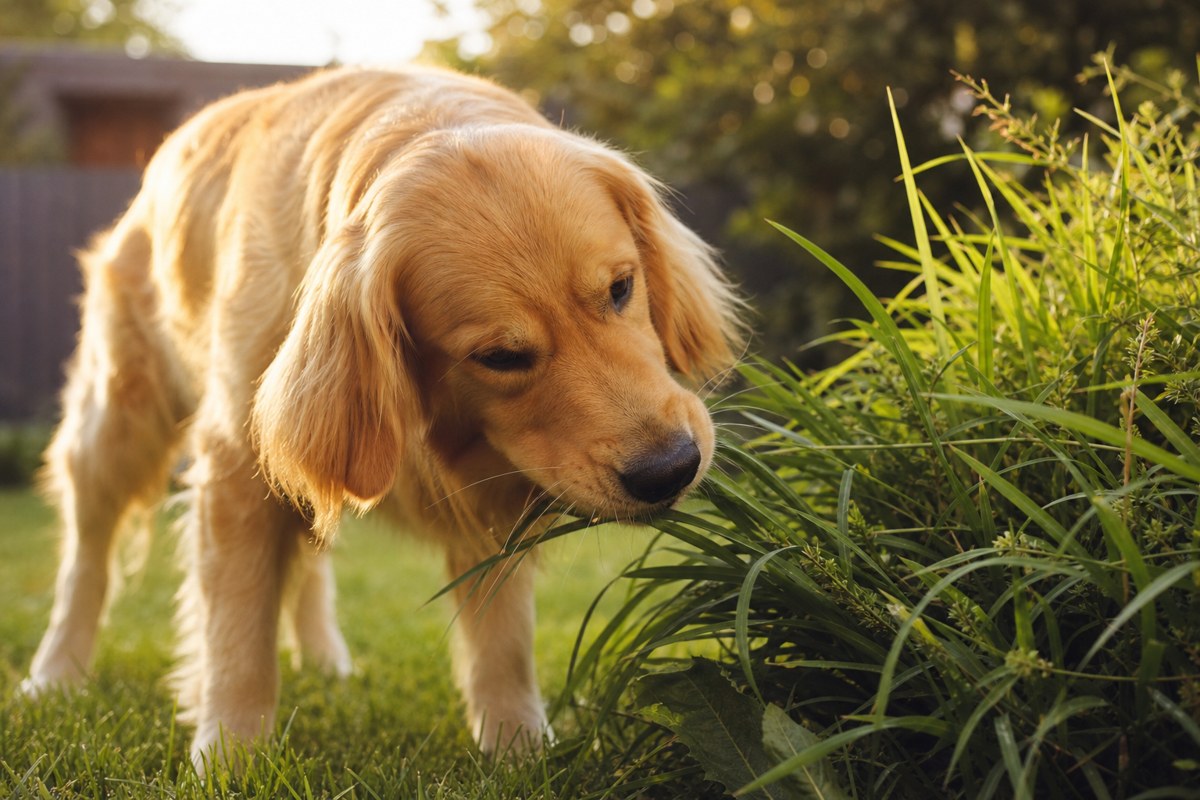
Eating grass is very common in dogs, and in many cases it is simply normal behavior. Some dogs seem to enjoy the fresh taste, the crisp texture, or the act of chewing tender blades, especially in spring. If a dog eats a little grass now and then, acts normal, and keeps eating regular meals, grass itself is often not the problem.
Boredom can also play a part. A dog left outside with little to do may start grazing just to pass the time. Dogs are natural sniffers and explorers, so adding more walks, scent games, and food puzzles can help. A puzzle toy or extra sniffy outdoor time may redirect that habit in a safer way.
There may be an instinctive piece too. Wild canines eat some plant material, and many pet dogs chew plants from time to time. That does not prove a health problem by itself. Some owners notice less grazing after a vet approved diet change with more fiber, but there is little evidence that most dogs eating a complete, balanced food are trying to fix a true deficiency.

Does eating grass mean your dog has an upset stomach
Sometimes, but not usually. Some dogs do eat grass when their stomach feels off, and some vomit afterward. Grass can irritate the throat or stomach and trigger vomiting in some dogs, so the timing can make it look like the grass caused everything when the dog may already have felt nauseated.
What matters most is the pattern. If your dog nibbles grass once in a while and stays bright, playful, and hungry, many vets would consider that within normal behavior. If your dog suddenly seeks out grass frantically, vomits more than once, seems uncomfortable, or stops eating, that is different and should not be brushed off as a harmless quirk.
It helps to look at the whole picture. If your dog is eating poop, raiding the litter box, or chewing lots of nonfood items too, the issue may be broader than grass alone. Our post on why dogs eat poop covers some other common reasons for unusual scavenging.

Top pick
Dog puzzle toys
If your dog seems to graze when bored, a puzzle toy can give them a better job to do. It adds mental work and food seeking play, which often helps dogs spend less time aimlessly chewing grass.
- Adds mental exercise
- Helps relieve boredom
- Good rainy day option
When grass eating is usually normal, and when it may be a problem
| Pattern | What it may mean | What to do |
|---|---|---|
| A few bites on walks, normal appetite and energy | Often a common, normal behavior | Watch, and steer away from risky lawns or plants |
| Mostly happens when bored in the yard | May be a habit or lack of enrichment | Add walks, sniffing, training games, and a food puzzle |
| Eats grass, then vomits once, then seems fine | Can happen, but still watch the pattern | Offer water, monitor closely, and call your vet if it repeats |
| Sudden frantic grazing, repeated vomiting, diarrhea, or pain | Possible medical problem or irritation | Call your vet promptly |
| Grazing on treated lawns or around unknown plants | Risk from chemicals or toxins | Stop access and contact your vet if exposure may have happened |
The real risks are usually on the grass, not the grass itself
- Lawn chemicals can be the biggest concern. Fertilizers, herbicides, and pesticides may irritate the mouth or stomach, and some products can be much more serious. It is safest to keep dogs from grazing on lawns that may have been treated, including parks, shared apartment grass, and neighbors’ yards.
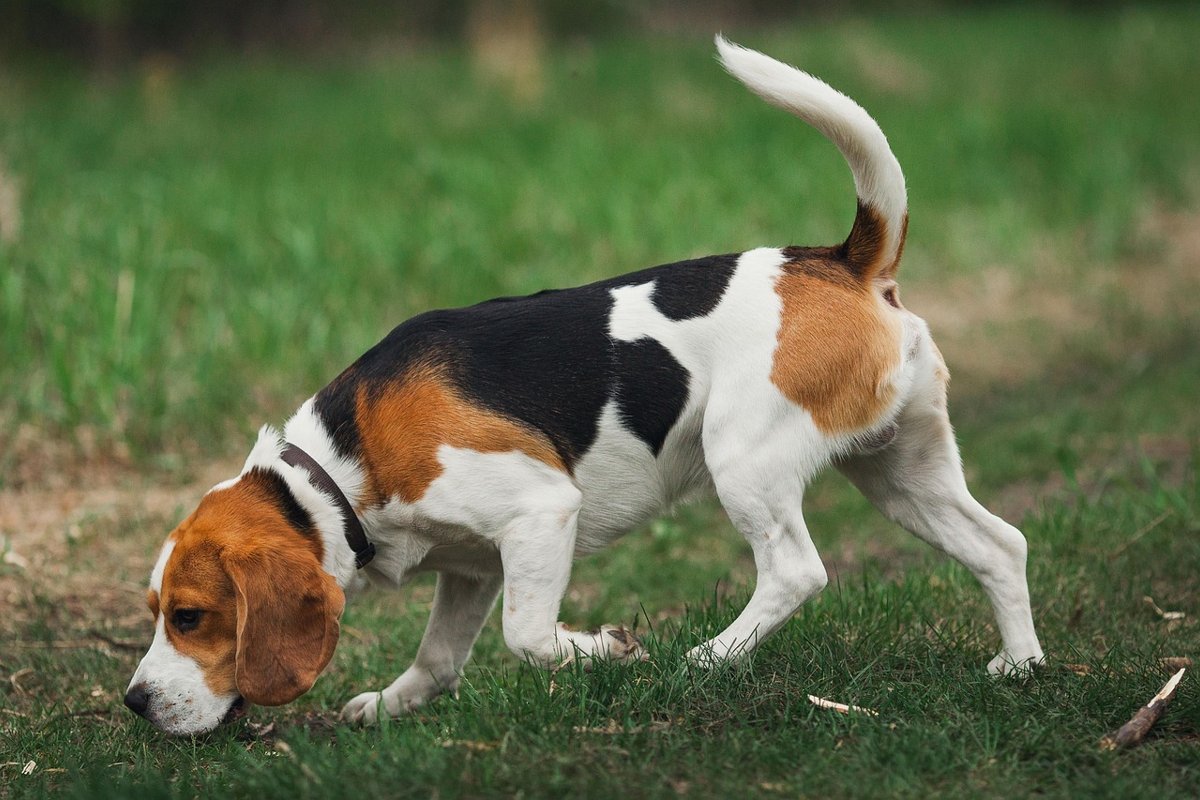
- Parasites can spread where animals poop. Grass contaminated with feces may expose dogs to intestinal parasites such as roundworms and hookworms. Picking up waste with waste bags and staying current with your vet’s parasite prevention advice lowers that risk.
- Toxic plants mixed into the grass are another hazard. Many common yard and garden plants are unsafe for dogs. Lilies, sago palm, foxglove, and azaleas are examples often listed as toxic. If your dog likes to sample plants, learn what is growing in your yard and check any unknown plant before assuming it is harmless. Our article on safe and toxic human foods for dogs is also useful if your dog is the kind who mouths anything green or edible.
- Sharp grass seeds, often called foxtails, can lodge in the nose, ears, paws, eyes, or throat. A dog that suddenly sneezes hard, paws at the nose, gags, or limps after running through dry grassy areas may need prompt veterinary care.

Good to have
Dog waste bags
Cleaner grass matters when you are trying to lower parasite exposure in the yard or on walks. Keeping waste bags handy makes fast pickup easier and helps reduce contact with feces where dogs sniff and nibble.
- Quick daily cleanup
- Supports cleaner yard
- Easy walk carry
How to make grass grazing safer
- Choose where your dog walks and sniffs. If you do not know whether a lawn was treated, assume it may have been. Use a leash near risky areas so you can guide your dog away before they start munching.
- Keep your own yard as clean as you can. Pick up stool promptly with dog waste bags, discourage visits from neighborhood animals if possible, and ask your vet how often your dog should have parasite screening and prevention based on your area and lifestyle.
- Check the yard for dangerous plants and sharp seed heads. Pull or block access to anything your vet or a trusted poison resource lists as toxic. In late spring through fall, inspect paws, ears, and coat after walks in weedy areas.
- Give your dog more to do. Many grass nibblers do better with extra walks, sniff breaks, short training sessions, and rotating enrichment. A puzzle feeder can help indoors, especially on rainy days or when yard time is short. You can find more easy ideas in indoor pet activities.
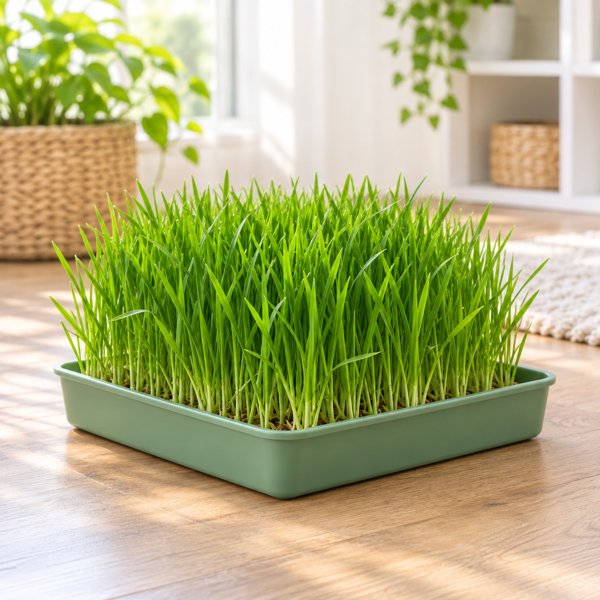
- If your dog truly loves greens, consider a cleaner option you can supervise. A small indoor grass kit can give some dogs a safer place to nibble than a shared lawn. It is not a treatment, but it can be a practical substitute for dogs that are drawn to grass.
- Review the diet with your vet if grass eating seems heavy or new. Do not switch foods suddenly on your own if your dog has stomach signs. If you and your vet think fiber or another diet change is worth trying, follow that plan carefully and give it time.

Helpful Products
Also great
Indoor pet grass kits
Indoor pet grass kits suit dogs that love to nibble greens but need a more controlled spot than the yard. They offer a clean patch to supervise, which can make redirecting away from risky outdoor grass easier at home.
- Cleaner grazing spot
- Easy to supervise
- Useful indoor option
Dog puzzle toys
A smart choice for dogs that graze when they are bored or restless. It keeps them busy with food finding play, which can make grass eating less likely from lack of things to do.
Dog waste bags
Keeps your yard cleaner and lowers parasite risk.
When to Call the Vet
- Your dog suddenly eats grass frantically or seems unable to stop.
- Vomiting happens more than once or twice, or vomiting keeps coming back after grass eating.
- There is diarrhea, blood in vomit or stool, or black, tarry stool.
- Your dog has low appetite, low energy, weakness, or signs of belly pain such as a tense abdomen, restlessness, whining, or not wanting to be touched.
- There is gagging, repeated swallowing, coughing, sneezing fits, pawing at the face, or trouble breathing after grazing. A foxtail or other foreign material may be involved.
- You think your dog may have eaten a treated lawn or a toxic plant. Contact your veterinarian right away. If your clinic is closed, call an emergency veterinary hospital or a pet poison hotline.
What to watch and tell your vet
If grass eating is becoming more frequent, it helps to keep a short log for a week or two. Note when it happens, how much grass your dog eats, whether they vomit, what their stool looks like, and whether the behavior happens before meals, after exercise, or only in certain places. This kind of pattern can help your vet sort out behavior from possible illness.
It is also helpful to write down any possible exposures. Include new lawn treatments, recent park visits, access to compost or mulch, and any plants your dog may have chewed. If appetite has changed, mention that too. You can also review broad signs in common dog health problems before your visit so you do not forget anything important to mention.
One more safety note: do not give human stomach medicines or home remedies unless your vet tells you to. Many human medications are unsafe for dogs, and even products that seem mild can make things worse or hide signs your vet needs to assess.

Why Do Dogs Eat Grass FAQ
Why does my dog eat grass and then throw up?
Some dogs seem to eat grass when they already feel queasy, and some vomit because the grass irritates the throat or stomach. If it happens once in a while and your dog acts normal afterward, your vet may tell you to monitor. If it happens often, or your dog seems sick, call your veterinarian.
Should I stop my dog from eating grass?
Usually, small amounts are not a big concern if your dog is otherwise healthy. The main goal is to prevent access to treated lawns, toxic plants, and areas with heavy feces contamination. If your dog grazes a lot, redirecting with walks, sniffing, a pet grass kit, and more enrichment may help.
Do dogs eat grass because they are missing nutrients?
Not usually. There is little evidence that most dogs on a complete, balanced diet eat grass because of a nutritional deficiency. If you are worried about your dog’s food or fiber intake, ask your vet before changing the diet.
Is eating grass a sign of worms?
Not by itself. Many healthy dogs eat grass sometimes, but grazing where other animals poop can expose dogs to parasites. Keep up with your vet’s parasite prevention advice and bring a stool sample if your vet recommends it.
The Bottom Line
Most dogs that eat grass are not sick, and the behavior is often normal. The safest approach is to limit access to treated lawns and toxic plants, keep your dog mentally engaged, and call your vet if grass eating becomes sudden, intense, or comes with vomiting, diarrhea, pain, low appetite, or low energy.
Keep reading: