

Quick answer: The most common dog health problems include dental disease, ear infections, skin allergies, obesity, arthritis, vomiting and diarrhea, and parasites. Catching them early makes a big difference, so watch for changes in appetite, energy, thirst, weight, skin and bathroom habits, and keep up with regular vet checkups.
Dogs can’t tell us when something hurts, so it’s up to us to notice. Most health problems show up first as small changes in behavior or routine.
This guide covers 14 common problems and the signs to watch for. It isn’t a substitute for your vet, but it can help you know when to call.

Common Dog Health Problems
- Dental disease. Bad breath, red gums, tartar, dropping food. Very common, especially in small breeds.
- Ear infections. Head shaking, scratching ears, odor, redness or discharge. Often linked to allergies.
- Skin allergies. Itching, licking paws, red skin, hair loss, recurring ear infections.
- Fleas and ticks. Scratching, flea dirt, visible ticks. Ticks can spread diseases.
- Intestinal parasites. Diarrhea, weight loss, pot belly in puppies, worms in stool.
- Vomiting and diarrhea. Often from eating something they shouldn’t, but can signal illness.
- Obesity. Can’t feel ribs easily, no waist, low stamina. Raises the risk of many other problems.
- Arthritis. Stiffness, trouble with stairs, slowing down, especially after rest.
- Luxating patella. A kneecap that slips, causing skipping or hopping steps, common in small breeds.
- Urinary tract infections. Frequent peeing, accidents, straining, blood in urine.
- Eye problems. Redness, discharge, squinting, cloudiness.
- Kennel cough. A honking cough, often after time around other dogs.
- Hypothyroidism. Weight gain, low energy, thinning coat.
- Diabetes. Drinking and peeing more, weight loss, increased appetite.
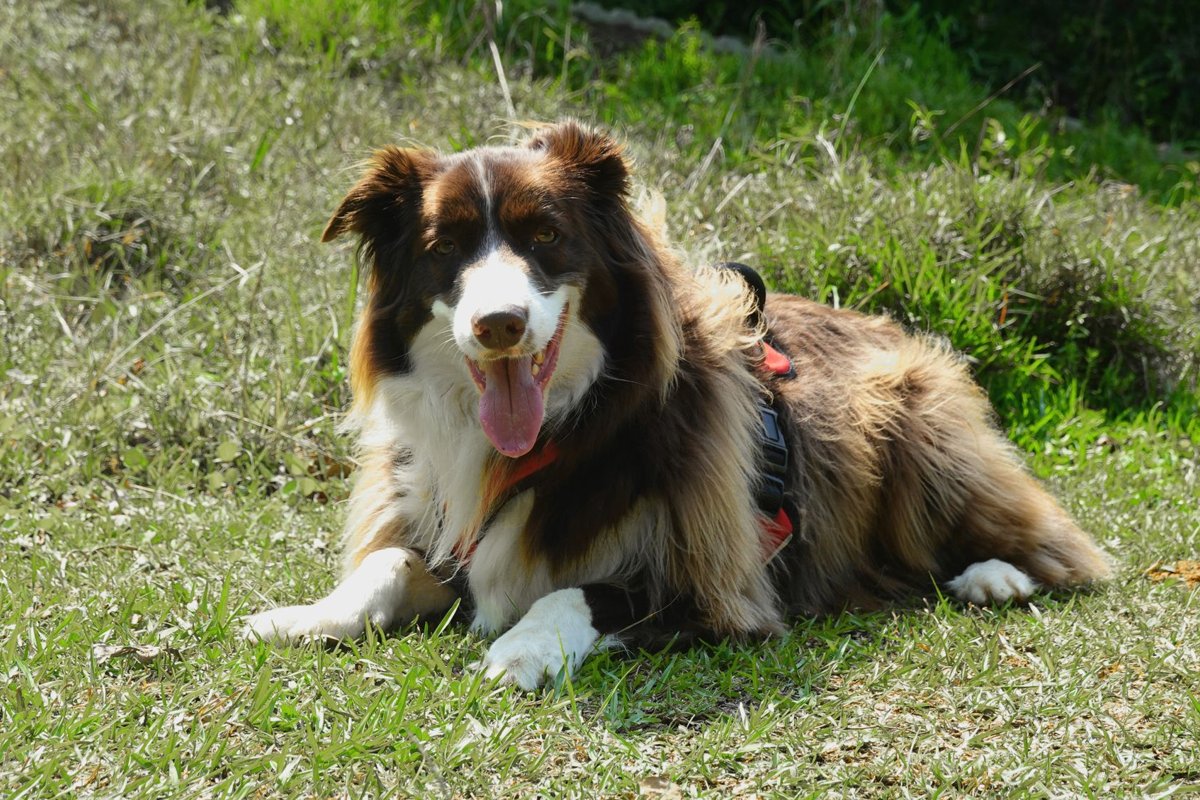
Emergency Signs: Go to a Vet Now
- Trouble breathing, or blue or pale gums
- A swollen, hard belly with retching that brings nothing up (possible bloat)
- Collapse, seizures or sudden weakness
- Heavy bleeding or major injury
- Straining to pee with little or nothing coming out, especially in male dogs
- Suspected poisoning (call a pet poison hotline on the way)
- Repeated vomiting, or vomiting with lethargy
- Signs of severe pain
Preventing Problems
- Schedule yearly wellness exams, or every six months for seniors.
- Keep vaccines and parasite prevention up to date.
- Brush teeth daily or as often as you can.
- Keep your dog at a healthy weight.
- Know your dog’s normal, so you notice changes sooner.
- Ask your vet about breed-specific risks.

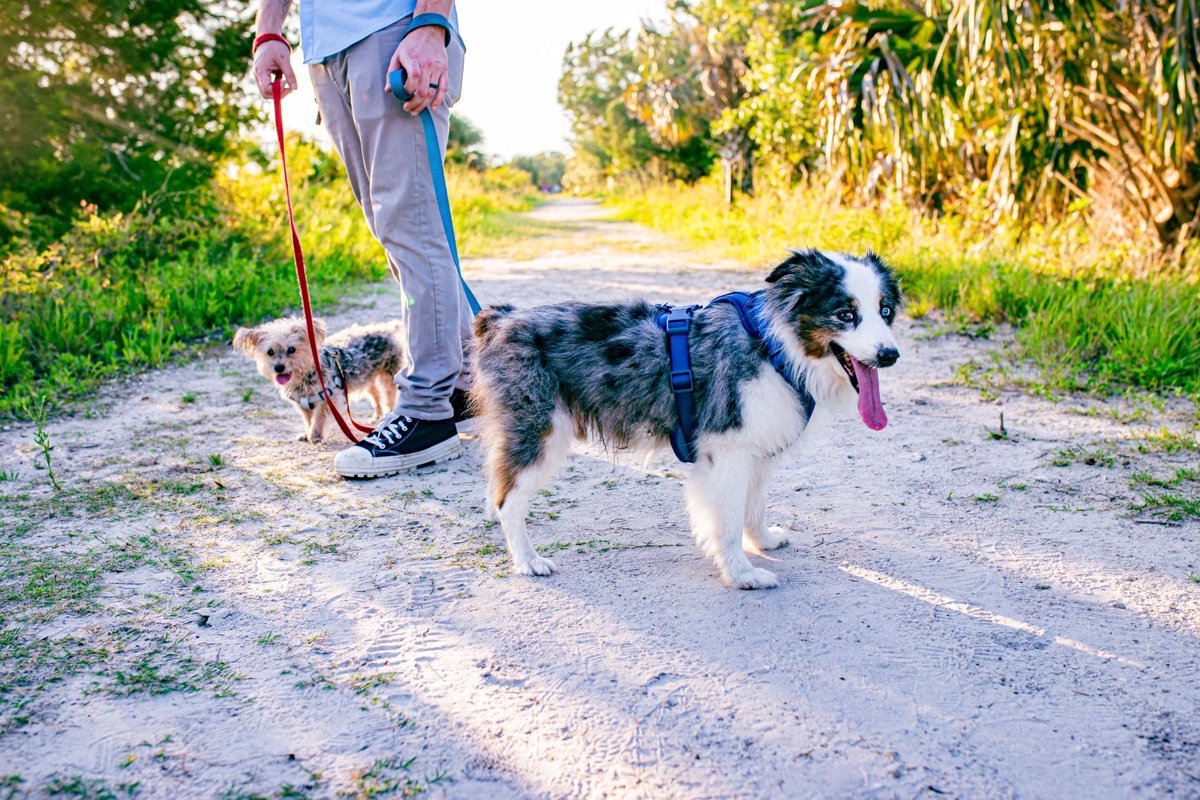
Senior Dogs Need Extra Attention
Older dogs are more likely to develop arthritis, dental disease, kidney and liver problems, cancer, and cognitive changes. Many vets recommend twice-yearly checkups with bloodwork for seniors. Our senior Yorkie has become deaf and less steady on her feet, and catching changes early has helped us keep her comfortable.

Helpful Products
- Dog dental care kits: Daily brushing helps prevent the most common dog health problem.
- Pet first aid kits: Handy for minor injuries and emergencies on the way to the vet.
- Digital pet thermometers: Helpful information to share with your vet.
Frequently Asked Questions
What is the most common health problem in dogs?
Dental disease is one of the most common, along with ear infections, skin allergies and obesity.
How often should my dog see the vet?
Most adult dogs should have a yearly checkup. Many vets recommend every six months for seniors.
How do I know if my dog is in pain?
Signs include limping, panting at rest, hiding, restlessness, a hunched posture, licking one area, not wanting to be touched, or changes in appetite.
When is vomiting an emergency?
Repeated vomiting, vomiting with lethargy, blood, a swollen belly, or suspected poisoning or swallowed objects need prompt vet care.
The Bottom Line
Most dog health problems are easier to treat when they’re caught early. Learn your dog’s normal, watch for changes, keep up with preventive care, and don’t hesitate to call your vet when something seems off.
Keep reading:
- Life With a Senior Yorkie: What 14-Year-Old Gracie Has Taught Us
- Why Isn't My Dog Eating? Common Causes and When to Worry
- Why Do Dogs Have Bad Breath? Causes, Fixes and When to See a Vet
- Flea and Tick Prevention for Dogs and Cats: Types, Safety and Tips
As an Amazon Associate, we earn from qualifying purchases. This post contains affiliate links.