

Quick answer: Most vets recommend year-round flea and tick prevention for dogs and cats, including indoor cats. The main types are oral chews, topical spot-ons and collars. Pick one with your vet, and never use a dog product on a cat, since some dog flea products are toxic to cats.
Fleas and ticks aren’t just itchy and gross. Fleas can cause allergic skin disease and spread tapeworms, and ticks can spread diseases like Lyme disease and ehrlichiosis. One flea that hitches a ride inside can turn into an infestation in your carpet, couch and bed.
The good news is that modern prevention works well. The tricky part is choosing the right type for your pet and using it correctly. Here’s what to know.
Types of Flea and Tick Prevention
| Type | How it works | Good to know |
|---|---|---|
| Oral chews or tablets | Given by mouth, usually monthly or every few months. Kill fleas and ticks after they bite. | No residue on fur. Most need a vet prescription. |
| Topical spot-ons | Liquid applied to the skin between the shoulder blades, usually monthly. | Keep kids and other pets from touching the spot until dry. Bathing schedules may matter. |
| Collars | Release active ingredients slowly over several months. | Must fit correctly. Watch for skin irritation under the collar. |
| Shampoos and sprays | Kill fleas on contact. | Short-lived. Best as a quick fix, not long-term prevention. |
The Most Important Safety Rules
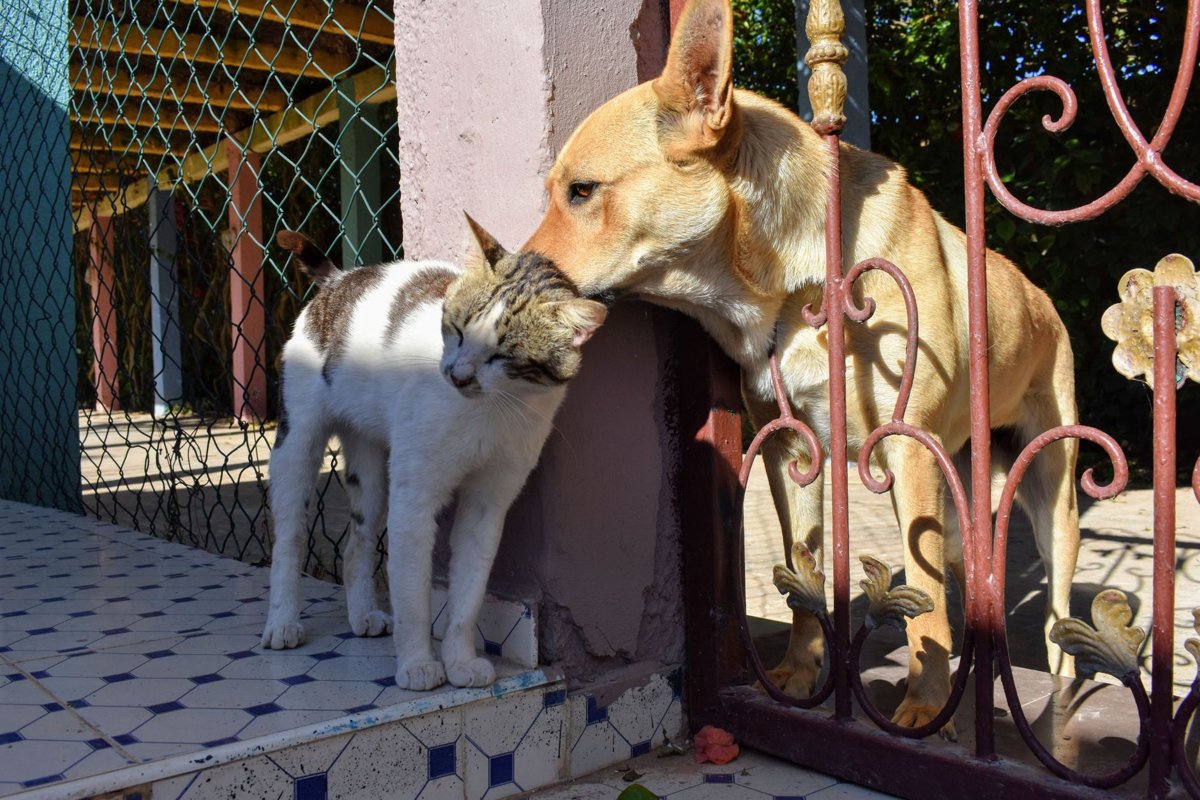
- Never use dog flea products on cats. Some dog products contain permethrin or similar ingredients that can cause serious, even fatal, poisoning in cats. Cats can also be exposed by cuddling a freshly treated dog, so ask your vet if you have both.
- Dose by weight. Products are made for specific weight ranges. Don’t split one large-dog dose between smaller pets.
- Check the age minimum. Puppies and kittens need products labeled for their age.
- Tell your vet about health issues. Some products aren’t recommended for pets with a history of seizures or other conditions.
- Buy from trusted sources. Counterfeit flea products are a real problem online. Buying through your vet or a reputable pharmacy helps.
- Watch after the first dose. Call your vet if you see drooling, vomiting, trembling, weakness or skin reactions.
Why Year-Round Prevention?
Fleas can survive indoors all winter, and ticks can be active any time temperatures rise above freezing. Here in Chicago, we’ve seen how quickly a warm spell in winter brings them back. That’s why many vets recommend prevention every month of the year.
Indoor cats need protection too. Fleas ride in on people, dogs, and through screens and doorways.

How to Check Your Pet for Fleas and Ticks
- Fleas: part the fur at the base of the tail and on the belly. Look for tiny moving insects or ‘flea dirt’ (black specks that turn red on a damp paper towel).
- Ticks: after walks in grass or woods, run your fingers over your dog, especially around the ears, neck, armpits, between toes and under the tail.
- Removing a tick: grasp it close to the skin with fine-tipped tweezers or a tick tool and pull straight out with steady pressure. Clean the area and wash your hands.
If You Already Have Fleas
Treat every pet in the house, not just the itchy one. Wash bedding in hot water, vacuum floors and furniture often (and empty the vacuum outside), and keep up prevention for at least three months, since flea eggs and pupae in the home keep hatching for weeks.
Call your vet if your pet has hair loss, scabs, pale gums, or seems weak or tired. Heavy flea infestations can cause anemia, especially in small, young or senior pets.

Helpful Products
- Flea combs: An easy way to check for fleas and flea dirt.
- Tick removal tools: Removes ticks cleanly without squeezing.
- Washable pet bed covers: Makes hot-water washing during a flea problem easier.
Frequently Asked Questions
Do indoor cats need flea prevention?
Many vets recommend it. Fleas can come inside on people, other pets, and through doors and windows.
Can I use my dog’s flea treatment on my cat?
No. Some dog products contain ingredients that are toxic to cats. Only use products labeled for cats, and ask your vet if you have both dogs and cats.
Do dogs need flea and tick prevention in winter?
Many vets recommend year-round prevention, since fleas survive indoors and ticks can be active on warm winter days.
What’s the best flea and tick prevention?
It depends on your pet’s species, size, age, health and lifestyle. Your vet can recommend a product and make sure it’s dosed correctly.
The Bottom Line
Flea and tick prevention is one of the simplest ways to protect your pet’s health. Choose the right type with your vet, dose it by weight, keep it going year-round, and never use dog products on cats.
Keep reading:
- Parasites in Cats: Prevention and Treatment Guide
- 14 Common Dog Health Problems: Signs to Watch For
- Why Do Dogs Lick Themselves So Much? Normal Grooming vs. a Problem
- Essential Dog Care Tips Every Owner Should Know
As an Amazon Associate, we earn from qualifying purchases. This post contains affiliate links.