
Quick answer: Good dog care comes down to a few essentials: a complete and balanced diet in measured portions, daily exercise and mental activity, regular grooming and dental care, preventive vet care, reward-based training, and a safe home with ID. Adjust each one as your dog ages.
Whether you just brought home your first dog or have had dogs your whole life, the basics of good care don’t change much. What changes is how you apply them to your particular dog.
Here’s a practical checklist covering the essentials, with tips we’ve learned from years of living with rescue dogs, including a nearly 15-year-old Yorkie.
1. Feed a Quality Diet, in the Right Amount
- Choose a food labeled complete and balanced by AAFCO standards for your dog’s life stage.
- Measure meals. Obesity is one of the most common health problems in dogs.
- Keep treats to a small part of daily calories, often cited as about 10 percent.
- Change foods gradually over 7 to 10 days.
- Always have fresh water available.
- Learn which human foods are toxic, like grapes, chocolate, xylitol, onions and garlic.
2. Exercise Body and Brain
Most dogs need daily walks plus play. High-energy breeds may need an hour or more of activity, while small and senior dogs may be happy with shorter, gentler outings. Mental exercise counts too: sniff walks, puzzle feeders and short training sessions tire dogs out in a healthy way.
3. Groom Regularly
- Brush based on coat type, from weekly for short coats to daily for long or curly coats.
- Trim nails every few weeks. If they click on the floor, they’re too long.
- Check and clean ears, especially in floppy-eared breeds.
- Bathe only as needed with a dog shampoo.

4. Don’t Skip Dental Care
Dental disease is one of the most common problems vets see. Brush your dog’s teeth daily if you can, using dog toothpaste only, and ask about professional cleanings. Small breeds are especially prone to dental problems.
5. Keep Up With Preventive Vet Care
- Yearly wellness exams, or every six months for seniors
- Core vaccines on your vet’s recommended schedule
- Year-round flea, tick and heartworm prevention
- Spaying or neutering, timed with your vet’s guidance
6. Train With Rewards
Reward-based training builds trust and works well. Start with sit, come, leave it, and walking on a loose leash. Keep sessions short and fun. Socialize puppies gently with new people, places and sounds.
7. Keep Your Dog Safe
- Microchip your dog and keep ID tags current.
- Use a harness for small breeds or dogs prone to throat problems.
- Secure trash, medications and household chemicals.
- Protect paws in winter and avoid hot pavement in summer.
- Never leave a dog in a parked car, even on mild days.
8. Adjust Care for Senior Dogs
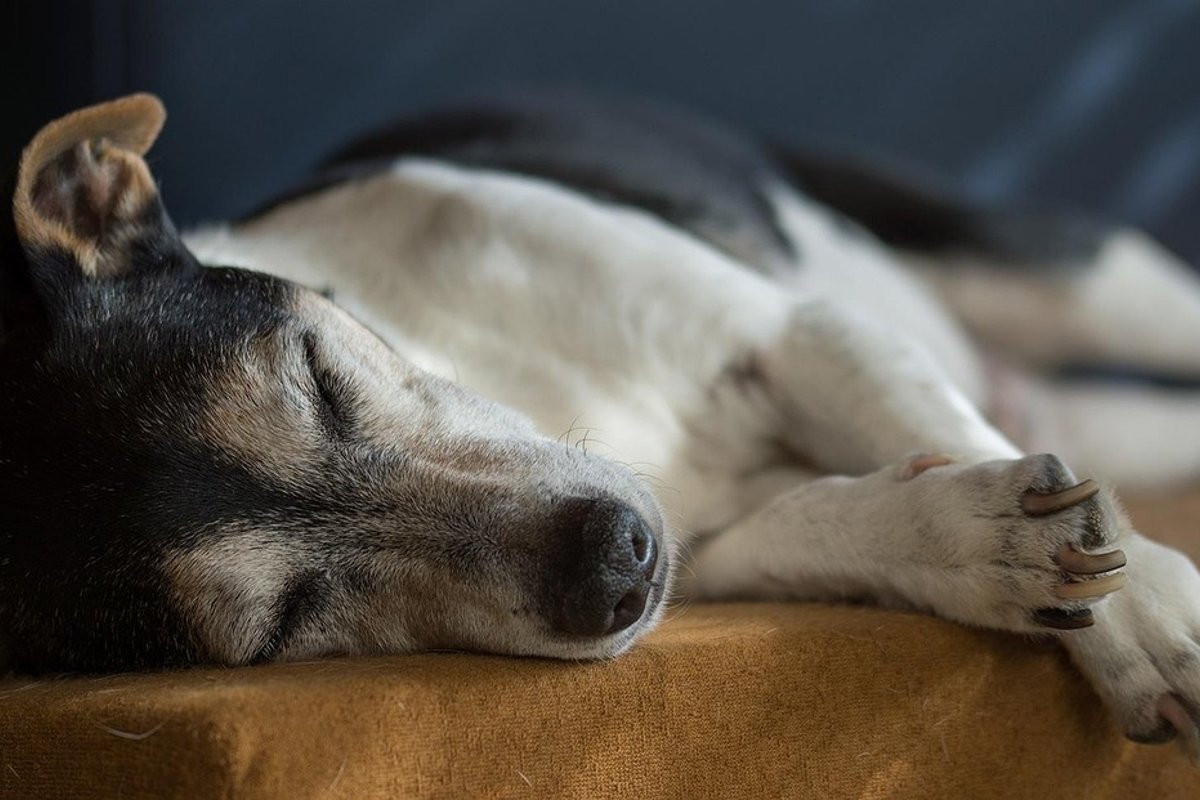
Older dogs need softer beds, gentler exercise, more frequent vet visits, and sometimes help with stairs. Our senior Yorkie is now deaf and unsteady, so we carry her on stairs and keep her walks to slow sniffs around the yard. Paying attention to these small changes keeps older dogs comfortable and happy.
Helpful Products
- Dog nail grinders: Makes regular nail trims easier.
- Dog toothbrush kits: Daily dental care at home.
- Slow feeder bowls: Slows fast eaters and adds enrichment.
Frequently Asked Questions
How often should I take my dog to the vet?
Most adult dogs need a yearly checkup. Seniors often benefit from visits every six months.
How much exercise does my dog need?
It depends on breed, age and health, ranging from short walks for small seniors to more than an hour of activity for working breeds.
How often should I bathe my dog?
Only as needed for most dogs, often every few weeks to few months, using dog shampoo.
What are the most important things for a dog’s health?
Good nutrition, healthy weight, exercise, dental care, parasite prevention and regular vet visits.
The Bottom Line
Great dog care isn’t complicated: good food in the right amount, daily exercise, regular grooming and dental care, preventive vet visits, kind training and a safe home. Keep adjusting as your dog grows older, and you’ll give them the best possible life.
Keep reading:
- Owning a Dog: Answers to the Most Common Questions
- 14 Common Dog Health Problems: Signs to Watch For
- Life With a Senior Yorkie: What 14-Year-Old Gracie Has Taught Us
- Dog Grooming Tips: Keeping Your Pup Clean and Comfortable
As an Amazon Associate, we earn from qualifying purchases. This post contains affiliate links.