
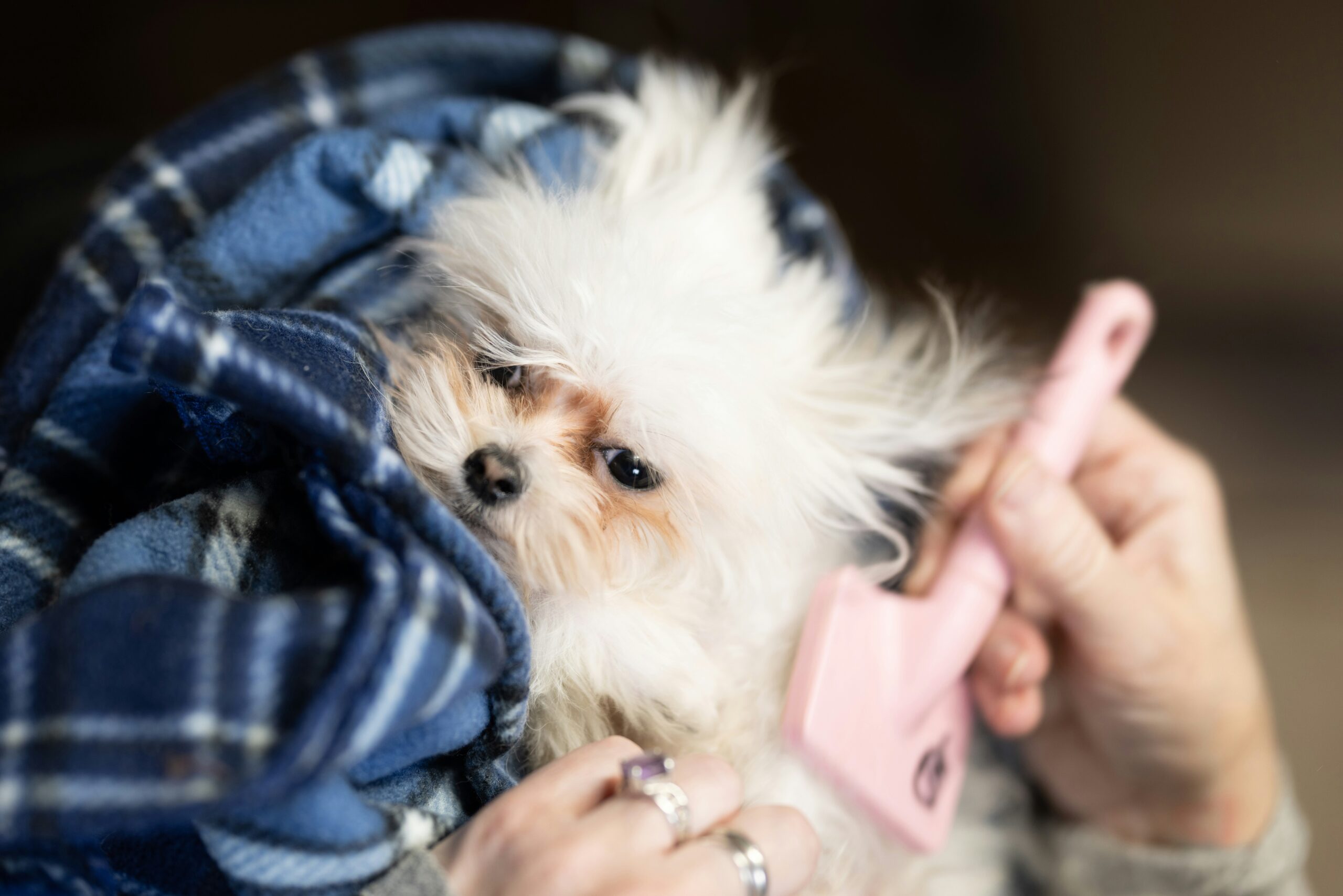
We all cherish our canine companions, and part of that love involves ensuring they’re happy, healthy, and looking their best. Grooming our dogs isn’t just about aesthetics; it’s a vital part of their overall well-being. It’s an opportunity to bond, to check for potential health issues, and to keep them comfortable. We’ve learned through experience that a consistent grooming routine makes a world of difference, not just for our pups, but for our homes too! So, let’s dive into our top tips for dog grooming, helping us all keep our furry friends looking and feeling fantastic.
Before we even pick up a brush, the most crucial step is to understand our individual dog’s needs. We know that a fluffy Golden Retriever won’t have the same grooming requirements as a sleek Boxer, and similarly, a senior dog might need gentler handling than an exuberant puppy. This foundational understanding helps us tailor our approach and ensures we’re providing the best care possible.
Breed-Specific Research
We always start by researching our dog’s breed. Different breeds have evolved with distinct coat types, and these coats require different maintenance. For instance, we know a double-coated breed like a Husky will need careful deshedding, especially seasonally, to prevent matting and overheating. Conversely, a Poodle, with its continuously growing hair, will require regular clipping to avoid matting and keep their coat manageable. We also consider breeds prone to specific ear or skin issues; for example, Basset Hounds with their long, floppy ears are more susceptible to ear infections, necessitating more frequent ear cleaning. This initial research isn’t just a suggestion for us; it’s a non-negotiable first step. It guides our choice of tools and the frequency of our grooming sessions.
Age and Health Considerations
Our dogs’ needs evolve as they age, and their health status can significantly impact their grooming routine. We’ve found that puppies often need gentle introductions to grooming, making it a positive and comfortable experience right from the start. Short, frequent sessions with lots of praise and treats are our go-to. As our dogs enter their senior years, we become even more mindful. Their skin can become more delicate, their joints might be stiff, and they might be more sensitive to temperature changes. We switch to softer brushes, use lukewarm water for baths, and ensure we’re not putting any undue stress on their bodies. Any existing health conditions, such as skin allergies, lumps, or wounds, also dictate our grooming choices. We consult with our vet if we notice anything unusual, and they often provide tailored advice on how to proceed safely.
Lifestyle Impacts
Our dogs’ lifestyles play a significant role in their grooming needs. An active dog who loves to roll in mud or swim regularly will naturally require more frequent baths and brushings than a couch potato. During different seasons, we also adjust our routines. In warmer months, we focus on keeping their coats free of debris and ensure they aren’t overheating. In colder months, we might pay extra attention to paw care, especially if salt and ice are prevalent. Even the environment they live in, whether it’s an apartment or a sprawling farm, influences how often we need to clean them. We’ve learned that being adaptable here is key to maintaining a happy, healthy dog.
If you’re looking to enhance your dog’s grooming routine, you might find it helpful to explore the importance of choosing pet-friendly accommodations while traveling. A related article that discusses this topic is available at Pet-Friendly Hotels Near Me, which provides insights on how to ensure your furry friend is comfortable and well-cared for during your trips. This can be particularly beneficial when you need to maintain your dog’s grooming schedule while away from home.
The Importance of Regular Brushing
Brushing our dogs might seem like a simple task, but we know it’s one of the most vital components of a good grooming routine. It’s not just about making them look tidy; it’s a preventative measure against a host of problems and a bonding opportunity we truly cherish.
Preventing Mats and Tangles
For many of us with medium to long-haired dogs, mats are a constant battle. We’ve learned that consistent brushing is the only way to stay ahead of them. Mats don’t just look unsightly; they can be incredibly painful for our dogs, pulling on their skin and causing irritation. They can also trap moisture, leading to skin infections, or hide parasites. We make sure to brush thoroughly, getting down to the skin, rather than just skimming the top layer of the coat. For areas prone to matting, like behind the ears, under the legs, and the tail, we pay extra attention, using a slicker brush and then a comb to ensure all knots are gone.
Distributing Natural Oils
Our dogs’ coats naturally produce oils that keep their skin and hair healthy and shiny. Brushing helps to distribute these natural oils evenly throughout their coat. This acts as a natural conditioner, improving coat health, reducing dryness, and giving them that healthy sheen we all admire. We notice a significant difference in the vibrancy and softness of our dogs’ fur when we brush them regularly versus when we let it slide for too long.
Checking for Skin Issues and Parasites
Brushing provides us with a fantastic opportunity for a tactile inspection of our dogs’ bodies. As we run our hands and brushes over their skin, we’re able to feel for any lumps, bumps, hot spots, or skin irritations that might otherwise go unnoticed. We also keep an eye out for fleas, ticks, or other parasites. Early detection of these issues allows us to address them promptly, potentially preventing more serious health problems down the line. It’s like a mini health check-up every time we brush.
Reducing Shedding
Let’s be honest, we all appreciate a little less dog hair around the house. Regular brushing, especially with appropriate deshedding tools, helps remove loose and dead hair from our dogs’ coats before it has a chance to land on our furniture or clothes. While we can’t eliminate shedding entirely, we’ve found that a consistent brushing routine dramatically reduces the amount of hair found throughout our homes, making for a cleaner living environment for everyone.
The Art of Bathing Your Dog

Bathing our dogs can sometimes feel like a comedic adventure, but it’s a necessary part of keeping them clean and healthy. We’ve refined our techniques over the years to make it as stress-free as possible for both us and our furry friends.
Choosing the Right Shampoo and Conditioner
Just as we wouldn’t use human shampoo on a baby, we never use human shampoo on our dogs. Their skin pH is different from ours, and human products can be too harsh, leading to dry, itchy skin. We always opt for dog-specific shampoos and conditioners. For dogs with sensitive skin, we choose hypoallergenic or oatmeal-based formulas. If our dog has specific skin conditions, we consult our vet for medicated shampoos. We also consider what we’re trying to achieve; there are whitening shampoos for light-colored coats, deshedding shampoos, and even flea and tick specific washes. Matching the product to the need is crucial for a successful bath.
The Bathing Process: Step-by-Step
We’ve found that a well-organized bathing process makes all the difference. First, we gather all our supplies: shampoo, conditioner (if using), towels, cotton balls for ears, and maybe some treats. Before the bath, we always give our dog a thorough brushing to remove any loose hair and mats; getting wet will only tighten mats. We place cotton balls gently in their ears to prevent water from entering, which can lead to infections. We use lukewarm water, testing the temperature on our wrist first. We wet them thoroughly, starting from the neck down, avoiding direct spray into their face. Then, we apply shampoo, lathering gently and massaging it into their coat, paying attention to all areas. We follow with a thorough rinse, ensuring no shampoo residue is left behind, as this can cause skin irritation. Finally, we apply conditioner if needed and rinse again.
Drying Techniques
Once the bath is over, the drying process begins. We always start with a good towel dry, gently squeezing and rubbing their coat to remove as much excess water as possible. For dogs with thick coats, we might use multiple towels. For many dogs, air drying outdoors on a warm day is an option, but we keep an eye on them to prevent them from rolling in anything dirty. If using a hairdryer, we always use one specifically designed for pets or use a human hairdryer on the coolest setting, holding it a good distance away to prevent burning their skin. Brushing while we dry can also help prevent tangles and speed up the process. We ensure they are completely dry, especially around sensitive areas like their armpits and groin, to prevent moisture-related skin issues.
Nail Care: A Crucial, Often Overlooked Aspect

We know that nail trimming can be one of the most intimidating parts of dog grooming for many owners, but we can’t stress enough how important it is. Neglecting nail care can lead to serious discomfort and even health problems for our dogs.
Why Nail Trimming is Essential
When our dogs’ nails get too long, they can cause a variety of problems. Long nails can alter their gait, putting undue stress on their joints and spine, leading to pain and potentially orthopedic issues over time. They can also get snagged and torn, which is incredibly painful and prone to infection. In severe cases, long nails can even grow into the paw pads, causing open wounds and severe discomfort. We view regular nail trimming as a preventative measure to ensure their comfort, mobility, and overall health.
Choosing the Right Tools
Just like with brushes and shampoos, having the right tools for nail trimming makes a big difference. We use either scissor-style clippers or guillotine-style clippers, depending on our preference and the size of our dog’s nails. For dogs with thick nails, we might opt for a Dremel or a battery-operated nail grinder, which files the nail down gradually, reducing the risk of cutting too much. We always keep styptic powder or a styptic pencil on hand, just in case we accidentally cut into the quick (the sensitive part of the nail that contains blood vessels and nerves). It’s a peace-of-mind item we always have prepared.
The Trimming Process: Avoiding the Quick
The key to successful nail trimming is to take it slow and steady and to avoid cutting into the quick. We start by gently holding our dog’s paw and identifying the quick if their nails are light-colored. For dogs with dark nails, it’s much harder to see, so we trim small slices at a time, looking for a small, dark dot in the center of the nail, which indicates we’re close to the quick. We trim at a 45-degree angle, just below the quick. If our dog is nervous, we make it a positive experience with lots of treats and praise, and sometimes we do just one or two nails at a time over several days. We’ve learned that consistency is key; the more frequently we trim, the shorter the quick can recede, making future trims easier and less risky. If we feel uncomfortable, we always reach out to our vet or a professional groomer for assistance.
Dog grooming is an essential aspect of pet care that not only keeps your furry friend looking their best but also contributes to their overall health and well-being. Regular grooming helps prevent matting, reduces shedding, and allows you to check for any skin issues or parasites. If you’re interested in learning more about the importance of dogs in our lives, you might find this article on family dogs to be insightful. It highlights how these loyal companions can bring joy and comfort to every home. You can read it here: family dogs.
Ear and Dental Care: Beyond the Basics
| Service | Frequency | Cost |
|---|---|---|
| Bathing | Every 2-4 weeks | Varies |
| Brushing | Every 1-3 days | Varies |
| Nail trimming | Every 4-6 weeks | Varies |
| Ear cleaning | Every 2 weeks | Varies |
While brushing and bathing often get the spotlight, we know that ear and dental care are equally, if not more, important for our dogs’ long-term health. These often-overlooked areas can be sources of significant pain and health complications if neglected.
Essential Ear Cleaning Techniques
Our dogs’ ears are prime targets for infections, especially breeds with long, floppy ears that restrict airflow. We make it a point to check their ears weekly for any signs of redness, swelling, discharge, or an unpleasant odor. If we notice any of these signs, it’s a vet trip for us. For routine cleaning, we use a veterinarian-approved ear cleaning solution and cotton balls or gauze. We never use cotton swabs, as they can push debris further into the ear canal and potentially damage the eardrum. We gently squirt the solution into the ear canal, massage the base of the ear for 30 seconds to break up wax and debris, and then wipe the visible parts of the ear with a cotton ball. Our dogs usually shake their heads afterward, which helps dislodge any remaining solution and debris.
The Importance of Regular Dental Hygiene
Dental disease is one of the most common health problems in dogs, and we’ve seen firsthand the impact it can have on their overall health. We understand that plaque and tartar buildup can lead to gum disease, tooth decay, and even systemic infections if bacteria from the mouth enter the bloodstream. We’ve embraced regular dental hygiene as a core part of our grooming routine.
Brushing Their Teeth
The gold standard for dog dental care is regular teeth brushing. We use a dog-specific toothbrush and toothpaste (never human toothpaste, as it contains ingredients toxic to dogs). We start slowly, introducing the toothpaste as a treat, then letting them lick it off the brush, and gradually progressing to brushing a few teeth at a time. Our goal is to brush several times a week, focusing on the outside surfaces of their teeth where plaque tends to accumulate. It takes patience and consistency, but the benefits for their oral health are immense.
Dental Chews and Toys
While not a substitute for brushing, dental chews and toys can play a supportive role in maintaining our dogs’ oral health. We choose products that are specifically designed to reduce plaque and tartar buildup and ensure they are appropriate for our dog’s size and chewing habits. We’re always careful to supervise our dogs with chews to prevent choking hazards.
Professional Dental Cleanings
Even with diligent home care, our dogs sometimes need professional dental cleanings from the vet, especially as they age. Our vet can perform a thorough examination, scale away tartar above and below the gum line, and address any extractions or other dental issues under anesthesia. We view these professional cleanings as a crucial part of their comprehensive health plan, ensuring their smiles stay bright and their mouths stay healthy for years to come.
By incorporating these tips into our regular routine, we’ve found that grooming becomes a much more manageable and enjoyable experience for both us and our beloved canine companions. It’s an investment in their health, happiness, and our bond with them.
FAQs
What is dog grooming?
Dog grooming refers to the hygienic care and cleaning of a dog, as well as enhancing its physical appearance. This can include brushing, bathing, trimming nails, cleaning ears, and styling the coat.
Why is dog grooming important?
Regular grooming is important for a dog’s overall health and well-being. It helps to prevent matting, keeps the skin and coat clean, reduces shedding, and allows for early detection of skin issues or parasites.
How often should a dog be groomed?
The frequency of grooming depends on the breed, coat type, and individual needs of the dog. Generally, dogs with longer or thicker coats may require more frequent grooming, while short-haired breeds may need less frequent grooming.
What are the benefits of professional dog grooming?
Professional groomers have the expertise and tools to properly groom a dog, including handling difficult tasks such as nail trimming and coat styling. They can also provide additional services such as teeth cleaning and flea treatments.
What are some common dog grooming tools?
Common dog grooming tools include brushes, combs, nail clippers, shampoo, conditioner, ear cleaner, and grooming scissors. Specialized tools such as de-shedding tools and grooming tables may also be used for specific grooming needs.