
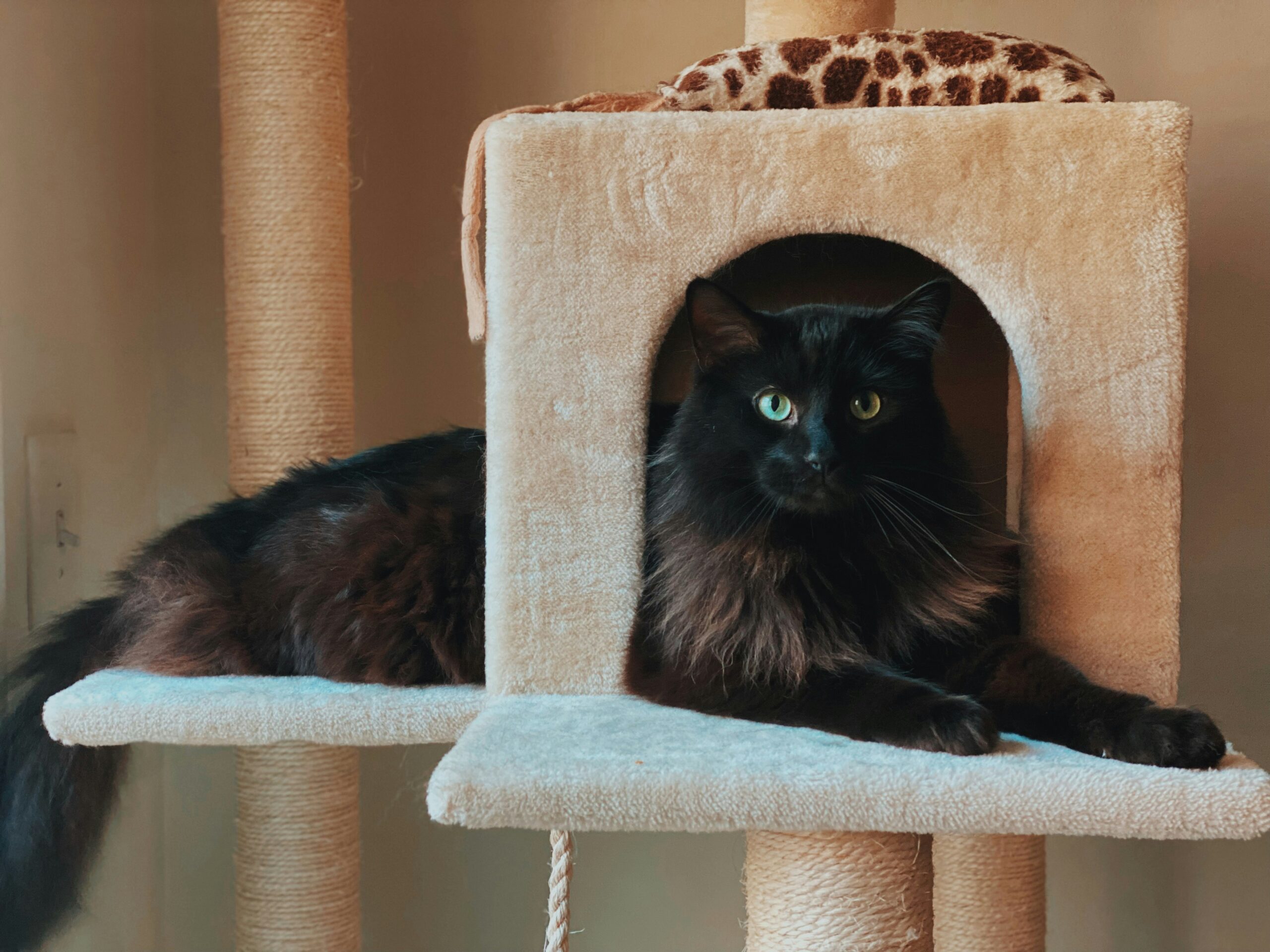
We, as devoted cat parents, understand the immense joy our felines bring into our lives. Their playful antics, their comforting purrs, and their independent spirit all contribute to the vibrant tapestry of our homes. To ensure our beloved companions thrive, we constantly seek ways to enrich their environment, and for many of us, this means investing in the ultimate feline playground: the cat tree. Choosing the best cat tree isn’t always straightforward. The market is flooded with options, each touting unique features and benefits. We’ve navigated this landscape ourselves, driven by a desire to provide not just a comfortable perch, but a stimulating and safe haven for our furry family members. This journey has taught us that a well-chosen cat tree can transform a happy cat into a truly contented and healthy one.
We believe that a cat tree is far more than just a piece of furniture; it’s an investment in our cats’ physical and mental well-being. It caters to their natural instincts, providing opportunities for climbing, scratching, perching, and surveying their domain. A good cat tree can alleviate boredom, reduce destructive behaviors, and offer a sense of security for even the most timid of cats. It’s about understanding our cats’ needs and translating that understanding into a tangible, enriching item for their lives.
Before we even begin browsing the dazzling array of cat trees available, the most crucial step is to truly understand our individual feline companions. They are not a monolithic species; each cat possesses a unique personality, set of preferences, and physical capabilities. What might be perfect for one cat could be entirely unsuitable for another. This deep dive into their individual needs is the bedrock upon which our decision-making process should be built.
Assessing Personality Traits
We’ve learned that a cat’s personality is a significant indicator of the type of cat tree they will gravitate towards. Is your cat an adventurous climber, always seeking new heights and challenges? Or are they more of a lounger, preferring cozy nooks and soft surfaces?
The Adventurous Climber
For our bold and energetic explorers, we prioritize cat trees with multi-level platforms, tall scratching posts, and plenty of opportunities to leap from one perch to another. These cats thrive on a sense of verticality and enjoy having vantage points from which to observe their surroundings. We look for sturdy constructions that can withstand their enthusiastic leaps and vigorous play.
The Comfort-Seeking Lounger
Conversely, our more relaxed and laid-back felines will appreciate a cat tree that emphasizes comfort and security. We seek out plush bedding, enclosed cubbies, and soft, inviting perches. For these cats, the appeal lies in having a designated safe space where they can retreat, nap, and feel protected.
The Social Butterfly
Some cats are inherently social and enjoy being part of the family’s activities, even if they prefer to observe from a safe distance. For these individuals, cat trees with open platforms and generous-sized perches are ideal, allowing them to survey the room and interact with us without feeling overwhelmed. We also consider trees that are strategically placed in common areas to facilitate this social engagement.
The Solitary Observer
Other cats are more introverted and prefer their own quiet space. For them, smaller, more discreet cat trees or those with enclosed hideaways are preferable. The goal is to provide them with a personal sanctuary where they can relax and recharge without constant interaction.
Considering Age and Physical Condition
The life stage and physical well-being of our cats are also paramount considerations. A kitten’s needs will differ significantly from those of a senior cat, and a cat with mobility issues will require a different approach entirely. We’ve seen firsthand how adapting the cat tree to these specific conditions can greatly improve their quality of life.
Kittens: The Energetic Explorers
Kittens are bundles of boundless energy and curiosity. They need cat trees that are not only stimulating but also safe and accessible for their developing bodies. We opt for cat trees that offer a variety of textures and inclines to encourage climbing and exploration. Durable scratching surfaces are essential to redirect their natural scratching instincts away from our furniture. We also ensure that the ramps and platforms are not too high initially, allowing them to build confidence as they grow.
Adult Cats: The Versatile Companions
Adult cats generally possess a well-established routine and set of preferences. We look for cat trees that offer a good balance of climbing, scratching, and lounging opportunities to cater to their diverse needs. Durability becomes even more important as adult cats can be quite robust in their play. We aim for a tree that can withstand years of enthusiastic use.
Senior Cats: Comfort and Accessibility
As our feline friends age, their mobility may decrease, and they might develop aches and pains. For senior cats, comfort and accessibility are the top priorities. We look for cat trees with lower levels, wider platforms, and softer, more supportive bedding. Ramps or stairs can be invaluable for cats who struggle with jumping. We also consider the height of the tree; while they may still enjoy a vantage point, extremely tall structures might become daunting.
Cats with Special Needs
For cats with arthritis, physical disabilities, or other health concerns, we must be particularly mindful. Cat trees with gradual inclines, non-slip surfaces, and ample supportive resting areas are crucial. Sometimes, a simpler, more accessible structure might be more beneficial than a multi-tiered, complex one. We might even consider custom modifications to ensure their comfort and safety.
If you’re looking to create a more enriching environment for your feline friend, consider exploring the benefits of cat trees, which provide both exercise and a sense of security for your cat. For additional insights on maintaining a stress-free household for your pets, check out this informative article on cat care tips at Pet Stachio.
Key Features to Evaluate: Beyond the Basic Structure
Once we have a clear understanding of our cats’ individual needs, we can delve into the specific features that make a cat tree truly exceptional. It’s not just about height or the number of platforms; it’s about the quality of materials, the variety of functionalities, and the overall design that promotes well-being.
Scratching Surfaces: A Prerequisite for Sanity
This is, without a doubt, one of the most critical elements of any cat tree. Scratching is a fundamental instinct for cats, serving multiple purposes: to sharpen their claws, to mark their territory, and to stretch their bodies. Providing appropriate scratching surfaces on a cat tree is the best way to protect our furniture and keep our cats happy and healthy. We pay close attention to the types of scratching materials offered.
Sisal Rope: The Classic Choice
Sisal rope is a perennial favorite for a reason. Its rough texture is highly satisfying for cats, and it’s incredibly durable. We look for posts generously wrapped with thick, high-quality sisal rope. It’s important that the rope is tightly woven and securely attached to prevent it from unraveling easily.
Cardboard Scratchers: The Budget-Friendly Option
While often found as standalone scratchers, some cat trees incorporate cardboard elements. These can be a great option for cats who prefer a softer, more yielding scratching surface. However, we tend to find cardboard less durable than sisal in the long run, especially for very active scratchers.
Carpeted Scratching Surfaces: A Dual Purpose
Some cat trees have carpeted surfaces that also serve as scratching areas. While comfortable for lounging, we often find that cats are less inclined to scratch aggressively on carpet compared to sisal. However, it can still be a viable option, particularly if it’s a different texture from the surrounding carpet.
Perching and Lounging Areas: Creating Cozy Havens
Our cats spend a significant portion of their day sleeping and resting. Therefore, the perching and lounging areas of a cat tree must be supremely comfortable and inviting. We look for a variety of these spaces to cater to different moods and preferences.
Padded Perches and Platforms: The Ultimate Comfort
Soft, plush, and well-padded perches are a must for any self-respecting cat. We prefer perches with raised edges to provide a sense of security and prevent accidental falls. The material should be durable and easy to clean, as accidents can happen.
Enclosed Cubbies and Hideaways: The Private Retreat
Many cats crave a sense of privacy and security, especially for napping. Enclosed cubbies or tunnels offer a perfect hideaway for these introverted felines. We look for cubbies that are spacious enough for them to comfortably turn around and stretch out, with soft bedding inside.
Hammocks and Tunnels: Novel Resting Options
Some cat trees offer more unique resting options like hammocks or fabric tunnels. These can provide a different sensory experience and a change of pace for our cats. We’ve found that some cats absolutely adore these, while others might ignore them. It’s a gamble, but often worth it for the novelty.
Stability and Safety: Non-Negotiable Requirements
This cannot be stressed enough: a cat tree must be a safe and stable structure. A wobbly or insecure cat tree is not only ineffective but also dangerous. We prioritize cat trees that are built with robust materials and have a wide, heavy base.
The Importance of a Wide and Heavy Base
A cat tree that tips over is a recipe for disaster. The base of the cat tree is crucial for its overall stability. We look for wide, heavy bases that provide a solid foundation, especially for taller trees. This is particularly important if you have multiple cats or particularly rambunctious ones who like to leap from high places.
Sturdy Construction and Materials
We examine the construction of the cat tree, looking for solid wood or strong composite board rather than flimsy particleboard. All connections should be secure, and there should be no sharp edges or exposed nails that could injure our cats. We also consider the weight capacity if the specifications are provided.
Non-Toxic Materials
Just as we are mindful of the materials in our own homes, we also consider the materials used in cat trees. We prefer to choose trees made from non-toxic fabrics, woods, and glues. This is especially important for kittens who might chew on the surfaces.
Design and Aesthetics: Blending into Your Home

While our cats’ comfort and safety are paramount, we also live in our homes, and the aesthetic appeal of a cat tree can be a factor. Thankfully, many manufacturers are now recognizing this and offering cat trees that are both functional and stylish.
The Color Palette of Comfort
The color of the cat tree can influence how it integrates into our existing décor. Neutral tones like beige, grey, and cream tend to blend seamlessly into most living spaces. However, some of us also enjoy a pop of color that complements our home’s palette.
Neutral Tones for Seamless Integration
We often find ourselves drawn to neutral colors as they are unobtrusive and allow the cat tree to become a natural part of the room rather than a jarring addition. These colors also tend to hide dirt and fur a little better than very light or very dark colors.
Bold Accents for a Statement Piece
For those who want their cat tree to be a focal point, there are options with bolder colors or unique patterns. These can add personality to a room and showcase the cat tree as a deliberate design choice.
Material Finishes: From Plush to Natural
The finish of the materials used on a cat tree can significantly impact its look and feel. From luxurious plush fabrics to natural wood elements, the options are diverse.
Plush Fabrics for Ultimate Softness
Plush fabrics are undeniably soft and inviting, creating a sense of ultimate comfort for our feline friends. They can also add a touch of warmth and coziness to a room. However, we are mindful that some plushes can be more prone to snagging or excessive shedding.
Natural Wood Elements for a Modern Aesthetic
Many modern cat trees incorporate natural wood elements, offering a more sophisticated and minimalist aesthetic. These can blend well with contemporary décor and offer a durable and natural alternative to fabric. We often find these to be easier to clean as well.
Natural Fiber Blends for Eco-Conscious Homes
For those of us who are particularly eco-conscious, there are cat trees made with natural fiber blends like hemp or jute. These not only have an appealing natural look but are also sustainable. We appreciate the growing availability of these environmentally friendly options.
Size and Space Considerations: Finding the Perfect Fit

The size and dimensions of a cat tree are critical factors, not only for your cat’s enjoyment but also for your home’s spatial harmony. A cat tree that is too large can overwhelm a small room, while one that is too small might not provide enough stimulation for your feline friend.
Tall vs. Compact: Matching Your Space
The height of a cat tree can be a major consideration. Tall trees offer more vertical space for climbing and perching, catering to cats’ natural desire to be up high. However, they require more floor space and may not be suitable for rooms with low ceilings.
Maximizing Vertical Space with Tall Trees
For cats who love to climb and survey their kingdom from on high, tall cat trees are an excellent choice. These often feature multiple levels, ramps, and platforms that allow for extensive exploration and exercise. We ensure these are always securely anchored to a wall if they are particularly tall or narrow.
Compact Options for Smaller Apartments
In smaller living spaces, a compact cat tree can offer ample stimulation without sacrificing valuable floor space. These might be lower in height but still provide multiple levels, scratching posts, and cozy nooks. We’ve found that even smaller trees can be incredibly enriching.
Understanding Footprint and Placement
Beyond the height, the footprint of a cat tree – the amount of floor space it occupies – is equally important. A poorly placed cat tree can obstruct walkways or feel out of place. Strategic placement is key to maximizing its utility and appeal.
Strategic Placement for Maximum Engagement
We aim to place cat trees in areas where our cats spend a lot of time or where they can observe the household’s activity. Near a window for bird watching, in a corner of the living room, or adjacent to their favorite napping spots are all good options. We avoid placing them in high-traffic areas that might startle them.
Considerations for Multi-Cat Households
In households with multiple cats, the size and layout of the cat tree become even more critical. We need to ensure there are enough perching spots and scratching areas to avoid territorial disputes. Ideally, there would be separate, comfortable resting spots for each cat.
When considering the best environment for your feline friends, cat trees can provide both entertainment and comfort. These structures not only give cats a place to climb and scratch but also help them feel secure in their territory. If you’re interested in learning more about how pets perceive their surroundings, you might find this article on how dogs see color quite enlightening, as it offers insights into the sensory experiences of different animals. Understanding these differences can enhance the way we cater to our pets’ needs.
Maintenance and Durability: Investing in Longevity
| Product | Height | Material | Price |
|---|---|---|---|
| Tree A | 60 inches | Wood | 80 |
| Tree B | 72 inches | Carpet | 100 |
| Tree C | 55 inches | Cardboard | 50 |
We all want our cat trees to last. Investing in a well-made, durable cat tree means fewer replacements and continued enjoyment for our feline companions. This involves considering the materials and construction quality.
Material Durability: Standing the Test of Time
The materials used in a cat tree directly impact its lifespan. We look for robust fabrics that are resistant to snagging and tearing, and sturdy construction that can withstand vigorous play.
Fabrics That Endure: Beyond the First Scratch
We pay attention to the type of fabric used. While plush is inviting, some fabrics are simply more durable than others. We look for tightly woven materials that are less likely to snag and fray from enthusiastic scratching and climbing. Sisal rope, as mentioned, is excellent for scratching durability.
Sturdy Construction: The Backbone of Longevity
The internal structure of the cat tree is just as important as its external appearance. Solid wood or strong composite boards will offer far greater longevity than flimsy particleboard. Secure fastenings and well-assembled components are key indicators of a durable product.
Ease of Cleaning: Keeping it Fresh and Hygienic
Let’s be honest, our cats can be messy. From shedding fur to occasional accidents, a cat tree will need cleaning. We favor cat trees with materials that are relatively easy to clean and maintain.
Removable and Washable Components
Cat trees with removable and washable cushion covers or bedding are a godsend. This makes it significantly easier to keep the tree fresh and hygienic. We look for covers that are machine washable on a gentle cycle.
Surface Cleaning Considerations
Even if parts aren’t fully removable, we consider how easily the surfaces can be wiped down or vacuumed. Some fabrics are more prone to trapping odors or stains than others. Materials that can be spot-cleaned effectively are a great advantage.
Replacement Parts Availability: A Sign of Quality
Some reputable manufacturers offer replacement parts for their cat trees, such as scratching posts or cushions. This is a good indicator of a company that stands behind its products and allows for extended longevity of the tree. We’ve found this to be incredibly valuable when a favorite scratching post starts to show wear and tear.
In conclusion, choosing the best cat tree for our feline friends is a thoughtful process that involves understanding their individual needs, evaluating key features, considering design and space, and investing in durability. By taking the time to make an informed decision, we are not just purchasing a piece of furniture; we are providing our beloved cats with a stimulating, safe, and enriching environment that will contribute to their overall happiness and well-being for years to come. We believe our cats deserve nothing less than the best, and a well-chosen cat tree is a significant step in fulfilling that promise.
FAQs
What are cat trees?
Cat trees are structures designed for cats to climb, scratch, play, and rest. They typically consist of platforms, scratching posts, and various levels for cats to explore.
Why do cats need cat trees?
Cats need cat trees to satisfy their natural instincts for climbing, scratching, and perching. Cat trees provide a safe and stimulating environment for cats to exercise and play.
What are the benefits of cat trees for cats?
Cat trees provide cats with opportunities for exercise, mental stimulation, and a sense of security. They also help prevent furniture damage by providing a designated area for scratching.
How to choose the right cat tree for my cat?
When choosing a cat tree, consider your cat’s size, age, and activity level. Look for a sturdy and stable structure with multiple levels, scratching posts, and cozy resting spots.
How to maintain a cat tree?
To maintain a cat tree, regularly inspect and tighten any loose parts. Vacuum or brush off any accumulated fur and debris, and periodically replace worn-out scratching posts or platforms.