
As an Amazon Associate, we earn from qualifying purchases. This post contains affiliate links.
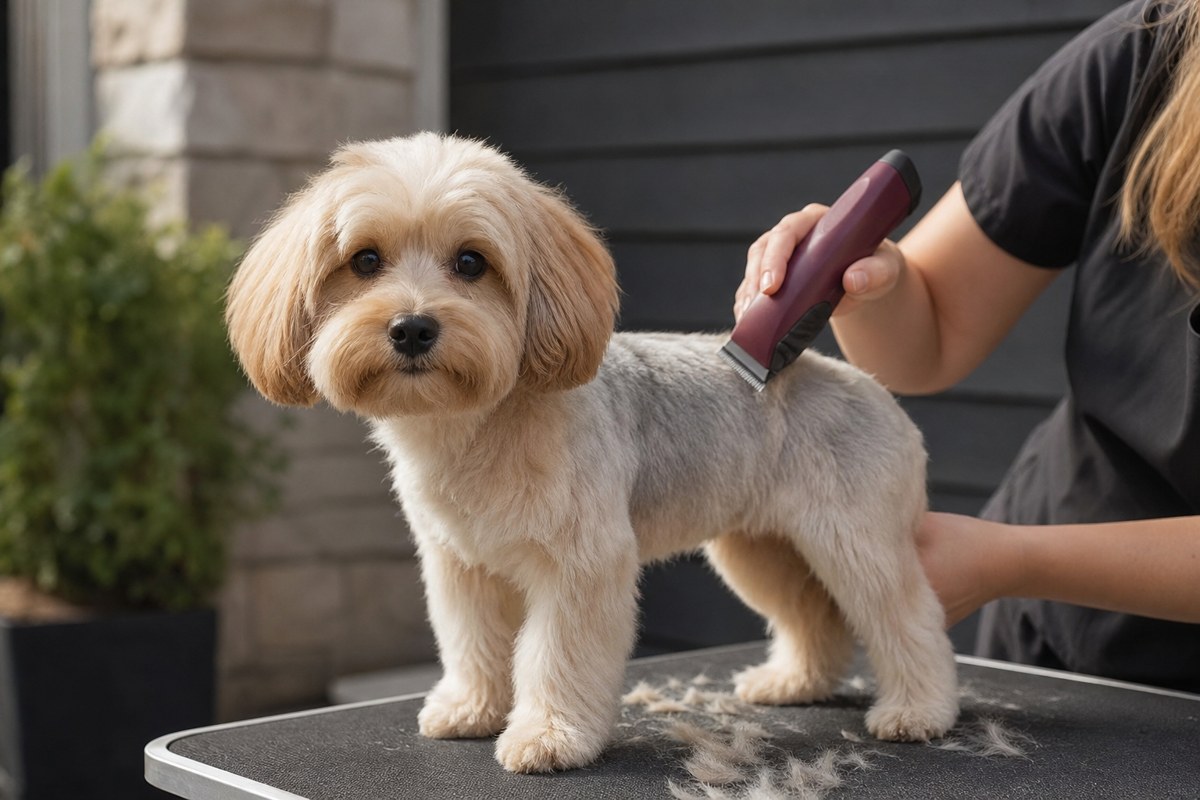
Quick answer: To groom your dog at home with clippers, use dog-specific clippers, start with a clean, fully dry, brushed-out coat, and clip in the direction of hair growth. Check blade heat often, start with a longer guard if you are new, and leave mats, very anxious dogs, and complicated grooms to a professional.
Home clipping can save money and help keep your dog comfortable between grooming appointments. It can also go wrong quickly if the coat is matted, the blade gets hot, or your dog is too stressed to stand safely.
The safest approach is simple: go slowly, use the right tools, and do not try to force a full haircut in one session. If you want broader coat care basics too, our guide to dog grooming tips is a helpful companion.
What You Need Before You Start
- Dog-specific clippers. Human clippers are not a good substitute. They are not made for many dog coats and may pull hair, clog, or overheat.
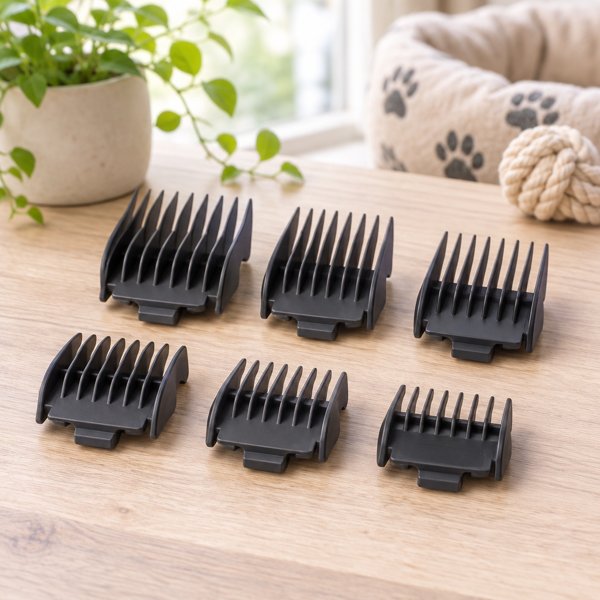
- A longer guard comb to start with. For many beginners, a guard comb set is more forgiving because you can always take more coat off later.
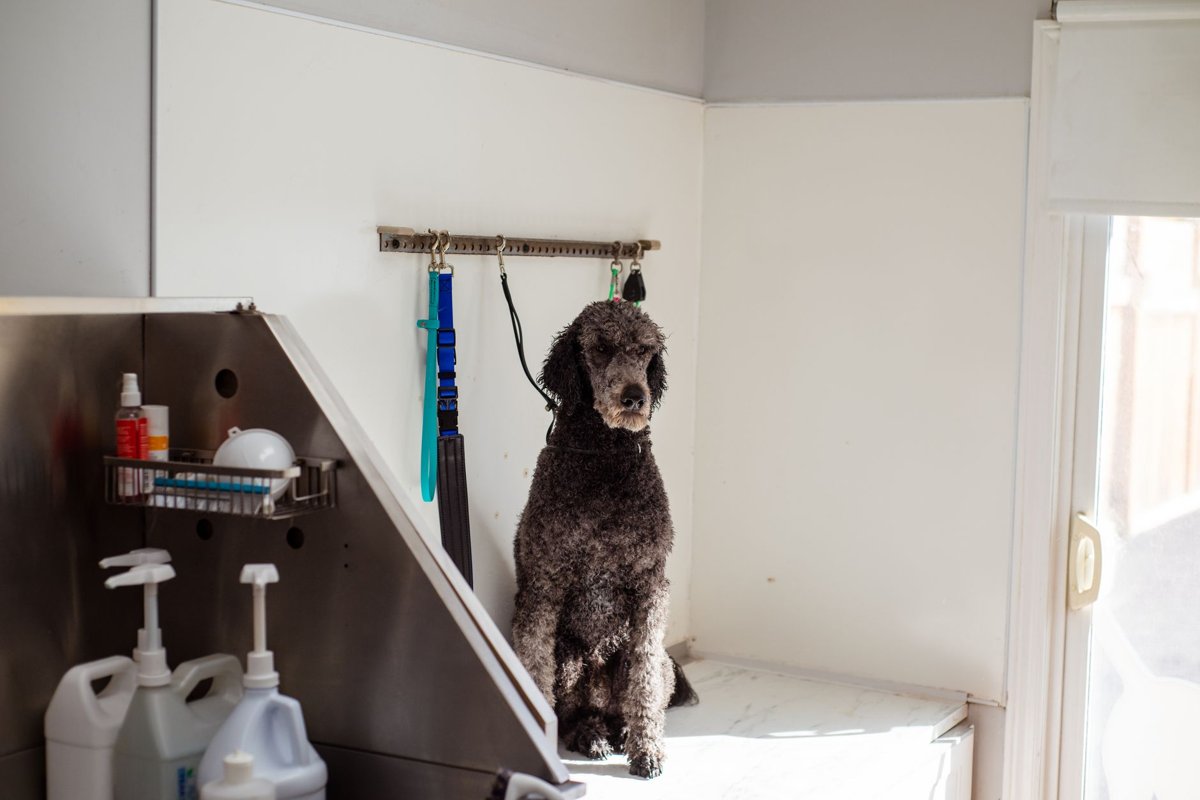
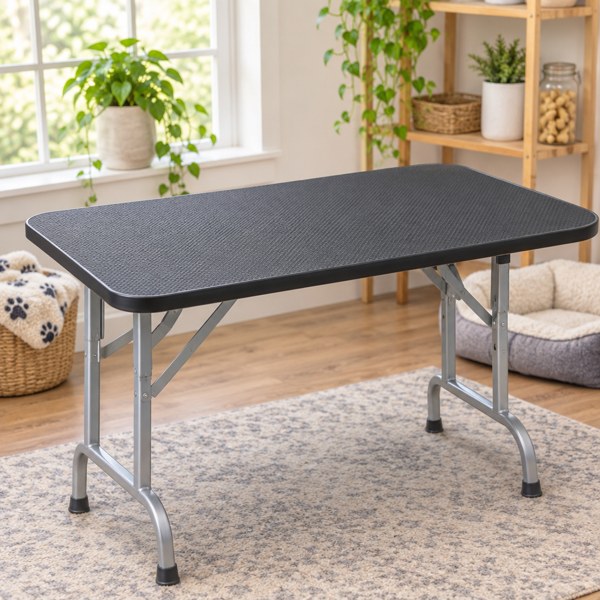
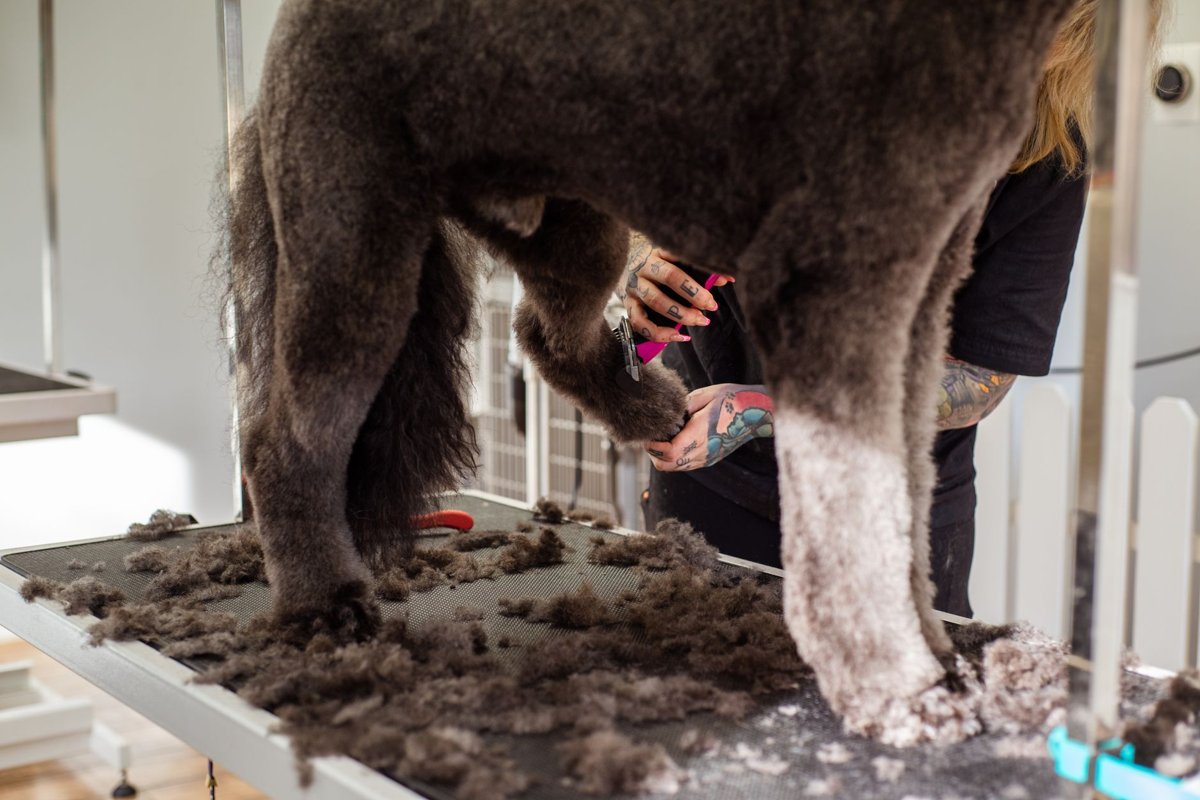
- A steady grooming surface. A non-slip grooming mat or grooming table helps your dog stand more securely and can lower the chance of slipping.
- A brush and comb that can fully remove tangles before clipping. Clippers should never be pushed through mats.
- Towels and a dryer. Clippers usually move more smoothly through a clean, fully dry coat than a damp or dirty one.
- A plan for power. Cordless clippers are easier to maneuver, while corded clippers often give more consistent power for thick coats.
- Small trimmers for paws, face, and sanitary areas if needed. These spots usually need slower, more careful work than the body.
- Treats and a calm setup. If your dog is new to grooming, short reward-based practice sessions, like the kind we talk about in dog training basics, can make handling easier.
How Blades and Guards Change the Cut
| Option | What it does | Good to know |
|---|---|---|
| Higher numbered blade, such as #10 | Leaves a very short cut | Often used for sanitary areas and paw pads, not usually the first choice for a full beginner body trim |
| Lower numbered blade, such as #4 or #5 | Leaves more coat on the body | Often used for body clips when a shorter pet trim is wanted |
| Snap-on guard comb | Leaves a longer, more forgiving trim | A good place for many beginners to start because it lowers the chance of taking off too much coat |
| Detachable blade system | Lets you switch lengths more easily | Useful if your dog needs different lengths on body, feet, and sanitary areas |
| Narrow trimmer blade | Works in small or sensitive spots | Handy around face, feet, and tail, but still needs a slow, careful touch |
Step by Step: How to Clip Your Dog Safely at Home
- Bathe your dog if needed, then dry the coat completely. Dirt, oil, and moisture can make clipping harder, less even, and less comfortable.
- Brush out every tangle before turning clippers on. If the brush catches, the clippers may catch too. Mats can pinch skin and raise the risk of cuts.
- Let your dog investigate the clippers first. Turn them on nearby, reward calm behavior, and do a short practice session before the full groom if your dog is unsure.
- Choose a longer guard or longer finish for your first try. A beginner guard comb can help you get a more even result without going too short.
- Start on the back or sides. These are usually easier areas than the face, belly, legs, or feet, and they let your dog get used to the feeling.
- Clip in the direction the hair grows. This usually gives a smoother, more natural finish and is often more comfortable for the dog.
- Use your free hand to keep the skin gently taut, especially in thin-skinned spots like the armpits, groin, and belly. Loose skin can bunch into the blade.
- Work in short passes and check the blade every few minutes. If it feels warm on your inner wrist, stop and let it cool or switch blades. A blade cooling spray can help manage heat during longer sessions.
- Leave face, paws, tail, ears, and sanitary areas for last. These spots need extra care, better lighting, and often shorter sessions.
- Take breaks often. If your dog starts wiggling, panting heavily, turning away, or trying to leave, pause and reset instead of pushing through.
- Stop while things are still going reasonably well. For some dogs, two short sessions are safer and kinder than one long one.
Top pick
Clipper guard comb sets
If you are just learning, a longer guard can make body clipping less intimidating and more even. These combs suit basic home trims where you want a softer starting point instead of a very short cut.
- More forgiving length
- Helpful for beginners
- Supports even trimming
Common Mistakes to Avoid
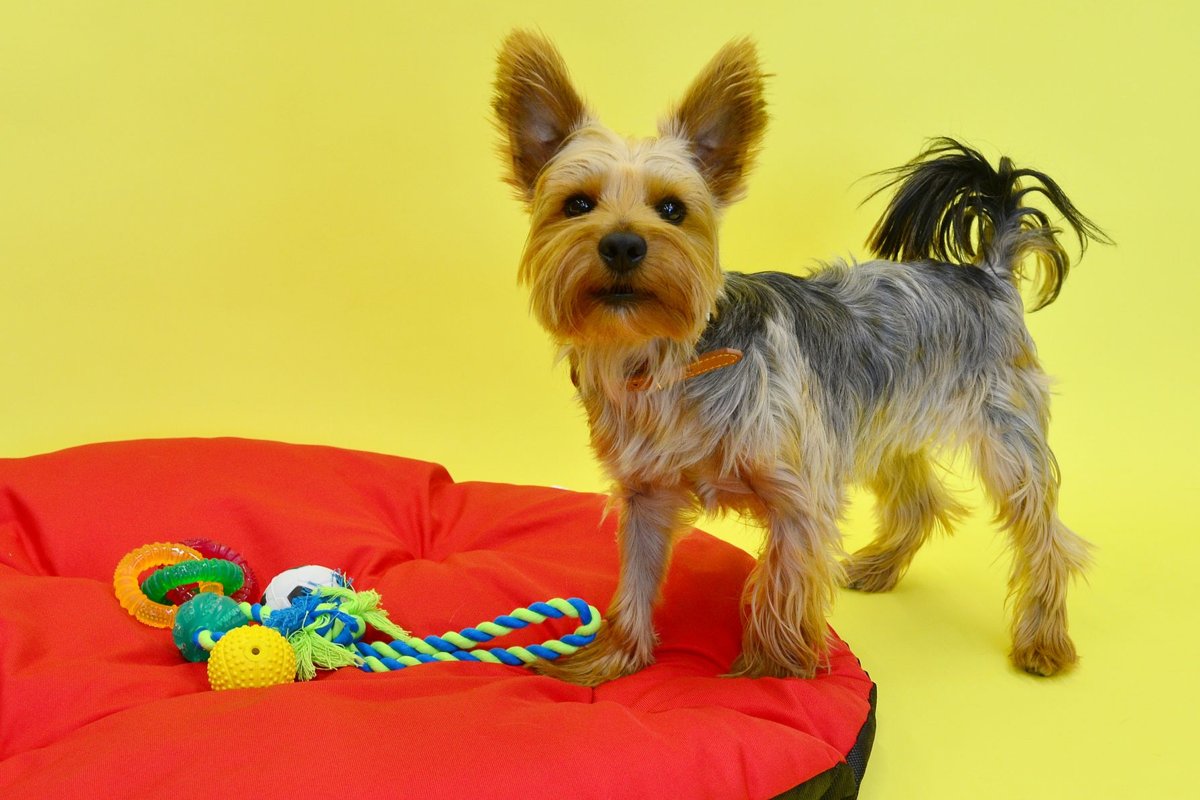
The biggest mistake is clipping over mats. Matted fur can pull tight on the skin, and dog skin is thinner and easier to nick than many people expect. If your dog has tight mats close to the skin, it is usually safest to book a professional groomer instead of trying to work under or through them at home.
Another common mistake is using blades that are too short for the job. Very short cuts can leave skin more exposed and may raise the chance of irritation, especially on sensitive areas. Starting longer is usually the safer choice for a first attempt.
Blade heat matters more than many people realize. Clippers can get hot during use, especially on dense coats or longer sessions. Hot blades may lead to clipper burn, which can look like red, irritated skin after grooming. That is one reason many owners keep a cooling spray nearby and also pause often to check the blade itself.
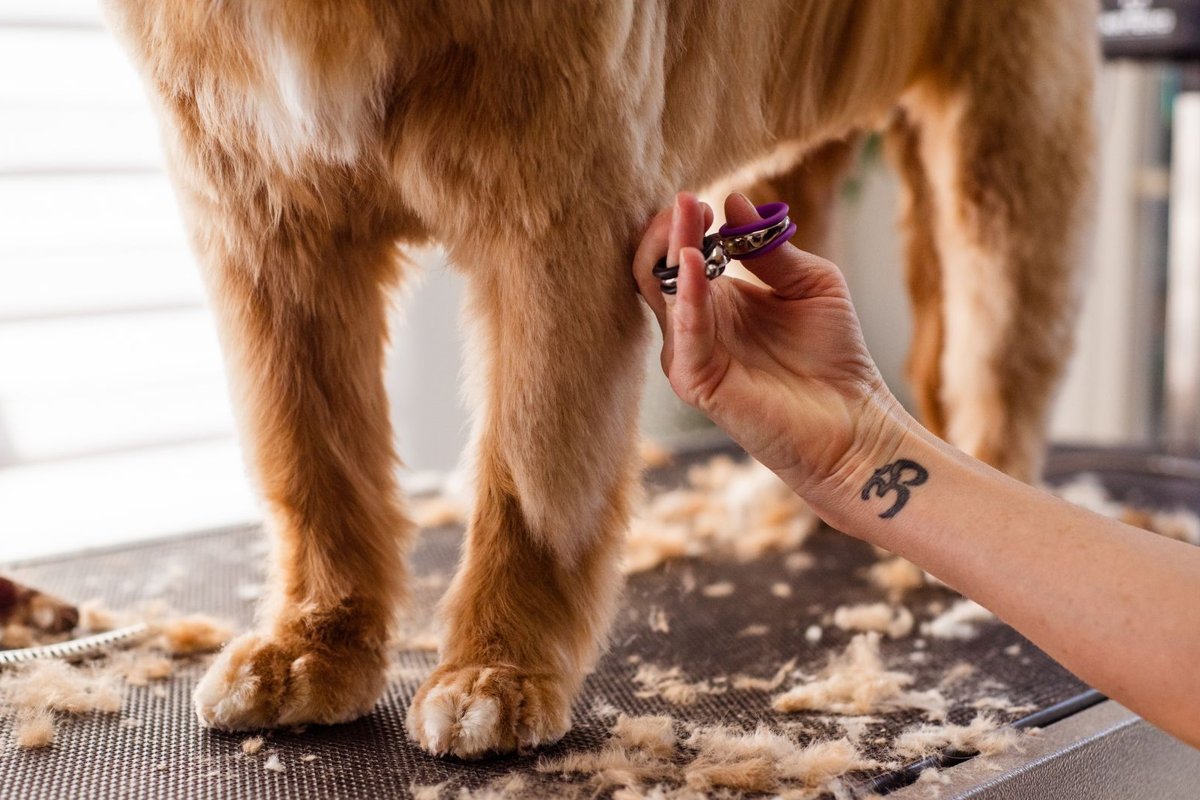
Trying to do a full breed-standard haircut at home is another place people get stuck. A simple comfort trim is often realistic. A detailed poodle face, hand-scissored finish, or show-style pattern usually takes more training and practice than most of us have at home.
It is also easy to rush when your dog is almost done. Unfortunately, the final minutes are when many slips happen, especially around paws and sanitary areas. Slow down near thin skin, folds, and bony spots.
One more thing to remember: do not shave double-coated breeds down to the skin unless your veterinarian recommends it for a medical reason. In many dogs, the coat helps with insulation and normal temperature regulation. If you are unsure what coat type your dog has, ask your groomer or vet before clipping very short.
Aftercare and Basic Maintenance Between Full Grooms
- Brush away loose clipped hair so it does not sit against the skin and cause itchiness after the session.
- Look over the whole body in good light. Check armpits, belly, groin, paw pads, and behind the ears for missed tangles, tiny nicks, or redness.
- Keep your dog indoors for a while after grooming if the coat is much shorter than usual, especially in very hot, cold, or sunny weather.
- Do not use human creams, pain relievers, or skin products unless your veterinarian tells you to. Many human medications and topical products are not safe for dogs.
- Clean your cordless clippers, remove trapped hair, and oil blades as directed by the maker. Clean, sharp equipment usually cuts more smoothly next time.
- Offer water, rest, and a calm reward after the session. Short, positive endings can make future grooming easier.
- Simple touch-ups between full grooms can help a lot. Many owners tidy paws, sanitary areas, and small feathering sections at home, then leave the full haircut to a groomer every so often.
- Regular coat care also helps you notice changes under the fur sooner, such as dandruff, bumps, ear debris, or paw licking. If your dog is chewing or licking the feet often, our guide to dogs chewing their feet explains why that is not always just a grooming issue.
Good to have
Grooming tables or non-slip mats
A steadier surface can make a big difference when your dog shifts weight or slides during clipping. This kind of setup suits owners who want better control during touch-ups and full coat maintenance.
- Better footing
- Helps steady stance
- Supports safer handling
When a Professional Groomer Is the Better Choice
Professional help is often the safest answer for heavily matted coats, dogs that panic with handling, or coats that need a more skilled finish. Groomers are also helpful when you are not sure what blade length suits your dog’s coat or how short is too short.
Many owners do simple maintenance trims at home and still schedule a groomer every month or two for a reset. That mix can work well if your dog tolerates home touch-ups but not a full haircut, or if you only want to keep the coat manageable between appointments.
A groomer is usually a better choice for first-time puppy grooms, thick doodle-type coats, and dogs with a lot of feathering on the legs, feet, and tail. Those areas mat easily and are easy to trim unevenly.
If your dog is older or has trouble standing, ask your vet whether home grooming is still a good idea. Some senior dogs need shorter sessions, better traction, or medical guidance first. A secure setup, such as a grooming mat, may help with footing, but comfort and safety come first.
If grooming stress is the main barrier, work on calm handling in tiny steps between haircuts rather than only bringing the clippers out on grooming day. A few seconds of touching paws, lifting ears, and rewarding calm can make later clipping easier.
When to Call the Vet
- Your dog gets cut, the skin is bleeding, or a nail or dewclaw is injured during grooming.
- You notice red, painful-looking skin, swelling, oozing, or a bad odor after clipping.
- Your dog yelps when touched, will not let you near one area, or seems painful during or after grooming.
- There are skin lumps, sores, scabs, parasites, ear problems, or anything under the coat that you did not expect.
- Your dog becomes weak, collapses, has trouble breathing, or seems severely distressed. That needs prompt veterinary care.
- Your dog is licking or chewing one area a lot before or after grooming. That can point to itch, pain, infection, allergies, or another medical issue, so do not assume it is only a grooming problem.
- The coat is so matted that you cannot get a comb to the skin. Very tight mats can hide skin injury and usually need careful removal by a professional groomer, and sometimes a veterinary team if the skin is unhealthy or the dog cannot be handled safely.
Helpful Products
Also great
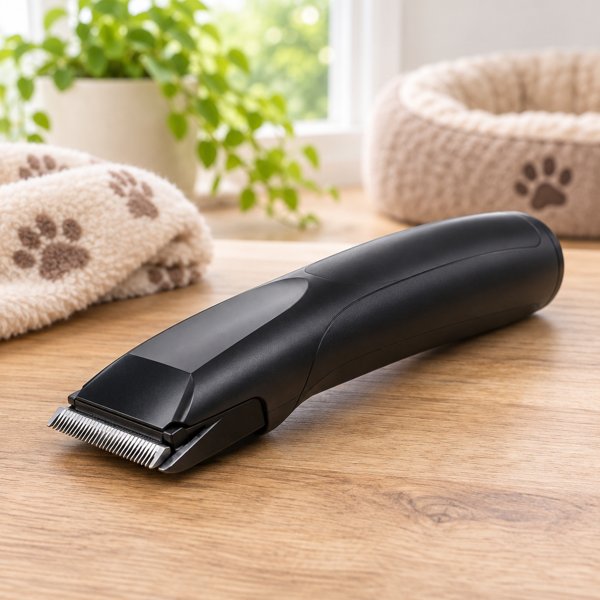
Cordless dog clippers
These cordless dog clippers suit pet owners who want a simpler way to handle basic home trims. The easy-to-move design can help you work more steadily around the body and pause more easily when your dog needs a break.
- Easy to maneuver
- Good for touch-ups
- Less cord tangling
Clipper guard comb sets
Clipper guard comb sets suit beginners who want more room for mistakes while grooming at home. They help guide the clippers for safer, more even trimming when you are learning the basics.
Grooming tables or non-slip mats
Keeps your dog steady and safe.
Blade cooling spray
Helps prevent clipper burn.
How To Groom Your Dog At Home With Clippers FAQ
Can I use human clippers on my dog?
Usually no. Dog-specific clippers are made for animal coats and are generally better suited for thicker fur, longer grooming sessions, and safer handling. Human clippers may pull, clog, or run too hot.
What blade should I use when grooming my dog at home?
Many beginners start with a longer guard comb because it is more forgiving. The best length depends on your dog’s coat type, the condition of the coat, and the look you want, so your groomer or veterinarian can help guide you if you are unsure.
How do I avoid clipper burn on my dog?
Check blade temperature often, use clean sharp blades, and avoid pressing hard or staying in one area too long. A cooling spray for blades can help with heat management, but stopping to let equipment cool is still important.
Should I shave my dog in the summer?
Not always. Many double-coated dogs should not be shaved down to the skin unless a veterinarian recommends it for a medical reason. For hot weather comfort, talk with your groomer about a tidy trim instead of a very short shave.
The Bottom Line
Clipping your dog at home can work well if you use dog-specific tools, prep the coat carefully, start longer, and stop before your dog gets overwhelmed. For mats, stressed dogs, skin problems, or advanced haircuts, the safest choice is usually a professional groomer, and sometimes your vet.
Keep reading: