
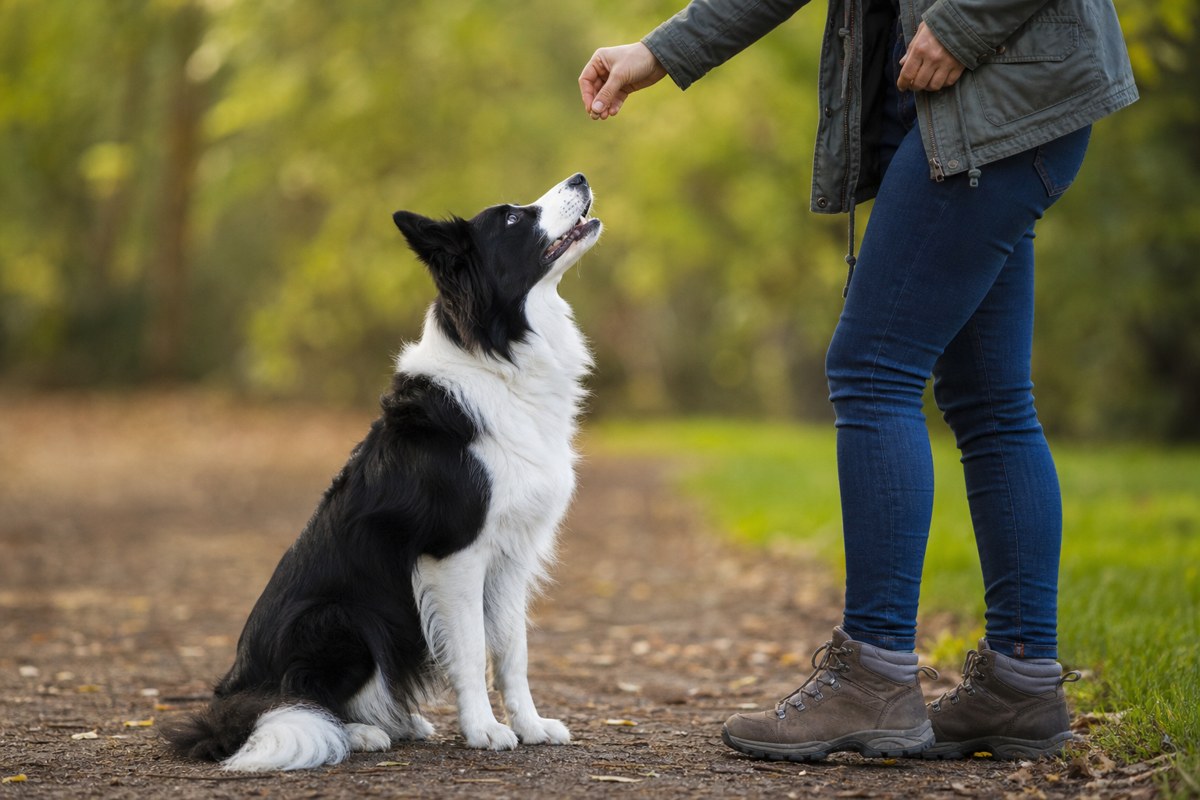
Quick answer: Most trainers and veterinary behavior groups recommend reward-based training: mark and reward the behavior you want with treats, praise or play. Keep sessions short and fun, be consistent, and start with sit, come, leave it, stay and loose-leash walking.
Training isn’t just about obedience. It’s how you and your dog learn to understand each other. A trained dog is safer, calmer and gets more freedom.
The good news is that modern, reward-based training is effective and enjoyable for both of you. Here’s how to get started.
Why Reward-Based Training Works
Dogs repeat behaviors that get rewarded. When you reward a sit, you’ll get more sits. Research and major veterinary behavior organizations, including the American Veterinary Society of Animal Behavior, support reward-based methods and caution against punishment-based tools, which can increase fear and aggression.
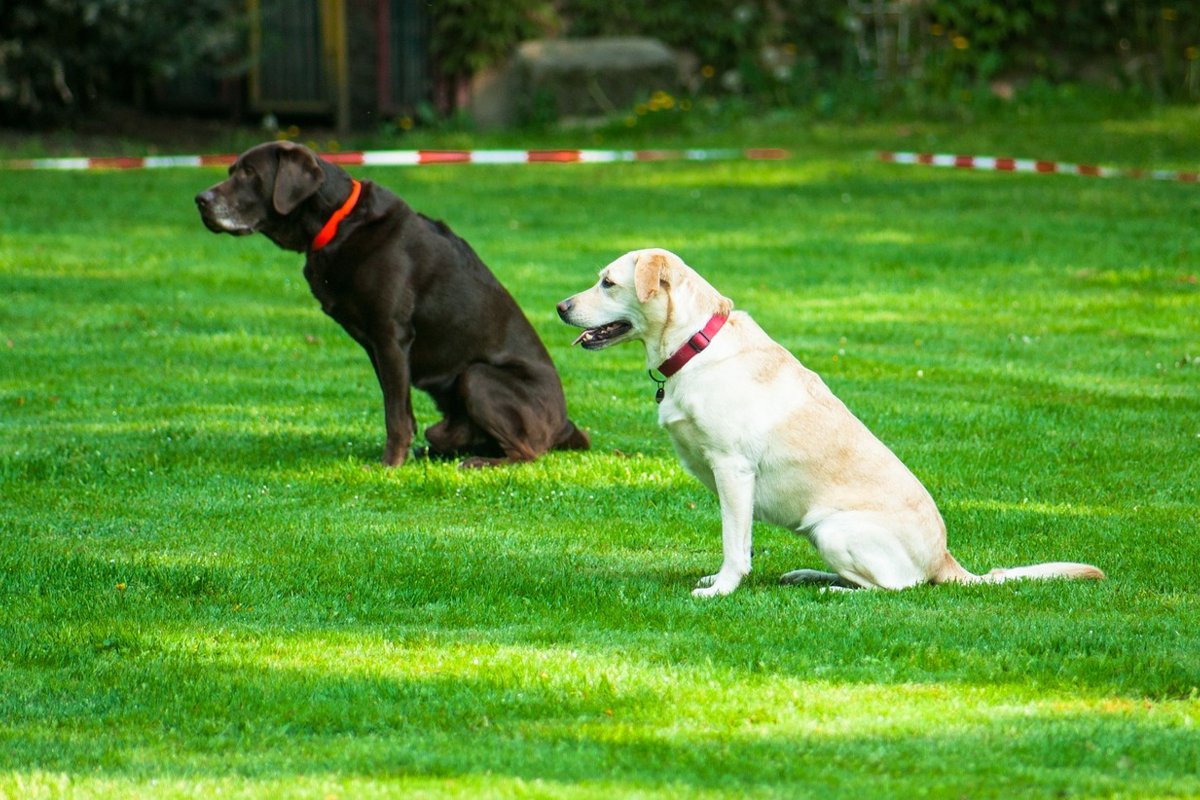
The Basics of Good Training
- Timing. Reward within a second or two, or use a marker word like ‘yes’ or a clicker to mark the exact moment.
- High-value rewards. Small, soft, tasty treats work best, especially in distracting places.
- Short sessions. 5 to 10 minutes, a few times a day.
- Consistency. Everyone in the house uses the same words and rules.
- End on a win so training stays fun.
5 Essential Cues
- Sit. Hold a treat at your dog’s nose and move it up and back. When their rear touches the floor, mark and reward.
- Come. Start indoors. Say your dog’s name and ‘come’ in a happy voice, reward generously when they arrive. Never call your dog to punish them.
- Leave it. Hold a treat in a closed fist. When your dog stops sniffing and pulls back, mark and reward from your other hand.
- Stay. Ask for a sit, take one step back, return and reward. Slowly add distance and time.
- Loose-leash walking. Reward your dog for being at your side. If they pull, stop and wait until the leash loosens, then continue.
Common Training Mistakes
| Mistake | Better approach |
|---|---|
| Repeating cues over and over | Say it once, then help your dog succeed |
| Sessions that are too long | Keep them short and upbeat |
| Rewarding too late | Use a marker word for perfect timing |
| Punishing mistakes | Manage the environment and reward the right choice |
| Only training at home | Practice in new places gradually |
When to Get Help
A group class is a great way to learn and socialize. For issues like aggression, severe fear or separation anxiety, work with a certified trainer, a veterinary behaviorist, or your vet. Sudden behavior changes can have medical causes like pain, so a vet visit is a smart first step.
Old Dogs Can Learn Too
It’s never too late to train. Senior dogs enjoy gentle mental exercise, and training keeps their brains sharp. Our senior Yorkie learned four or five tricks over the years. For deaf dogs, hand signals work beautifully in place of spoken cues.
Helpful Products
- Dog training clickers: Marks the exact moment your dog gets it right.
- Treat pouches: Keeps rewards handy during walks and sessions.
- Soft training treats: Small, quick-to-eat rewards.
Frequently Asked Questions
How long does it take to train a dog?
Basic cues can start working in days, but reliable behavior in all situations takes weeks to months of practice.
At what age should I start training my puppy?
As soon as they come home. Short, fun sessions work even for young puppies.
Do I need to use treats forever?
No. Once a behavior is solid, you can reward less often and mix in praise and play.
Is crate training good for dogs?
When done positively, a crate can be a safe, comfortable den and helps with house training.
The Bottom Line
Effective dog training is simple: reward what you want, keep sessions short and fun, and be consistent. Start with the essentials, practice in new places, and get help for bigger behavior issues. Your dog will love learning with you.
Keep reading:
- Dog Leash Training: How to Teach Loose-Leash Walking
- How to Choose the Right Dog Crate and Crate Train Kindly
- Life With a Senior Yorkie: What 14-Year-Old Gracie Has Taught Us
- Essential Dog Care Tips Every Owner Should Know
As an Amazon Associate, we earn from qualifying purchases. This post contains affiliate links.