
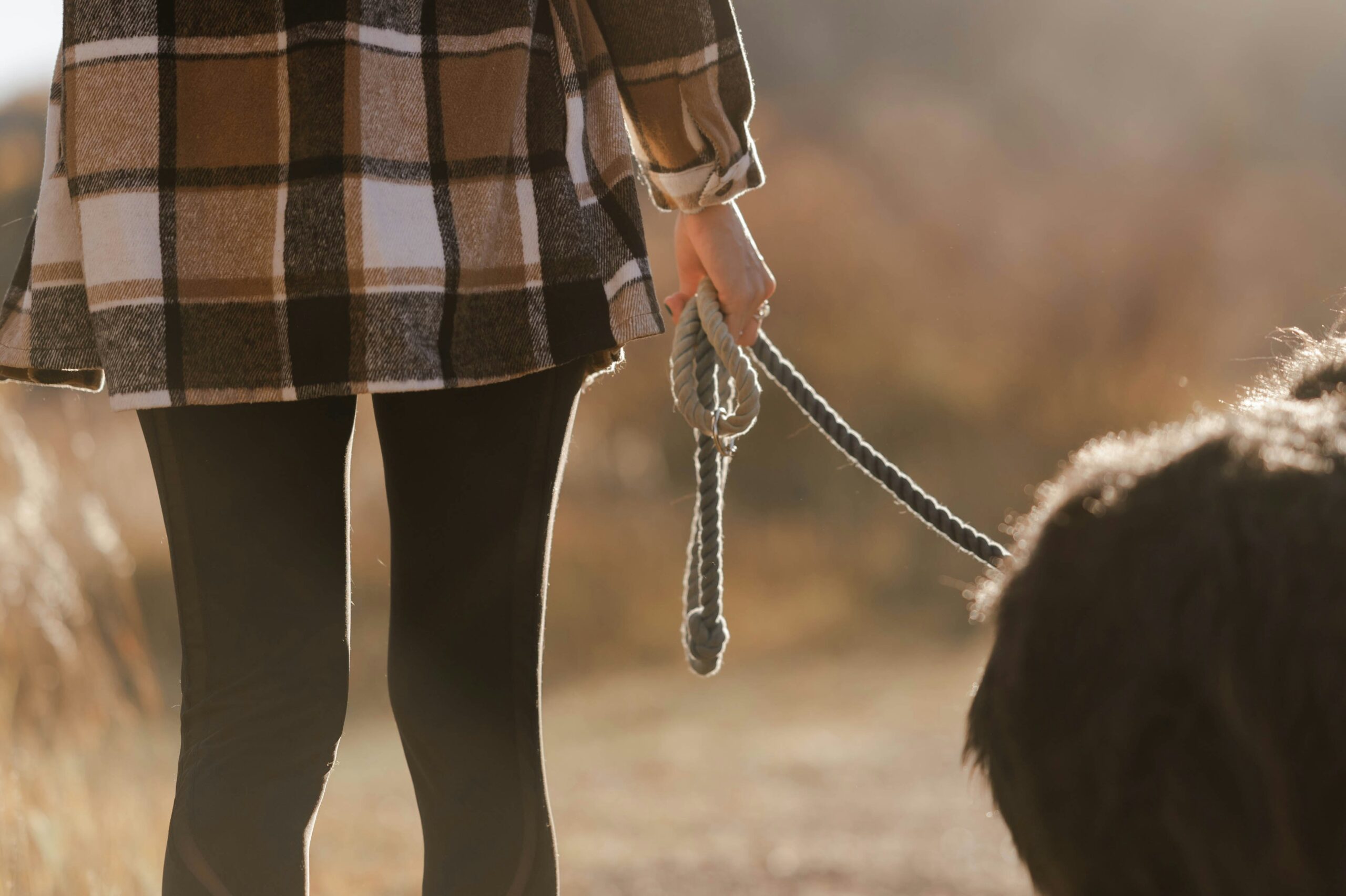
We’ve all been there: the heart-sinking lunge at a squirrel, the sudden, bone-jarring pull when another dog appears, or the embarrassing tangle of leashes when we’re just trying to enjoy a walk. As dog owners, we dream of those idyllic strolls – our canine companions trotting politely by our side, a picture of synchronized grace. But the reality can often be a far cry from this vision. That’s where we, as dedicated dog parents, step in. We understand that mastering the art of walking isn’t just about controlling our dogs; it’s about building a stronger bond, fostering trust, and ensuring their safety and happiness, as well as our own. In this comprehensive guide, we’ll delve into the nuances of dog leash training, offering actionable strategies and insight to transform those chaotic walks into cherished, harmonious experiences.
Before we even touch a leash, we need to understand the fundamental reasons why proper leash manners are so crucial for both us and our furry friends. It’s more than just aesthetics; it’s about well-being.
Safety First: A Paramount Concern
Our dogs are part of our family, and their safety is our number one priority. A dog that pulls uncontrollably or reacts aggressively on a leash is a danger to themselves, to us, and to others.
- Preventing Accidents: A strong pull can cause us to lose our grip, leading to our dog bolting into traffic or unknown dangers.
- Avoiding Injury: Constant pulling can strain our dog’s neck and trachea, especially if they’re wearing a standard collar. For us, repeated jerking can lead to shoulder or back injuries.
- Minimizing Runaways: A well-trained dog on a leash is less likely to slip out of their collar or harness and become lost.
- Respecting Others: We have a responsibility to ensure our dogs don’t jump on, scare, or injure other people or animals we encounter.
Enhancing the Bond: A Foundation of Trust
Leash training isn’t just about obedience; it’s a powerful tool for strengthening the relationship we share with our dogs. When we walk together harmoniously, it fosters a deeper connection.
- Clear Communication: Consistent training helps us establish clear communication signals, allowing our dogs to understand our expectations.
- Mutual Respect: When our dogs learn to trust our lead, and we trust their ability to listen, a respectful partnership blossoms.
- Shared Experiences: A pleasant walk becomes a shared adventure, a time for bonding and exploration, rather than a battle of wills.
Promoting Mental and Physical Well-being
Regular walks are essential for our dog’s overall health. When walking is a joyful experience, it maximizes these benefits.
- Stress Reduction: For both of us, a calm, controlled walk can be a wonderful stress reliever.
- Physical Exercise: Proper leash training allows for more consistent and effective exercise, which is vital for maintaining a healthy weight and strong muscles.
- Mental Stimulation: Exploring new sights, sounds, and smells on a leash-controlled walk provides crucial mental enrichment, preventing boredom and destructive behaviors.
When considering the various aspects of dog care, understanding your pet’s behavior can be just as important as choosing the right equipment, such as a dog leash. For instance, many dog owners may notice their pets licking their feet frequently, which can be a sign of anxiety or discomfort. To learn more about this behavior and its potential causes, you can read a related article that delves into the reasons behind why dogs lick their feet. Check it out here: Why Do Dogs Lick Their Feet?.
Essential Equipment: Setting Ourselves Up for Success
Just as a carpenter needs the right tools, we need the appropriate equipment to effectively train our dogs. The wrong gear can hinder progress or even cause harm.
The Right Leash: Our Primary Connection
While various leashes are available, not all are created equal for training purposes. We generally recommend staying away from retractable leashes during initial training.
- Standard Leash (6-foot): This is our go-to for most training scenarios. It offers enough length for our dog to explore safely while maintaining control. Look for durable nylon or leather.
- Training Leashes (Longer options): For practicing recall in a safe, open area, a 15-30 foot training leash can be invaluable, but not for everyday walks in crowded areas.
Harness vs. Collar: A Crucial Choice
This is often one of the biggest debates among dog owners. While a standard flat collar is okay for identification tags, we usually recommend a harness for walking and training, especially for dogs prone to pulling.
- Front-Clip Harnesses: These are our preferred recommendation for
most pulling-prone dogs. When our dog pulls while wearing a front-clip harness, the leash attachment point is on their chest. This gentle pressure redirects their body back towards us, making it uncomfortable to pull forward. It’s a humane, effective, and non-aversive way to discourage pulling.
- Back-Clip Harnesses: While comfortable, these can sometimes exacerbate pulling for strong dogs because the pressure across their chest can engage their opposition reflex, prompting them to pull more. They are excellent for dogs who already walk well or for smaller, less-pulling breeds.
- Head Halters (e.g., Halti, Gentle Leader): These can be very effective for strong pullers or dogs with reactivity, as they offer excellent control over the dog’s head, and thus their body. However, they require careful introduction and positive association, as some dogs initially dislike them. We must never yank or jerk the leash with a head halter, as this can cause injury.
- Flat Collars: Best for ID tags. While some trainers use them with very specific techniques for highly trained dogs, we generally advise against walking a pulling dog on a flat collar due to the risk of trachea damage.
- Aversive Collars (Choke Chains, Prong Collars, Electronic Collars): We strongly discourage the use of these tools. While they can provide immediate cessation of pulling through pain or discomfort, they can lead to fear, anxiety, aggression, and damage the bond we share with our dogs. Our philosophy is rooted in positive reinforcement and building trust, not fear.
High-Value Treats: Our Secret Weapon
Positive reinforcement is the cornerstone of our training methods. High-value treats are our primary motivator.
- What Constitutes “High-Value”: This varies by dog, but generally means soft, smelly, small, and easily digestible treats that our dog absolutely loves. Think small pieces of cooked chicken, cheese, hot dogs, or commercial training treats.
- Why They’re Essential: Treats act as immediate rewards, reinforcing desired behaviors. They help our dogs associate good walking manners with positive outcomes.
- Portability: We need a readily accessible treat pouch to ensure we can reward instantly.
The Foundations of Loose-Leash Walking: Our Step-by-Step Approach

Now that we understand the “why” and have the right equipment, let’s dive into the practical application. This isn’t a quick fix; it’s a journey that requires patience, consistency, and a positive attitude.
Step 1: Mastering the “Watch Me” Command
Before we even step outside, we need our dog’s attention. The “watch me” command is invaluable for redirecting focus away from distractions.
- Indoor Practice: Hold a treat near our eyes, say “watch me,” and as soon as our dog makes eye contact, immediately say “yes!” or click a clicker, and give the treat.
- Gradual Distractions: Once mastered indoors, gradually introduce mild distractions (e.g., someone walking by, a squeaky toy in the distance) to solidify the command.
Step 2: Introducing the Leash and Harness Positively
Many dogs have negative associations with leashes and harnesses due to past force or discomfort. We need to create positive feelings.
- Happy Harness Association: For harnesses, leave it near our dog, let them sniff it. Place it on them for brief periods, immediately followed by treats, praise, and a short, fun activity (even if it’s just playing in the house). Gradually increase the duration.
- Leash Excitement: Attach the leash indoors. Let them drag it around supervised. Then, once attached, immediately offer treats and play. We want them to see the leash as the start of something good.
Step 3: Indoor Practice: The Building Blocks
Our living room or hallway is the perfect, low-distraction environment to begin.
- Luring and Rewarding: Hold a treat at our dog’s nose level to lure them into the desired “heel” position (by our side). Take a step. If they stay by our side, mark with “yes!” or a click, and reward.
- Short Bursts: Start with just one or two steps. Gradually increase the number of steps as our dog succeeds.
- Change Direction: To keep our dog engaged and prevent them from anticipating movements, occasionally change directions. When they follow, reward.
- The “Stop” Cue: Practice stopping. When we stop, if our dog stops by our side (or immediately comes to our side), reward them.
Step 4: Mastering the Outdoor Environment: Gradual Progression
This is where the real work begins, but we must remember to gradually increase difficulty.
- Low-Distraction Areas First: Start in quiet areas like our backyard or a secluded park during off-peak hours.
- The “Tree Game”: This game is excellent for reactive or easily distracted dogs. We walk, and the moment our dog pulls, we immediately stop and become a “tree.” We don’t move until the leash goes slack. The second it slackens, we mark and reward, then resume walking. Our dog quickly learns that pulling stops the fun, and a loose leash keeps the walk going.
- Rewarding Consistently: We need to become a perpetual treat dispenser initially. Every few steps our dog walks nicely by our side, “yes!” and treat. This builds strong positive associations.
- “Check-in” Rewards: Reward our dog whenever they voluntarily look at us. This teaches them to check in with us regularly.
- Managing Distractions: When a distraction appears (another dog, a person, a squirrel), immediately use our “watch me” command. If our dog focuses on us, jackpot them with multiple high-value treats. If they become over-aroused, turn and walk in the opposite direction to create distance, then reward when they calm down.
Common Challenges and Troubleshooting: We’re Not Alone!

Every dog is unique, and we’ll undoubtedly encounter hurdles. Here’s how we can address some of the most common issues.
The Persistent Puller: Our Go-To Strategies
This is the most frequent complaint we hear. It requires patience and consistent application of our chosen methods.
- Front-Clip Harness: Reiterate that this is our number one tool for pulling. It makes pulling physically uncomfortable without causing pain.
- The “Tree Game” (Stop and Go): This remains our most effective real-world deterrent. Be prepared to stop often initially.
- Changing Direction: When our dog starts to forge ahead, abruptly change direction (walking the opposite way or making a sharp turn). This forces them to pay attention to us and regain their balance, making it harder to pull. When they follow slack-leashed, reward generously.
- “1, 2, 3, Let’s Go”: Some trainers use a verbal cue like this, combined with a gentle tug and reward, to encourage our dog to move with us rather than leading.
Reactivity on Leash: Addressing Over-Arousal
When our dog barks, lunges, or growls at other dogs, people, or objects on leash, it can be stressful for everyone. This is often rooted in fear, frustration, or over-arousal.
- Understanding the Threshold: We need to identify our dog’s “threshold” – the distance at which they can observe a trigger without reacting. We must stay below this threshold during training.
- Desensitization and Counter-Conditioning: We expose our dog to the trigger at a distance where they are comfortable and immediately pair it with high-value treats. The goal is to change their emotional response from negative to positive.
- Emergency U-Turn: If a trigger appears unexpectedly and our dog is about to go over their threshold, an immediate, sharp U-turn and walking in the opposite direction can help create distance and prevent a full-blown reaction. Reward them for disengaging and walking with us.
- “Find It” Game: When a trigger is in the distance, we can scatter treats on the ground for our dog to sniff out. This engages their nose, distracts them, and keeps their head down, making it harder to focus on the trigger.
Leash Biting/Nipping: Redirecting Oral Exploration
Puppies, especially, might try to bite or chew on the leash.
- Puppy Management: Ensure our puppy has plenty of appropriate chew toys at home.
- Immediate Redirection: When our puppy mouths the leash, immediately interrupt them with a firm “no,” redirect them to an appropriate chew toy, and reward heavily when they chew the toy.
- A Taste Deterrent: For persistent biters (both puppies and adult dogs), a bitter apple spray or similar taste deterrent applied to the leash can make it undesirable to chew.
When considering the best accessories for your furry friend, a reliable dog leash is essential for safe and enjoyable walks. A well-chosen leash not only provides control but also enhances the bond between you and your pet. If you’re also looking to improve your dog’s comfort at home, you might find this article on the best beds for large dogs particularly helpful. Check it out here to discover options that will keep your canine companion cozy and happy.
Our Long-Term Leash Walking Goals: Beyond the Basics
| Leash Type | Material | Length | Color |
|---|---|---|---|
| Standard Leash | Nylon | 6 feet | Black |
| Retractable Leash | Plastic | 10 feet | Red |
| Hands-Free Leash | Neoprene | 4 feet | Blue |
Leash training isn’t just about preventing pulling; it’s about developing a harmonious partnership for life.
Practicing in Diverse Environments: Expanding Our Horizons
Once our dog performs well in quiet areas, we gradually expose them to more stimulating environments.
- Busy Parks: Start at the edges, observe, and reward calm behavior.
- Urban Environments: Introduce them to city sounds, crowds, and traffic in short, positive sessions.
- Different Surfaces: Pavement, grass, gravel – each presents new sensory experiences.
The Reliability of Recall: An Off-Leash Safety Net
While this guide focuses on leash walking, a robust recall (“come!”) is incredibly important.
- Practice with a Long Line: Use a long leash (15-30 feet) in a safe, enclosed area to practice recall, rewarding heavily when our dog returns.
- Consistent Reinforcement: Always make coming to us a super positive experience, even if they were distracted for a moment.
Enjoying the Adventure: The Ultimate Reward
Ultimately, our goal is to enjoy stress-free, enriching walks with our beloved companions.
- Sniff Breaks: Don’t forget that walks are also for our dogs! Allow structured sniff breaks – giving them time to explore and engage their powerful sense of smell, which provides mental enrichment.
- Continual Learning: Every walk is an opportunity to learn more about our dog and refine our communication. Be observant, be patient, and celebrate small victories.
Conclusion: A Journey, Not a Destination
Mastering the art of walking with our dogs is a continuous journey, not a destination. There will be good days and challenging days. We must remember to approach training with patience, empathy, and consistency. By understanding the “why” behind good manners, equipping ourselves with the right tools, and applying positive reinforcement techniques, we can transform potentially stressful leash walks into joyful, bonding experiences. We are our dogs’ guides in this human world, and by teaching them good leash manners, we empower them to safely and confidently explore it by our side, forging an unbreakable bond one harmonious step at a time. Let’s embrace the process, celebrate every small success, and look forward to countless happy adventures with our perfectly leashed companions.