
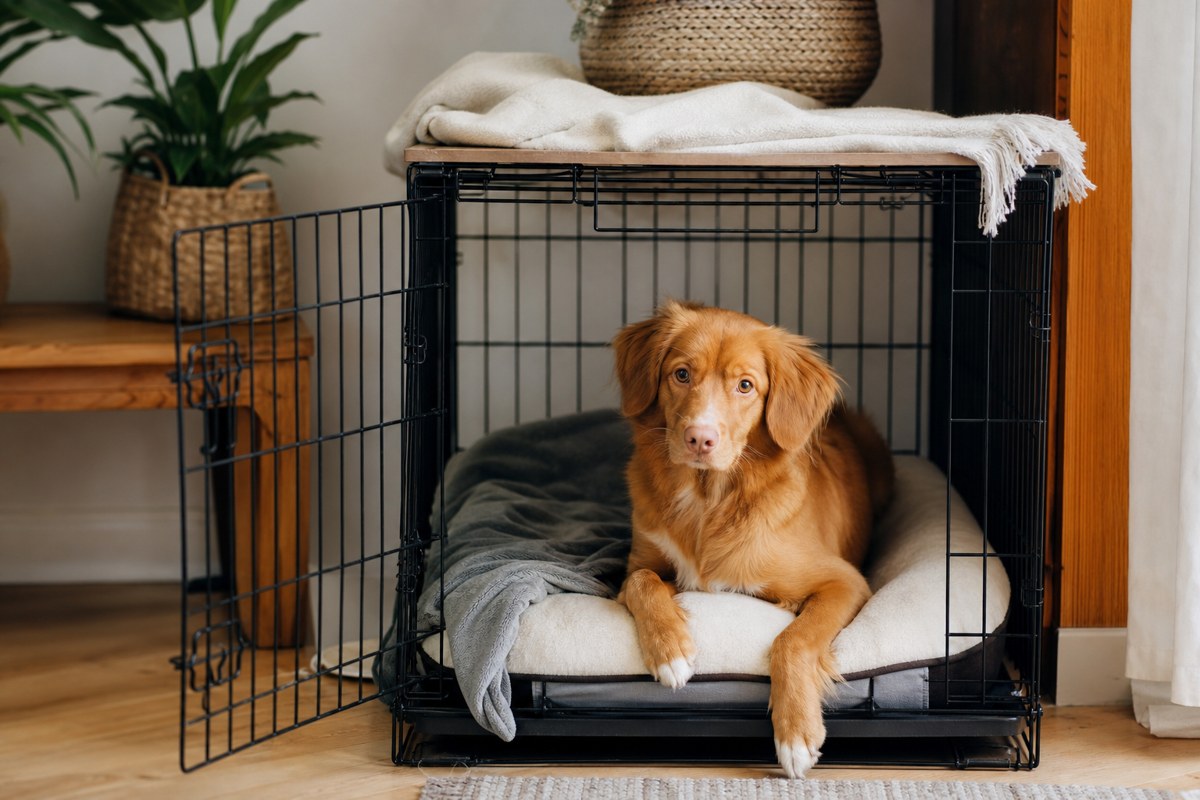
Quick answer: Pick a crate your dog can stand, turn around and lie down in comfortably, choosing the type that fits your needs: wire for airflow and visibility, plastic for travel and a den feel, soft-sided for calm small dogs, or furniture-style for living spaces. Then crate train gradually and positively so the crate feels like a safe den, never a punishment.
A crate can be one of the most useful tools for a dog owner. It helps with house training, keeps puppies safe when you can’t watch them, makes travel easier and gives dogs a quiet place to rest.
But a crate only works if it’s the right size and your dog likes being in it. Here’s how to choose one and train kindly.
Types of Dog Crates
| Type | Pros | Cons |
|---|---|---|
| Wire | Good airflow, folds flat, often has a divider for growing puppies | Less den-like (cover helps), can rattle |
| Plastic | Cozy, den-like, often airline-compatible | Less airflow and visibility, bulkier |
| Soft-sided | Lightweight, portable | Not for chewers or escape artists |
| Heavy-duty | For strong dogs and escape artists | Heavy and expensive |
| Furniture-style | Blends into your home | Not for chewers, usually pricier |
How to Size a Crate
Measure your dog from nose to base of tail and add a few inches for length, and from floor to top of head (or ears, if they stand up) while sitting for height. Your dog should be able to stand, turn and lie down comfortably.
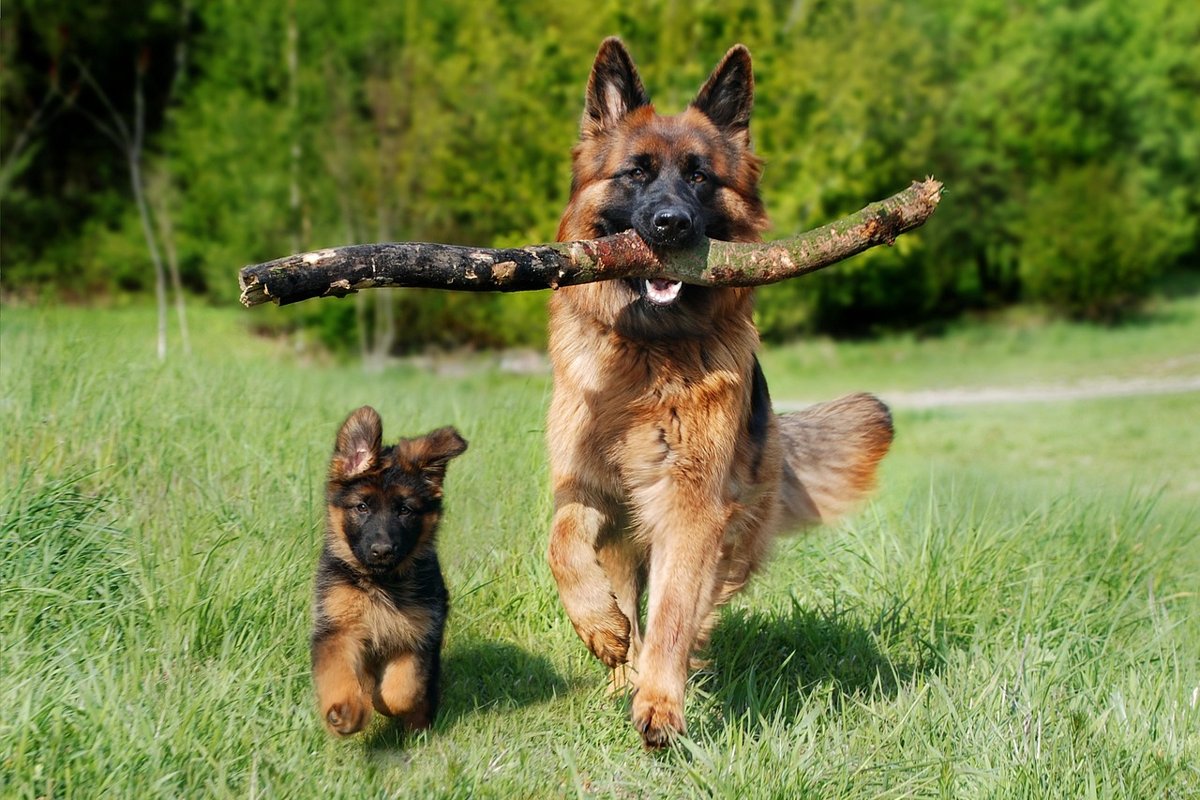
For puppies, buy a crate for their adult size and use a divider. Too much space can encourage potty accidents in one corner.
Crate Training Step by Step
- Set up the crate in a room where the family spends time, with a soft bed or blanket.
- Leave the door open and toss treats inside. Let your dog explore on their own.
- Feed meals in or near the crate.
- Close the door briefly while your dog eats, then open it before they finish.
- Gradually increase time with the door closed while you’re nearby.
- Practice short absences, then longer ones.
- Give a long-lasting chew or stuffed toy for crate time.
Crate Rules
- Never use the crate as punishment.
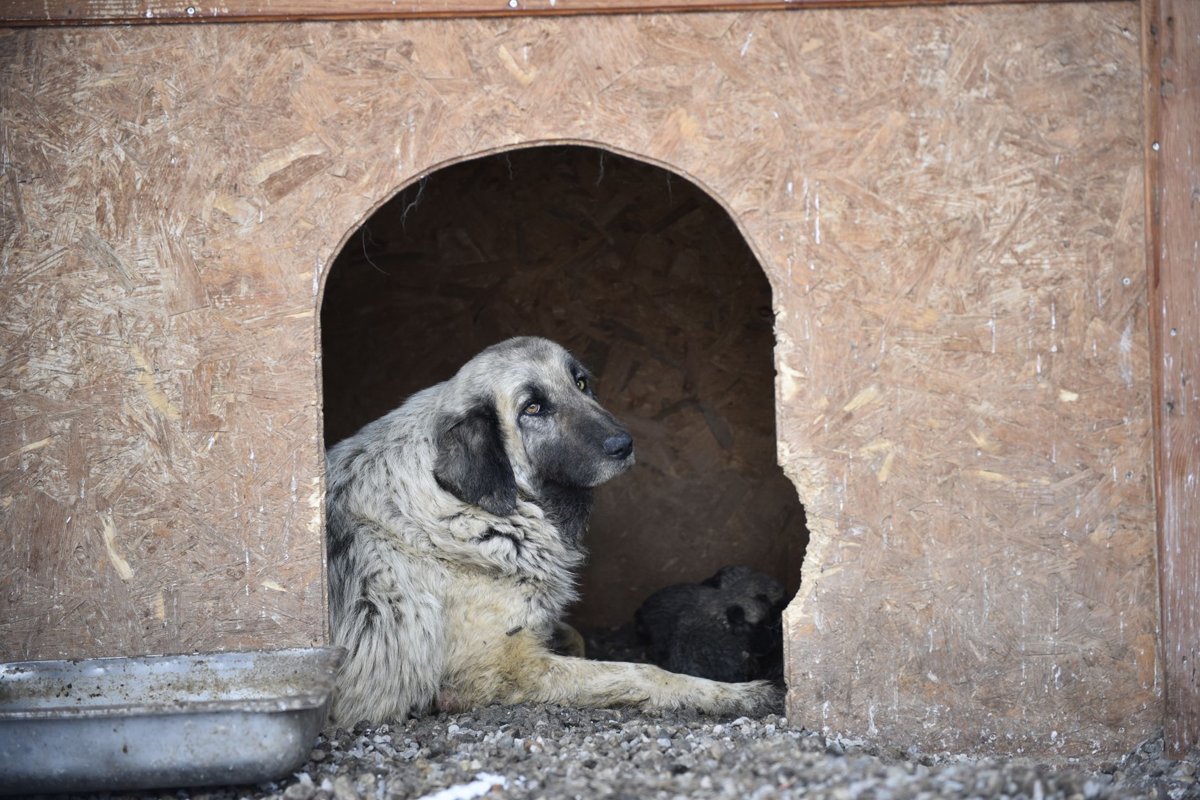
- Don’t leave a dog crated too long. Puppies can only hold it a few hours, and adult dogs need exercise, potty breaks and company.
- Remove collars with tags in the crate to prevent snagging, or use a breakaway collar.
- Don’t crate a dog who panics in confinement. Severe distress may mean separation anxiety, which needs a different plan with your vet or a trainer.
Crates for Senior Dogs
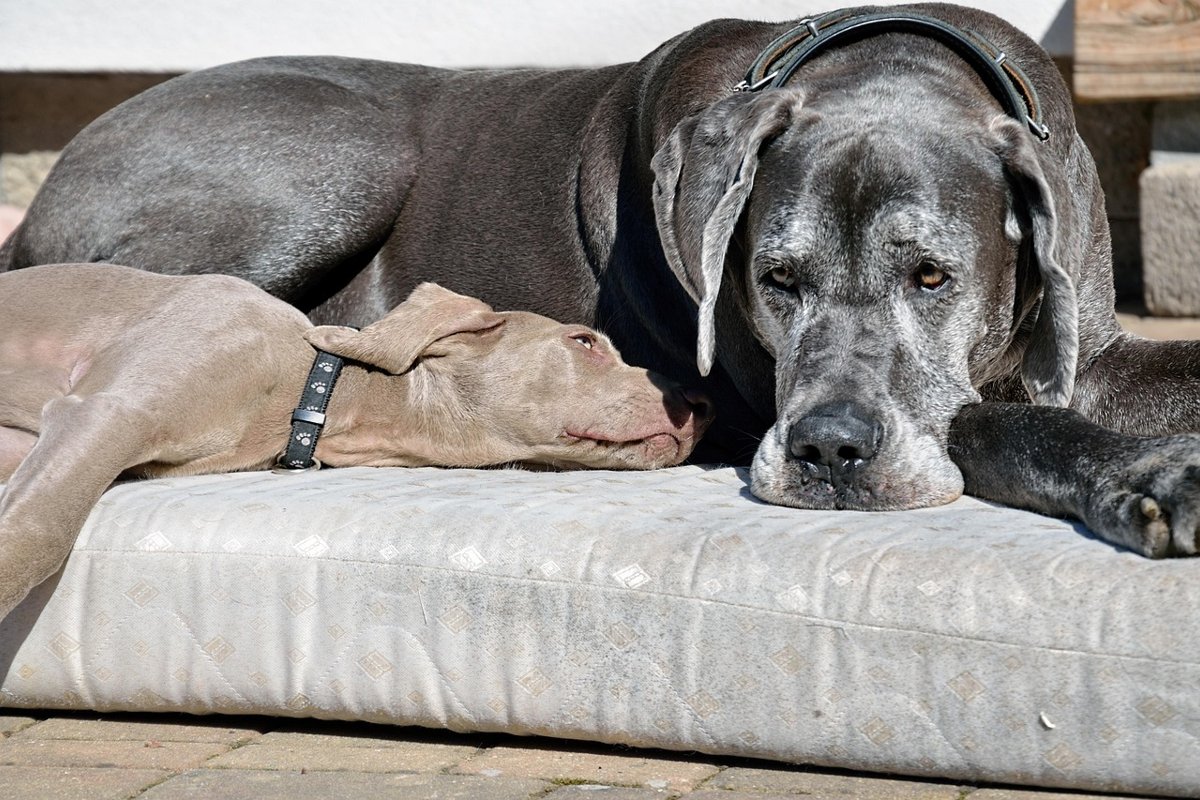
Some older dogs love the security of a crate. Others feel confined, especially with arthritis or cognitive changes. Choose a roomy crate with a padded floor and low entry, or switch to a gated area with a bed if your senior seems uncomfortable.
Helpful Products
- Wire dog crates with divider: Grows with your puppy.
- Crate covers: Creates a cozy, den-like feel.
- Crate pads: Comfortable bedding sized for crates.
Frequently Asked Questions
Is crate training cruel?
Not when it’s done positively and the crate isn’t overused. Many dogs choose to rest in their crates.
How long can a dog stay in a crate?
It depends on age and needs. Puppies need frequent breaks. Most adult dogs shouldn’t be crated for full workdays without a break.
Should I cover my dog’s crate?
Many dogs settle better with a cover over part of the crate. Leave sides open for airflow.
What size crate does my dog need?
Your dog should be able to stand, turn around and lie down comfortably.
The Bottom Line
The right crate, sized well and introduced kindly, becomes your dog’s safe space. Go at your dog’s pace, keep crate time reasonable, and never use it as punishment.
Keep reading:
- Large Dog Crates: Sizing, Types and Training Tips
- Choosing the Perfect Dog Pen or Playpen for Your Pup
- Dog Training Basics: Effective, Reward-Based Techniques
As an Amazon Associate, we earn from qualifying purchases. This post contains affiliate links.