
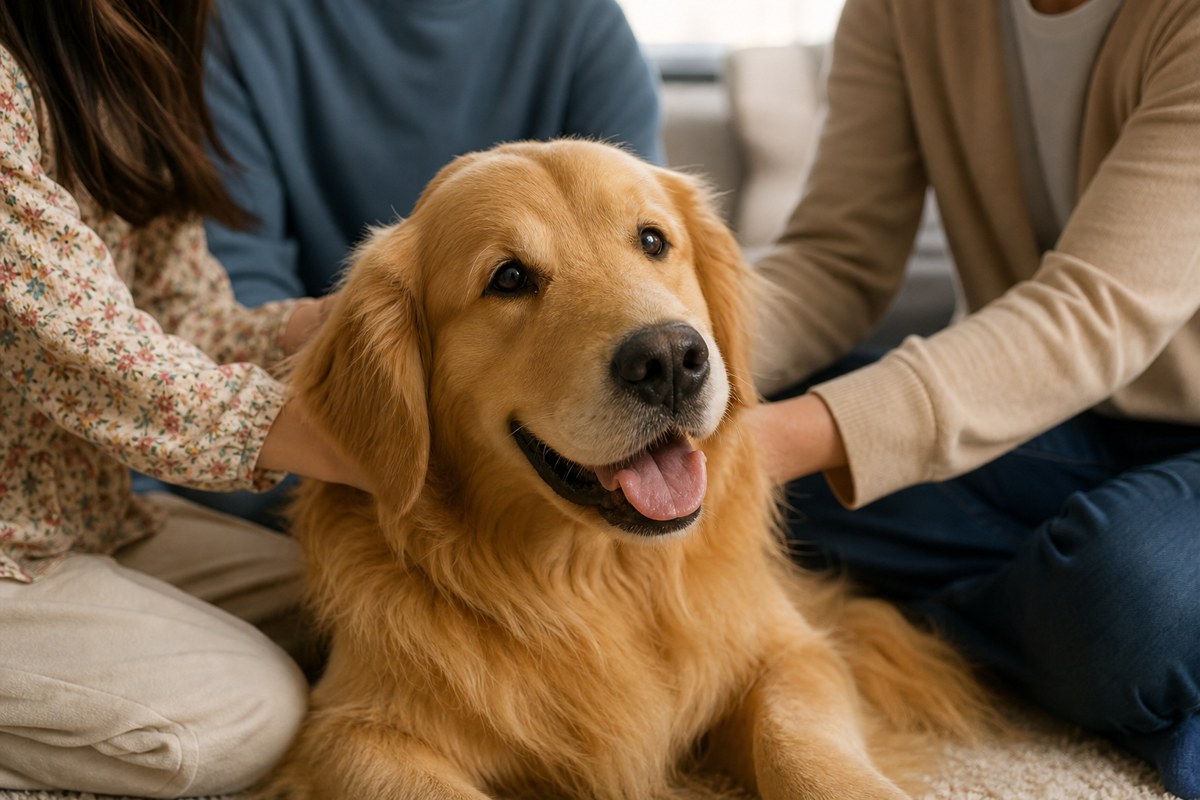
Quick answer: Great family dogs are usually patient, sociable, tolerant of handling and a good energy match for the household. Breeds like Labradors, Golden Retrievers and many mixed-breed dogs are popular choices, but individual temperament matters more than breed. Teaching kids how to treat dogs is just as important as choosing the right dog.
A dog can be a child’s best friend, teacher and companion. But not every dog fits every family, and even the sweetest dog needs a family that knows how to treat them.
Here’s what to look for in a family dog, and how to set kids and dogs up for success.
Traits of a Great Family Dog
- Patience with noise, activity and the chaos of family life.
- Tolerance of handling, like being hugged clumsily or having paws touched (though kids should be taught not to hug dogs).
- Sociability with visitors and other kids.
- An energy level that matches the family’s lifestyle.
- Size that works for your kids’ ages.
- Trainability.
Popular Family Dog Breeds
| Breed | Why families like them | Keep in mind |
|---|---|---|
| Labrador Retriever | Friendly, eager to please | High energy, loves food |
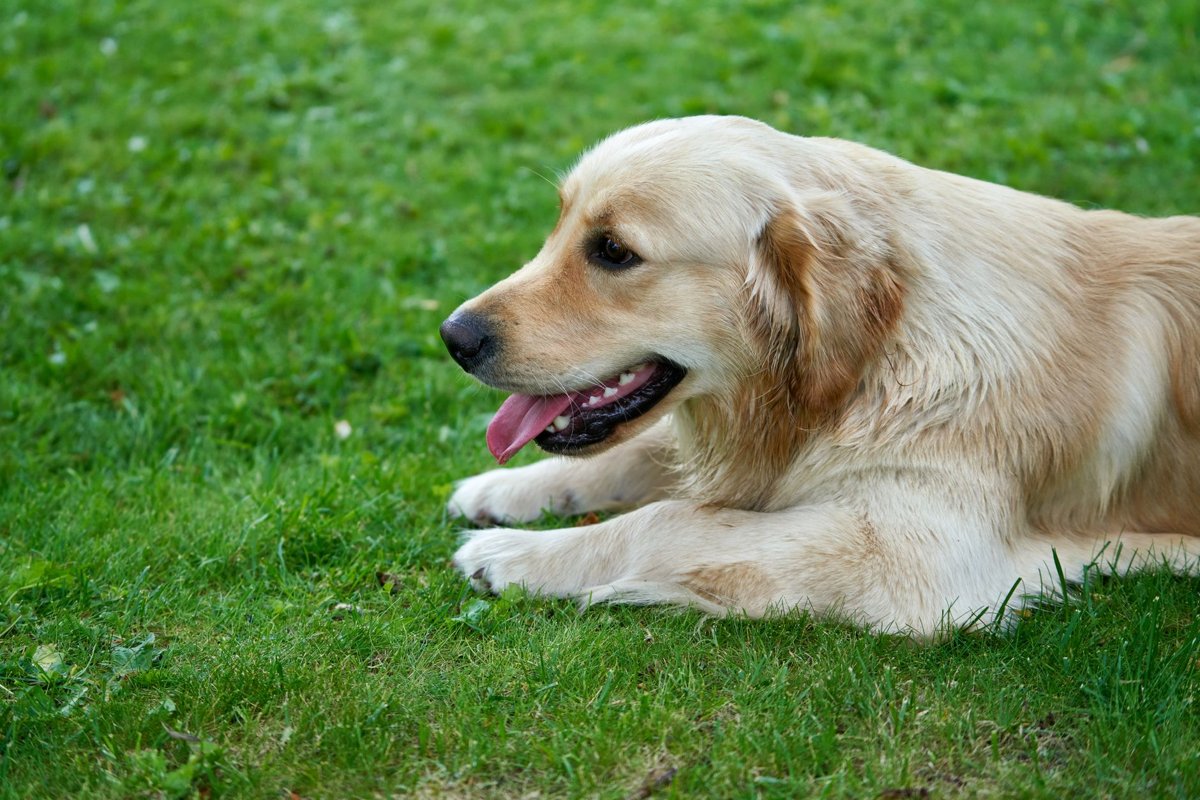
| Golden Retriever | Gentle, patient | Heavy shedding, needs exercise |
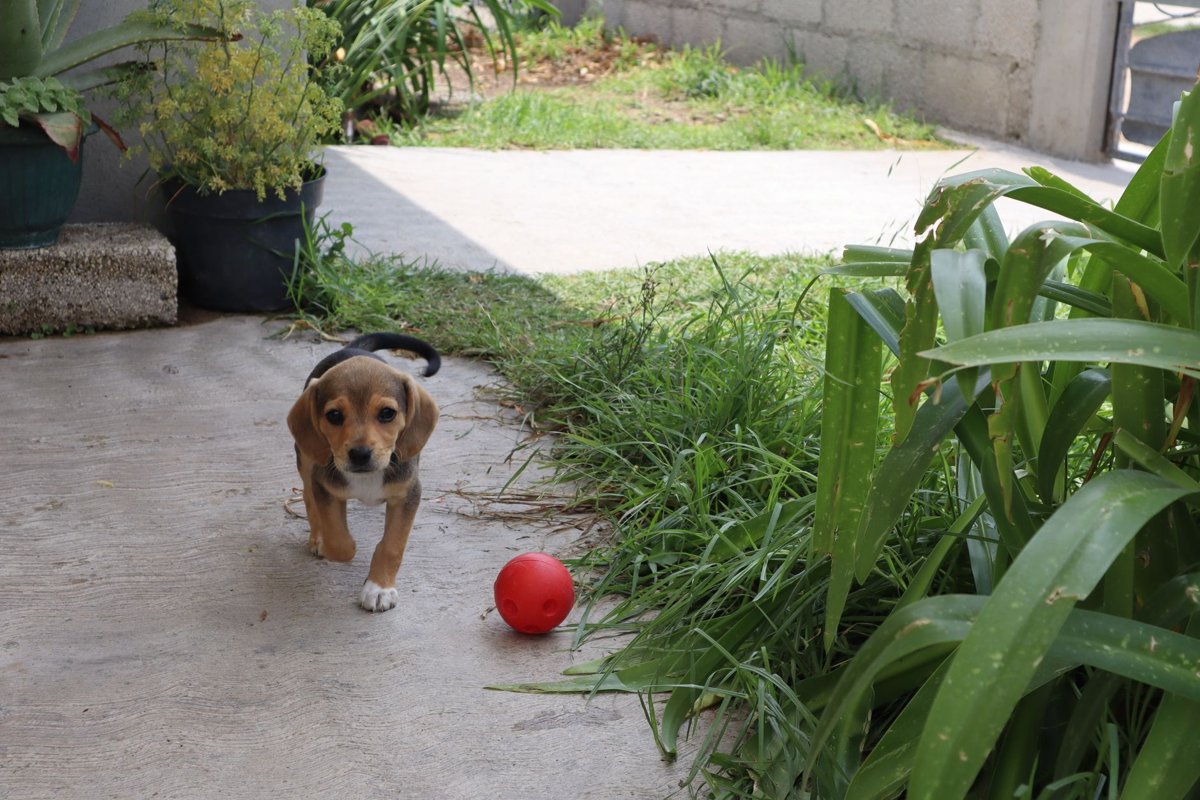
| Beagle | Sociable, sturdy, playful | Loud, follows its nose |
| Cavalier King Charles Spaniel | Affectionate, adaptable | Prone to heart problems |
| Poodle (all sizes) | Smart, low-shedding | Needs regular grooming |
| Bichon Frise | Cheerful, small but sturdy | Needs grooming |
| Mixed breeds | Huge variety, often known temperament as adults | Ask the rescue about history |
Kids and Dogs: Safety Rules
- Always supervise young children with dogs.
- Teach kids to let dogs come to them and to pet gently on the back or chest.
- Never bother a dog while eating, sleeping or chewing a toy.
- No hugging, climbing on or pulling ears and tails.
- Give the dog a kid-free retreat, like a crate or gated room.
- Learn dog stress signals: lip licking, yawning, turning away, showing the whites of the eyes, or stiffening.
Getting Kids Involved in Care
- Younger kids can help fill water bowls and give treats for sits.
- Older kids can help with feeding, brushing and walks with an adult.
- Teens can take on training sessions and regular walks.
- An adult should always be ultimately responsible for the dog’s care.
Our Experience
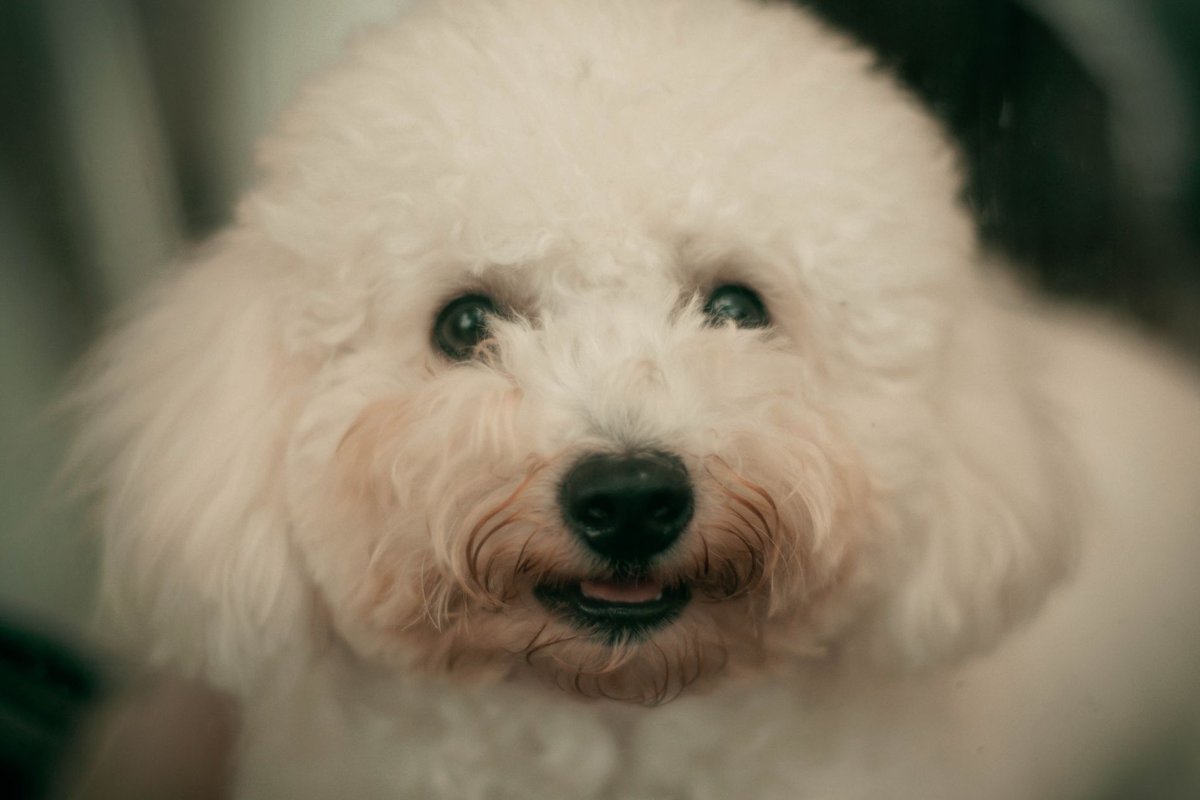
Our two dogs are a Yorkie and a Poodle/Bichon mix, and both have been calm, easygoing companions. Every dog is an individual, which is why meeting a dog and learning their history before adopting matters so much.
Helpful Products
- Baby gates: Creates a kid-free retreat for the dog.
- Dog crates: A safe, quiet space for rest.
- Kid-friendly dog training clickers: Lets kids help with positive training.
Frequently Asked Questions
What is the best family dog?
It depends on your family. Look for a patient, sociable dog that matches your energy level and kids’ ages. Many mixed breeds are excellent.
Are small dogs good with kids?
Some are, but tiny dogs can be injured by toddlers. Sturdier small breeds or medium dogs often work better with young children.
At what age can a child walk a dog?
It depends on the child and the dog’s size and behavior. Young kids should walk dogs only with an adult.
How do I introduce my dog to a new baby?
Prepare ahead with new routines and smells, keep early meetings calm and supervised, and give the dog plenty of positive attention.
The Bottom Line
The perfect family dog is a good match for your household and is raised by a family that knows how to treat them. Choose for temperament and energy, teach your kids the safety rules, and supervise, and you’ll build a lifelong friendship.
Keep reading:
- How to Choose the Right Dog for Your Family
- Top 10 Dog Breeds for Active Families
- 10 Small Dog Breeds Perfect for Apartment Living
- Owning a Dog: Answers to the Most Common Questions
As an Amazon Associate, we earn from qualifying purchases. This post contains affiliate links.