

Quick answer: The right family dog is one whose energy level, size, temperament and grooming needs fit your household. Think about your kids’ ages, your home and yard, how much time you have for exercise and training, and allergies. Then meet the dog in person before deciding.
Picking a dog is exciting, and it’s easy to fall for a cute face. But the best matches happen when families think through their daily life first.
Here’s a practical way to decide what kind of dog will fit your family, whether you’re adopting or working with a breeder.

Start With Your Lifestyle
- Activity level. Do you hike and run, or prefer short walks and couch time?
- Time at home. How many hours will the dog be alone each day?
- Space. Apartment or house? Fenced yard or not?
- Kids. How old are they, and how will they help care for the dog?
- Other pets. Do you have cats or another dog?
- Allergies. Does anyone react to dogs?
- Budget. Bigger dogs cost more to feed, and some breeds need professional grooming.

Key Traits to Match
| Trait | Questions to ask |
|---|---|
| Energy | How much daily exercise does this dog need? |
| Size | Can you lift, control and house this dog as an adult? |
| Temperament | Is the dog calm, social and tolerant of handling? |
| Grooming | Does the coat need daily brushing or regular grooming? |
| Trainability | Is the dog eager to learn, or more independent? |
| Barking | Will barking be a problem where you live? |
Breed Is a Starting Point, Not a Guarantee
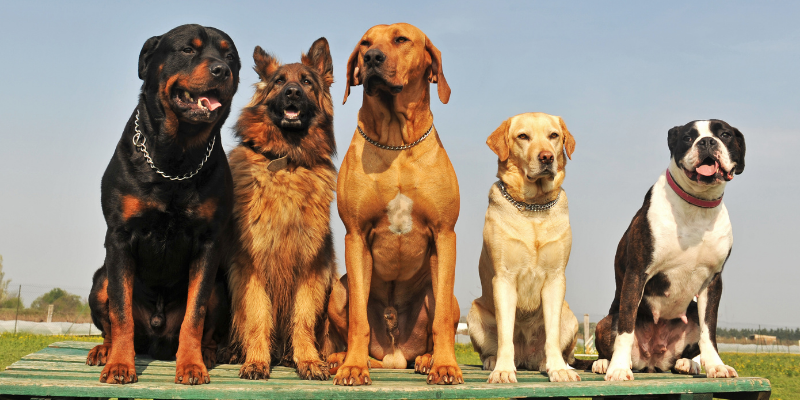
Breeds have general tendencies, which is helpful. Herding breeds often need lots of mental work, and many toy breeds are happy with short walks. But every dog is an individual. A calm adult Labrador might suit a family better than a wild young one, and a mixed-breed shelter dog with a known personality can be a fantastic choice.
Our own dogs prove it: our Yorkie, Gracie, has been calm and quiet her whole life, even though Yorkies have a reputation for barking.

Kids and Dogs
- Very small or fragile dogs can be injured by toddlers who grab or drop them.
- Very large, bouncy young dogs can knock over small children.
- Look for a dog that tolerates handling, noise and activity.
- Teach kids to let sleeping dogs lie, never bother a dog while eating, and ask before petting.
- Always supervise young children with any dog.
Meeting a Dog
- Ask the shelter, rescue or breeder about the dog’s history, health and behavior.
- Bring the whole family to meet the dog, and any resident dog if the shelter allows.
- Watch how the dog handles new people, noise and gentle handling.
- Ask about foster-to-adopt or trial programs.
- With breeders, ask about health testing for the parents and meet the mother if possible.
Bringing Your Dog Home
Expect an adjustment period. Many rescue groups describe a ‘3-3-3’ guide: about three days to decompress, three weeks to learn the routine, and three months to feel fully at home. Keep things calm and predictable at first, and start gentle, reward-based training right away.

Helpful Products
- Dog crates: A safe space for a new dog to settle in.
- Baby gates: Helps manage kids, pets and a new dog.
- Puppy training treats: Small, soft rewards for early training.
Frequently Asked Questions
What is the best dog breed for families?
There’s no single best breed. Look for a dog whose energy, size and temperament fit your household. Many mixed-breed dogs make excellent family pets.
Should I get a puppy if I have young kids?
Puppies need lots of time and supervision. An adult dog with a known, kid-friendly temperament can be easier for busy families.
Are there hypoallergenic dogs?
No dog is completely allergen-free, but some low-shedding breeds may cause fewer symptoms for some people. Spend time with the dog before committing.
Is a big or small dog better for a family?
Either can work. Medium to large sturdy dogs often handle kids’ energy well, while small dogs can be fragile around toddlers.
The Bottom Line
The right family dog fits your life, not just your heart. Think about energy, size, temperament and time, meet the dog in person, and give them a patient adjustment period. That’s how great family matches are made.
Keep reading:
- Family Dogs: Choosing and Raising the Perfect Companion
- Top 10 Dog Breeds for Active Families
- 10 Small Dog Breeds Perfect for Apartment Living
- Owning a Dog: Answers to the Most Common Questions
As an Amazon Associate, we earn from qualifying purchases. This post contains affiliate links.