
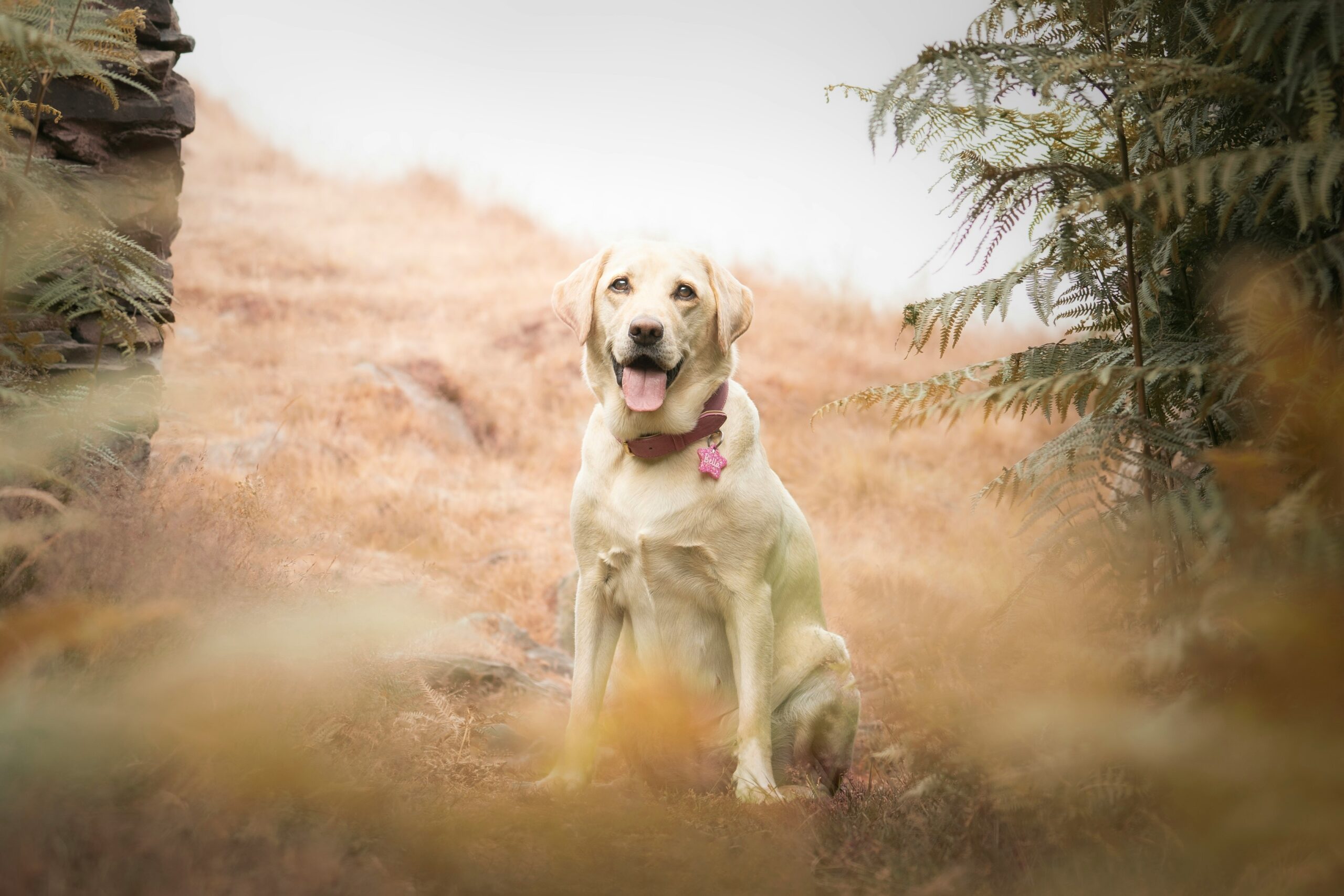
We’re a family on the move. Our weekends aren’t spent indoors wrestling with spreadsheets or staring at screens. Instead, you’ll find us trekking through local trails, splashing in lakes, or kicking a soccer ball around the park. Our canine companions are not just pets; they are integral members of our adventures. They’re the furry alarm clocks that push us out the door, the enthusiastic participants in every game, and the comforting presences beside us at the end of a long day. For families like ours, choosing the right dog breed is paramount. It’s about finding a partner for our active lifestyle, a dog that thrives on exercise and enjoys being part of our outdoor pursuits. This isn’t about the “cutest” or “most fluffy” dog; it’s about finding a breed that aligns with our energy levels and desire for a four-legged companion who can keep up. After much research, personal experience, and countless discussions with fellow active pet owners, we’ve compiled our list of the top 10 dog breeds we believe are best suited for active families.
Before diving into specific breeds, it’s crucial for us, as active families, to assess what we truly need in a canine companion. This isn’t a one-size-fits-all situation; our definition of “active” can vary. Some families might be keen hikers, while others prefer rigorous sports or simply long, energetic play sessions in the yard. We must consider the commitment involved, not just in terms of exercise, but also in training, grooming, and overall care.
Energy Levels: Matching Our Pace
This is perhaps the most significant factor. We need a dog that possesses the stamina and desire to participate in our activities. A breed with a naturally high energy level will be happier and healthier when consistently exercised. Conversely, a breed that requires minimal activity might become bored, destructive, or even anxious in a high-energy household. We’re looking for dogs that can handle extended periods of physical exertion without becoming overly fatigued or having their health compromised. This means researching a breed’s typical daily exercise requirements and understanding how that translates to our family’s routine.
Temperament and Trainability: A Cooperative Spirit
An active lifestyle often involves varied environments and potentially other people or animals. This necessitates a dog with a stable temperament, one that is not overly reactive, fearful, or aggressive. Trainability is equally important. We need dogs that are eager to please and possess a degree of intelligence, making the training process smoother and more rewarding. This allows us to confidently take our dogs into diverse situations, knowing they’ll respond well to commands and social cues. A well-trained dog is a safer dog and a better companion for all our adventures.
Size and Strength: Practical Considerations
While not always the primary concern, size and strength can play a role. A smaller, more delicate dog might not be suitable for strenuous activities like long-distance hiking or rough terrain. Conversely, an extremely large or powerful dog might be challenging to manage on a leash during busy park outings. We’re looking for a balance – a dog that is physically capable of participating in our preferred activities but also manageable for all family members. This also includes considering the logistics of transport and housing.
Grooming and Health: Long-Term Commitments
Every breed comes with its own grooming needs and potential health predispositions. We need to be realistic about the time and resources we can dedicate to grooming, whether it’s regular brushing, professional grooming, or nail trims. Additionally, understanding common health issues within a breed helps us prepare for potential veterinary costs and allows us to make informed decisions about preventative care. For us, a healthy dog is an active dog, and both contribute to a happy family.
If you’re interested in learning more about different dog breeds and their unique characteristics, you might find this article on pet care insightful. It provides a comprehensive overview of various breeds, their temperaments, and the best practices for their care. You can check it out here: Why Do Cats Throw Up Hairballs?.
The Top 10 Breeds for Our Active Lives
When considering the best dog breeds for your family, it’s essential to also think about their health and well-being. One important aspect of pet care is ensuring your furry friend is protected from pests like fleas and ticks. For more information on effective prevention methods, you can check out this article on flea and tick prevention products that can help keep your dog safe and healthy.
1. Labrador Retriever: The All-Around Enthusiast
It’s no surprise that the Labrador Retriever consistently ranks high on lists for family dogs, and for active families, they are a natural fit. Their boundless energy, intelligence, and eagerness to please make them exceptional companions for a wide range of activities.
Energy and Stamina for Adventure
Labs are built for endurance. They relish long walks, hikes, runs, and especially swimming. Their origins as retrieving dogs mean they possess a strong desire to be active and engaged. We’ve found that a good hour or two of vigorous activity a day is generally sufficient to keep a Lab content and well-behaved, though many will happily go all day if given the opportunity.
Trainability and Versatility
These dogs are highly trainable, responding well to positive reinforcement methods. This makes them ideal for families wanting to teach their dog advanced commands or engage in dog sports like agility or obedience. Their desire to be part of the family means they are often very focused on their owners during training sessions.
Family-Friendly Nature
Labradors are renowned for their friendly, outgoing, and gentle nature. They typically get along well with children and other pets, making them a reliable choice for households with a dynamic mix of family members. Their patience and adaptable temperament are considerable assets in any family setting.
Grooming and Health Considerations
While they do shed moderately year-round, their short, dense coat is relatively easy to maintain with regular brushing. They are generally healthy dogs, but like many larger breeds, they can be prone to hip and elbow dysplasia and certain eye conditions. Regular veterinary check-ups are recommended.
2. Australian Shepherd: The Intelligent and Agile Worker
Australian Shepherds, often affectionately called “Aussies,” are intelligent, energetic, and incredibly agile dogs that thrive in an active family environment. They are not just pets; they are partners who enjoy being given a job to do and thrive on mental and physical stimulation.
Herding Instincts and Drive
Aussies possess a strong herding instinct, which translates into a high level of energy and a desire to move and herd things – whether it’s their family members, toys, or even shadows. This drive means they need outlets for their energy, and an active family can provide precisely that.
Trainability and Problem-Solving Skills
Their intelligence is remarkable. Aussies are quick learners, excel in obedience, agility, and other dog sports that challenge their minds. They enjoy puzzle toys and interactive games, which are excellent ways to supplement their physical exercise and keep them mentally engaged.
Socialization and Family Bonds
While they can be reserved with strangers, Aussies form incredibly strong bonds with their families. Early and consistent socialization is key to ensuring they are comfortable and well-behaved around new people and in different environments. They are loyal and devoted to their families.
Coat Care and Health
Their beautiful double coat requires regular brushing to prevent matting, especially during shedding seasons. Aussies are generally a robust breed, but they can be prone to certain eye issues, hip dysplasia, and epilepsy. Responsible breeding practices and regular veterinary care are important.
3. Border Collie: The Ultimate Canine Athlete
For families seeking a dog that can truly excel in a variety of physically and mentally demanding activities, the Border Collie is a breed to consider. These dogs are synonymous with intelligence, energy, and an unparalleled work ethic.
Unmatched Energy and Stamina
Border Collies possess an almost inexhaustible supply of energy. They need significant daily exercise, and they thrive on activities that challenge their physical and mental capabilities, such as long runs, bikejoring, agility training, and herding trials. A bored Border Collie is an unhappy Border Collie.
Supreme Intelligence and Trainability
Widely recognized as one of the most intelligent dog breeds, Border Collies learn commands rapidly and excel in complex tasks. Their trainability is exceptional, making them perfect candidates for advanced obedience, Frisbee competitions, and other canine sports that require precision and quick thinking.
Loyalty and Drive
They are intensely loyal to their families and can become very focused on them. This loyalty, combined with their drive, means they often prefer to have a task to perform. Active families provide these essential outlets, channeling their energy constructively.
Exercise Requirements and Potential Boredom
It is essential to understand that without sufficient stimulation, Border Collies can become bored, leading to destructive behaviors or anxiety. Active families who can commit to daily comprehensive exercise and training sessions will find an incredibly rewarding companion.
Coat Maintenance and Health
Their coat comes in various lengths and colors and requires regular brushing to prevent mats. Border Collies are generally healthy but can be predisposed to hip dysplasia, eye conditions, and epilepsy. They often benefit from a diet formulated for active dogs.
4. Vizsla: The Energetic Hungarian Pointer
The Vizsla, often referred to as the “Velcro dog,” is a lively and affectionate breed from Hungary known for its distinctive golden-rust coat and boundless energy. They are eager to participate in all family activities and form strong bonds with their human companions.
High Energy and Love for Movement
Vizslas have a high energy requirement and require daily vigorous exercise. They excel at running, hiking, swimming, and field sports. Their stamina is impressive, and they are happy to accompany their families on long outings, from trail adventures to beach excursions.
Affectionate and Family-Oriented
Vizslas are renowned for their affectionate nature and their desire to be close to their families. They thrive on interaction and can be prone to separation anxiety if left alone for extended periods without sufficient mental and physical stimulation.
Trainability and Responsiveness
They are intelligent and eager to please, making them highly trainable for obedience and various dog sports. Their ability to learn quickly and their responsiveness to commands are significant advantages for active families.
Grooming and Health
Their short, sleek coat is low-maintenance, requiring only occasional brushing. Vizslas are generally a healthy breed, but their lineage can make them susceptible to hip dysplasia, certain heart conditions, and eye disorders.
5. Portuguese Water Dog: The Aquatic Agile Companion
The Portuguese Water Dog, with its distinctive curly or wavy coat, is a breed that loves activity, particularly water-based pursuits. They are intelligent, energetic, and loyal companions well-suited for families who enjoy an active, often aquatic, lifestyle.
Love for Water and Activity
As their name suggests, these dogs have a natural affinity for water. They are strong swimmers and enjoy activities like fetch in the water, dock diving, and general water play. Beyond water, they also possess good stamina for running and hiking.
Trainability and Intelligence
Portuguese Water Dogs are intelligent and eager to please, which makes them highly trainable. They excel in obedience and can learn complex skills. Their adaptability makes them suitable for various dog sports, provided they receive adequate exercise and mental engagement.
Loyal and Family-Focused
They are devoted to their families and tend to be good with children. While they can be lively, they also enjoy downtime once their exercise needs are met. Their presence is often described as energetic and playful.
Coat and Grooming Needs
This breed is often considered a good option for those with allergies due to its low-shedding coat. However, this coat requires regular grooming to prevent matting, including brushing and professional trims.
Health Considerations
Portuguese Water Dogs are generally a healthy breed. However, they can be prone to hip dysplasia, juvenile epilepsy, and certain eye conditions. Responsible breeding and regular veterinary care are important considerations.
The Versatile and Spirited Choices

6. Siberian Husky: The Energetic Long-Distance Runner
Siberian Huskies are known for their striking appearance and incredible endurance. Originally bred for pulling sleds over long distances, they possess an immense amount of energy and a strong desire for activity, making them an excellent fit for athletic families.
Unmatched Stamina and Love for Running
These dogs were bred to run, and run they will. Huskies thrive on long runs, hikes, and any activity that allows them to expend their energy over extended periods. They are not built for short bursts; they are built for endurance.
Independent and Intelligent Nature
While intelligent, Huskies can also have an independent streak. This means consistent training is essential, and positive reinforcement methods work best. They are not as eager to please as some other breeds, requiring patience and understanding.
Social and Pack-Oriented
Huskies are highly social animals and often do well in multi-dog households. They thrive on companionship and can suffer from separation anxiety if left alone frequently. Their pack mentality means they enjoy being part of a family unit’s activities.
Coat and Seasonal Shedding
Huskies have a double coat that provides insulation in cold climates. This coat requires regular brushing, especially during their seasonal shedding periods, when they “blow” their undercoat. This can be a significant undertaking.
Health and Temperament
They are generally a healthy breed, but responsible breeding is crucial to avoid issues like hip dysplasia and certain eye conditions. Their prey drive can be strong, so they should be introduced to small animals with caution and supervision.
7. Vizsla: The Enthusiastic Golden Companion (Already covered, but worth reinforcing its active suitability)
We’ve already highlighted the Vizsla, and their suitability for active families warrants a second mention. Their enthusiasm for life, coupled with their moderate size and sleek coat, makes them a joy for families who are consistently on the go. Their intelligence and trainability ensure they can participate in a wide array of family activities, from hiking and running to simply playing fetch in the backyard. Their loyalty and affectionate nature mean they are always eager to be involved, making them more than just a pet, but a true member of the family’s active adventures.
8. Weimaraner: The Sleek and Agile Hunter
The Weimaraner is an athletic breed known for its distinctive silver-grey coat and boundless energy. Originally bred as gundogs, they possess a keen sense of smell and a strong desire to run and hunt, making them excellent companions for active families.
High Energy and Hunting Instinct
Weimaraners have a high energy requirement and need significant daily exercise. They excel at running, hiking, and activities that engage their hunting instincts, such as scent work or field trials. Their stamina is a significant asset for long outings.
Intelligent and Trainable
These dogs are intelligent and responsive, making them good candidates for obedience training and dog sports. They are eager to please their owners, which can make the training process rewarding.
Loyal and Affectionate Nature
Weimaraners tend to form strong bonds with their families and can be quite affectionate. They often enjoy being involved in all family activities and may experience separation anxiety if left alone for long periods without sufficient stimulation.
Grooming and Health
Their short, sleek coat is low-maintenance, requiring minimal brushing. However, they can be prone to certain health issues, including bloat, hip dysplasia, and certain heart conditions. Responsible breeding practices and regular veterinary check-ups are important.
9. Australian Cattle Dog: The Resilient and Energetic Herder
Australian Cattle Dogs, also known as Blue Heelers or Red Heelers, are incredibly intelligent, energetic, and resilient dogs. Bred for herding cattle over long distances and rough terrain, they possess the stamina and drive to keep up with even the most active families.
Unwavering Energy and Stamina
These dogs are built for endurance and thrive on vigorous daily exercise. They enjoy long walks, hikes, and any activity that allows them to work their minds and bodies. Their ability to handle challenging terrain is a significant advantage for outdoor enthusiasts.
Exceptional Intelligence and Trainability
Australian Cattle Dogs are highly intelligent and learn commands quickly. They excel in obedience, agility, and other dog sports that require problem-solving and quick thinking. Their strong work ethic means they often need a job to do.
Loyalty and Protective Nature
They are fiercely loyal to their families and can develop a strong protective instinct. Early socialization and consistent training are crucial to ensure they are well-adjusted and confident in various situations.
Coat and Health
Their short, dense coat is relatively low-maintenance, requiring regular brushing. Australian Cattle Dogs are generally a healthy breed, but they can be predisposed to hip dysplasia and certain eye conditions.
10. Golden Retriever: The Gentle and Playful Companion
While often associated with a more mellow disposition, Golden Retrievers, when sufficiently exercised, are fantastic companions for active families. Their inherent trainability, gentle nature, and love for play make them adaptable to various outdoor pursuits.
Moderate to High Energy Levels
Golden Retrievers have a good level of energy and enjoy being active. They require a good daily amount of exercise through walks, runs, fetching games, and swimming. They excel in water-based activities and are often enthusiastic swimmers.
Eager to Please and Highly Trainable
Their intelligence and desire to please make them exceptionally train in obedience, agility, and other dog sports. This trainability allows them to be confidently included in various family outings.
Friendly and Sociable Demeanor
Goldens are renowned for their friendly, outgoing, and joyful temperament. They generally get along well with children and other animals, making them a safe and reliable choice for active families with diverse members.
Grooming and Health
Their beautiful double coat requires regular brushing to manage shedding and prevent matting. Golden Retrievers are generally healthy but can be prone to hip and elbow dysplasia, certain heart conditions, and certain cancers.
Conclusion: Finding Our Perfect Partner

Choosing a dog is a significant commitment, and for active families, selecting a breed that matches our lifestyle is paramount. The breeds we’ve highlighted all possess qualities that lend themselves well to a life filled with adventure, from boundless energy and trainability to loyal companionship. It’s not just about finding a pet; it’s about finding a partner who will eagerly join us on every trail, in every park, and at every family gathering. By understanding our needs and researching the characteristics of different breeds, we can ensure we bring home a canine companion who will enrich our active lives for years to come. Each of these breeds, with proper training, socialization, and adequate exercise, can become an invaluable member of our energetic family units, adding joy, companionship, and a whole lot of wagging tails to our adventures.
FAQs
What are the different categories of dog breeds?
There are seven main categories of dog breeds: sporting, hound, working, terrier, toy, non-sporting, and herding. Each category is based on the original purpose for which the breed was developed.
What are some popular dog breeds in the sporting category?
Popular dog breeds in the sporting category include Labrador Retriever, Golden Retriever, English Springer Spaniel, and German Shorthaired Pointer. These breeds were originally developed to assist hunters in finding and retrieving game.
What are some characteristics of herding dog breeds?
Herding dog breeds are known for their intelligence, agility, and strong work ethic. They were originally bred to help herd and control livestock, and as a result, they tend to be highly trainable and energetic.
What are some examples of toy dog breeds?
Examples of toy dog breeds include Chihuahua, Pomeranian, Shih Tzu, and Yorkshire Terrier. These breeds are typically small in size and were originally bred for companionship and as lap dogs.
What are some considerations when choosing a dog breed?
When choosing a dog breed, it’s important to consider factors such as the breed’s size, energy level, grooming needs, and temperament. Additionally, potential owners should consider their own lifestyle and living situation to ensure they choose a breed that will be a good fit for their home.