
As an Amazon Associate, we earn from qualifying purchases. This post contains affiliate links.
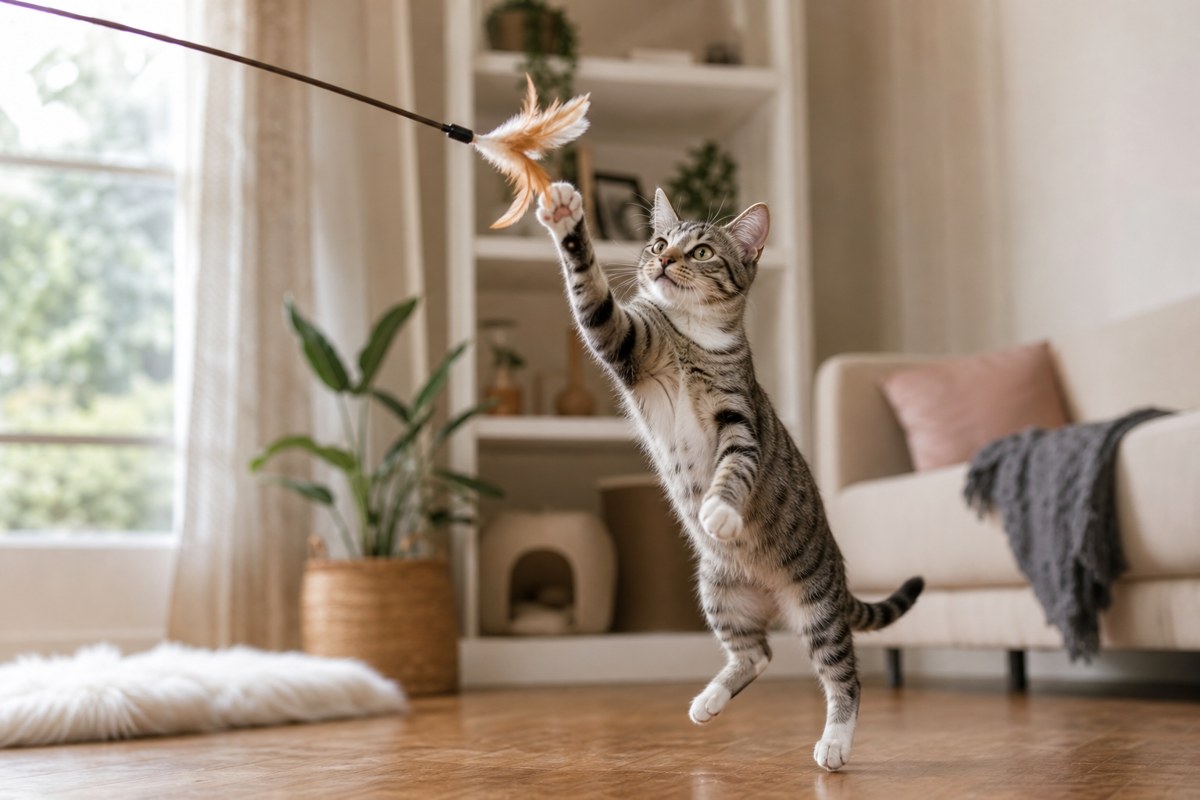
Quick answer: Interactive cat toys work best when they let your cat hunt like a cat, meaning stalk, chase, pounce, and catch. For many cats, wand toys are the top pick because you can move them like prey, while puzzle feeders, treat balls, tunnels, and kicker toys help keep play fresh and interesting.
Cats are hunters at heart, even when they live indoors and spend half the day napping in a sunny spot. Good interactive play gives them a safe way to use those natural instincts, and it can help with boredom, weight control, and everyday behavior problems.
In our house, we have seen that cats often enjoy different kinds of play and different speeds. If you are trying to build a better routine for an indoor cat, this guide pairs toy ideas with real how-to tips, plus a few simple safety rules that matter just as much as the toys themselves. You can also pair playtime with a cat-friendly home setup from Keeping Indoor Cats Happy and Healthy.
What makes a toy truly interactive
The best interactive toys do more than wiggle or make noise. They give your cat a job to do. That usually means stalking, chasing, pouncing, grabbing, kicking, and finally catching something. When a toy taps into that full hunting sequence, many cats stay interested longer and seem more satisfied afterward.
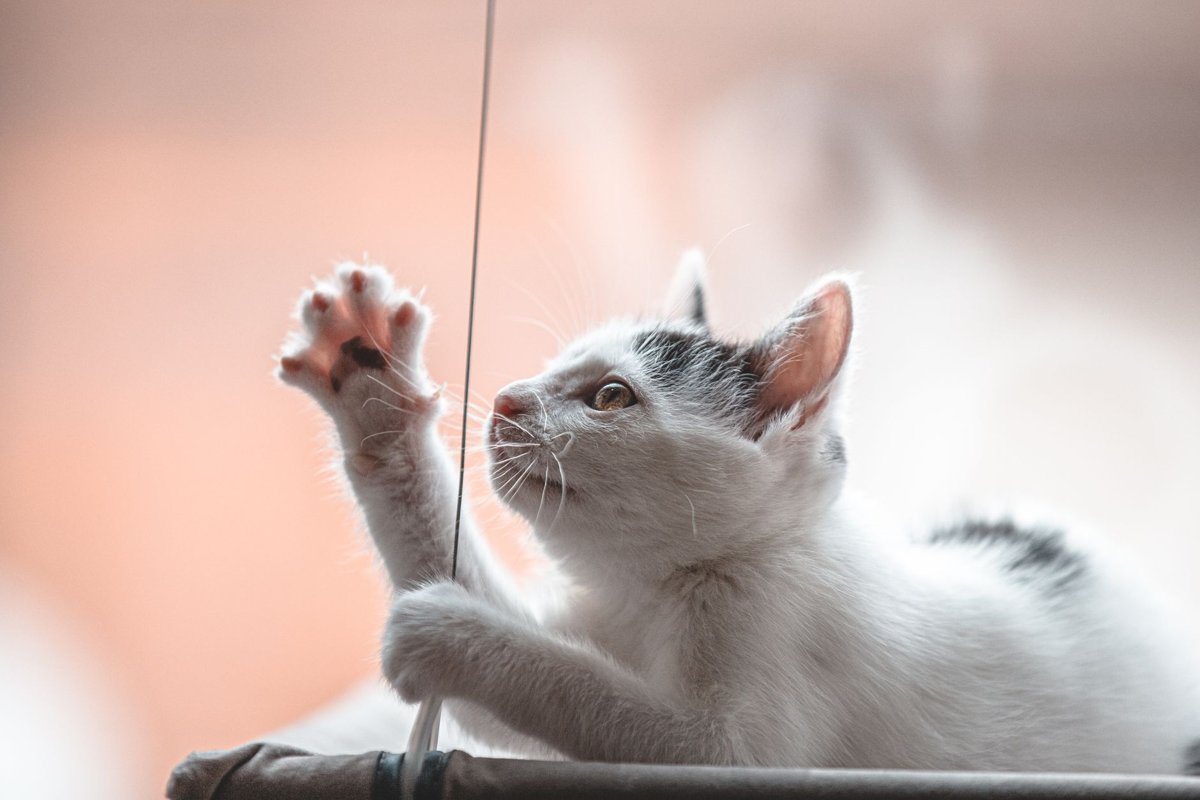
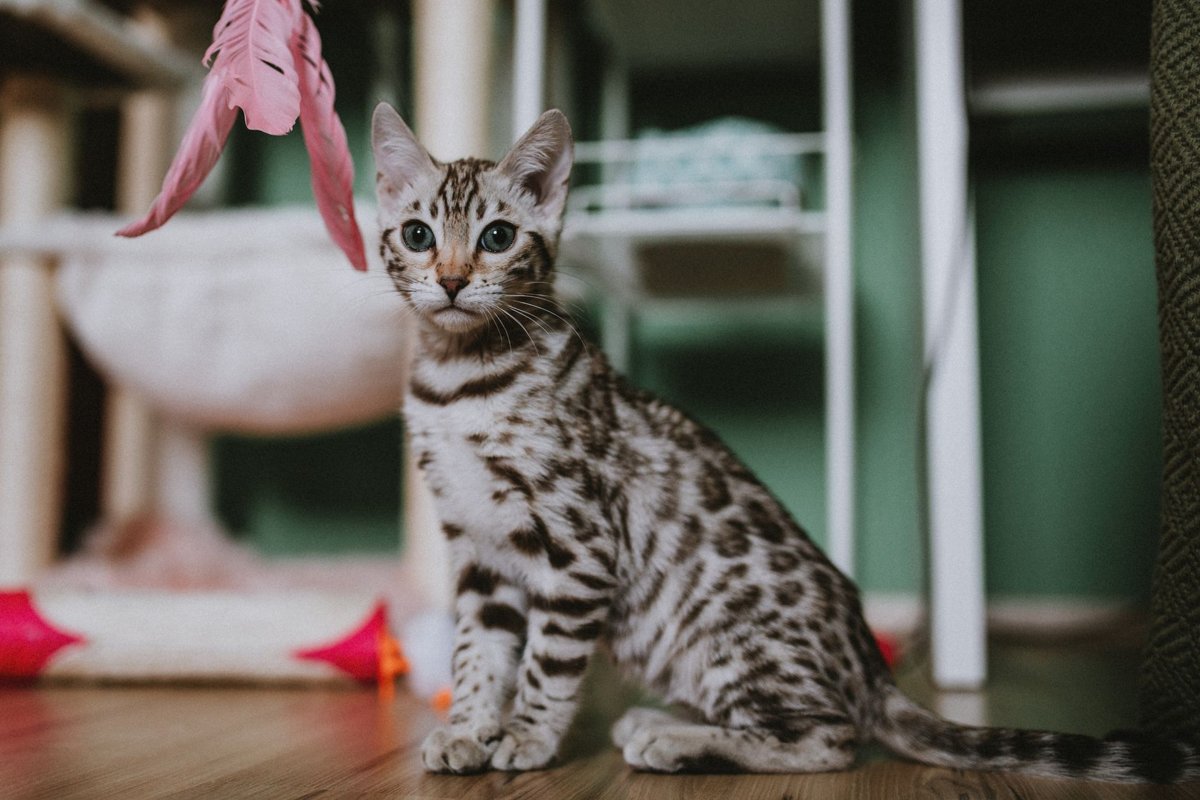
Wand toys are often the easiest way to do this because you control the movement. You can make the toy hide behind a chair, peek out, freeze, then dart away. That looks much more like real prey than waving a toy right in your cat’s face. Prey usually moves away, not toward a hunter.
Food-based toys can also count as interactive when they make your cat solve a problem or work for a meal. A puzzle feeder or rolling food toy adds mental work and can slow down cats that eat too fast. This can be especially helpful for indoor cats who need more daily activity, along with other indoor pet activities.
Not every cat likes the same thing. Some love to leap after a feather, some prefer ground-level stalking, and some get more excited by hiding and ambushing from a tunnel. Watching what your cat already does naturally will help you choose better toys.
The main types of interactive cat toys
| Toy type | Best for | Practical notes |
|---|---|---|
| Wand toys | Bonding, chase play, full hunt sequence | Best for many cats because you control speed and direction. Put string parts away after use. |
| Puzzle feeders and treat balls | Mental work, slower eating, solo activity | Use part of a normal meal rather than extra treats when possible. Start easy so your cat does not give up. |
| Kicker toys | Grab-and-kick play, wrestling | Good for cats who bunny-kick with their back feet. A kicker toy can give them a safe target. |
| Motion toys and lasers | Quick bursts of chasing | Fun for some cats, but always end with a real toy your cat can catch. Supervise new electronic toys at first. |
| Tunnels and hide toys | Ambush play, hiding, confidence | A cat tunnel gives shy or playful cats a place to stalk and spring from. |
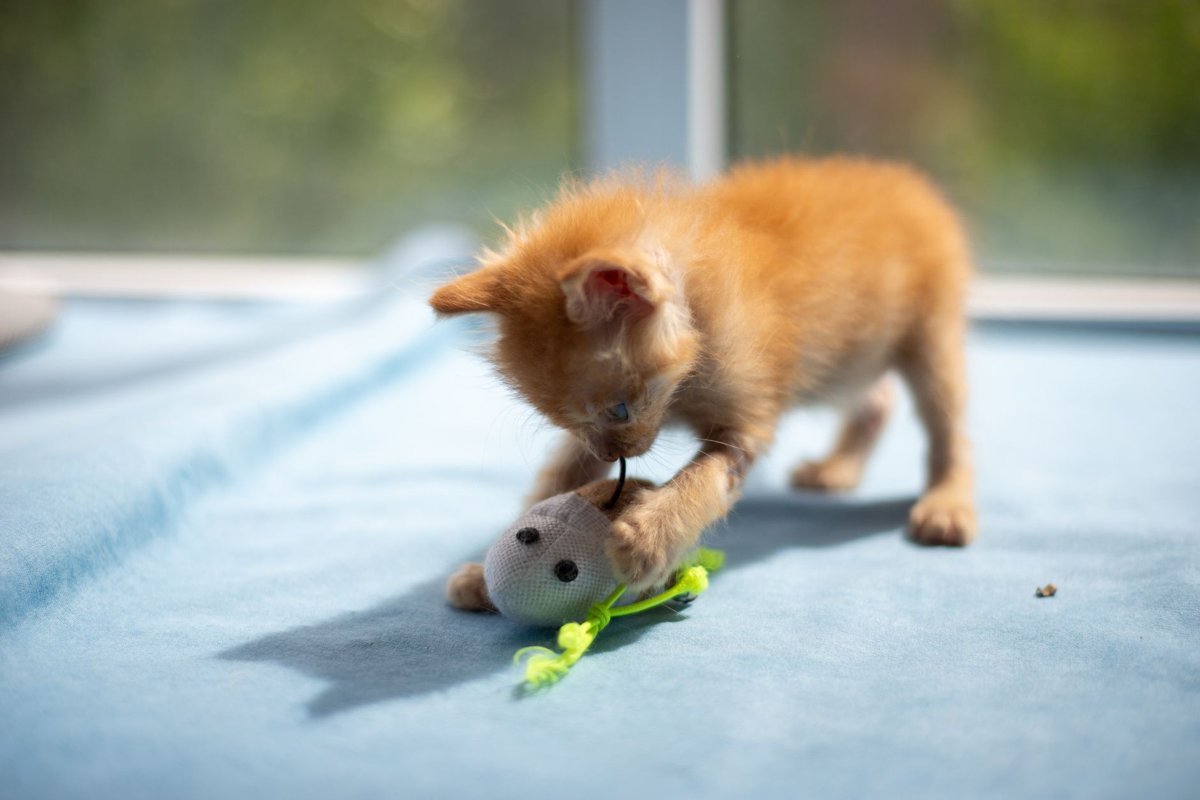
| Ground toys like mice or soft balls | Batting, carrying, light solo play | Useful between sessions, especially for cats who like to play quietly on their own. |
How to play like prey, not like a person
- Start when your cat is naturally more active. Dawn and dusk are often the best times because many cats are hardwired to be more alert then.
- Use a wand toy to mimic prey behavior. Let the toy slip behind furniture, pause out of sight, then scurry out again. Little stops and starts are often more exciting than constant waving.
- Move the toy away from your cat, not straight at them. A toy that runs away usually triggers chasing much better than a toy pushed into your cat’s space.
- Keep the movement low if your cat prefers ground hunting. Many cats love to chase along the floor, around corners, and under rugs or paper bags more than they love high jumps.
- Let your cat catch the toy often enough to stay motivated. If the toy always escapes, some cats lose interest or get frustrated.
- Wind down at the end instead of stopping all at once. Slow the toy, offer one or two final catches, then finish with a meal, a few pieces of regular kibble, or another safe reward to complete the hunt, catch, eat pattern.
- Keep sessions short and frequent. For many cats, two or more short play periods work better than one long workout. This also helps older cats and cats who get overstimulated.
How to keep toys interesting without buying everything
- Rotate toys weekly so they feel new again. Many cats ignore a toy that stays out all the time, then suddenly love it again after a short break.
- Offer different textures. Feathers, crinkly fabric, fur-like materials, and soft fabric all appeal to different cats.
- Change the hunting space. One day use the hallway, another day the foot of the bed, then try around a chair or next to a cat tunnel.
- Match the toy to your cat’s style. A bold cat may love fast chases, while a cautious cat may prefer peeking, hiding, and stalking from cover.
- Make mealtime part of enrichment. A puzzle feeder can turn part of dinner into a simple hunt and search game.
- Use vertical space if your cat enjoys it. A toy dragged near a sturdy cat tree or safe perch can encourage climbing and watching before the pounce.
- Notice body language. If your cat’s tail starts lashing, ears flatten, or play gets too rough, take a break. For more on those signals, see why cats wag their tails.
- Do not rely only on laser pointers. They can be fun for some cats, but many vets recommend ending with a real object your cat can physically grab.
Top pick
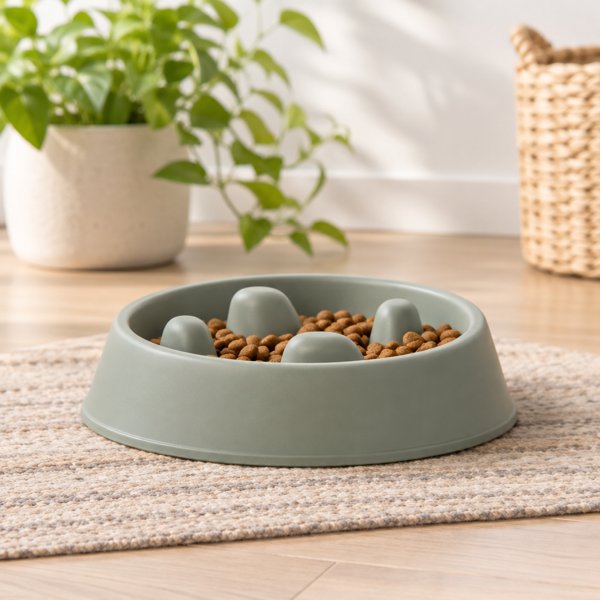
Cat puzzle feeders
If your cat loses interest fast or acts food-motivated, a puzzle feeder can extend the fun beyond wand play. It adds mental work at mealtime and helps turn part of dinner into a simple hunting game.
- Adds mealtime challenge
- Slows fast eating
- Supports solo enrichment
Play for kittens, adults, and seniors
Kittens usually need lots of short sessions because they have bursts of energy and short attention spans. They often enjoy simple chase games, light pouncing toys, and frequent breaks. Keep sessions supervised, especially with string, ribbon, or anything that can fray.
Healthy adult cats often do well with a couple of play sessions a day, plus some solo enrichment. This can be a mix of wand toys, food puzzles, tunnels, and a few small toys left out for batting around. Variety matters more than having a huge toy pile.
Senior cats still benefit from play, but the setup may need to change. Slower wand movements, more time to stalk, toys dragged on the floor, and easy puzzle feeders are often a better fit than fast jumping games. Joint stiffness, vision changes, dental pain, and other age-related problems can change how a cat plays. If a senior cat suddenly stops playing or seems uncomfortable, it is smart to check in with your vet and review broader age-related care in Caring for Senior Cats.
Our 12-year-old Max still goes wild for a laser, while his sister Molly prefers gentle play at ground level. That is a good reminder that age matters, but individual preference matters too. Some older cats still want a chase, while others are happiest with slower, easier games.
Good to have
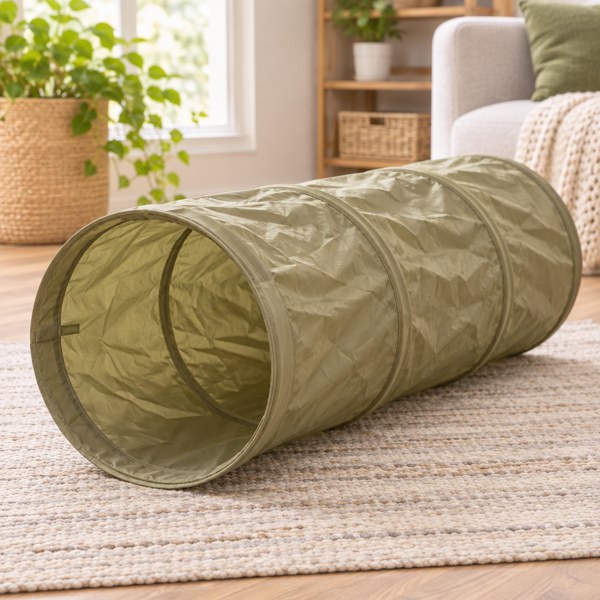
Cat tunnels
A tunnel can make slower, ground-level play much easier for cautious cats and many seniors. It gives them a place to hide, stalk, and pounce without needing high jumps or fast turns.
- Creates ambush spots
- Boosts play variety
- Good for shy cats
Toy safety and common mistakes to avoid
- Put wand toys and anything with string, ribbon, cord, or elastic away after play. Swallowed string can cause life-threatening intestinal injury.
- Check toys often for loose feathers, glued eyes, bells, foam bits, cracked plastic, or exposed wire. Throw out damaged toys before parts come off.
- Avoid toys small enough to swallow. If a piece could fit easily in your cat’s mouth, it may be too risky to leave out.
- Supervise electronic or motion toys at first. Make sure they do not frighten your cat or have pinch points, loose covers, or easy-to-chew parts.
- Do not use your hands or feet as toys. This can teach a cat that biting or pouncing on people is part of play.
- Skip human medicines, sleep aids, or calming products not prescribed for your cat. Many human products are unsafe or toxic to pets.
- Do not force a fearful cat to play. Build confidence with distance, quiet surroundings, and hide spots like a cat tunnel.
- End the session before your cat gets overtired or frustrated. A good finish can leave your cat calmer and more content instead of wound up.
When to Call the Vet
- Call your vet promptly if your cat suddenly stops playing, hides more than usual, or seems painful when jumping, turning, or being touched.
- Get veterinary advice if your cat is breathing hard, open-mouth breathing, coughing, or tires very quickly during mild activity.
- Contact your vet if play changes come with weight loss, poor appetite, drinking much more water, vomiting, diarrhea, limping, or behavior changes.
- Seek urgent care if you think your cat swallowed string, ribbon, elastic, or a toy part. Do not pull string from the mouth or rectum.
- Emergency care is also needed for collapse, severe weakness, trouble breathing, repeated vomiting, seizures, or sudden inability to use a leg.
- If a cat seems irritable, growls, hisses, or avoids normal movement during play, pain can be one possible cause and a vet visit is the safest next step.
Helpful Products

Also great
Cat wand toys
Cat wand toys suit most cats because they let you mimic prey in a simple, controlled way. They are especially helpful for indoor cats who need daily chase play, bonding time, and a satisfying catch at the end.
- Mimics prey movement
- Great for bonding
- Easy daily exercise
Cat puzzle feeders
Cat puzzle feeders suit cats that need a little challenge at mealtime. They slow eating and add mental work, helping your cat stay busy and interested while they forage for food.
Cat tunnels
Hide, ambush and zoom.
Catnip kicker toys
Great for grab-and-kick play.
Interactive Cat Toys FAQ
How much should I play with my cat each day?
Many cats do well with two or more short sessions a day, often around 10 to 15 minutes each. Short, frequent play usually works better than one long session, especially for kittens, seniors, and indoor cats.
Are laser pointers bad for cats?
Laser pointers are not always bad, but they can frustrate some cats if there is never anything real to catch. If you use one, many vets recommend ending with a physical toy or a few pieces of regular food so the session has a satisfying finish.
Why does my cat ignore interactive toys?
Some cats dislike certain textures, speeds, or times of day. Try moving the toy like prey, playing at dawn or dusk, rotating toys weekly, and testing different options like wand toys or food puzzles. If a cat suddenly loses interest in play, ask your vet about possible medical causes.
Are string toys safe for cats?
They are safest only during supervised play. String, ribbon, and elastic should be put away right after the session because swallowing them can cause a serious intestinal emergency.
The Bottom Line
Interactive play is one of the best gifts you can give an indoor cat. Choose toys that let your cat stalk, chase, pounce, and catch, keep sessions short and varied, and always put string-like toys away after use. If your cat’s interest in play changes suddenly, or play seems painful instead of fun, your vet is the right next call.
Keep reading: