
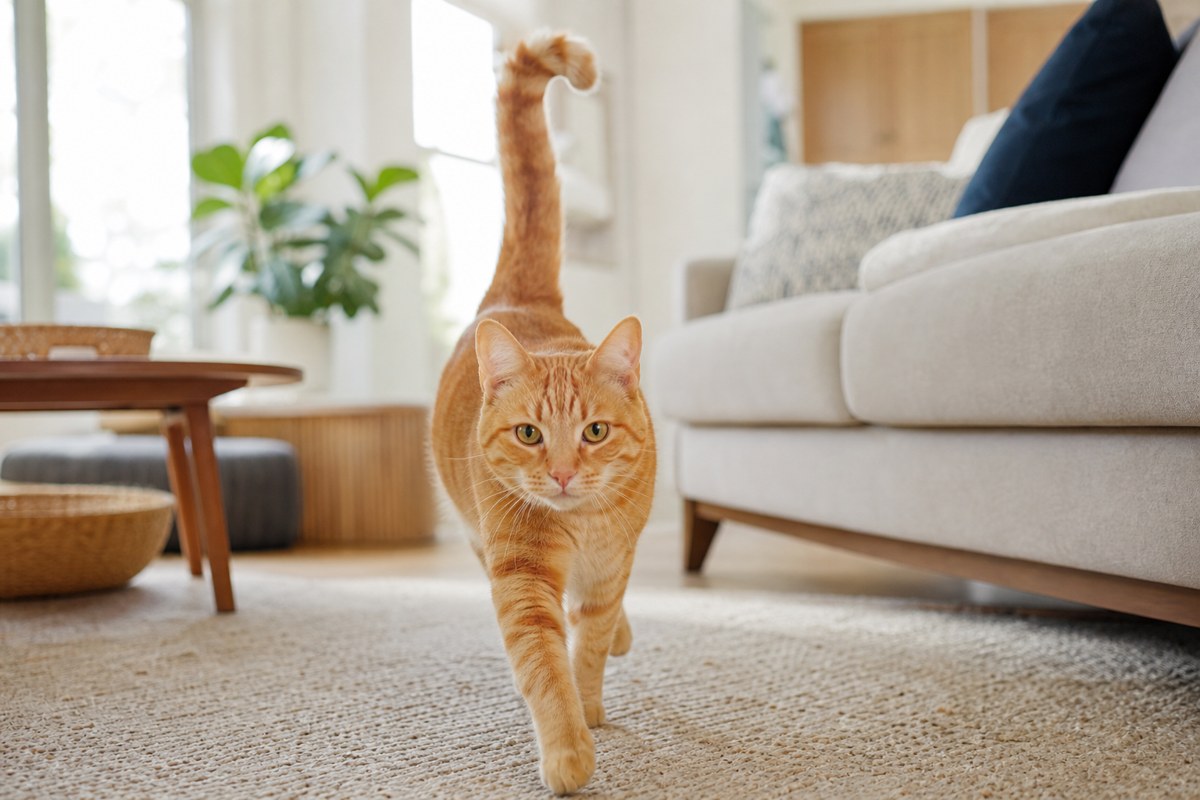
Quick answer: When a cat swishes or thumps its tail, it usually means irritation, excitement or focus, not happiness. A tail held high, often with a little curl at the tip, is the classic friendly greeting. A puffed-up tail means fear.
Dog owners learn that a wagging tail means a happy dog. Apply that to a cat, and you might get swatted.
Cats use their tails to communicate a lot, but the language is different. Learning it can help you know when to pet, when to play and when to back off.
Cat Tail Language Guide
| Tail position or movement | What it usually means |
|---|---|
| Straight up, tip curled like a question mark | Friendly, happy, saying hello |
| Quivering while held high | Excited to see you |
| Slow side-to-side swish | Focused or mildly annoyed |
| Fast lashing or thumping | Irritated or agitated, stop what you’re doing |
| Twitching tip | Interested, alert, or starting to get annoyed |
| Puffed up like a bottle brush | Frightened or startled |
| Tucked under the body | Scared, anxious or unwell |
| Wrapped around another cat or you | Affection |
| Tail swishing while lying down and purring | Could be relaxed, or getting overstimulated; watch closely |
Why Cats Swish While Hunting
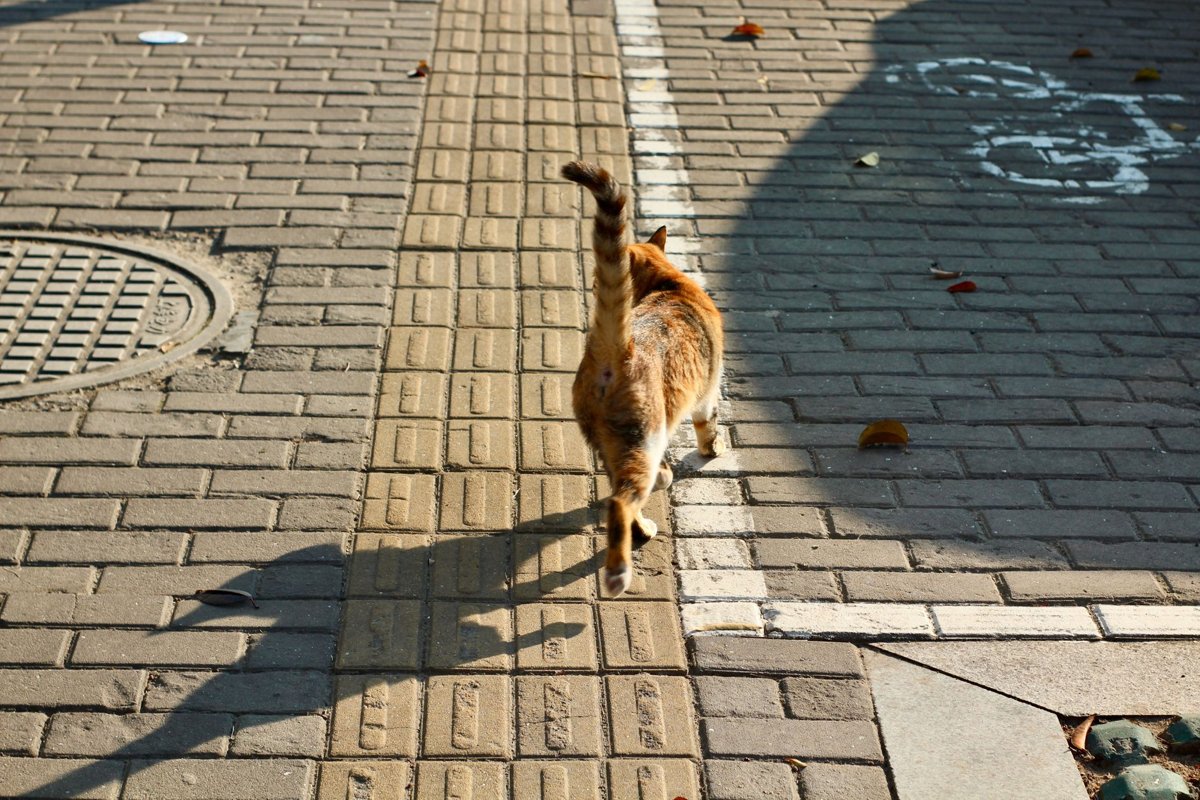
Watch a cat stalking a toy and you’ll see the tail twitch and swish. This is concentration and excitement. Many cats wiggle their back end and twitch their tail right before they pounce.
Tail Swishing During Petting
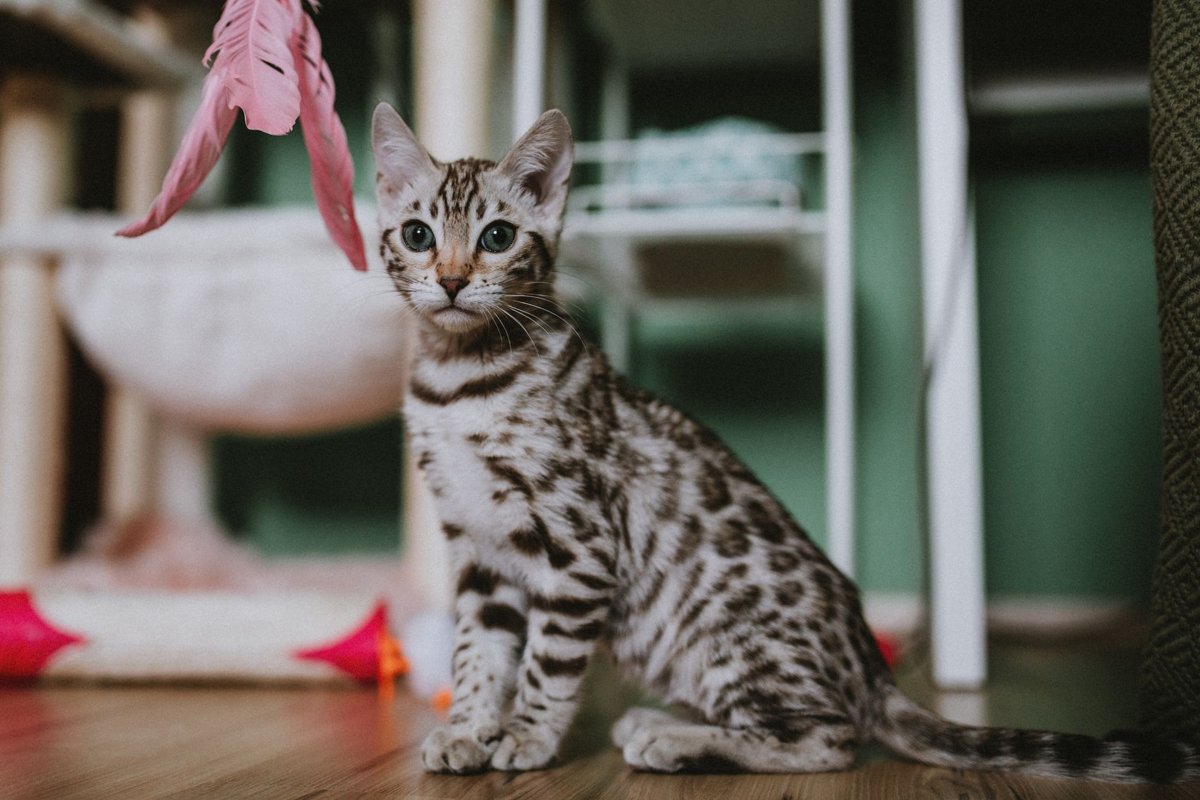
Many cats enjoy petting for a while, then suddenly turn and bite. This is often called petting-induced overstimulation. The tail is one of the best early warnings: if it starts thumping, swishing faster, or the skin on the back ripples, end the petting session. Most cats prefer short, gentle pets around the head and cheeks over long strokes down the back.
Read the Whole Cat
- Ears: forward means interested; flattened means upset or scared.
- Eyes: slow blinks mean relaxed; wide pupils can mean excitement or fear.
- Body: loose and stretched out is relaxed; crouched or arched is defensive.
When Tail Changes Mean a Vet Visit
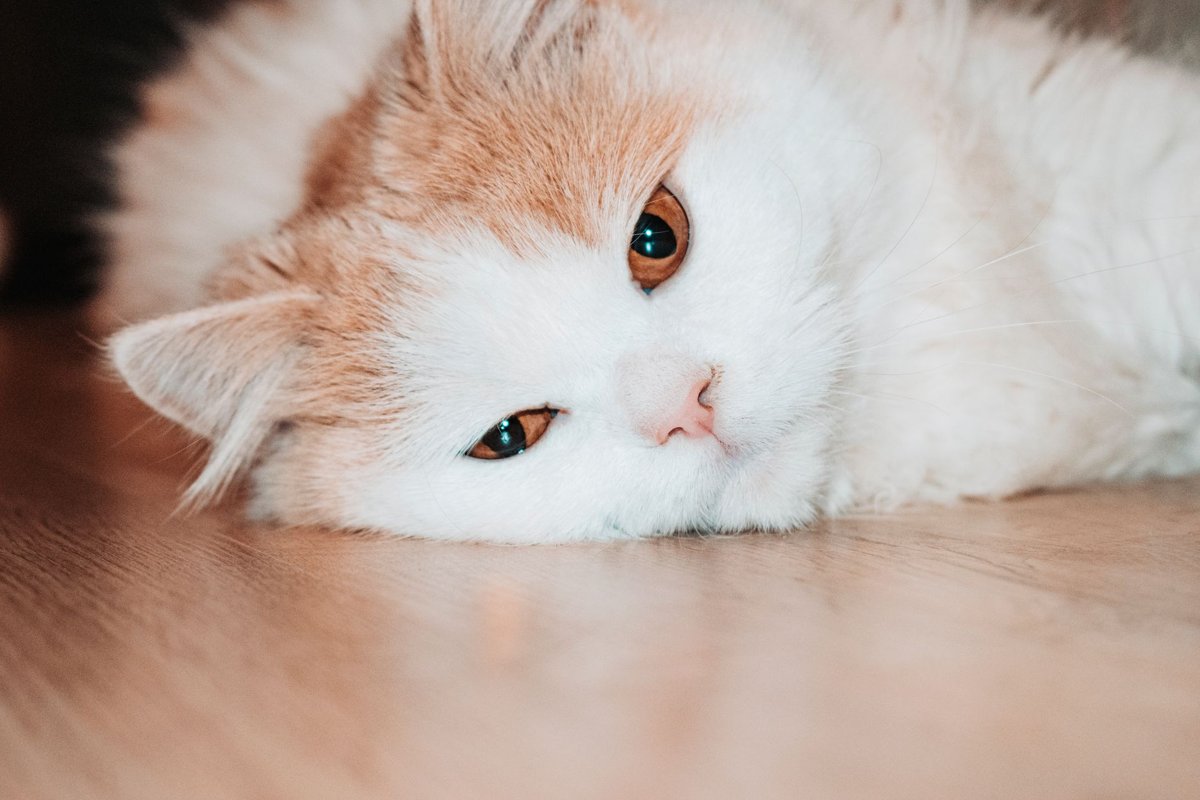
A cat who holds the tail low all the time, won’t move it, or is sensitive to touch at the base of the tail may be in pain. Tail injuries, such as from a door, can also damage nerves that control the bladder and bowels, so see your vet if your cat has a tail injury or limp tail.
Helpful Products
- Cat wand toys: Great for safe, hands-off play.
- Cat grooming brushes: Short brushing sessions many cats enjoy.
- Cat kicker toys: Lets cats pounce and kick without targeting your hands.
Frequently Asked Questions
Do cats wag their tails when happy?
Usually not. A happy cat holds its tail upright. Wagging or swishing usually means focus or irritation.
Why does my cat wag its tail when I pet it?
It may be getting overstimulated. Take it as a cue to slow down or stop.
Why does my cat’s tail twitch when sleeping?
Light twitching during sleep is normal and may happen during dreams.
What does it mean when a cat’s tail puffs up?
Your cat is frightened or startled and is trying to look bigger.
The Bottom Line
Cats talk with their tails, just not the way dogs do. Upright means hello, swishing means pay attention, and thumping means back off. Watch the tail along with the ears and body, and you’ll understand your cat much better.
Keep reading:
- Why Do Cats Growl? What Your Cat Is Telling You
- Why Do Cats Hiss? Causes and How to Help a Hissing Cat
- Why Do Cats Knead? What 'Making Biscuits' Really Means
- When the Cat Is the Pest: How Our Cats and Dogs Share One Home
As an Amazon Associate, we earn from qualifying purchases. This post contains affiliate links.