
As an Amazon Associate, we earn from qualifying purchases. This post contains affiliate links.
Quick answer: Cats knead mostly because it is a comforting, instinctive behavior linked to nursing as kittens. In adult cats, kneading also often helps with contentment, scent marking, stretching, and settling a cozy place to rest.
Your cat climbs into your lap, starts pushing their paws in and out like they are kneading dough, and maybe purrs or drools a little. Cat lovers call it making biscuits, and it is one of the most common and charming cat behaviors.
In most cases, kneading is completely normal. It usually means your cat feels safe and relaxed with you. If you are learning cat behavior as a whole, our complete cat care guide can help you read the rest of your cat’s signals too.
Why cats knead in the first place
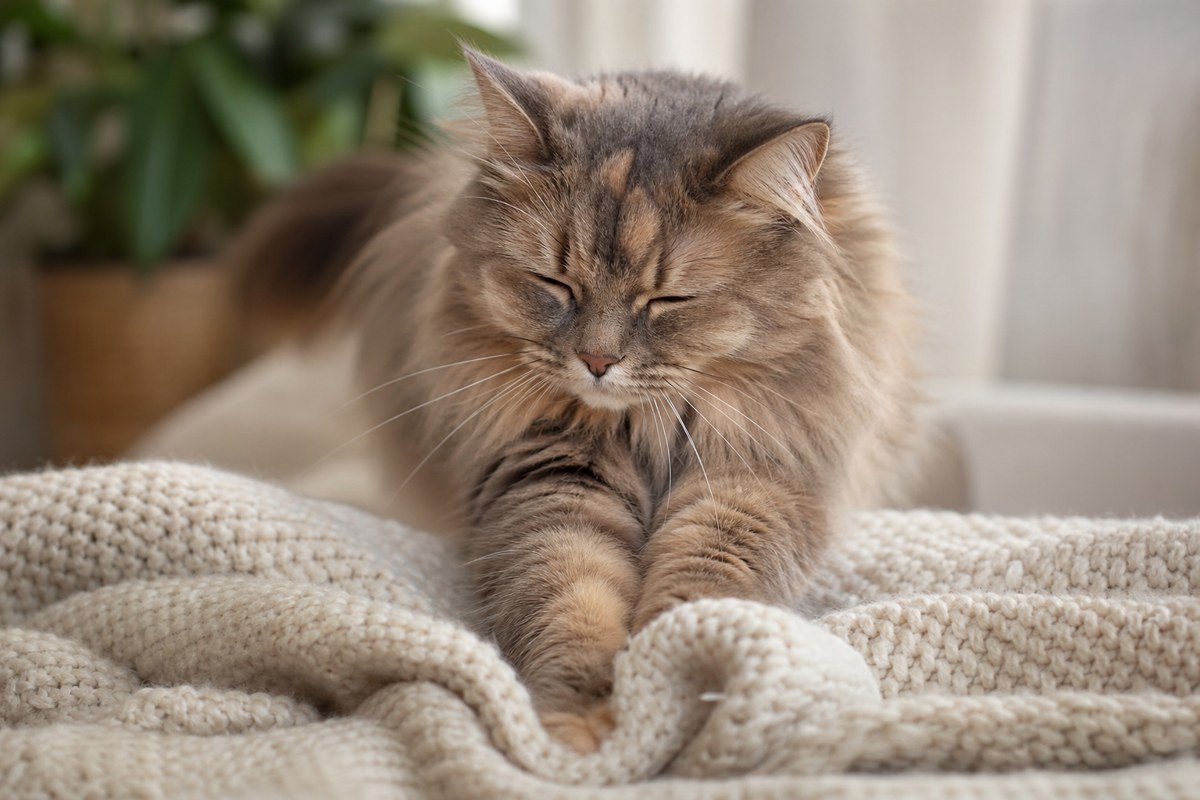
Kneading starts very early in life. Newborn kittens press their front paws against their mother while nursing, which helps milk flow. Many cats carry that motion into adulthood. That is why kneading often shows up when a cat is warm, sleepy, relaxed, or curled up on a soft surface.
Adult cats also knead for other normal reasons. Cats have scent glands in their paw pads, so kneading can leave their scent on you, a blanket, or a favorite bed. It may also help them pat down a resting spot before lying down, which fits with the old idea that wild cats would settle grass or leaves before resting.
Kneading can also be part of a simple stretch. After a nap, some cats extend their toes and paws, flex their legs, and knead a little before settling again. In other words, kneading is often a mix of instinct, comfort, body language, and routine rather than just one single meaning.

What it means when your cat kneads you
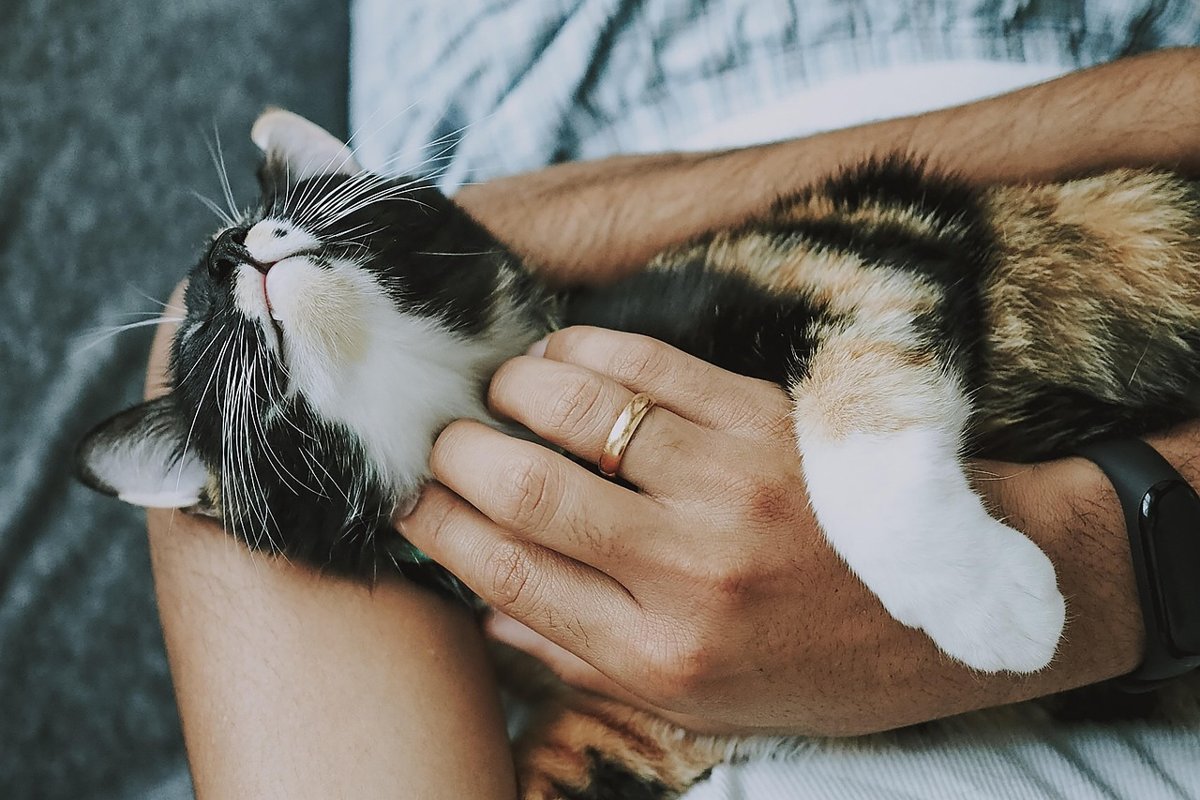
- It is usually a compliment. Your cat often kneads your lap, chest, or blanket because they feel comfortable and secure with you.
- The behavior is tied to kitten comfort. In a sense, your cat is tapping into the same soothing pattern used during nursing.
- Your cat may be scent marking you. Paw pad scent leaves a quiet this-belongs-to-me message behind.
- Some cats knead right before a nap. They may be making a soft place to settle and rest.
- Some cats knead while purring, drooling a little, or suckling fabric. That can still be part of a relaxed comfort routine.
- A cat who kneads you is not trying to be dominant or difficult. Most of the time, they are simply calm, attached, and comfortable in that moment.
Is kneading always a sign of happiness
Often, yes, but it helps to think of kneading as a self-soothing behavior more than a pure happiness signal. A happy cat may knead. A sleepy cat may knead. A cat trying to settle down may knead too. The common theme is usually comfort and regulation.
That is why the rest of your cat’s body language matters. Soft eyes, a loose body, purring, lying down, and a calm face often point to contentment. If the body looks tense, the ears are back, or the tail is twitching sharply, your cat may be conflicted or overstimulated even if the paws are still kneading. Our post on cat tail language can help you read those signals better.
It is also important to remember that not every cat kneads. Some cats do it daily, some only now and then, and some rarely or never do. A cat who does not knead is not less bonded, less affectionate, or less happy. It is just one of many normal personality differences.
How to handle painful kneading without upsetting your cat
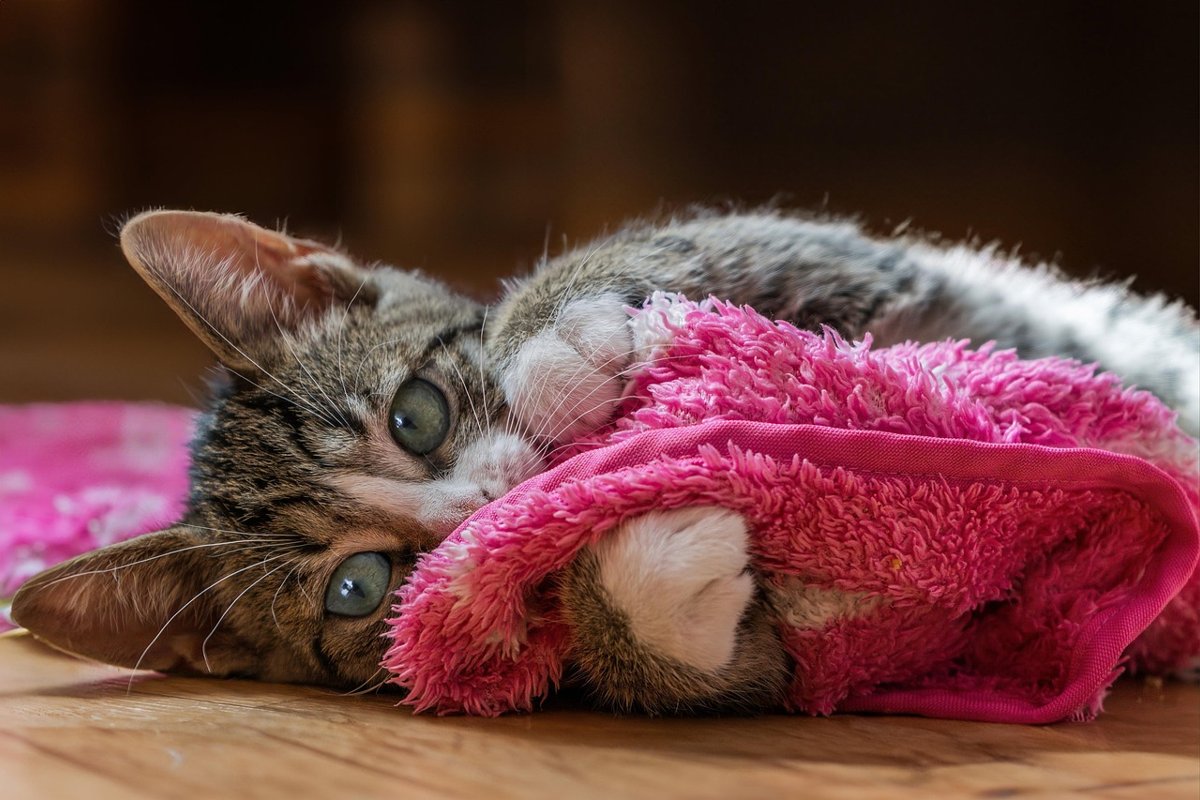
- Put a soft barrier between your cat and your skin before they settle in. A folded towel or a soft fleece throw on your lap can make cuddling much more comfortable.
- Keep your cat’s nails trimmed on a gentle, regular schedule. Many vets recommend small trims every few weeks, though each cat is different. If you need help, our guide to trimming your cat’s nails walks through the basics, and a simple cat nail clipper can make routine care easier.
- Redirect rather than remove. If your cat starts kneading bare legs or a sore spot, slide a lap blanket under the paws or guide them toward a nearby warm cat bed.
- Avoid punishment. Do not scold, flick paws, or shove your cat away. Since kneading is usually tied to comfort, punishment can make your cat anxious or wary of being close to you.
- Offer cat-friendly surfaces elsewhere. A soft sleeping area, a cozy chair blanket, and a consistent resting spot can all give your cat a place to knead without using your body as the target.
- Do not declaw. Declawing is an amputation of the last bone of each toe and is opposed by many veterinary groups. Humane options include regular trims with cat clippers, a soft throw, and good scratching surfaces.
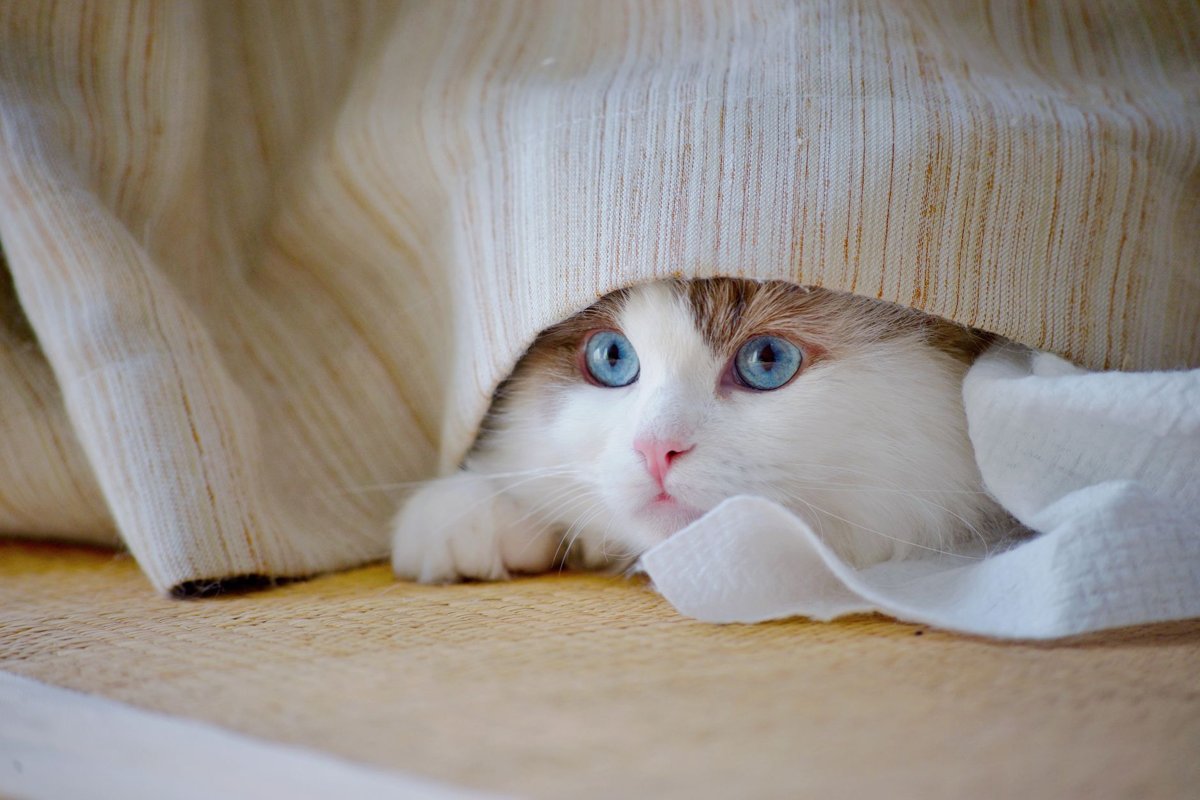
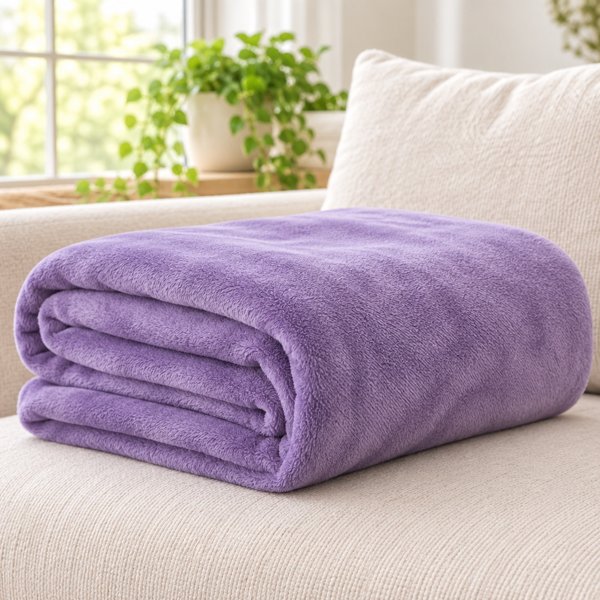
Top pick
Soft fleece throw blankets
If your cat loves to knead on your lap, a soft throw can make the whole routine more comfortable for both of you. It adds a gentle barrier without interrupting a behavior that is usually tied to comfort and trust.
- Soft lap barrier
- Cozy resting surface
- Easy to keep nearby
Common kneading situations and what to do
| Situation | What it often means | Practical response |
|---|---|---|
| Kneading while purring on your lap | Relaxation, trust, and comfort | Let it continue and add a fleece throw if claws snag |
| Kneading a blanket before sleep | Making a bed, scent marking, settling down | Leave the routine alone and keep a quiet soft resting spot nearby |
| Kneading after a nap | A light stretch while waking up | Usually normal, no action needed unless claws are causing problems |
| Kneading and drooling a little | Deep relaxation, often linked to kitten comfort | Usually harmless if it only happens then, wash bedding as needed |
| Kneading and sucking on fabric | Comfort behavior that needs watching | Use a cozy cat bed, limit risky fabrics, and call your vet if your cat chews or swallows material |
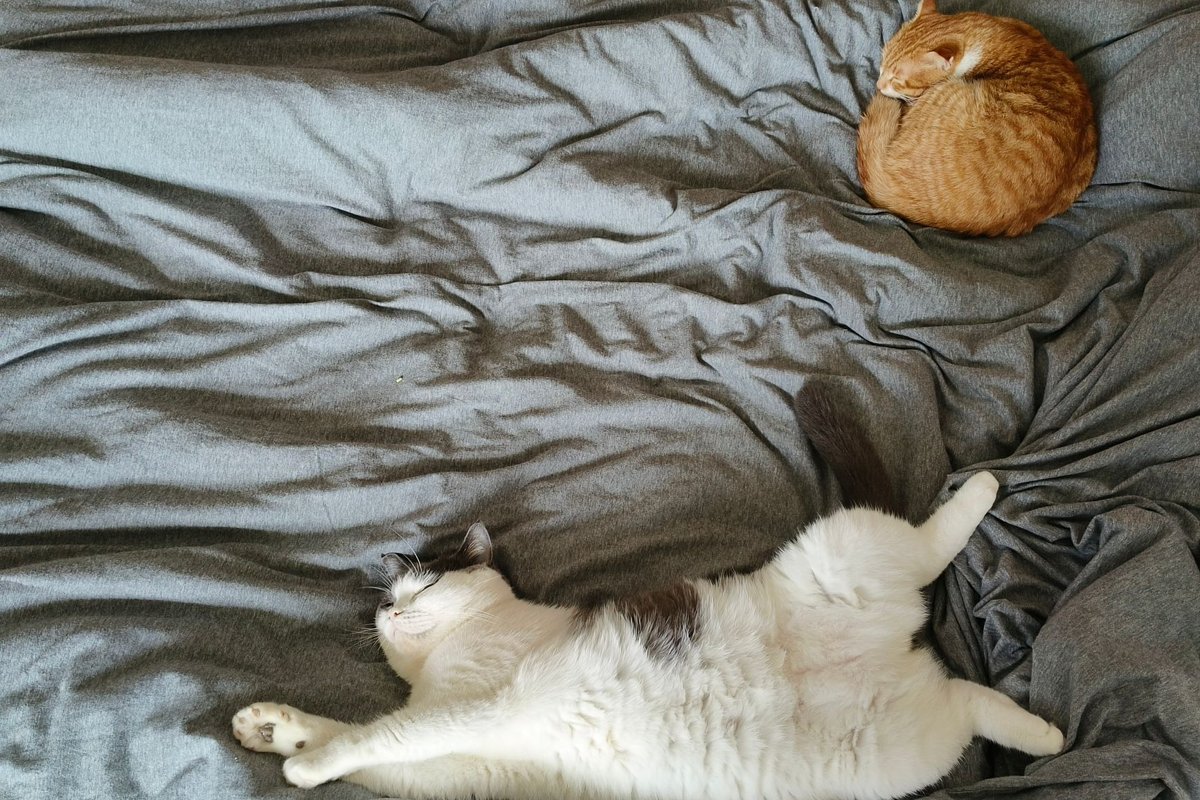
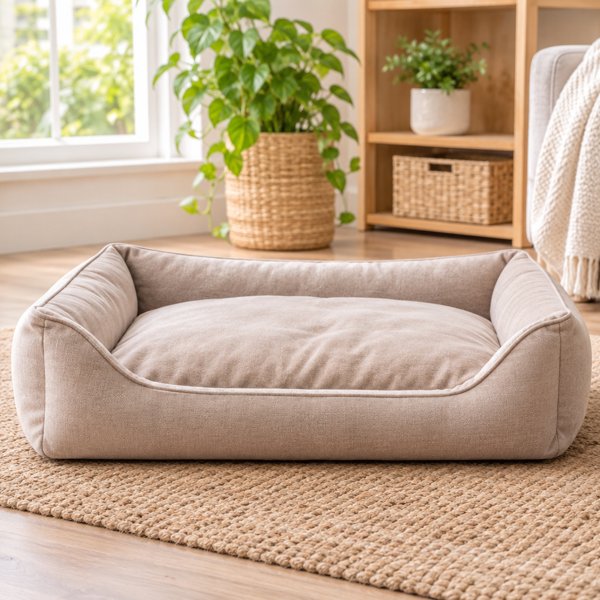
Good to have
Self-warming cat beds
A warm, soft bed gives many cats a natural place to knead before settling down for a nap. That can make gentle redirection easier when you want your cat to choose a cozy spot besides your legs or blanket.
- Soft kneading spot
- Encourages restful lounging
- Useful for redirection
When kneading could point to stress or a health problem
Kneading by itself is almost always normal. What matters is whether it changes suddenly, becomes much more intense, or starts showing up with other behavior changes. Cats sometimes lean harder on self-soothing habits when they are stressed, uncomfortable, or not feeling well.
Pay attention if kneading becomes constant, frantic, or far more frequent than usual. The same goes for kneading that appears along with hiding, appetite changes, vomiting, weight loss, overgrooming, sleep changes, restlessness, or reduced interest in normal activities. In that case, kneading may be one clue among several, not the whole story.
Fabric chewing or sucking deserves extra care. If your cat damages blankets, pulls threads loose, or seems to swallow pieces of fabric, that can become dangerous. Swallowed fabric may cause an intestinal blockage, so it is best to remove risky items and speak with your veterinarian.
Older cats can also change their habits over time. Some become clingier, more routine-driven, or more easily stressed. If you live with an older cat, our post on caring for senior cats covers common day to day changes that can come with age.
When to Call the Vet
- Call your vet promptly if kneading is a sudden new behavior and your cat also seems painful, withdrawn, unusually restless, or generally unwell.
- Make a vet appointment if kneading ramps up along with appetite changes, weight loss, vomiting, overgrooming, litter box changes, hiding, or behavior that seems out of character.
- Call soon if your cat drools at times other than relaxed kneading, since drooling can sometimes point to mouth pain, dental problems, nausea, or another medical issue.
- Seek urgent veterinary care if your cat may have swallowed fabric, string, thread, stuffing, or pieces of a blanket.
- Get urgent care if your cat is retching, cannot keep food down, seems painful in the belly, becomes very lethargic, or has trouble breathing.
- If you are not sure whether a change is behavioral or medical, it is safest to check with your veterinarian rather than assume it is just a cute habit.
Helpful Products
Also great
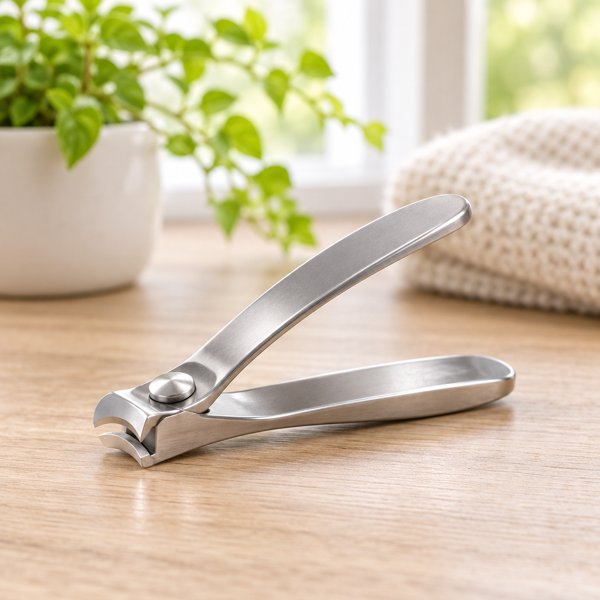
Cat nail clippers
These clippers suit cat owners who want to make lap kneading more comfortable without changing a normal behavior. They help keep nail tips tidy, which can reduce snagging on skin, clothes, blankets, and furniture during biscuit making.
- Easy routine claw care
- Helps reduce snags
- Good for regular trims
Soft fleece throw blankets
This cozy throw is a good fit for anyone who shares lap time with a kneading cat and wants a soft layer between claws and skin. It adds comfort while helping protect blankets and legs during those kneading moments.
Self-warming cat beds
A comfy spot for kneading and napping.
Why Do Cats Knead FAQ
Why does my cat knead and purr at the same time?
That combination usually means your cat feels relaxed and secure. Kneading and purring often happen together during calm, sleepy, affectionate moments. If your cat also has loose body language and settles down afterward, it is usually normal.
Why does my cat drool when kneading?
Some cats drool a little when they are deeply relaxed, and that may be tied to the same kitten comfort response behind kneading. It is often harmless if it only happens during those moments. If drooling also happens at other times, ask your vet to check for a medical cause.
Do all cats make biscuits?
No. Many cats knead, but some do not, and both can be completely normal. Cats vary a lot in how they show comfort and affection. Other calm behaviors, like purring, head bunting, or curling up near you, can mean just as much.
Should I stop my cat from kneading blankets or my lap?
Usually, no. Kneading is a normal behavior, and it is better to manage it kindly than try to stop it. Use a soft lap throw, keep claws trimmed with cat nail clippers, and redirect to a cozy bed if needed.
The Bottom Line
Kneading is usually your cat’s way of saying they feel safe, soothed, and comfortable. Keep a soft barrier handy, stay on top of nail trims, and check with your vet if the behavior changes suddenly or comes with other warning signs.
Keep reading: