
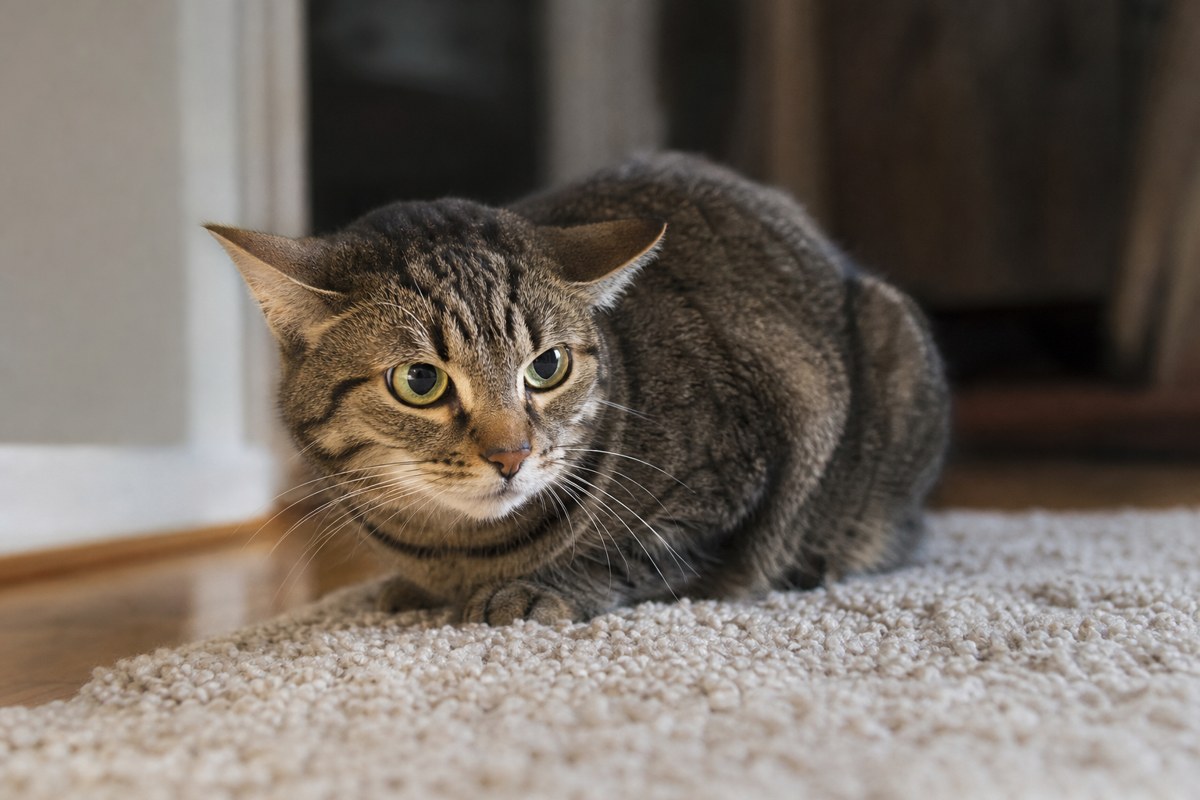
Quick answer: Cats growl as a warning: ‘back off.’ Common reasons include fear, feeling cornered, guarding food or territory, pain, and meeting a new animal. The best response is to give your cat space, never punish the growl, and figure out what’s triggering it.
A growl from a cat is a low, rumbling sound that’s hard to misread. Your cat is uncomfortable and wants whatever is happening to stop.
Growling is actually helpful. It’s a cat’s way of communicating before things escalate to hissing, swatting or biting.
Common Reasons Cats Growl
- Fear. A loud noise, a stranger, or a trip to the vet.
- Feeling cornered with no escape route.
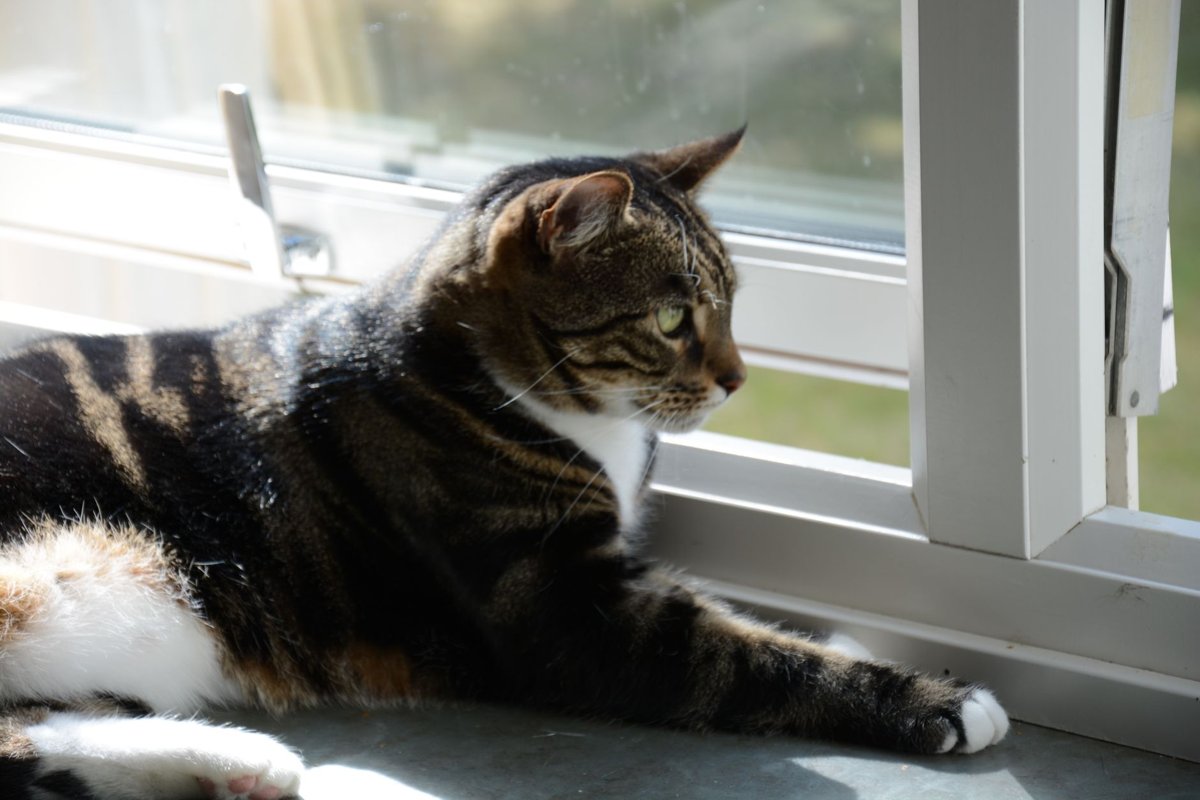
- Territory. Spotting another cat through the window, or a new pet in the home.
- Guarding food or toys, especially in multi-pet homes.
- Pain. A cat who growls when touched in a certain spot may be hurting.
- Overstimulation. Some cats growl when petting goes on too long.
- Redirected aggression. A cat upset by something they can’t reach (like an outdoor cat) may growl at whoever is nearby.
Read the Whole Body
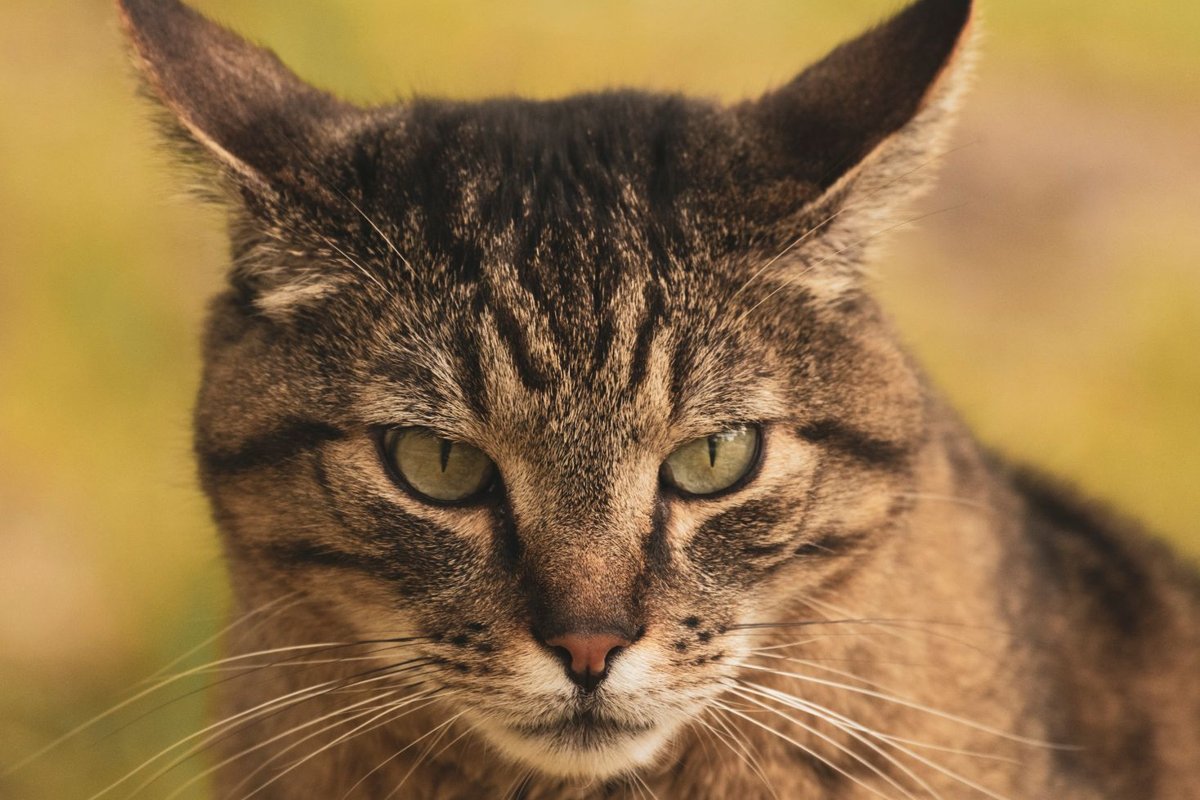
| Body part | Warning signs |
|---|---|
| Ears | Flattened back or sideways |
| Eyes | Wide pupils, staring |
| Tail | Puffed up, lashing or tucked |
| Body | Crouched low or arched with fur standing up |
| Sounds | Growling, hissing, spitting |
How to Respond
- Give space. Step back and let your cat retreat.
- Don’t punish growling. Punishing the warning can teach a cat to skip it and go straight to biting.
- Remove the trigger if you can, like closing blinds if an outdoor cat is the problem.
- Let them calm down before trying to interact again. This can take a while.
- Give every pet its own resources, including food bowls, litter boxes and resting spots, to reduce competition.
When Growling Means a Vet Visit
If a usually friendly cat starts growling, especially when picked up or touched, pain could be the reason. Arthritis, dental disease and injuries are common causes. Sudden behavior changes in older cats are always worth a checkup. If growling between cats in your home becomes regular fighting, your vet or a feline behavior professional can help.
Helpful Products
- Cat trees: High escape spots help cats feel safe.
- Calming cat pheromone diffusers: May help some cats feel more relaxed at home.
- Window privacy film: Blocks the view of outdoor cats that trigger growling.
Frequently Asked Questions
Why does my cat growl at my other cat?
Usually over territory, resources or tension. Make sure each cat has its own space, food and litter box, and reintroduce slowly if needed.
Why does my cat growl when I pick her up?
She may dislike being held, or she may be in pain. If it’s new behavior, see your vet.
Do cats growl when playing?
Some cats make noise during rough play, but true growling usually means play has turned into something more serious.
Should I growl back at my cat?
No. It can frighten your cat and damage trust.
The Bottom Line
A growl is your cat’s polite, early warning. Respect it, give space, figure out the trigger, and if a friendly cat suddenly starts growling, have your vet check for pain.
Keep reading:
- Why Do Cats Hiss? Causes and How to Help a Hissing Cat
- Why Do Cats Wag Their Tails? Reading Your Cat's Tail Language
- When the Cat Is the Pest: How Our Cats and Dogs Share One Home
- Keeping Indoor Cats Happy and Healthy
As an Amazon Associate, we earn from qualifying purchases. This post contains affiliate links.