
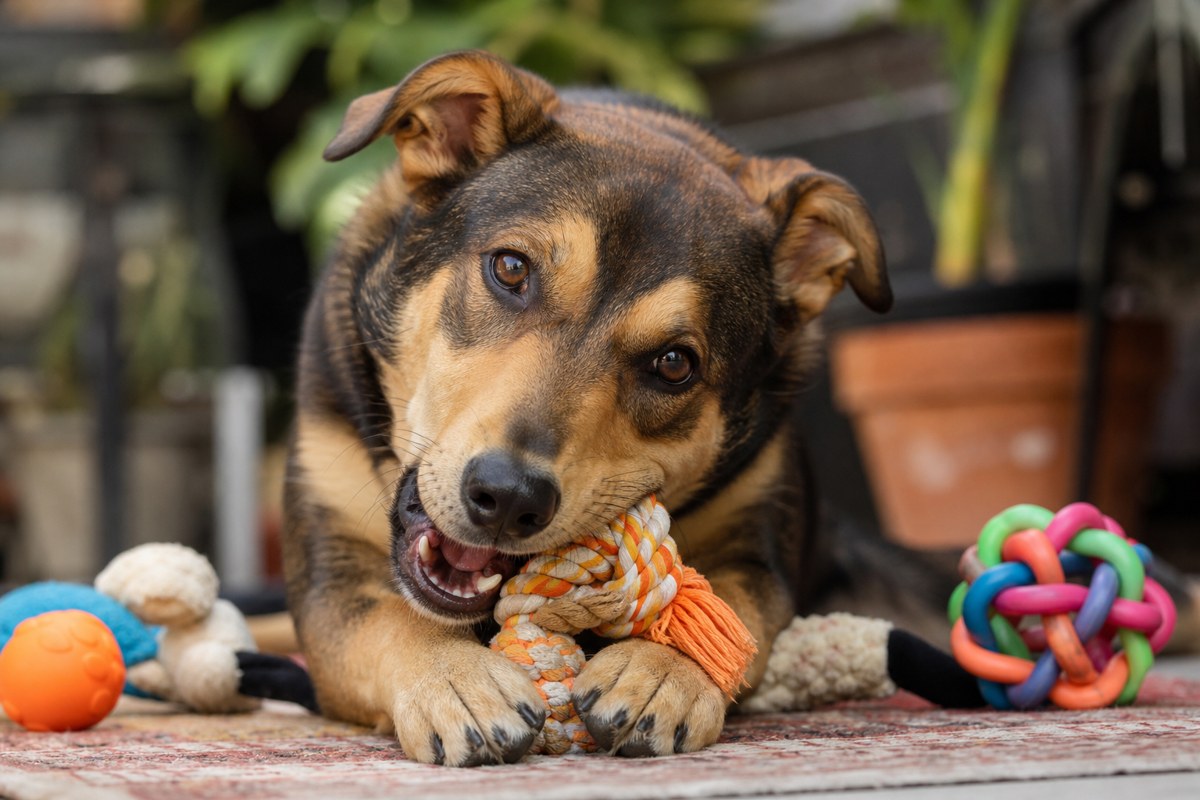
Quick answer: The best dog toys match your dog’s size, age and chewing style. Most dogs benefit from a mix of chew toys, puzzle toys, fetch toys and soft comfort toys. Supervise new toys, replace damaged ones, and skip anything small enough to swallow.
Toys aren’t just fun. They’re how dogs burn energy, use their brains and satisfy natural urges to chew, chase and dissect. A bored dog will find their own entertainment, often your shoes.
Here’s how to pick toys that are safe, satisfying and the right fit for your dog.
Types of Dog Toys
| Type | Good for |
|---|---|
| Chew toys (rubber, nylon) | Puppies teething, dogs who love to chew |
| Puzzle and treat-dispensing toys | Mental exercise, slowing down eating, alone time |
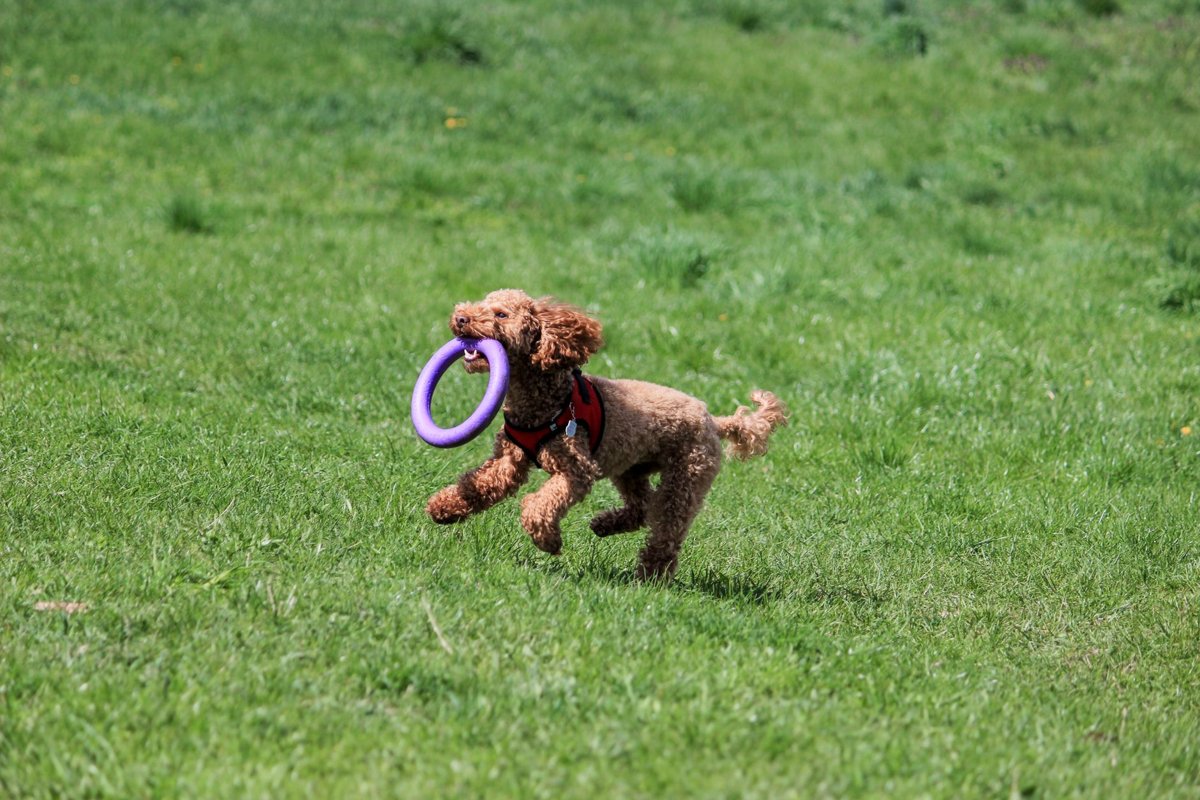
| Fetch toys (balls, flying discs) | High-energy dogs and active play |
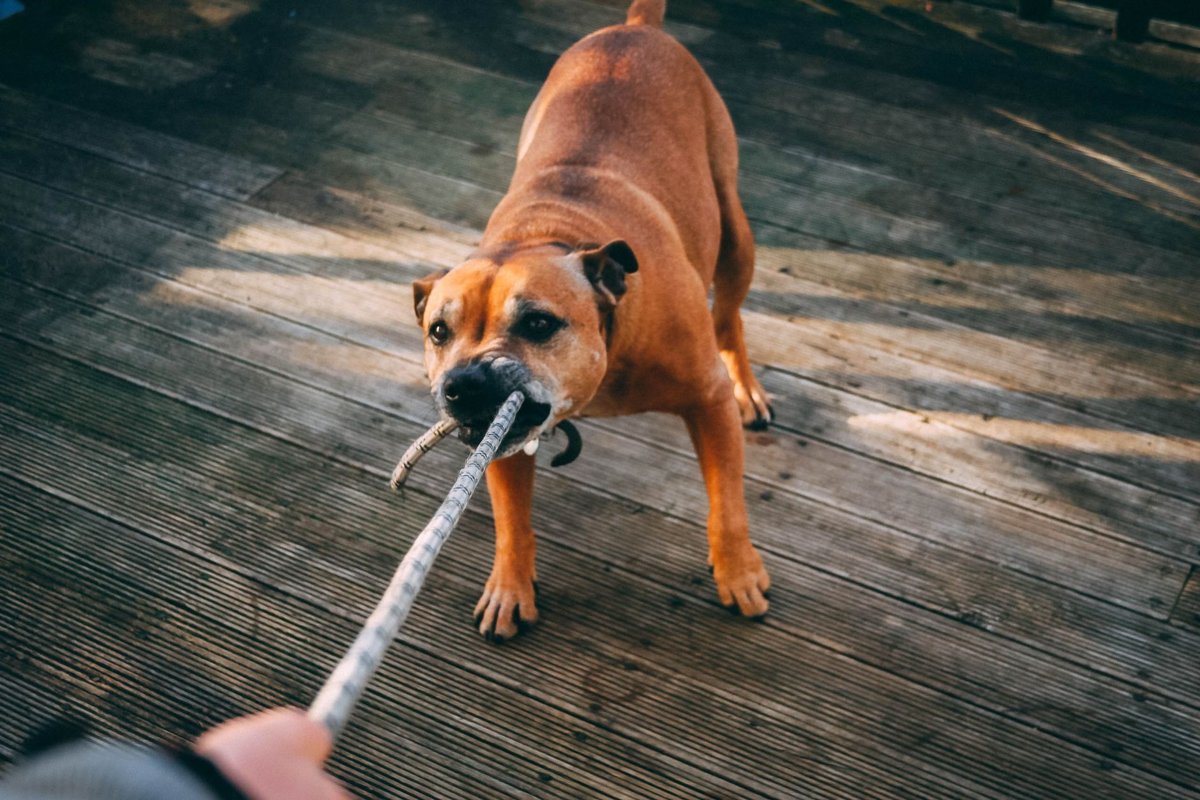
| Tug toys | Interactive play and building a bond |
| Plush and squeaky toys | Gentle players and comfort |
| Snuffle mats and lick mats | Calm sniffing and licking enrichment |
Know Your Dog’s Chewing Style
- Gentle players carry toys around and may nap with them. Plush toys usually last.
- Moderate chewers like squeakers and tug but eventually wear things down.
- Power chewers destroy most toys quickly. Look for tough rubber toys labeled for heavy chewers, and supervise.
Toy Safety Tips
- Size matters. A toy should be too big to fit fully in your dog’s mouth or throat. Balls that are too small are a choking risk for big dogs.
- Supervise new toys until you know how your dog uses them.
- Toss damaged toys. Loose squeakers, stuffing and broken pieces can be swallowed and cause blockages.
- Be careful with very hard chews. Many vets warn that items too hard to dent with a fingernail can fracture teeth.
- Skip cooked bones and avoid rawhide for dogs who gulp large pieces.
- Don’t use tennis balls as chew toys, since the fuzz can wear down teeth over time.
Keep Toys Interesting
Dogs get bored with the same toys. Rotate a few toys out each week and bring them back later; old toys feel new again. Interactive play with you, like tug and fetch, is usually more exciting than any toy on its own.
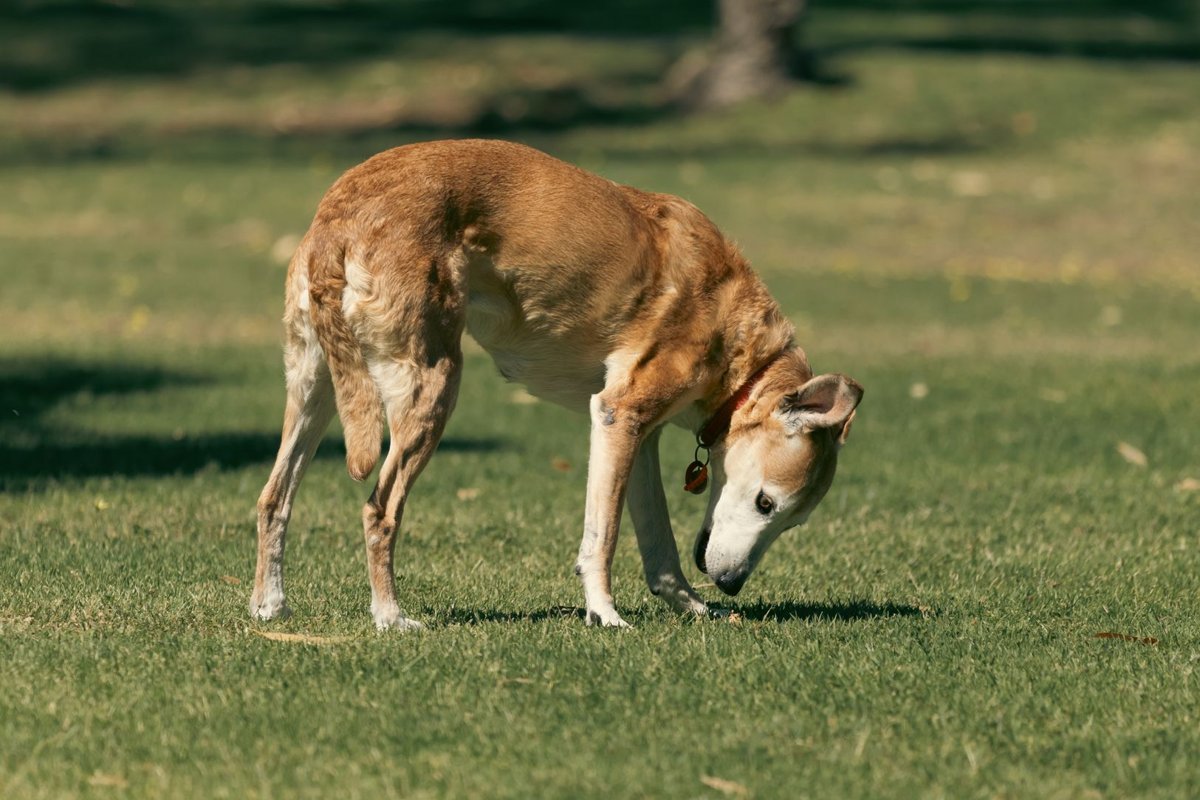
Senior dogs still need play too. Our senior Yorkie stopped playing with toys around 14, so we switched to gentle sniffing games in the yard instead. Lick mats and snuffle mats are great low-impact options for older dogs.
Toys for Different Life Stages
- Puppies: soft rubber teething toys and puzzle toys.
- Adults: a mix of chew, fetch, tug and puzzle toys based on energy level.
- Seniors: softer toys, sniffing games, lick mats and gentle puzzles.
Helpful Products
- Durable rubber chew toys: Tough toys for strong chewers.
- Dog puzzle toys: Brain games that tire dogs out.
- Snuffle mats: Gentle sniffing fun, great for seniors.
- Tug toys: Interactive play that builds your bond.
Frequently Asked Questions
How many toys should a dog have?
There’s no magic number, but a variety of a few types, rotated weekly, keeps most dogs interested.
Are squeaky toys safe for dogs?
Usually, with supervision. Remove them if your dog starts pulling out the squeaker.
What toys are best for power chewers?
Heavy-duty rubber toys labeled for strong chewers, sized correctly, and always supervised.
Why does my dog destroy every toy?
Some dogs love to dissect toys. Choose tougher options and use puzzle toys to channel that energy.
The Bottom Line
The right toys keep your dog’s body and brain busy. Match toys to your dog’s size and chewing style, rotate them often, supervise new ones, and toss anything that’s falling apart.
Keep reading:
- Interactive Cat Toys: How to Keep Your Cat Engaged
- Fun Indoor Activities to Keep Dogs and Cats Happy
- Can Dogs See Color? How Dogs See the World
- Dog Training Basics: Effective, Reward-Based Techniques
As an Amazon Associate, we earn from qualifying purchases. This post contains affiliate links.