
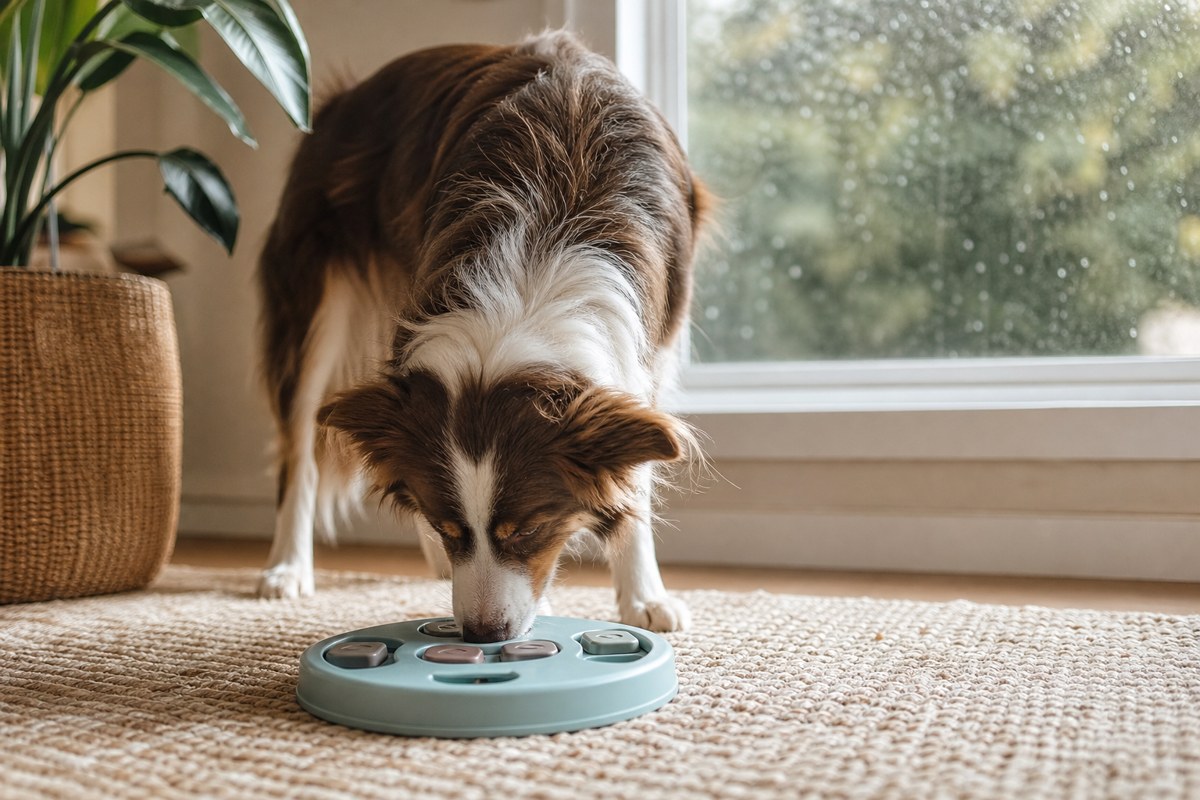
Quick answer: Great indoor activities include puzzle feeders, hide-and-seek, scent games, short training sessions and tug for dogs, and wand toy play, treat hunts, cardboard boxes and window watching for cats. Mental exercise tires pets out almost as well as physical exercise.
Bad weather, a busy week, or a senior pet who can’t go far doesn’t have to mean a bored pet. Here in Chicago, winter keeps our pets inside a lot, so we’ve learned that a little creativity goes a long way.
Here are easy indoor activities for dogs and cats that keep their bodies moving and their brains busy.
Indoor Activities for Dogs
- Puzzle feeders and treat toys. Turn meals into a game.
- Find it. Hide treats around a room and tell your dog to ‘find it.’ Start easy and make it harder.
- Hide-and-seek. Have your dog stay, hide, then call them.
- Trick training. Spin, shake, touch, or go to your mat. Short 5-minute sessions are plenty.
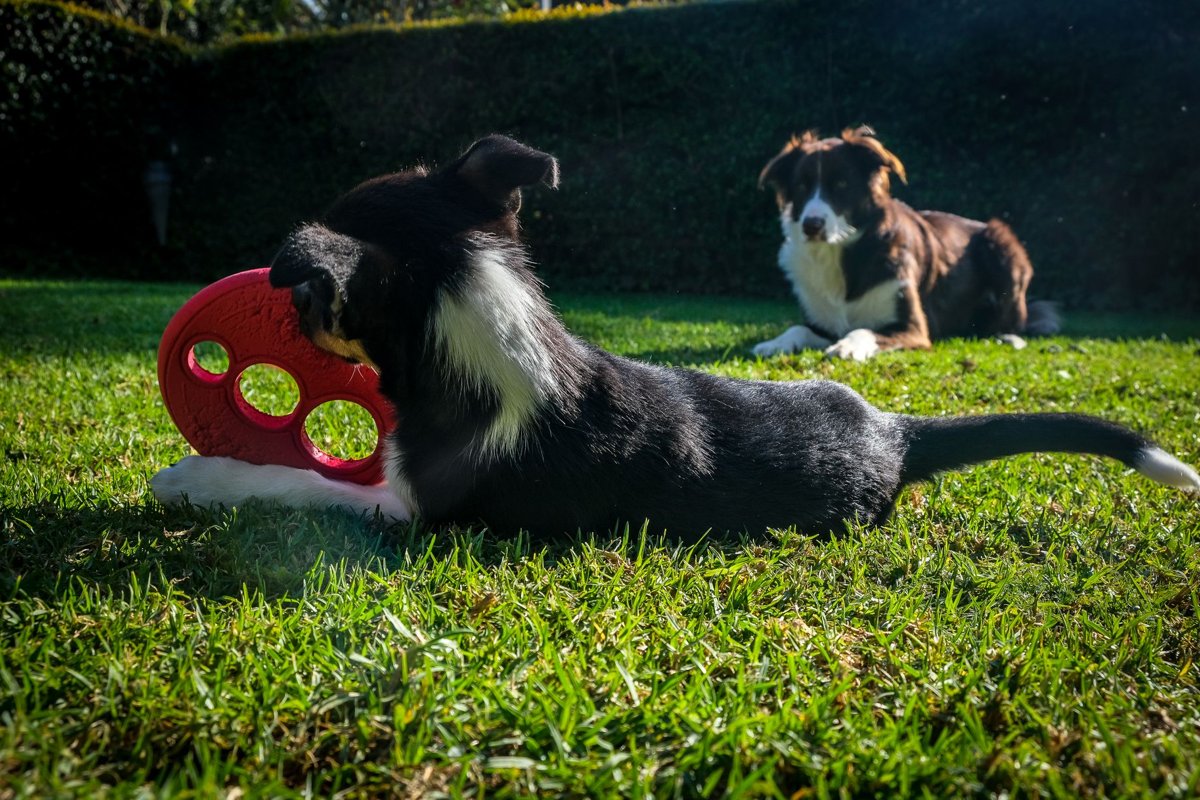
- Tug. Great exercise with simple rules like ‘drop it.’
- Stair work for healthy, young dogs (skip for seniors and small dogs with joint issues).
- Snuffle mats and lick mats. Calm, satisfying activities that are great for seniors.
Indoor Activities for Cats
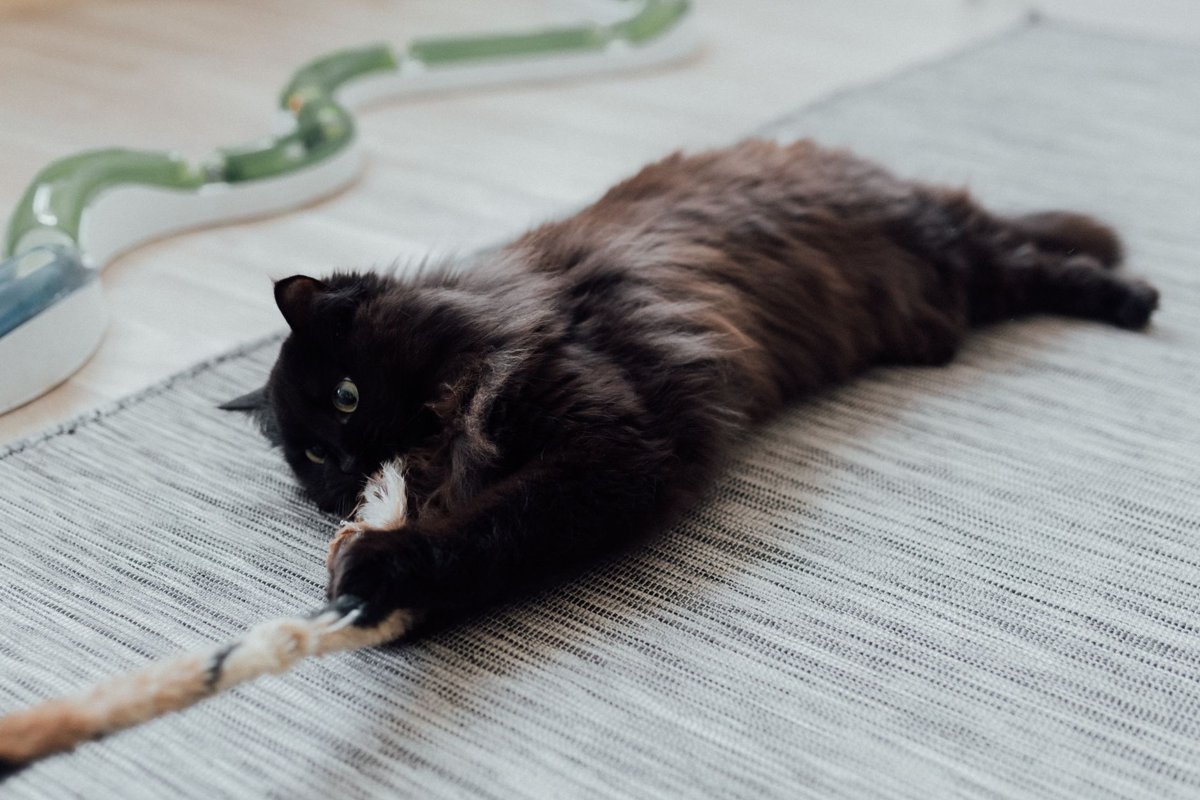
- Wand toy play. Mimic prey by letting the toy hide, dart and land. End with a ‘catch’ and a treat.
- Treat hunts. Hide small treats or kibble around the house.
- Puzzle feeders. Slow eating and make cats work for food.
- Cardboard boxes and paper bags (handles removed). Endless entertainment.
- Window perches. Bird watching is cat TV.
- Clicker training. Cats can learn tricks like high-five and sit.
- Cat trees and shelves for climbing and exploring.
Activities Pets Can Share
In multi-pet homes, everyone can join in on calm activities like treat hunts in separate rooms or training sessions with turns. In our house, Max, our cat, seems to think annoying the dogs is a sport, so we make sure he gets his own laser and wand play time.

Safety Tips
- Supervise toys with strings, feathers or small parts, and put them away after play.
- Don’t let cats chase laser pointers without ending on a real toy or treat to ‘catch.’
- Keep play gentle for senior pets and those with joint problems.
- Use treats from your pet’s daily food allowance to avoid weight gain.
Helpful Products
- Dog puzzle feeders: Turns mealtime into brain exercise.
- Cat wand toys: The best interactive toy for indoor cats.
- Snuffle mats: Calm sniffing fun for dogs of any age.
- Cat window perches: Endless bird watching.
Frequently Asked Questions
How do I tire my dog out indoors?
Combine mental exercise like puzzle toys and training with short bursts of play like tug or hide-and-seek.
How long should I play with my cat each day?
Many cats do well with two or more short sessions of 10 to 15 minutes.
Are laser pointers bad for cats?
They can be frustrating if the cat never ‘catches’ anything. End sessions with a real toy or treat.
What are good indoor activities for senior dogs?
Snuffle mats, lick mats, gentle find-it games and short training sessions.
The Bottom Line
Indoor days can still be fun days. Mix brain games with short play sessions, rotate toys to keep them interesting, and adjust activities to your pet’s age and energy. A tired pet is a happy pet, wherever the fun happens.
Keep reading:
- The Ultimate Guide to Dog Toys: Types, Safety and Choosing the Right Ones
- Interactive Cat Toys: How to Keep Your Cat Engaged
- Keeping Indoor Cats Happy and Healthy
- When the Cat Is the Pest: How Our Cats and Dogs Share One Home
As an Amazon Associate, we earn from qualifying purchases. This post contains affiliate links.