
As an Amazon Associate, we earn from qualifying purchases. This post contains affiliate links.
Quick answer: To keep a senior cat warm in winter, give them a soft bed away from drafts, a safe, gentle heat source like a low-wattage heated pet bed or a self-warming pad, and easy ways to reach the warm, sunny spots they love. Keep them indoors, keep them away from space heaters and fireplaces, and call your vet if they seem weak, cold to the touch or unusually sleepy.
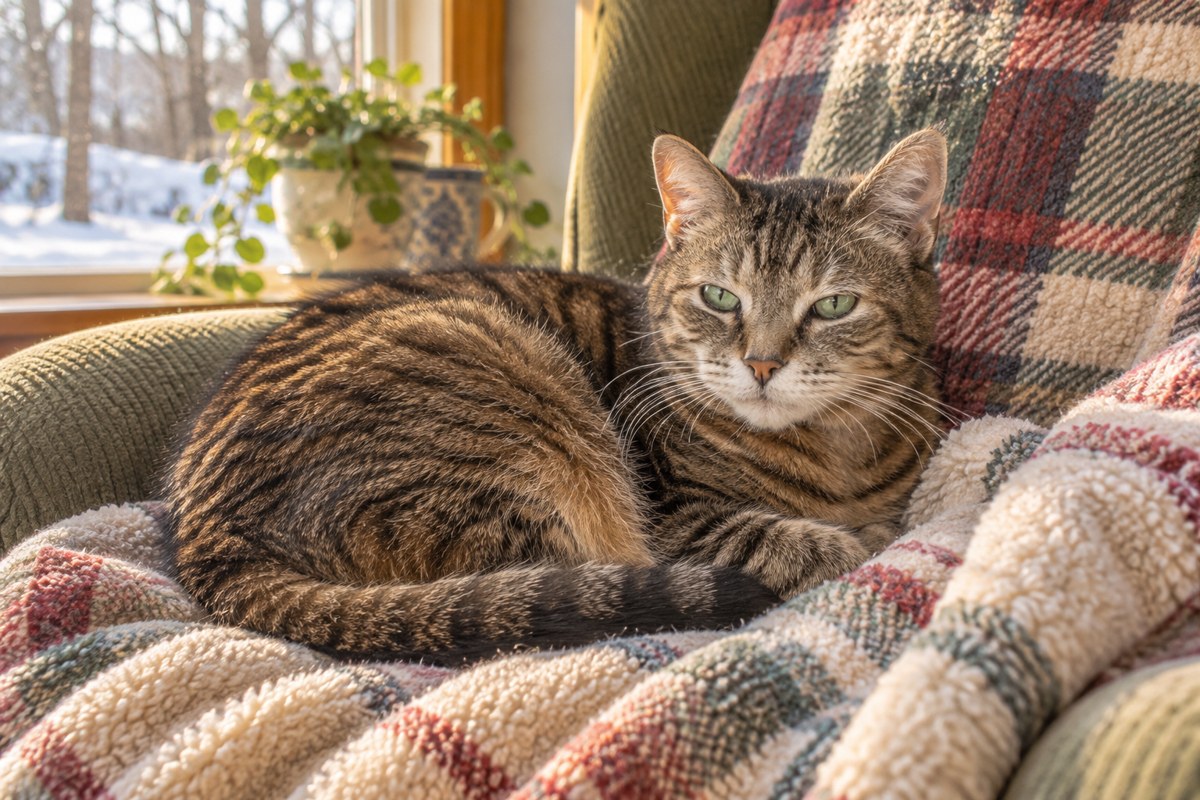
Cats are famous heat seekers, and that only grows as they age. Many senior cats have less muscle, thinner coats and stiffer joints than they did when they were young, so a chilly floor or a drafty window can bother them more than it used to. Many vets start thinking of cats as seniors at around 10 years old, which is right where a lot of family cats are today, including ours (we wrote about caring for senior cats at our house).
We live in Chicago, so winter is a long season for us. The good news is that keeping an older cat cozy doesn’t take much. A few small changes to beds, sunny spots and daily routines can make the cold months a lot more comfortable, and knowing the warning signs helps you catch problems early.
Why Older Cats Feel the Cold More
A healthy cat’s normal body temperature is higher than ours, usually somewhere around 100.5 to 102.5 degrees Fahrenheit. To stay in that range, cats rely on their coat, a layer of body fat and muscle that makes heat when they move. Older cats often lose some muscle and move around less, so they make and hold less heat.
Coat changes play a part too. Many senior cats groom less because bending and twisting is harder on stiff joints. A coat that is greasy, matted or thin doesn’t trap warm air as well as a clean, fluffy one.
Health conditions that are common in older cats, such as kidney disease, thyroid problems and arthritis, can also affect how well a cat handles cold or how easily they can move to a warmer spot. Many owners notice that stiff joints seem worse on cold days. If your cat seems much more bothered by the cold this year than last, that change is worth mentioning to your vet.
Signs Your Senior Cat Is Feeling Chilly
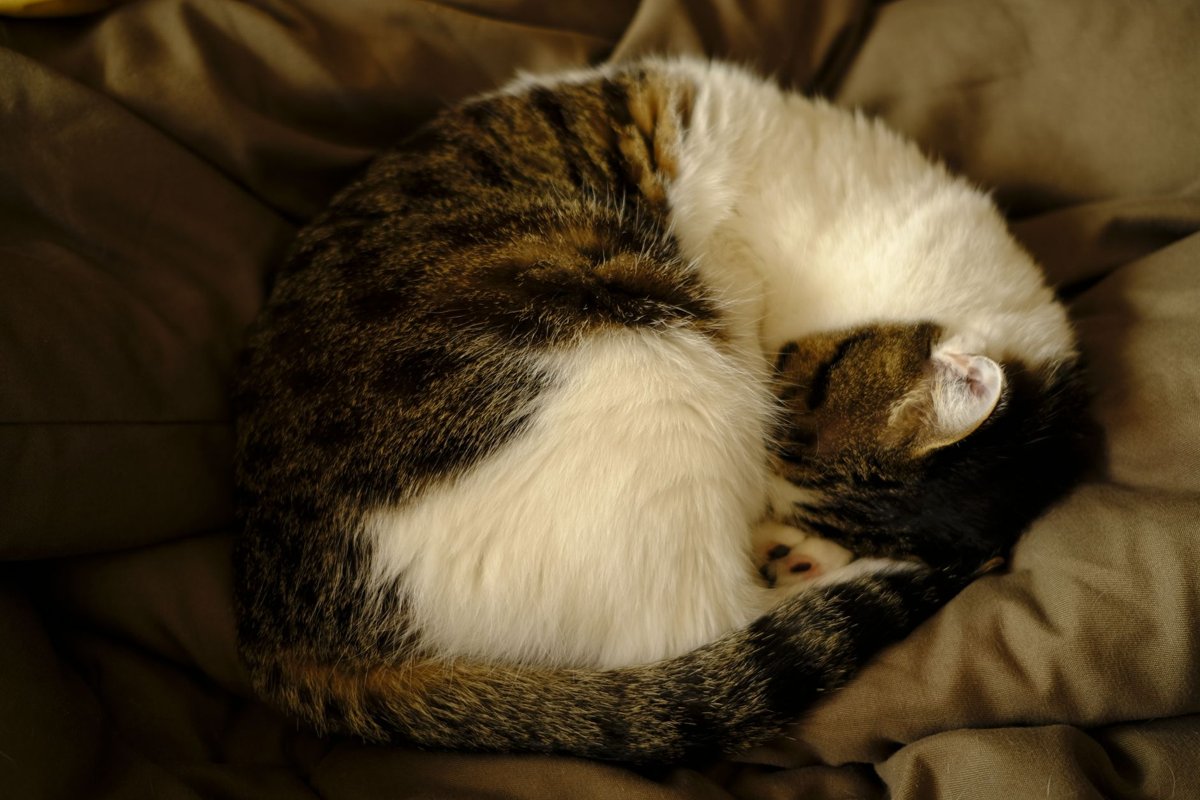
- Curling into a tight ball with the tail wrapped around the face and paws tucked in
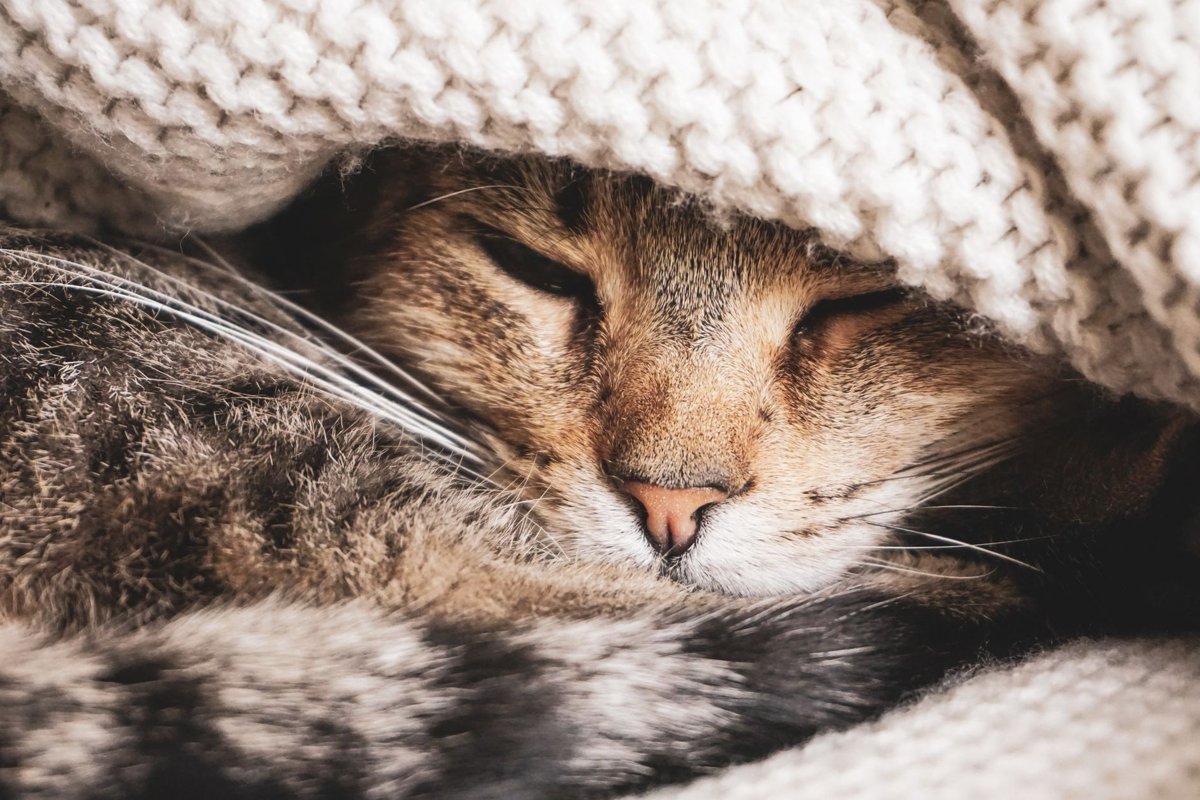
- Hunting for heat: sleeping on laptops, under blankets, on top of heating vents or right next to radiators
- Cold ear tips and paw pads when they would normally feel warm
- Moving less than usual, or seeming slower and stiffer when they first get up
- Mild shivering that stops once they warm up in a cozy spot
- Fluffed-up fur while resting, which is how cats trap extra air for warmth
How to Keep Your Senior Cat Warm at Home
- Raise the bed off the floor. Cold air sinks, so a bed on a low shelf, a chair or a couch stays warmer than one on tile or hardwood. Keep beds away from outside doors and drafty windows.
- Add gentle heat. A low-wattage heated cat bed made for pets gives steady, mild warmth. If you’d rather skip electricity, a self-warming pad reflects your cat’s own body heat back to them.
- Always leave a cooler option. Cats should be able to move off a heated spot whenever they want. Put the warm bed in a room where they also have a regular bed or blanket nearby.
- Make the warm spots easy to reach. An older cat with stiff joints may stop jumping to the couch or the sunny window. Sturdy pet stairs or a step stool can help them get there without a hard jump.
- Give them a sunny window seat. Many cats love to bask in winter sun. A heated window perch combines a sunny view with gentle warmth, as long as the window itself isn’t leaking cold air.
- Help with grooming. Brush gently a few times a week, especially along the back and hips where older cats have trouble reaching. A clean, untangled coat holds heat better.
- Keep them indoors. Senior cats should stay inside during cold weather. If your cat is used to going out, short, supervised trips on mild afternoons are a safer choice.
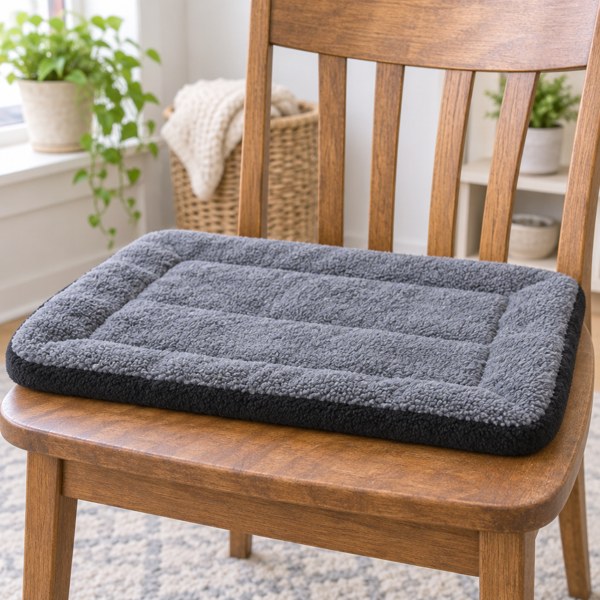
Top pick
K&H Self-Warming Cat Pad
If you want gentle warmth without a cord, this pad is an easy first step. Tuck it into your cat’s favorite bed or chair, and it turns their own body heat into a cozier nap spot.
- No electricity needed
- Easy to move room to room
- Layers inside other beds
Heated Bed, Self-Warming Pad or Plain Blanket?
| Option | How it works | Good for | Keep in mind |
|---|---|---|---|
| Heated pet bed | Low-wattage heater warms the bed to a mild, steady temperature | Thin, older or arthritic cats who love heat; cold rooms | Choose one made for pets and safety listed; check the cord often, especially with chewers |
| Self-warming pad | Reflective layer bounces the cat’s own body heat back | Cats who just need a little extra warmth; homes that want no cords | Works best for cats who curl up on it for a while; gives no extra heat on its own |
| Fleece blanket or covered bed | Traps warm air around the cat | Every cat; layering on top of other beds | Wash often; covered or cave beds help block drafts |
| Heated window perch | Mild heat plus a sunny spot to watch outside | Cats who already love the window | Only use on windows that seal well; make sure it can hold your cat’s weight |
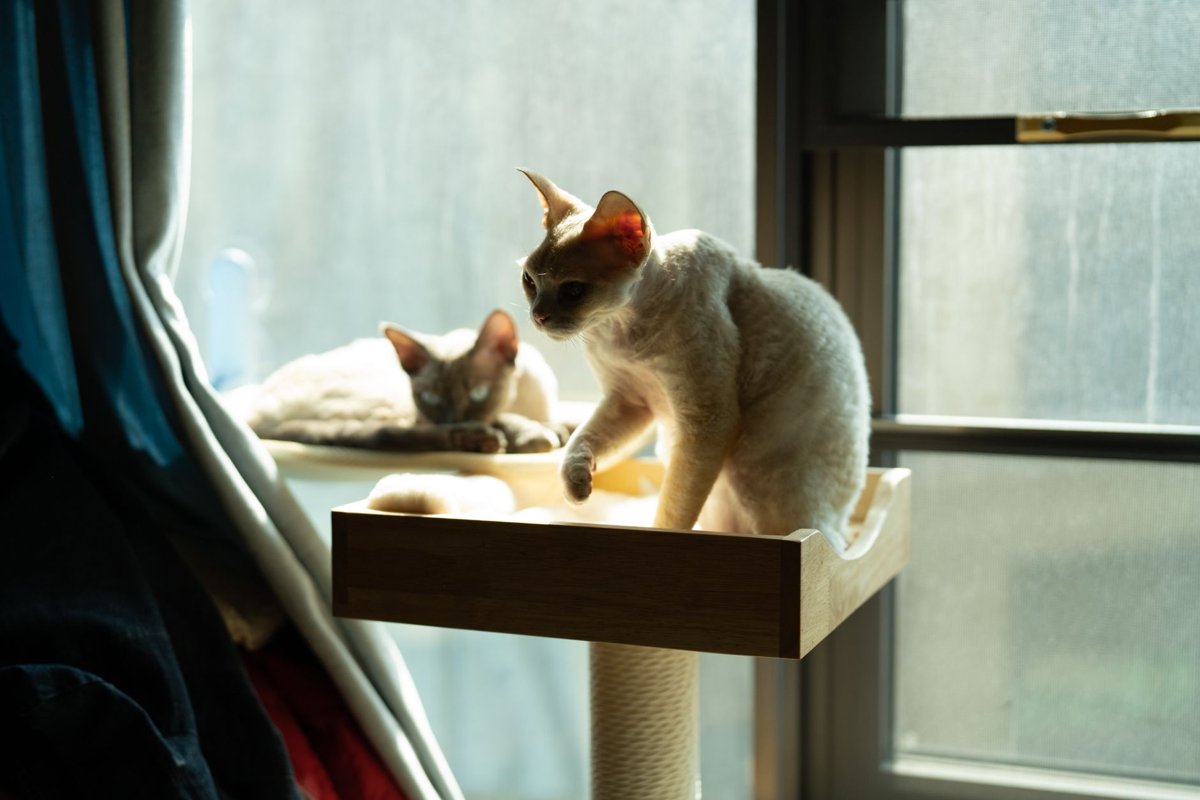
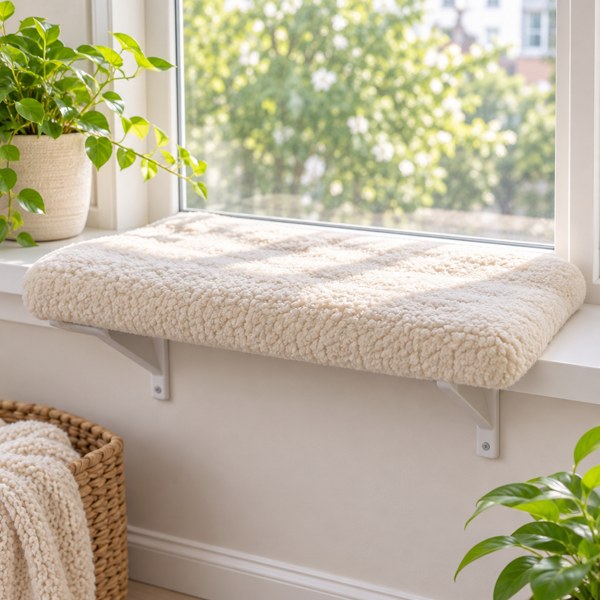
Helpful for this
K&H Heated Kitty Sill Window Perch
If your cat already spends winter mornings at the window, a heated perch builds on that habit. Pair it with a window that seals well, and the sunny spot becomes a warm one too.
- Mild heat on a sunny sill
- Soft, washable fleece cover
- Gives cats a favorite lookout
Winter Hazards to Watch For
- Space heaters: cats can burn whiskers, fur or skin, and a curious cat can knock one over. Keep heaters out of reach and turn them off when you leave the room.
- Fireplaces and wood stoves: use a sturdy screen and never leave a cat alone with an open flame.
- Human heating pads and electric blankets: these can get too hot for a cat, and some older cats don’t move away fast enough. Stick with products made for pets.
- Antifreeze: it tastes sweet and is extremely poisonous to cats, even in very small amounts. Clean up drips in garages and driveways right away, and store containers tightly closed.
- Warm car engines: outdoor and community cats sometimes crawl under the hood to warm up. Knock on the hood or honk before starting the car on cold mornings.
- Dry indoor air: heated homes can leave skin flaky and itchy. A room humidifier and regular brushing can help, and fresh water should always be easy to reach. If your cat is suddenly drinking much more than usual, read our guide on a senior cat drinking lots of water and check in with your vet.
When to Call the Vet
- Go to the vet or an emergency clinic right away if your cat feels cold all over, shivers hard and doesn’t stop after warming, seems very weak or hard to wake, or has slow, shallow breathing or pale or gray gums. These can be signs of hypothermia. Wrap them in a dry, warm (not hot) blanket and call on the way.
- Treat any possible antifreeze exposure as an emergency, even if your cat seems fine. Early signs can include wobbling, seeming drunk, vomiting or drooling, and fast treatment matters.
- Call your vet promptly for burns from a heater or heating pad, such as red, blistered or missing patches of skin or fur.
- Book a visit if your cat stops eating for more than a day, hides much more than usual, or seems stiff, sore or unwilling to jump. Stiffness can be a sign of arthritis, which your vet can help manage.
- Never give your cat human pain medicine. Many common pain relievers are toxic to cats, even in small doses.
Helpful Products
Also great
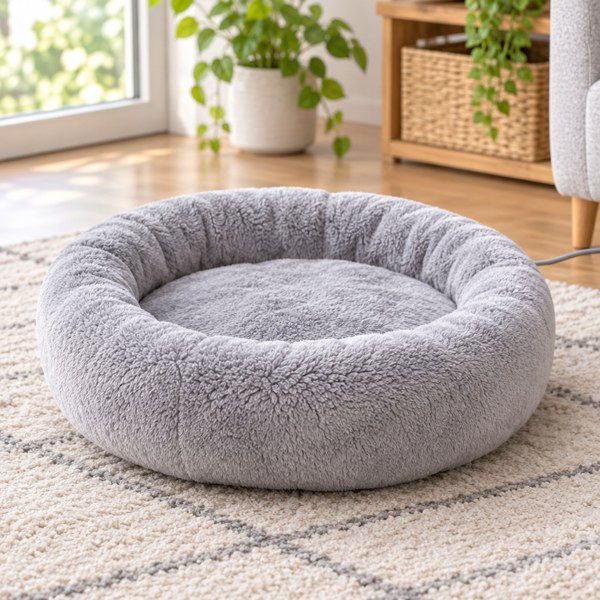
K&H Thermo-Kitty Heated Cat Bed
This suits thin, older or stiff cats who spend winter hunting for the warmest spot in the house. The gentle built-in heat and raised edges give them a cozy place to curl up without relying on vents or space heaters.
- Gentle, low-wattage warmth
- Bolstered sides block drafts
- Made for indoor pet use
K&H Self-Warming Cat Pad
A cord-free pad that reflects a cat’s own body heat, good for chairs, shelves and the bottom of a cat bed.
K&H Heated Kitty Sill Window Perch
A heated window perch that turns a sunny sill into a warm lookout spot.
Pet Gear Easy Step III Pet Stairs
Sturdy carpeted steps that help stiff older cats reach a warm couch, bed or window without a big jump.
Keep Senior Cat Warm In Winter FAQ
Do senior cats get colder than younger cats?
Often, yes. Many older cats have less muscle, a thinner or less groomed coat and stiffer joints, so they make and hold less body heat. Health problems common in senior cats can play a part too, so mention any big change to your vet.
Are heated cat beds safe for older cats?
Many vets consider low-wattage beds made for pets a reasonable choice, like a heated bed designed for cats. Pick one that is safety listed, check the cord regularly, and always give your cat a non-heated spot nearby so they can move off when they want. Skip human heating pads and electric blankets, which can get too hot.
What temperature is too cold for my senior cat indoors?
There’s no single number, but if your home feels chilly to you, it likely feels chilly to an older cat. Warm beds off the floor, blankets and sunny spots go a long way. Signs like a tight curled-up ball and hunting for heat suggest your cat wants more warmth, and you’ll find more everyday tips in our guide to keeping indoor cats happy and healthy.
How can I help my old cat reach warm spots if they can’t jump?
Give them easy steps. Pet stairs, a sturdy step stool or a low ottoman next to the couch or bed lets them climb in small moves. You can also put a warm bed somewhere low that they can reach without jumping at all.
The Bottom Line
Keeping a senior cat warm in winter is mostly about small, steady comforts: a bed off the floor and out of drafts, a safe source of gentle heat, easy access to sunny spots and a little help with grooming. Keep space heaters, fireplaces and antifreeze out of the picture, and watch for signs that your cat is too cold or not feeling well. If something changes, such as stiffness, hiding or eating less, your vet is the best person to help figure out why.
Keep reading:
- Caring for Senior Cats: Life With Our 12-Year-Old Brother-and-Sister Tabbies
- Why Is My Senior Cat Drinking So Much Water? Common Causes and When to Worry
- How to Keep a Senior Dog Warm in Winter: A Practical Guide for Cold Months
- Christmas Tree Safety for Cats: How to Keep Your Cat (and Your Tree) Safe This Season