
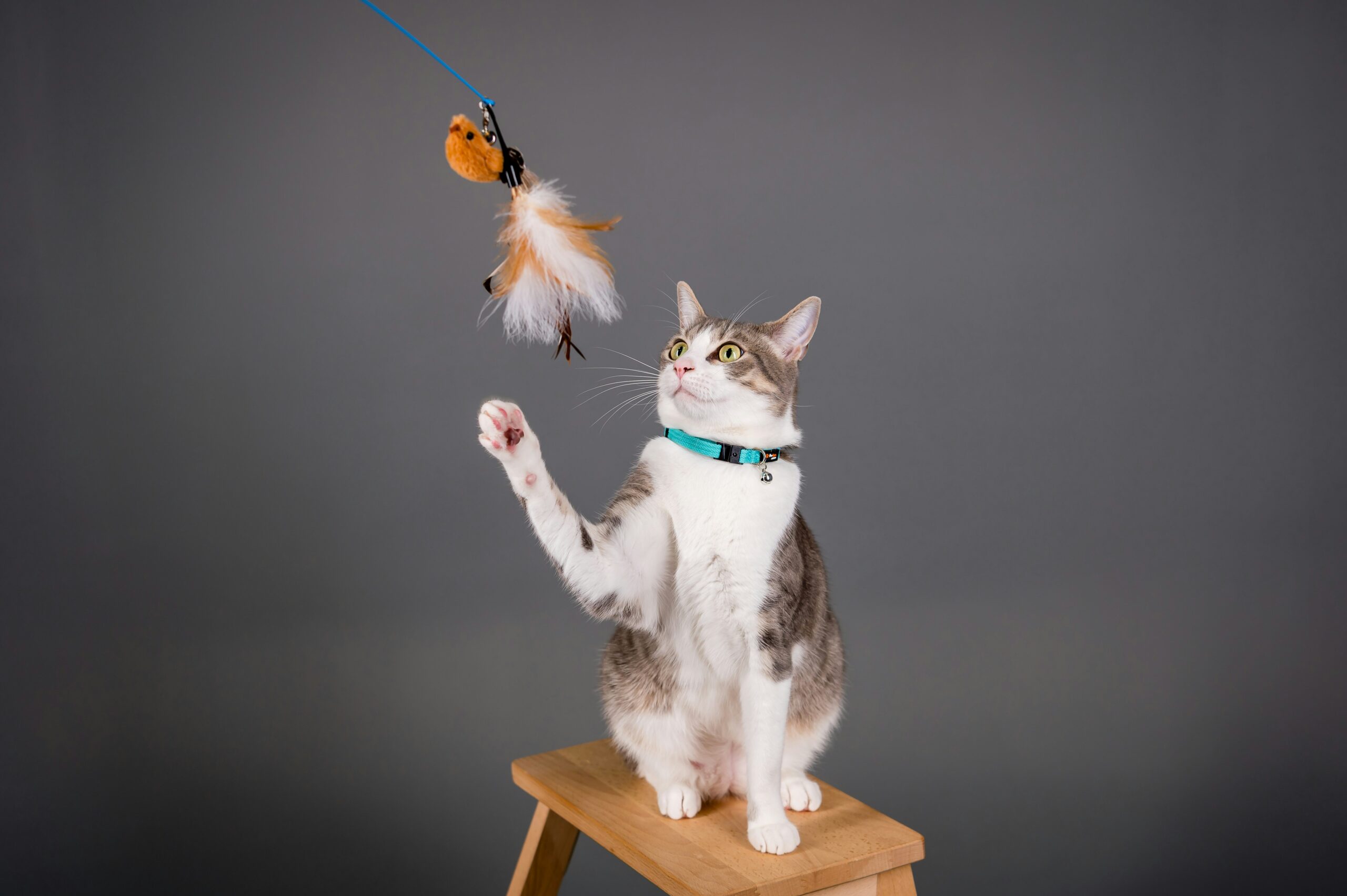
We often marvel at the grace and mystique of our feline companions. They are our silent observers, our furry confidants, and when the mood strikes them, our playful little ninjas. But how do we truly connect with these independent creatures? How do we nurture their instincts, enrich their lives, and deepen the bond we share? The answer, we’ve discovered, lies in the simple yet profound act of engaging with them through Interactive Cat Toys!
For us, as devoted cat parents, the joy of seeing our cats active, stimulated, and happy is immeasurable. It’s more than just keeping them entertained; it’s about facilitating their well-being, both mentally and physically. In this article, we’re going to delve into the wonderful world of interactive cat toys, exploring why they are so crucial and providing a comprehensive guide to some of our favorite ways to play, bond, and truly engage with our feline friends.
We’ve all been there – the 3 AM zoomies, the relentless pawing at closed doors, the intense staring contests with inanimate objects. These behaviors, while sometimes baffling, are often a sign that our cats are seeking an outlet for their natural instincts. As domesticated creatures, our cats still possess the primal drives of their wild ancestors – hunting, stalking, pouncing, and exploring. Interactive toys are the perfect bridge between their wild hearts and their cozy, domestic lives.
The Hunter Within: Tapping into Natural Instincts
Stalking and Pouncing: A Biological Imperative
Cats are obligate carnivores and natural predators. Even the most pampered house cat carries the genetic blueprint of a skilled hunter. Their entire physiology is designed for it: keen eyesight, lightning-fast reflexes, silent paws, and an incredible ability to anticipate movement. Interactive toys mimic the erratic and unpredictable movements of prey, allowing our cats to exercise these fundamental behaviors in a safe and controlled environment. When we dangle a feather wand, wiggle a laser dot (responsibly, of course!), or toss a crinkle ball, we are essentially providing them with a simulated hunting experience. This isn’t just about fun; it’s about fulfilling a core biological need. Without adequate outlets for these instincts, cats can become bored, frustrated, and even exhibit destructive behaviors.
Exploration and Curiosity: The World is Their Playground
Cats are naturally curious creatures. They love to investigate new things, explore different textures, and discover hidden nooks and crannies. Interactive toys can transform their environment into a stimulating playground. Think about puzzles that dispense treats, tunnels that encourage exploration, or toys that emit enticing sounds or scents. These elements tap into their innate desire to discover and learn, keeping their minds sharp and engaged. We’ve found that even simple items like cardboard boxes or paper bags can become fantastic sources of entertainment when presented with a little imagination and perhaps a strategically placed toy.
Building Confidence and Reducing Stress: A Happy Cat is a Healthy Cat
When our cats engage in play, especially with us, they experience a sense of accomplishment and control. Successfully “catching” a toy, even if it’s just for a moment, boosts their confidence. This is particularly important for shy or anxious cats. Regular playtime can significantly reduce stress and anxiety by providing a positive distraction and an opportunity to expend pent-up energy. A stressed cat is more prone to health issues, so investing time in interactive play is, in essence, an investment in their overall well-being. We’ve seen timid cats blossom into confident explorers after consistent and positive play sessions.
Social Bonding: More Than Just a Pet
While cats are often stereotyped as aloof, they form deep and meaningful bonds with their human families. Interactive play is a fantastic way to strengthen this bond. When we actively participate in their play, we are communicating affection, creating shared experiences, and demonstrating that we understand and respect their needs. This shared activity fosters trust and mutual understanding, making our cats feel secure and loved. It’s a language of play that transcends words, and we cherish every moment of it.
If you’re interested in enhancing your cat’s playtime with engaging activities, you might want to check out a related article on the benefits of interactive cat toys. This informative piece discusses how these toys can stimulate your cat’s mind and keep them physically active, ultimately contributing to their overall well-being. To learn more, visit this article.
Types of Interactive Toys: A Playground for Every Purr-sonality
The market is flooded with an incredible variety of interactive cat toys, each designed to appeal to different feline preferences and stimulate various senses. As we’ve explored, there’s no one-size-fits-all approach. Understanding the different types and how they cater to specific needs is key to finding the perfect playmate for your furry friend.
Wand Toys: The Classic Hunter’s Companion
These are our absolute favorites for a reason! Wand toys, with their dangling attachments—feathers, plush creatures, crinkle ribbons, or bells—are the quintessential interactive toy. They allow us to directly mimic the erratic movements of prey, providing a dynamic and engaging play experience for both cat and human.
Feather Wands: The All-Time Favorite
The allure of feathers is undeniable. Their light, erratic flight and tantalizing rustle are irresistible to most cats. We love using feather wands to simulate birds flitting through the air. The key is to vary the movement: jerky darts, long glides, sudden drops, and quick retreats. This unpredictability keeps our cats on the edge of their (imaginary) prey, fully engaged in the hunt. We also find that different types of feathers offer different textures and sounds, which can appeal to different cats. Some purists might prefer natural feathers, while others might enjoy the more durable synthetic options.
Plush and Fabric Toys: For the Tactile Hunters
Beyond feathers, many wand toys feature small plush animals, fabric strips, or even crinkly material. These can appeal to cats who enjoy a more substantial “catch.” The texture and weight of these toys offer a different kind of satisfaction when they finally pounce and “capture” their prize. We’ve found that some cats enjoy the satisfying crunch of crinkle material, while others prefer the soft feel of a plush mouse. The variety keeps things interesting and prevents them from becoming bored with a single type of attachment.
Crinkle Balls and Bells: Auditory Stimulation
The delightful crinkle sound or the enticing jingle of a bell can be a powerful attractant for many cats. These auditory cues can pique their curiosity and draw them into the game. We use these to add another dimension to our play sessions, especially when our cats are feeling a little sluggish. The sound can help them zero in on the toy’s location, even when it’s out of sight.
Puzzle Feeders and Treat-Dispensing Toys: Mental Gymnastics
For the intelligent and food-motivated feline, puzzle feeders offer a fantastic way to combine mental stimulation with a rewarding snack. These toys require cats to figure out how to manipulate them to release treats or kibble, effectively turning mealtime into a game.
Simple Treat Balls: The Gateway Puzzles
These are often the entry point into the world of puzzle feeders. Cats simply need to roll or bat the ball to dispense treats. They are great for encouraging gentle activity and for cats who are new to puzzle toys. We’ve found that starting with simpler puzzles helps them build confidence and understand the concept of cause and effect, preparing them for more complex challenges.
More Complex Mazes and Discs: For the Advanced Puzzlers
As our cats become more adept, we can introduce more challenging puzzle feeders. These might involve sliding doors, multiple compartments, or intricate mechanisms that require more dexterity and problem-solving skills. These complex toys not only keep them mentally stimulated but also help to slow down their eating, which can be beneficial for digestion. We’ve seen some remarkable ingenuity from our cats when faced with these challenges, and the sheer satisfaction on their faces when they finally unlock the treats is incredibly rewarding.
Lick Mats and Slow Feeders: Encouraging Natural Licking Behavior
While not strictly puzzle feeders, lick mats and specialized slow feeders encourage natural licking behaviors, which can be incredibly calming and mentally stimulating for cats. These are great for distributing wet food or pastes, and the act of licking itself can be very therapeutic. We use these as a way to provide enrichment during times when more active play might not be feasible, or as a way to offer a special treat in a novel way.
Laser Pointers and Light-Based Toys: The Elusive Prey
The allure of the red dot is legendary. Laser pointers, when used responsibly, can provide an exhilarating chase and pounce experience. However, it’s crucial to use them with care to avoid frustration.
The Thrill of the Chase: Laser Play
The unpredictable, fast-moving red dot is incredibly stimulating for cats. They are naturally drawn to chasing and pouncing. The key here is to always end the play session by directing the laser onto a physical toy or treat that your cat can “catch.” This provides a sense of closure and prevents the frustration of never being able to capture their elusive prey. We’ve learned the hard way that ending a laser session abruptly can leave them agitated, so always have a tangible reward ready.
Interactive Light-Up Balls: A Safer Alternative
Some toys incorporate lights that move or flash, offering a similar visual stimulation to laser pointers but with a physical object to interact with. These can be a safer alternative for cats who tend to get overly fixated or frustrated with lasers. The ability to bat and paw at these moving lights offers a more satisfying conclusion to the chase.
Robotic and Battery-Operated Toys: Independent Playtime
For those times when we can’t be as actively involved, robotic and battery-operated toys can provide independent stimulation and entertainment for our feline friends.
Mimicking Wildlife: Wandering and Wiggling Toys
These toys are designed to move on their own, simulating the erratic movements of small prey. They can be left to their own devices for periods, keeping our cats engaged. We’ve found that toys that randomly change direction or speed are particularly effective at holding their attention. Some even incorporate sounds or textures that add to the realism.
Automated Balls and Spinners: For the Playful Explorers
Balls that roll, spin, or even “hide” and reappear can be highly engaging. These toys encourage cats to stalk, pounce, and investigate, providing a good outlet for their energy when we might be busy. We appreciate that these can be activated remotely or on a timer, offering a convenient way to ensure our cats have playtime even when we’re not around.
Harnessing the Power of Play: Tips for Successful Interactive Sessions

Simply owning a collection of interactive toys isn’t enough. The magic truly happens when we understand how to use them effectively to create engaging and rewarding experiences for our feline friends. It’s about more than just tossing a toy; it’s about understanding feline body language, varying our approach, and making it a positive reinforcement experience.
Reading Your Cat’s Cues: Understanding Their Play Style
Every cat is an individual with their own unique personality and preferences. Observing their body language during playtime is crucial for tailoring the experience to their needs and ensuring they are enjoying themselves.
Tail Wiggles and Dilated Pupils: Signs of Excitement
When our cats are engaged and excited, we look for specific indicators. A slowly wagging tail, dilated pupils, and a focused gaze are all signs that they are fully immersed in the game. Their ears will be perked forward, and they might even let out little chirps or trills of anticipation. We try to escalate the play when we see these signals, as it means they are ready for more action.
Flattened Ears and Stiff Bodies: Signals of Overstimulation or Discomfort
Conversely, flattened ears, a rapidly twitching tail, or a stiff, hunched body can indicate that our cats are either overstimulated or feeling uncomfortable. Pushing play too hard in these situations can lead to frustration or even aggression. It’s important to recognize these signs and either pause the game or redirect it to something less intense. We’ve learned to back off and give them space when we see these signals, perhaps offering a calming petting session instead.
The “Play Bow”: An Invitation to Engage
A classic indicator of a cat wanting to play is the “play bow” – lowering their front body while keeping their hindquarters elevated. This is a clear invitation for us to engage with them. It’s our cue to grab a favorite toy and join in the fun! This is a beautiful moment of clear communication from our cats, and we always respond enthusiastically.
The Art of the Hunt: Mimicking Prey Behavior
The most effective interactive play mimics the natural hunting behaviors of cats. This involves understanding the rhythm and unpredictability of prey.
Erratic Movements and Pauses: The Key to Engagement
Our cats are wired to hunt things that move. The more unpredictable and varied the movements of the toy, the more engaged they will be. Instead of a steady, predictable motion, try jerky darts, sudden stops, and slow, creeping advances, followed by rapid pounces. We’ve found that even a slight change in our technique can reignite their interest. A toy that suddenly disappears behind furniture or “hides” can be incredibly captivating.
Varying Speeds and Directions: Keeping Them on Their Paws
Just like real prey, a cat toy shouldn’t move in a straight line at a constant speed. Introduce changes in direction and speed to keep your cat guessing and to mimic the evasive tactics of their natural food sources. Sometimes, a slow, deliberate creep is more enticing than a frantic dash. We often try to anticipate where our cat might think the prey will go next and adjust the toy’s movement accordingly.
The “Escape”: Allowing Them to “Catch” Their Prize
It’s crucial for cats to feel successful in their hunts. Always allow them to “catch” the toy every so often. This provides them with a sense of accomplishment and reinforces the positive association with play. We often let them “kill” the toy, giving it a few vigorous shakes before presenting it to them with praise. This immediate gratification is vital for maintaining their enthusiasm.
Setting the Stage: Creating a Stimulating Play Environment
The environment in which we play can significantly impact our cat’s engagement and enjoyment. We try to create a safe and stimulating space for our play sessions.
Safe Spaces: Ensuring No Fear of Injury
Ensure that the play area is free of hazards. Remove any fragile objects that could be knocked over or broken. Make sure there are no sharp edges or tripping hazards. We have specific areas in our homes that we designate as “play zones” where we don’t worry as much about minor messes.
Vertical Space: Encouraging Climbing and Exploration
Cats love to climb and survey their territory from high vantage points. Incorporating elements of vertical space into your play sessions can be highly beneficial. Toys that can be batted onto shelves or brought up onto cat trees can add an exciting new dimension to their game. We often try to “hide” toys in elevated spots for them to discover.
Introducing New Toys Gradually: Avoiding Overwhelm
While variety is the spice of life, introducing too many new toys at once can be overwhelming for some cats. We found it’s often best to introduce new toys one at a time, allowing them to explore and familiarize themselves with each new object before introducing another. This prevents them from becoming overstimulated or uninterested.
Incorporating Play into Daily Routines: Consistency is Key
Interactive play shouldn’t be an occasional treat; it should be a regular part of our cats’ lives. We’ve found that establishing a routine makes a huge difference.
Morning and Evening Play Sessions: Mimicking Natural Hunting Times
Cats are crepuscular, meaning they are most active at dawn and dusk. Establishing short play sessions during these times can help them regulate their energy levels and mimic their natural hunting cycles. A quick 10-15 minute play session before breakfast and another before bed has made a noticeable difference in their overall demeanor.
“Hunt, Eat, Groom, Sleep” Cycle: A Natural Flow
We try to integrate play into their natural “hunt, eat, groom, sleep” cycle. For example, a vigorous play session followed by a meal can be incredibly satisfying for them, similar to a successful hunt followed by a meal in the wild. This helps to fulfill their innate instincts in a structured way.
Short, Frequent Sessions: Maximizing Engagement
Long, drawn-out play sessions can sometimes lead to burnout. We’ve found that shorter, more frequent play sessions of 10-15 minutes are often more effective at keeping our cats engaged and preventing overstimulation. This also makes it easier to fit play into our busy schedules.
Addressing Common Challenges and Concerns

Even with the best intentions, sometimes play sessions don’t go as smoothly as we’d hoped. We’ve encountered a few common hurdles, and through trial and error, we’ve found some solutions.
My Cat Isn’t Interested: What to Do When Play Falls Flat
It can be disheartening when our feline friends seem indifferent to our carefully chosen toys. However, there are several reasons for this, and patience and observation are key.
Trying Different Toy Types: The Variety Factor
As we’ve discussed, each cat has their own preferences. If one type of toy isn’t working, don’t give up! Try a different texture, sound, or movement. Perhaps your cat is more drawn to crinkly sounds than feathers, or they prefer a solo puzzle toy over an interactive wand. We keep a diverse “toy box” for this very reason.
Timing is Everything: Recognizing Their Mood
Cats are not always in the mood to play. If your cat is sleepy, anxious, or just not feeling it, forcing them to play will likely be counterproductive. We try to observe their energy levels and general demeanor before initiating a play session. Sometimes, a gentle petting session is what they need instead.
The “Hunt” vs. “Possession”: Adjusting Your Approach
Some cats are more interested in the chase than the “capture.” If your cat quickly loses interest after “catching” the toy, try making the toy more elusive, or end the session with a treat reward rather than letting them have prolonged possession. Conversely, if they seem frustrated by the inability to catch, ensure they have opportunities to “win.”
Catnip and Other Attractants: A Little Boost
For some cats, a sprinkle of catnip on a toy can be a powerful motivator. Other cats may be drawn to toys with scents or sounds that imitate prey. We’ve found that occasionally introducing a new scent or a fresh dose of catnip can pique their interest in older toys.
Overstimulation and Aggression: Keeping Play Positive
Sometimes, play can escalate beyond what’s comfortable for either the cat or the human. It’s important to recognize the signs and intervene appropriately.
Knowing When to Stop: Recognizing Overstimulation
As mentioned earlier, flattened ears, rapid tail flicking, and hissing are clear indicators of overstimulation. If you see these signs, it’s time to calmly end the play session. Resist the urge to scold or punish; simply disengage and offer a calming distraction.
Redirecting Aggression: The “Catch and Release” Method
If your cat starts to get overly aggressive and exhibits biting or scratching behavior, do not pull your hand away forcefully as this can trigger a predatory response. Instead, gently push your hand towards their mouth to make them release. Then, immediately redirect their attention to a toy. We always keep a spare toy nearby for just this purpose.
Safe Play Areas: Avoiding Accidents
Ensure the play area is free of anything that could cause injury to either you or your cat. Avoid playing with your hands or feet directly, as this can inadvertently teach them that human limbs are toys to be bitten. Always use toys as the intermediary.
Boredom and Repetitive Play: Keeping Things Fresh
Even the most beloved toys can lose their appeal if used too frequently or in the same way.
Toy Rotation: The Element of Surprise
We find that rotating our cats’ toys every week or so keeps them perpetually excited about their “collection.” Putting some toys away for a while and then reintroducing them can rekindle their interest. It’s like a surprise party for their toy box!
Introducing New Toys Sequentially: Building Excitement
Instead of presenting a whole new set of toys at once, we introduce them one by one. This allows our cats to focus their attention on each new item and learn its unique qualities. Even a familiar toy can be made exciting again by presenting it in a new context, like hiding it under a blanket.
Reinforcement and Praise: Positive Association
Always offer positive reinforcement and praise when your cat engages with their toys. This helps them associate playtime with positive emotions and encourages them to continue engaging. A cheerful tone of voice and a gentle scratch behind the ears can go a long way.
Interactive cat toys can significantly enhance your feline friend’s playtime, providing both mental stimulation and physical exercise. If you’re looking for comprehensive tips on how to keep your cat happy and healthy, you might find this article on complete cat care particularly useful. It covers various aspects of cat ownership, including the importance of engaging toys that can help prevent boredom and promote overall well-being.
Beyond the Playroom: The Lasting Impact of Interactive Engagement
| Toy Name | Material | Interactive Features | Price Range |
|---|---|---|---|
| Feather Wand | Plastic, Feathers | Swivel, Teaser | 5 – 15 |
| Interactive Laser Toy | Plastic | Rotating Laser, Timer | 10 – 20 |
| Electronic Mouse Toy | Plastic, Fabric | Sound, Motion Sensor | 15 – 25 |
Engaging our feline friends with interactive toys is far more than a fleeting pastime. It’s an investment in their physical and mental health, a cornerstone of our bond, and a source of endless joy. We’ve witnessed firsthand the transformative power of play, not just in our cats, but in ourselves as well.
Enhanced Physical Health: The Fit Feline
Regular interactive play is a fantastic way for our cats to get the exercise they need. This helps them maintain a healthy weight, reduces the risk of obesity-related illnesses, and keeps their muscles and joints strong. An active cat is a healthier cat, and we’ve seen a noticeable improvement in our cats’ overall fitness and agility since we prioritized regular playtime.
Sharper Minds: Cognitive Stimulation for a Long Life
The mental stimulation provided by interactive toys is just as important as physical exercise. It keeps their brains sharp, prevents cognitive decline, and can even help to alleviate boredom-related behavioral issues. We believe that consistently challenging their minds through play contributes to a longer, more fulfilling life for them.
A Deeper Bond: The Language of Love Through Play
The hours we spend playing with our cats are some of the most precious moments we share. This shared activity builds trust, strengthens our connection, and deepens our understanding of each other. It’s a language of love that transcends words, and we wouldn’t trade it for anything. Seeing the pure joy and contentment on their faces during play is the ultimate reward.
The Gift of a Happier, More Balanced Cat: A Peaceful Coexistence
Ultimately, engaging our feline friends with interactive toys leads to happier, more balanced companions. Their natural instincts are fulfilled, their energy is channeled constructively, and their anxiety is reduced. This translates into a more peaceful and harmonious coexistence for everyone in the household. We’ve found that a well-played cat is a calmer, more affectionate, and less destructive cat.
In conclusion, for us, embracing the world of interactive cat toys has been a game-changer. It’s transformed our relationship with our feline family members, enriching their lives and ours immeasurably. So, we encourage you, fellow cat lovers, to grab a wand, scatter some treats, and dive into the wonderful, whimsical world of interactive play. Your cats, and your hearts, will thank you for it. Let the games begin!