
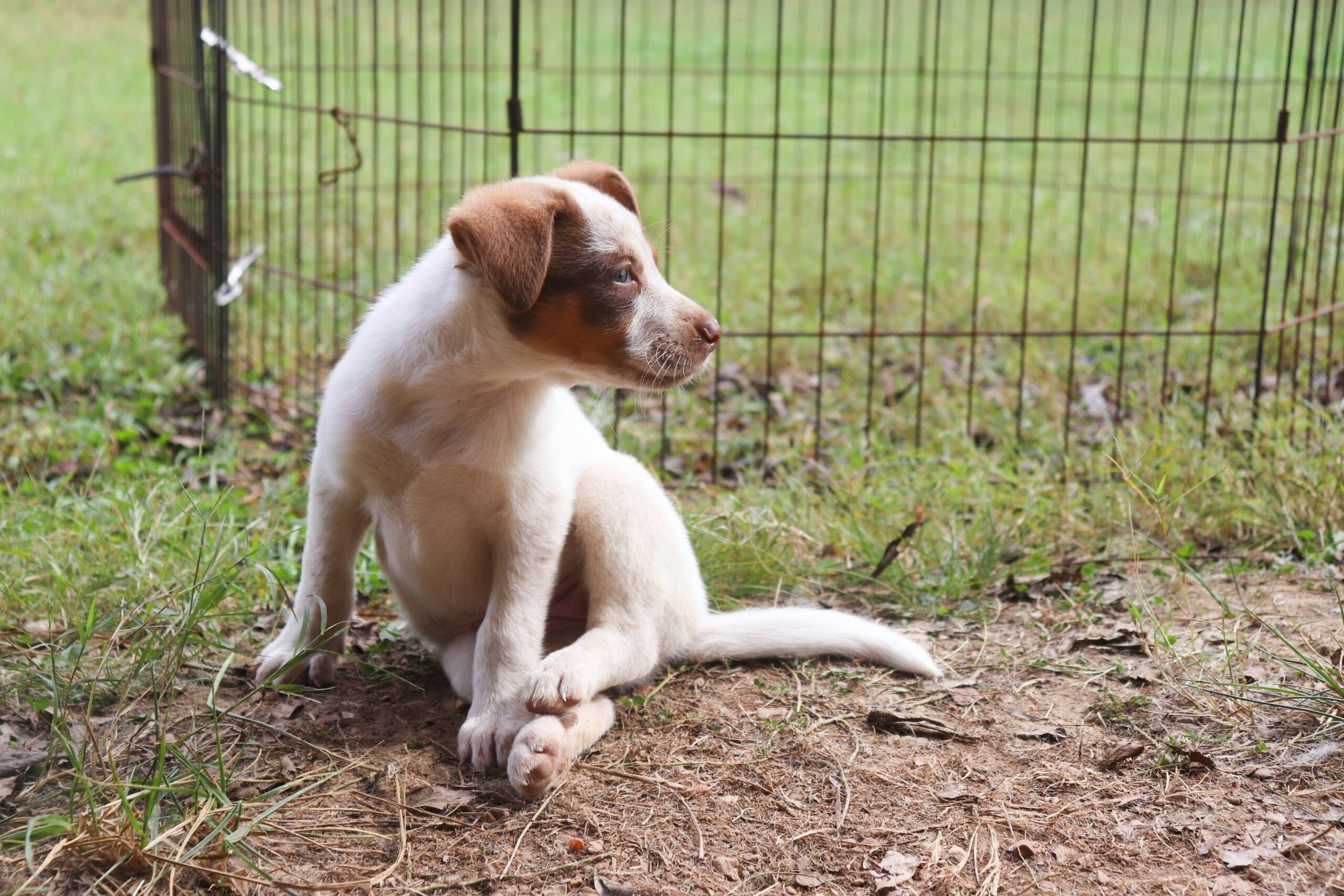
We understand the immense joy and responsibility that comes with sharing our lives with a large dog. These magnificent creatures, whether a majestic Great Dane or a playful Labrador, bring boundless love and a unique set of needs. One crucial piece of equipment that often sparks considerable debate and confusion among large dog owners is the crate. Is it a jail or a haven? A training tool or a temporary solution? We’re here to demystify it all and provide an ultimate guide to large dog crates, ensuring we make the best choices for our beloved companions.
When we first consider crating our large dog, we might feel a pang of guilt. Historically, crates were sometimes misused, leading to negative connotations. However, we’ve come to understand that, when used correctly, a large dog crate is an invaluable tool for their safety, our peace of mind, and their overall well-being. It’s not about punishment; it’s about providing a secure space they can call their own.
Safety First: Protecting Our Gentle Giants
Our large dogs, even those with the most angelic dispositions, can get themselves into trouble. A crate acts as a personal safety bubble when we can’t supervise them directly. We use it to:
- Prevent Destructive Chewing: Puppies and even adult dogs can chew on furniture, electrical cords, or household items that are dangerous if ingested. A crate keeps them and our belongings safe.
- Avoid Accidental Ingestions: Many common household items are toxic to dogs. In a crate, we eliminate the risk of them getting into medications, cleaning supplies, or human foods that could cause serious illness.
- Protect from Household Hazards: During busy periods, like parties or renovations, we can make sure our dog is safe from accidental trampling or exposure to dangerous tools and materials.
- Ensure Safe Travel: Whether by car or plane, a properly sized and secured crate is essential for our large dog’s safety and comfort during travel. It prevents distractions for the driver and potential injury in case of sudden stops or accidents.
Training Tools: Building Good Habits
We’ve found that a well-introduced crate is a powerful asset in training our large dogs. It leverages their natural denning instincts, creating a positive association with their personal space.
- Potty Training Made Easy: Dogs instinctively don’t want to soil their sleeping area. This natural aversion makes crating an incredibly effective tool for teaching them to hold it until they are let out. We’ve seen remarkable progress in just a few weeks with consistent crating and scheduled potty breaks.
- Managing Separation Anxiety: For some large dogs, separation anxiety can be a significant challenge. A crate, when introduced gradually and positively, can become a safe haven where they feel secure while we’re away. It provides a consistent environment and predictability, which can be comforting.
- Establishing Boundaries: A crate helps us establish clear boundaries within our home. It teaches our large dogs that there are times for independent rest and that not every part of the house is accessible at all times.
- Preventing Undesirable Behaviors: When we can’t supervise, a crate prevents our dogs from practicing unwanted behaviors like counter-surfing, jumping on guests, or raiding the trash. This sets them up for success when they are out in the home.
A Den of Their Own: Promoting Comfort and Security
Beyond safety and training, we truly believe that a crate, when introduced correctly, becomes a sanctuary for our large dogs. It taps into their primal instinct for a den – a small, enclosed space where they feel secure and protected.
- A Personal Retreat: Every dog, especially large ones, needs a place where they can retreat for quiet time, a nap, or just to feel safe from household commotion. Their crate becomes this private sanctuary.
- Reducing Stress and Overwhelm: In busy households or during times of stress (like thunderstorms or fireworks), a crate can provide a calming, enclosed space where our dogs feel secure and less exposed.
- Promoting Rest: Large dogs need a lot of sleep, and a dedicated, comfortable crate ensures they get uninterrupted rest without being disturbed by us or other pets.
If you’re considering purchasing a large dog crate, you might find it helpful to read more about the benefits of crate training in general. A related article that offers valuable insights is available at this link. It discusses the various reasons why crate training can be beneficial for both dogs and their owners, helping to create a safe and comfortable environment for your furry friend.
Choosing the Right Size: The Goldilocks Principle for Large Dogs
This is where we often see the most mistakes being made. We tend to think bigger is always better, but with crates, it’s about finding the “just right” size. Too small, and it’s uncomfortable and potentially harmful. Too big, and it defeats the purpose of potty training and can feel less secure.
The Standing, Turning, and Lying Down Rule
Our golden rule for crate sizing for large dogs is simple: the crate should be large enough for them to stand up, turn around completely, and lie down comfortably in a natural position.
- Standing Up: They should be able to stand on all four paws without their head touching the top of the cage.
- Turning Around: They need enough space to easily turn a full 360 degrees without bumping into the sides.
- Lying Down Comfortably: They should be able to lie stretched out on their side with their legs extended, without being cramped.
Measuring Our Large Dog
To ensure we get the measurements right, we use a soft measuring tape and follow these steps:
- Height: Measure from the top of their head (or the tips of their ears if they stand erect) down to the floor. Add 2-4 inches to this measurement for adequate head clearance.
- Length: Measure from the tip of their nose to the base of their tail. Add 2-4 inches to this measurement to ensure they can stretch out comfortably.
Considering Breed and Growth
When selecting a crate, we also factor in our dog’s breed and anticipated adult size if they are still puppies. Many crates come with dividers, which are incredibly useful for growing puppies. We can adjust the internal space as they grow, maintaining the “just right” size for potty training and comfort without buying multiple crates.
Types of Large Dog Crates: Exploring Our Options

Just as there’s a wide variety of large dog breeds, there’s an equally diverse selection of large dog crates. Each type offers distinct advantages and disadvantages, and we consider our dog’s temperament, our lifestyle, and our aesthetic preferences when making a choice.
Wire Crates: The Versatile Workhorse
Wire crates are perhaps the most common and often an excellent starting point for new large dog owners.
- Pros:
- Excellent Ventilation: The open wire design provides superb airflow, which is crucial for large dogs, especially in warmer climates.
- Good Visibility: We can easily see our dog inside, and they can see out, which can reduce feelings of isolation.
- Foldable and Portable: Most wire crates fold flat, making them convenient for storage and travel.
- Built-in Dividers: Many come with adjustable dividers, ideal for growing puppies.
- Affordable: Generally, wire crates are the most budget-friendly option.
- Cons:
- Less Cozy: The open design can feel less den-like for some dogs, requiring us to accessorize with blankets.
- Less Secure for Escape Artists: Determined large dogs might be able to bend wires or force latches if not properly secured.
- Aesthetic: The industrial look might not appeal to everyone.
Plastic (Airline-Approved) Crates: The Secure Travel Buddy
Plastic crates, often referred to as pet carriers or travel crates, are essential for air travel and offer a different set of benefits.
- Pros:
- Den-Like Feel: The solid sides provide a more enclosed, den-like environment, which many large dogs find comforting.
- Privacy: Offers increased privacy for our dog, reducing visual stimulation.
- Airline Approved: Most are designed to meet airline specifications for pet travel, making them indispensable for flying.
- Easy to Clean: The smooth plastic surfaces are generally easy to wipe down and sanitize.
- Cons:
- Less Ventilation: Ventilation relies on small openings, so we need to be mindful of temperature.
- Bulkier: Don’t typically fold down, making them harder to store when not in use.
- Limited Visibility: Our dog has less visibility of their surroundings.
- Can Be Hotter: The enclosed nature can retain heat, so we avoid leaving them in direct sunlight.
Heavy-Duty Crates: For the Power Chewers and Escape Artists
For those of us with large breeds known for their strength, or dogs with a history of escaping standard crates, heavy-duty options are a lifesaver.
- Pros:
- Superior Durability: Constructed from thicker gauge steel or aluminum, they are virtually indestructible.
- Enhanced Security: Designed with strong latches and reinforced bars to prevent escapes.
- Long-Lasting: A wise long-term investment for strong or destructive large dogs.
- Noise Reduction: Some models offer reduced rattling compared to wire crates.
- Cons:
- Heavier and Less Portable: Their robust construction makes them much heavier and less convenient to move.
- More Expensive: Reflecting their durability, they come with a higher price tag.
- Less Aesthetic: Often have a more utilitarian appearance.
Furniture-Style Crates: Blending In with Our Decor
For those of us who want our dog’s crate to be a more integral part of our home decor, furniture-style crates are an elegant solution.
- Pros:
- Aesthetically Pleasing: Designed to look like end tables, credenzas, or other furniture pieces, they blend seamlessly.
- Dual Functionality: Serves as both a crate and a piece of furniture (e.g., a sturdy top surface for lamps or books).
- Can Provide a Den-Like Feel: Solid walls on most sides offer a sense of enclosure.
- Cons:
- Least Portable: Often heavy and not designed for easy movement.
- Higher Cost: Typically the most expensive option.
- Limited Ventilation: Varies by design, but generally less open than wire crates.
- Can Be Harder to Clean: Wood or finished surfaces might require specific cleaning methods.
Essential Accessories for Our Large Dog’s Crate: Making It a Haven

Once we’ve chosen the right large dog crate, our next step is to make it as comfortable, safe, and inviting as possible. Accessories play a vital role in transforming a metal cage or plastic box into a true den.
Comfortable Bedding: Cushioning Their Rest
A comfortable bed is non-negotiable for our large dogs, especially those with sensitive joints or who spend significant time in their crate.
- Crate Pads: These are specifically designed to fit crate dimensions and offer a layer of cushioning. Look for durable, washable options.
- Orthopedic Beds: For senior large dogs or those prone to joint issues (like hip dysplasia), an orthopedic bed with memory foam provides essential support.
- Waterproof Liners: Accidents happen, especially during potty training or with older dogs. A waterproof liner beneath the main bedding protects the crate pan and makes cleanup a breeze.
- Blankets/Towels: Soft blankets or towels can add extra warmth, comfort, and a familiar scent. We make sure they are not easily shredded by the dog.
Water and Food Bowls: Hydration and Meals in the Den
Even in their crate, our large dogs need access to water, especially if they’re spending extended periods inside. Food bowls are also useful for scheduled meals in the crate, reinforcing positive associations.
- Heavy, Non-Tip Bowls: For bowls placed directly on the crate floor, we opt for heavy ceramic or stainless steel bowls that our large dog can’t easily knock over.
- Clip-On Bowls: These bowls attach securely to the side of the crate, preventing spills and making water and food easily accessible without taking up floor space. We ensure they are at a comfortable height for our dog.
Chew Toys and Distractions: Keeping Them Happy and Busy
To foster a positive association with the crate and prevent boredom, we always provide safe, engaging toys.
- Kongs or Puzzle Toys: These are fantastic for stuffing with treats (peanut butter, plain yogurt, wet food) and freezing. They provide long-lasting mental stimulation and help our large dog associate the crate with positive, rewarding experiences.
- Durable Chew Toys: For strong chewers, we choose toys made from nearly indestructible materials like Nylabone or GoughNuts. This prevents them from chewing on the crate itself or anything unsuitable.
- Soft Toys (Supervised): While comforting, we’re cautious with soft toys, especially for puppies or destructive chewers, and only use them if we’re sure they won’t be ingested.
Crate Covers: Creating a Den-Like Atmosphere
A crate cover can transform an open wire crate into a cozy, den-like space, tapping into our dog’s natural instinct to seek enclosed shelter.
- Reducing Stimulation: Covers block out visual distractions and excess light, helping our large dog settle down and relax.
- Providing Warmth: An insulated cover can add a layer of warmth, especially in cooler environments.
- Sense of Security: The enclosed space can make our dog feel more secure and less exposed.
- Types of Covers: We can use old blankets or towels, or invest in purpose-made crate covers that fit snugly and often have roll-up panels for ventilation.
When considering the best options for a large dog crate, it’s essential to explore various resources that can guide you in making an informed decision. One helpful article that provides insights into pet care and supplies is available at Pet Stachio, where you can find information on local pet stores and their offerings. This can help you locate the perfect crate for your furry friend, ensuring they have a comfortable and secure space.
Crate Training Our Large Dog: A Step-by-Step Guide for Success
| Size | Dimensions | Material | Weight |
|---|---|---|---|
| Large | 42″L x 28″W x 31″H | Steel | 45 lbs |
Crate training isn’t about simply shoving our large dog into a cage. It’s a gradual, positive process designed to build a strong, happy association with their crate. Patience and consistency are key, especially with a large dog who needs to feel secure and comfortable in their space.
Making the Crate Inviting: First Impressions Matter
Our first step is to make the crate seem like the best place on earth.
- Location, Location, Location: We place the crate in a central part of our home where we spend a lot of time, like the living room or bedroom. This helps our dog feel included rather than isolated.
- Comfort is Key: We equip the crate with soft bedding, a favorite toy, and a delicious treat to entice them.
- Open Door Policy: Initially, we leave the crate door open and let our large dog explore it at their own pace. We avoid forcing them inside.
Introducing Positive Associations: Treats and Praise
We want our large dog to associate the crate with good things.
- Treat Trails: We toss high-value treats (like small pieces of chicken or cheese) into the crate, encouraging them to go inside to retrieve them.
- Mealtime Magic: We feed our dog their meals inside the crate. We start with the food bowl just inside the door, gradually moving it further back as they become more comfortable.
- Verbal Praise and Petting: When they enter the crate, even just for a sniff, we reward them with calm, positive praise and gentle pets.
- “Crate” Command: We start using a consistent command like “crate” or “kennel” as they voluntarily enter.
Gradually Increasing Time: Building Tolerance
Once our large dog is willingly entering the crate, we begin to introduce short periods of confinement.
- Short Intervals with Door Closed: We close the door for a few seconds, then immediately open it and reward them. We gradually increase the time to a minute, then five minutes, and so on.
- Staying Present Initially: During these short intervals, we stay in the room, calmly reassuring them if they seem anxious, but without making a big fuss.
- Leaving the Room: Once they’re comfortable with us being in the room, we start leaving for short periods (a minute, then five, etc.), always returning before they become distressed.
- Ignoring Whining (Initially): If our large dog whines when the door is closed, we wait for a brief moment of quiet before opening it and praising them. This teaches them that quiet behavior gets attention. We never use the crate for punishment, as this will create negative associations.
Nighttime and Longer Absences: The Long-Term Goal
The ultimate goal for many is for our large dog to sleep comfortably in their crate overnight and to be content in it when we are away for short periods.
- Nighttime Routine: We make the crate part of their bedtime routine. A final potty break, a treat in the crate, and a comforting word help them settle.
- Cover the Crate: For many large dogs, a crate cover can significantly help with relaxation at night by blocking out visual stimuli.
- Gradual Increase for Absences: We slowly extend the time they spend in the crate while we’re out, always ensuring they have had a recent potty break and plenty of exercise beforehand. We start with 30 minutes, then an hour, and build up from there.
- Avoid Crate Fatigue: We are mindful not to over-crate our large dogs. They need plenty of exercise, mental stimulation, and free-roaming time outside of their crate. Our aim is for the crate to be a tool, not a jail.
By following these guidelines and approaching crate training with patience and positivity, we can successfully introduce our large dog to their crate, transforming it from a mere box into a beloved and secure den that benefits us all. It’s a commitment, but the reward of a well-adjusted, confident large dog is immeasurable.