
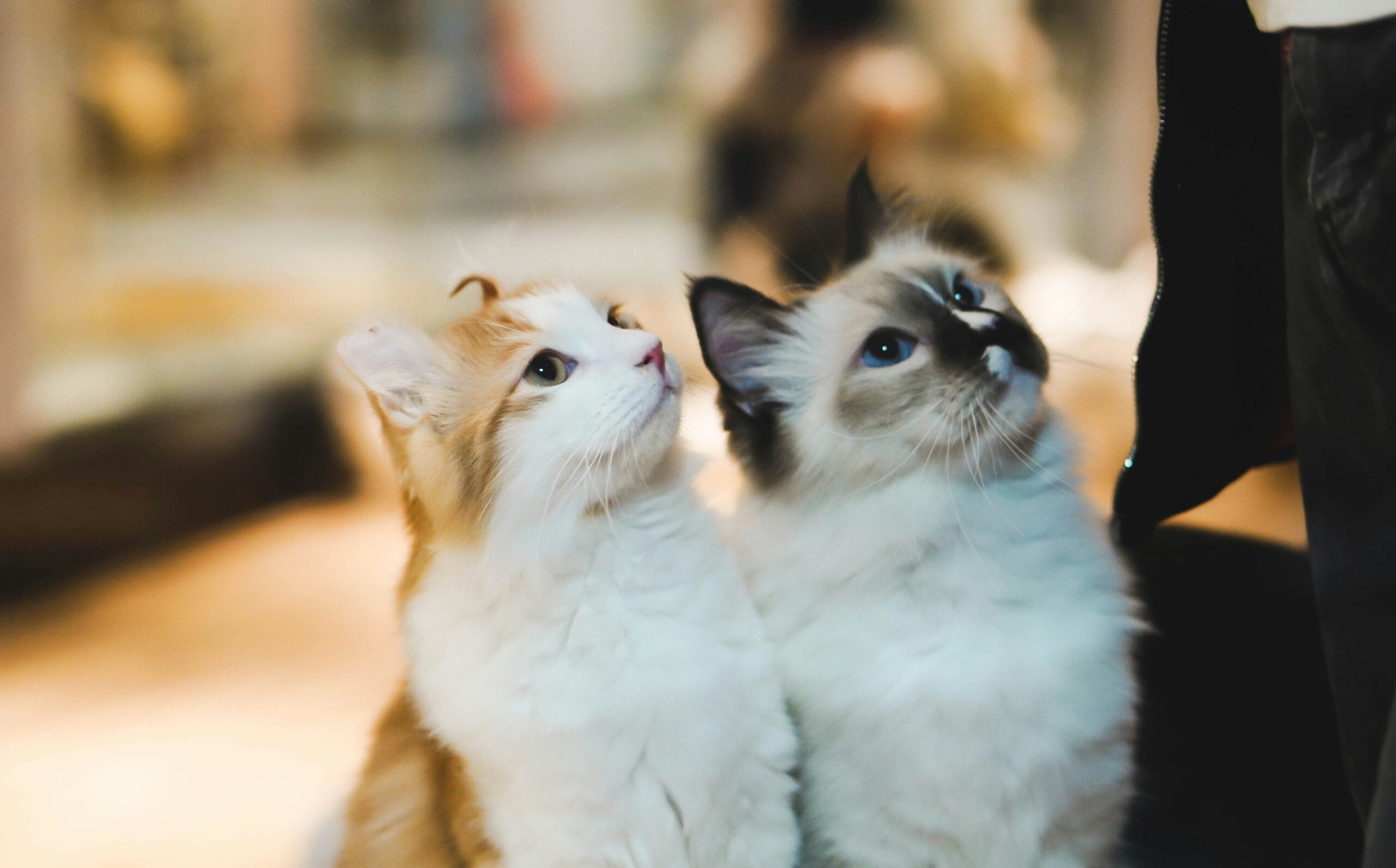
We’ve all heard the adage, “curiosity killed the cat,” but when it comes to our beloved indoor felines, a lack of stimulation can be just as detrimental. We, as responsible pet parents, understand the profound joy and companionship our indoor cats bring into our lives. They are our purring therapists, our furry shadows, and our tiny, adorable overlords. But keeping them happy and healthy within the confines of our homes requires a conscious effort and a deep understanding of their unique needs. It’s not just about providing food and water; it’s about crafting an enriched environment that caters to their natural instincts and promotes both their physical and mental well-being. This isn’t a task we take lightly, and through our collective experience, we’ve learned a great deal about making our indoor cats thrive.
Before we can truly nurture our indoor cats, we must first acknowledge their evolutionary heritage. Despite their domesticated lives, our feline friends retain many of the instincts of their wild ancestors. They are natural hunters, climbers, and explorers. We see this in their focused gazes at dust motes, their sudden bursts of energy, and their innate need to survey their surroundings from elevated perches. Ignoring these deeply ingrained behaviors can lead to boredom, frustration, and even behavioral issues.
The Importance of Instinctual Expression
When we deny our cats outlets for their natural behaviors, we’re essentially stifling a fundamental part of who they are. Imagine being a human who loves to run, but is confined to a tiny room. We’d likely become restless, anxious, and perhaps even destructive. Our cats are no different. They need to stalk, pounce, scratch, climb, and scent mark. Providing appropriate avenues for these instincts is paramount to their happiness.
Recognizing Signs of Boredom and Stress
We often notice subtle clues that our cats aren’t as content as they could be. Overgrooming, excessive meowing, destructive scratching, house soiling, or even aggression can all be indicators of underlying boredom or stress. It’s crucial for us to be observant and responsive to these signals, as they are our cats’ way of communicating their needs. Early intervention can prevent these issues from escalating.
Indoor cats often exhibit unique behaviors and habits that can be fascinating to observe. For instance, understanding why pets, including dogs, engage in certain behaviors can provide insights into the overall well-being of our furry friends. If you’re interested in exploring more about pet behaviors, you might find this article on why dogs lick their feet particularly enlightening. You can read it here: Why Do Dogs Lick Their Feet?.
Crafting an Engaging Environment
Our homes, however comfortable for us, can sometimes feel small and monotonous to our cats. Our goal is to transform our living spaces into a dynamic and stimulating environment that encourages exploration and play. This involves strategic placement of furniture, toys, and dedicated cat-centric zones.
Vertical Space is Vital
Think like a cat! Where would they feel most secure and in control? High up, of course! Cats love to observe their territory from an elevated position. This gives them a sense of safety and allows them to survey their domain. We’ve found that investing in cat trees, shelves, and window perches can make a significant difference in their overall well-being.
- Cat Trees and Condos: These come in a variety of sizes and styles, offering multiple levels, scratching surfaces, and cozy napping spots. We look for sturdy, well-constructed options that can withstand vigorous play and provide ample climbing opportunities.
- Wall-Mounted Shelves and Climbers: For smaller spaces or simply to maximize verticality, wall-mounted shelves and steps can create an exciting “cat superhighway” along our walls. These can be particularly appealing to cats who enjoy a challenge.
- Window Perches: These are often overlooked but can be a treasure trove of sensory stimulation. A comfortable perch in a sunny window allows our cats to watch the world go by, observe birds and squirrels, and soak up some vitamin D. We ensure these are securely attached and comfortable.
Enrichment Through Play
Play is not just fun for our cats; it’s a vital component of their physical and mental health. It mimics hunting behaviors, provides exercise, and strengthens our bond with them. We strive to incorporate daily play sessions into our routines.
- Interactive Toys: Wand toys, laser pointers (used responsibly to avoid frustration), and feather teasers are fantastic for engaging our cats in active play. These allow us to simulate prey movements, encouraging stalking, chasing, and pouncing. We make sure to let our cats “catch” the toy occasionally to prevent frustration.
- Puzzle Feeders: These ingenious devices make mealtime a stimulating challenge rather than a passive event. By requiring our cats to work for their food, puzzle feeders slow down eating, prevent boredom, and can even help manage weight. We offer a variety of difficulty levels to keep them engaged.
- Self-Play Toys: Although interactive play is crucial, self-play toys also have their place. Crinkle balls, spring toys, and kickers can provide entertainment when we’re not actively playing with them. We rotate these toys regularly to keep them novel and exciting.
The Power of Scratching Posts
Scratching is an innate and essential behavior for cats. It helps them shed old nail layers, stretch their muscles, and mark their territory. We understand that preventing scratching is impossible, but redirecting it to appropriate surfaces is entirely achievable.
- Vertical and Horizontal Options: Cats have preferences when it comes to scratching surfaces. Some prefer vertical posts, while others favor horizontal mats or cardboard scratchers. We offer a variety of options to cater to individual preferences.
- Location, Location, Location: Placing scratching posts in prominent areas, especially near where our cats frequently nap or stretch, increases the likelihood of them being used. We also consider placing them near furniture we want to protect.
- Material Matters: Sisal rope, corrugated cardboard, and even untreated wood are popular and effective scratching materials. We observe what our cats prefer and provide ample access to those textures.
Nurturing Their Social and Emotional Needs

While cats are often portrayed as independent, they are social creatures who thrive on interaction and affection from their human companions. Building a strong, positive relationship with our cats is fundamental to their happiness.
Consistent and Positive Interaction
Our cats crave attention, but on their own terms. We learn to read their body language and approach them with gentle respect. Regular petting, brushing, and quiet companionship all contribute to their emotional well-being.
- Gentle Petting and Grooming: Many cats enjoy being petted, especially around their cheeks, chin, and behind their ears. Regular brushing not only removes loose fur but also provides a form of gentle massage and strengthening our bond.
- Talking to Our Cats: While they may not understand our words, the tone of our voice and the attention we give them are deeply meaningful. We speak softly and reassuringly to them, creating a calm and loving atmosphere.
- Respecting Their Boundaries: We understand that not all cats are “lap cats.” Some prefer to be near us rather than on us. We respect their personal space and never force interaction, which can lead to stress and negative associations.
Providing Safe Spaces
Even the most confident cat needs a sanctuary – a place where they can retreat and feel completely secure. This is especially important in multi-cat households or homes with children or other pets.
- High Perches: As mentioned before, vertical spaces offer a sense of security. A cat tree with a built-in “condo” or a secluded shelf can be a perfect hideaway.
- Cozy Beds and Tunnels: Soft, enclosed beds or fabric tunnels provide a sense of warmth and protection. We strategically place these in quiet areas of our home.
- Cardboard Boxes: Sometimes, the simplest solutions are the best! A plain cardboard box can be an irresistible den for many cats. We often leave them out for our feline friends to enjoy.
The Benefits of a Second Cat (Sometimes!)
For some cats, especially highly social ones, the company of another feline can significantly enhance their happiness. However, we approach this decision with careful consideration.
- Careful Introduction: If we decide to introduce a second cat, we follow a slow, supervised introduction process to minimize stress and maximize the chances of a positive relationship.
- Personality Matching: We try to match personalities and energy levels. A playful kitten might not be the best fit for an elderly, reclusive cat.
- Ample Resources: In a multi-cat household, providing enough food bowls, water bowls, litter boxes, and scratching posts is crucial to prevent territorial disputes. A good rule of thumb is one more than the number of cats (e.g., three litter boxes for two cats).
Optimal Nutrition and Hydration

A balanced diet and ample hydration are the cornerstones of physical health for our indoor cats. We understand that their nutritional needs are specific, and providing high-quality food and encouraging water intake are paramount.
Choosing the Right Food
Not all cat food is created equal. We prioritize high-quality, species-appropriate food that meets their carnivorous dietary requirements.
- High-Quality Protein: Our cats are obligate carnivores, meaning their bodies are designed to derive nutrients from animal protein. We look for foods where a named meat source (chicken, salmon, beef, etc.) is the first ingredient.
- Wet Food Preference: Many veterinarians and cat experts advocate for wet food, as it provides crucial hydration and often contains fewer carbohydrates than dry kibble. This can be particularly beneficial for indoor cats who may not drink as much as outdoor cats.
- Portion Control: Obesity is a significant health concern for indoor cats. We meticulously measure their food portions based on their age, activity level, and ideal weight, consulting with our veterinarian for guidance.
Encouraging Water Intake
Dehydration can lead to serious health issues, particularly for cats prone to urinary tract problems. We actively seek ways to encourage our cats to drink more water.
- Multiple Water Stations: We place several water bowls throughout our home, some in quiet spots and others in more trafficked areas.
- Ceramic or Stainless Steel Bowls: Plastic bowls can sometimes retain odors or develop scratches where bacteria can hide. Ceramic or stainless steel options are generally preferred.
- Water Fountains: Many cats are fascinated by running water. A circulating water fountain can be a game-changer for increasing water consumption. We ensure to keep them clean and change the filters regularly.
- Wet Food: As mentioned above, feeding wet food significantly contributes to their overall hydration.
Indoor cats can greatly benefit from engaging activities that keep them stimulated and happy. One excellent way to achieve this is by incorporating fun and interactive toys into their daily routine. These toys not only provide entertainment but also promote physical activity, which is essential for their overall health. For more ideas on how to keep your feline friend active and content, you can check out this article on fun and interactive pet toys that are perfect for indoor cats.
Prioritizing Preventive Healthcare
| Category | Metrics |
|---|---|
| Food | 1/4 to 1/3 cup of dry food per day |
| Water | 1 ounce of water per pound of body weight per day |
| Exercise | 15-20 minutes of playtime per day |
| Grooming | Brushing 2-3 times per week |
| Vet Visits | Annual check-ups and vaccinations |
Even with the best environment and nutrition, our indoor cats still require regular veterinary care. Preventive healthcare is key to catching potential issues early and ensuring a long, healthy life.
Regular Veterinary Check-ups
Our cats are masters at hiding illness, a survival instinct from their wild days. Regular veterinary examinations are crucial for early detection and intervention.
- Annual Exams (More for Seniors): We schedule annual check-ups for our adult cats, and every six months for senior cats (typically over 7 years old). These exams include a thorough physical assessment, weight check, and sometimes blood or urine tests.
- Vaccinations: Even though our indoor cats may not encounter as many pathogens as outdoor cats, core vaccinations (rabies, feline distemper) are still essential for their protection. Our veterinarian helps us determine which vaccines are appropriate for our cat’s individual risk factors.
- Parasite Prevention: Fleas, ticks, and internal parasites can still affect indoor cats. We discuss with our vet the best parasite prevention protocol, even if our cat never goes outside.
Dental Hygiene
Dental disease is incredibly common in cats and can lead to serious health problems if left untreated. We prioritize their oral health.
- Brushing: Ideally, we try to brush our cats’ teeth daily with cat-specific toothpaste and a soft-bristled brush. This can take time and patience to introduce, but the benefits are immense.
- Dental Treats and Diets: While not a substitute for brushing, certain dental treats and prescription dental diets can help reduce plaque and tartar buildup.
- Professional Cleanings: Our veterinarian may recommend professional dental cleanings under anesthesia to address existing tartar and plaque or to extract diseased teeth.
Weight Management
Obesity is a widespread problem among indoor cats and can lead to a host of health complications, including diabetes, arthritis, and heart disease. We actively monitor and manage our cats’ weight.
- Regular Weigh-ins: We weigh our cats regularly (monthly or bi-monthly) to track any significant changes.
- Calorie Control: We work closely with our veterinarian to determine the appropriate daily caloric intake for our individual cats and stick to it diligently.
- Increased Activity: As discussed earlier, play and environmental enrichment are excellent ways to increase our cats’ activity levels and help them maintain a healthy weight.
Ultimately, keeping our indoor cats happy and healthy is an ongoing journey of learning, adapting, and providing unconditional love. It’s about understanding their innate needs, creating a stimulating environment, nourishing their bodies, and proactively caring for their health. By embracing these principles, we can ensure our cherished feline companions live long, fulfilling, and joy-filled lives by our sides, purring contentedly and reminding us daily of the simple, profound beauty of their presence. We are their guardians, and their happiness is our greatest reward.
FAQs
What are indoor cats?
Indoor cats are domestic cats that are kept exclusively indoors, without access to the outdoors.
Why do people keep cats indoors?
There are several reasons why people keep cats indoors, including safety concerns, protection from predators, prevention of disease, and environmental impact.
How can I keep my indoor cat entertained?
You can keep your indoor cat entertained by providing toys, scratching posts, climbing structures, and interactive playtime. Additionally, consider rotating toys and creating a stimulating environment with hiding spots and perches.
What are the health benefits of keeping cats indoors?
Keeping cats indoors can protect them from outdoor hazards such as traffic, predators, and diseases. It also reduces the risk of injuries and can lead to a longer lifespan.
What are some tips for transitioning an outdoor cat to an indoor cat?
When transitioning an outdoor cat to an indoor lifestyle, provide plenty of environmental enrichment, such as toys, scratching posts, and climbing structures. Gradually limit outdoor access and provide a safe and stimulating indoor environment. Additionally, consult with a veterinarian for advice on the transition.