
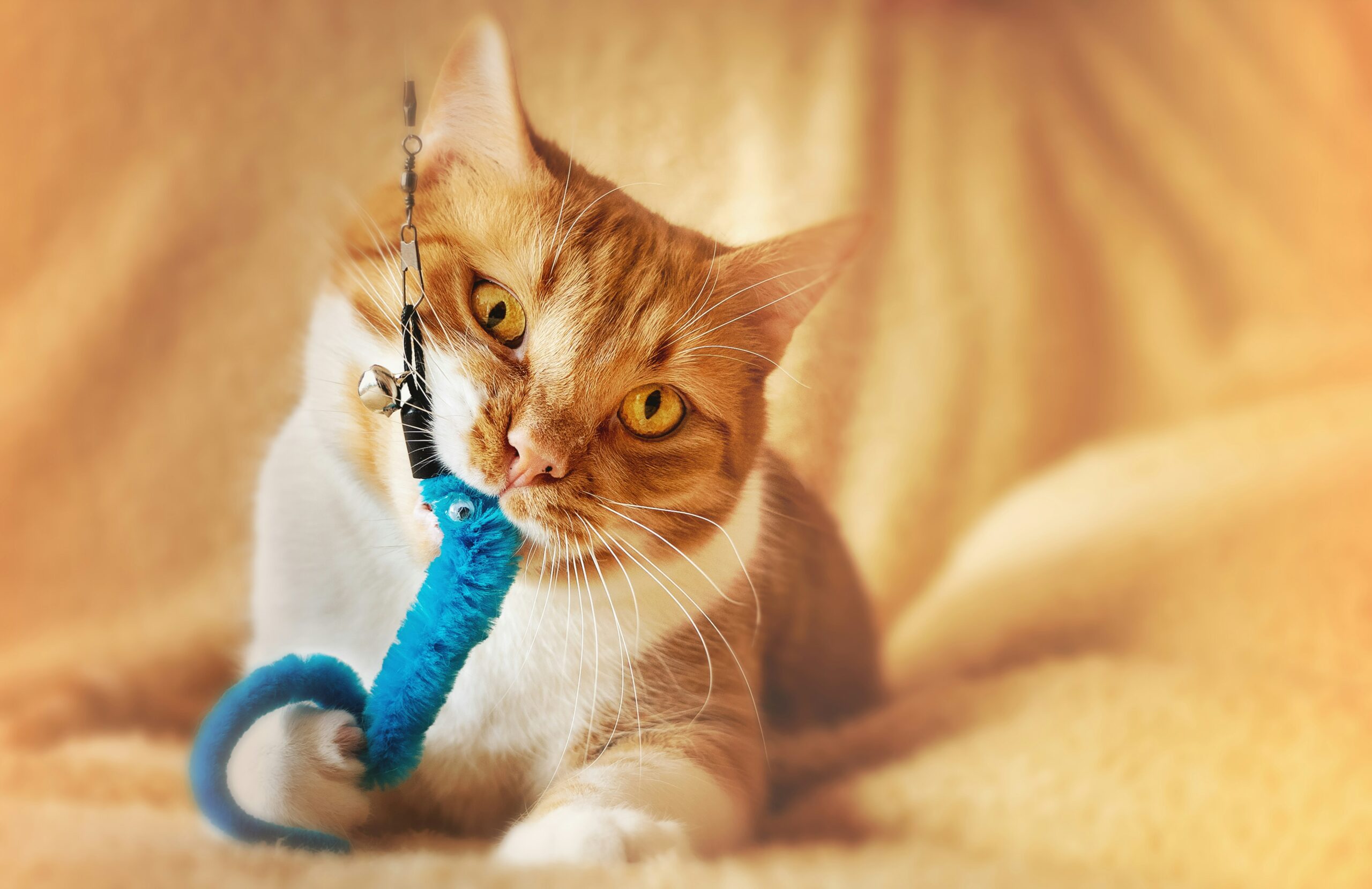
We all want our animal companions to be content and well. A significant aspect of contributing to their overall well-being lies in providing them with appropriate enrichment, and a primary avenue for this is through engaging and interactive pet toys. These aren’t just frivolous items; they serve crucial functions in stimulating their minds, encouraging physical activity, and strengthening the bond between us. We’ve explored various categories of these toys, and we’re eager to share what we’ve learned.
The mental stimulation provided by puzzle toys is invaluable. For creatures whose natural instincts often involve foraging, scent work, or problem-solving, these toys offer a controlled and rewarding outlet. We’ve observed that these toys can be particularly beneficial for pets prone to boredom or destructive behaviors when left unsupervised.
Food Dispensing Puzzles
These are perhaps the most common type of puzzle toy, and for good reason. They tap into a pet’s innate drive to work for their food.
Level 1: Simple Rollers and Wobblers
For pets new to puzzle toys, or for those who are younger or less physically agile, simpler food dispensers are a good starting point. These typically involve a toy that rolls or wobbles, releasing kibble or treats as it moves. We’ve found that even a basic rolling ball with holes can occupy a dog for a considerable amount of time, especially if the treats are of moderate size. The satisfaction of earning their reward encourages them to continue interacting with the toy. For cats, similar toys exist that might spin or have levers that, when nudged, release a treat. The key here is gradual introduction. Showing them how the food dispenses initially can enhance their understanding and enthusiasm.
Level 2: More Complex Manipulation Toys
As our pets become more adept, we can introduce them to toys that require more intricate manipulation. These might involve sliders, levers, or compartments that need to be opened in a specific sequence. We’ve seen dogs use their paws and noses to slide covers or flip open sections to access hidden treats. For cats, these toys often mimic natural hunting behaviors, requiring them to bat at objects or push them to reveal a reward. The challenge is that these toys can sometimes be frustrating if too difficult. Patience and observation are key. We often adjust the difficulty by varying the size of the treat or by showing them how certain parts of the toy operate.
Level 3: Advanced Scent-Based Puzzles
These puzzles are designed to challenge a pet’s olfactory senses. Some involve hiding treats or food under various platforms or within scent-masked compartments. We’ve found these to be particularly engaging for dogs, as their sense of smell is incredibly powerful. The process of sniffing out the hidden rewards provides a deep form of mental exercise. For less experienced handlers, setting up these puzzles might seem daunting, but they often come with instructions for varying the difficulty. We recommend starting with fewer hiding spots and more potent-smelling treats to build confidence.
Static Puzzle Feeders
Not all puzzle toys involve movement. Static feeders often present a more direct challenge of logic and exploration.
Hide-and-Seek Treat Mats
These mats have various flaps, pockets, or rolled sections designed to conceal treats. Pets must use their noses and paws to ferret out the hidden snacks. We’ve found these to be excellent for encouraging slower eating habits, which can aid digestion and prevent issues like bloat in dogs. For cats, they offer a less physically demanding but still engaging way to interact with their food. It’s important to note that some pets might try to rip or tear at these mats if they become too frustrated. Supervising initial interactions is a good practice.
Snuffle Mats
Similar to treat mats but often more elaborate, snuffle mats incorporate strips of fabric or felt that create hiding places for kibble or treats. The texture and variability of the snuffle mat encourage natural sniffing and foraging behaviors. We’ve observed that the sheer act of burying their noses in the fabric and searching provides a calming effect for many pets. The visual appeal of these mats can also be quite engaging.
When considering the best pet toys for your furry friends, it’s essential to understand their behavior during playtime and sleep. An interesting article that delves into canine behavior is titled “Why Does Your Dog Run in His Sleep?” which explores the reasons behind your dog’s nighttime antics and how it relates to their overall well-being. You can read more about it here: Why Does Your Dog Run in His Sleep?. This insight can help you choose toys that cater to your dog’s needs, ensuring they stay engaged and happy both awake and asleep.
Interactive Fetch and Toss Toys: More Than Just a Game
The classic game of fetch is a cornerstone of interaction for many of us and our canine companions. However, the toys we use can elevate this simple activity to a more stimulating and beneficial experience.
Balls with Unique Properties
While a standard tennis ball has its place, we’ve explored balls that offer enhanced features for play.
Textured and Grippy Balls
Balls with varied textures offer a better grip for dogs, making them easier to pick up and carry. This is particularly helpful for younger dogs or those with less developed jaws. The varied surfaces can also provide a subtle gum massage during play. We’ve found that even a slightly bumpy surface can make a significant difference in a dog’s ability to hold and retrieve the ball.
Bouncing and Unpredictable Balls
Toys that bounce erratically or randomly can add an element of surprise to fetch. This unpredictability keeps a dog engaged and on their toes, requiring them to react quickly and adapt their movements. We’ve observed that these toys can encourage more vigorous running and pouncing. However, for pets with any joint concerns, the unpredictability might require careful monitoring to avoid sudden twists or strains.
Light-Up and Glow-in-the-Dark Balls
For those who enjoy evening play sessions, toys that incorporate lights or glow-in-the-dark elements are a practical and fun choice. They enhance visibility, allowing play to continue safely even as daylight fades. We’ve found that the visual cue of a glowing ball can be highly motivating for many dogs, turning a simple game into a more dynamic pursuit.
Other Fetch-Related Inventions
Fetch isn’t solely limited to balls. We’ve discovered other toys that facilitate this kind of active interaction.
Frisbees and Flying Discs
These are designed for aerial retrieval, requiring dogs to jump, catch, and often navigate their bodies to secure the disc. The arc of flight and the need for precise timing make this a highly engaging activity. We’ve observed that some breeds have a natural aptitude for disc sports, making it an excellent way to channel their energy. It’s important to choose discs made of softer materials for canines to prevent mouth injuries.
Automatic Ball Launchers
For those of us who may not have the stamina for endless games of fetch, automatic ball launchers can be a fantastic alternative. They allow dogs to retrieve balls independently, providing continuous exercise. We’ve found they can also be used as a training tool, teaching concepts like “drop it.” However, it’s essential to supervise their use, as some dogs can become overly fixated or even stressed by the relentless repetition.
Chew Toys: Satisfying Natural Instincts and Promoting Dental Health

Chewing is a fundamental behavior for many animals, serving purposes from teething relief to stress reduction. Providing appropriate chew toys is crucial for their well-being and can prevent them from targeting our furniture.
Durable Chew Options
These are designed to withstand rigorous chewing and satisfy a pet’s need for tactile and oral stimulation.
Hard Rubber and Nylon Chews
These are often a robust choice for strong chewers. They are generally designed to last and provide a satisfying resistance. We’ve found that the different shapes and textures of these toys can appeal to a wider range of preferences. Many also come with ridges or grooves that can help with dental cleaning. It’s important to note that for very aggressive chewers, even these can eventually be destroyed, so regular inspection for damage is advised.
Natural Chews (e.g., Antlers, Benebones)
These offer a more natural chewing experience. Antlers provide a long-lasting, mineral-rich chew, while options like Benebones are designed with ergonomic shapes and savory flavors to increase their appeal. We’ve observed that the scent and flavor of these natural options can be particularly enticing to dogs. However, it’s worth remembering that some dogs can break off large pieces of hard chews, which could present a choking hazard or intestinal blockage concern. Consulting with a veterinarian about appropriate options for your pet’s size and chewing style is never a bad idea.
Enrichment-Focused Chews
Beyond simple durability, some chew toys are designed to offer additional benefits.
Stuffable Chew Toys
Toys with hollow interiors allow us to stuff them with peanut butter, yogurt, or other palatable fillings. This transforms a simple chew into a long-lasting, engaging reward. We’ve found these to be incredibly effective for keeping pets occupied, especially during times when we need them to be calm. The effort required to lick out the filling provides a mental challenge as well.
Dental Chew Toys
Specifically designed with nubs, ridges, or unique shapes, these toys aim to clean a pet’s teeth as they chew. They can help reduce plaque and tartar buildup, contributing to better oral hygiene. We’ve found that the texture alone can be quite satisfying, and the added benefit of dental care makes them a highly practical choice. It’s worth noting that while these toys can assist with dental hygiene, they are not a replacement for regular veterinary dental check-ups and professional cleanings.
Soft and Plush Toys: Comfort and Playtime Companions

Not all pets are aggressive chewers. For many, soft and plush toys offer comfort, a sense of security, and opportunities for gentle play.
Plush Toys with Various Features
These toys offer a different kind of sensory experience.
Squeaky Plush Toys
The familiar squeak can be highly stimulating for many pets, mimicking the sound of prey. This can encourage playful pouncing and “killing” behaviors. We’ve found that the size and intensity of the squeak can influence a pet’s interest. Some pets are delighted by the noise, while others might be indifferent or even startled. It’s useful to note that some owners find constant squeaking to be… less than ideal. Many manufacturers offer toys with removable squeakers for this very reason.
Crinkle and Rope Plush Toys
The addition of crinkle material or rope elements can provide varied textures and sounds, adding another layer of sensory engagement. The crinkling sound can be particularly appealing to cats, mimicking the sound of rustling prey. Rope components are excellent for gentle tug-of-war or simply for a pet to carry around. We’ve observed that the combination of textures can keep pets interested for longer periods.
Comfort and Security Objects
For some pets, plush toys serve as more than just playthings.
Comforting Cuddle Toys
These are often softer, without overwhelming squeakers or complex features, designed to be a pet’s quiet companion. They can be particularly beneficial for puppies or kittens adjusting to a new home, providing a sense of security. We’ve found that having a familiar, soft toy can ease anxiety during car rides or when left alone.
Toys with Gentle Textures for Sensitive Pets
For pets who are easily overstimulated or have delicate mouths, toys with very soft fabrics and minimal textures are ideal. These allow for quiet interaction and mental engagement without the risk of discomfort. We’ve seen that some elderly pets or those recovering from illness find great solace in these simple, comforting objects.
When considering the well-being of your furry friend, it’s important to recognize how playtime can influence their mood and overall happiness. Engaging your pet with the right toys can help alleviate feelings of stress or anxiety. For more insights on how to support your dog’s emotional health, you might find this article on dog depression particularly helpful. By choosing stimulating and interactive toys, you can create a more joyful environment for your beloved companion.
Specialty and Electronic Toys: Catering to Modern Needs
| Toy Name | Material | Size | Price |
|---|---|---|---|
| Squeaky Bone | Plastic | Small | 5.99 |
| Feather Teaser | Feathers, Plastic | Medium | 3.99 |
| Rope Tug Toy | Cotton | Large | 7.99 |
The evolution of pet toys has led to some innovative and technologically advanced options that can provide unique forms of enrichment.
Electronic Gadgets for Enhanced Engagement
These toys use technology to create dynamic and often unpredictable play experiences.
Automatic Treat Dispensers (Beyond Basic Puzzles)
These devices can be programmed to dispense treats at set intervals or upon sensing a pet’s interaction. Some even incorporate cameras and microphones, allowing us to interact with our pets remotely. We’ve found that these can be exceptionally useful for pets who suffer from separation anxiety, providing them with consistent positive reinforcement even when we are not present. It’s important to ensure the dispensing mechanism is safe and doesn’t pose a risk of injury.
Interactive Laser Pointers (with Caution)
While laser pointers can be incredibly engaging, especially for cats, we must use them with caution. The unpredictable movement can be highly stimulating, mimicking prey. However, the inability for the pet to ever “catch” the “prey” can lead to frustration. We recommend pairing laser play with a tangible toy at the end of the session, allowing them to have a successful capture. Never shine the laser directly into a pet’s eyes.
Toys for Specific Needs and Species
Some toys are designed for particular breeds, sizes, or even species.
Toys for Different Breeds and Sizes
We’ve seen a significant market for toys specifically tailored to different breeds and their inherent play styles. For example, toys designed for breeds known for their strong prey drive might incorporate more durable materials and stimulating textures. Conversely, toys for smaller breeds might be designed for easier manipulation and gentler play. Understanding your pet’s breed characteristics can guide us in selecting the most appropriate toys.
Toys for Less Common Pets
While we often focus on dogs and cats, other pets like birds, rodents, and reptiles also benefit from enrichment. We’ve explored foraging toys for birds that encourage natural behaviors, chewable items for rodents to maintain dental health, and scent-based puzzles for smaller animals. Providing these animals with appropriate mental and physical stimulation is just as important to their welfare.
In conclusion, the world of pet toys is vast and varied. By understanding the underlying needs and instincts of our animal companions, we can select toys that not only provide amusement but also contribute significantly to their physical health, mental acuity, and emotional well-being. The investment in good quality, interactive toys is an investment in a happier, healthier life for our beloved pets. We believe that through thoughtful selection and engaging interaction, we can truly enhance their lives.
FAQs
What are pet toys?
Pet toys are objects designed for pets to play with, providing mental stimulation and physical activity. They come in various shapes, sizes, and materials to cater to different types of pets.
Why are pet toys important?
Pet toys are important for keeping pets mentally and physically active. They can help prevent boredom, reduce destructive behavior, and provide an outlet for natural instincts such as chewing and hunting.
What types of pet toys are available?
There are various types of pet toys available, including chew toys, interactive toys, plush toys, puzzle toys, and fetch toys. Each type serves a different purpose and can cater to different pet preferences.
How do I choose the right pet toy for my pet?
When choosing a pet toy, consider your pet’s size, age, breed, and play style. Look for toys that are safe, durable, and suitable for your pet’s specific needs and preferences.
How can I ensure the safety of pet toys?
To ensure the safety of pet toys, regularly inspect them for signs of wear and tear, avoid giving toys with small parts that can be swallowed, and supervise your pet during playtime. Additionally, choose toys made from non-toxic materials and follow any specific care instructions provided by the manufacturer.