
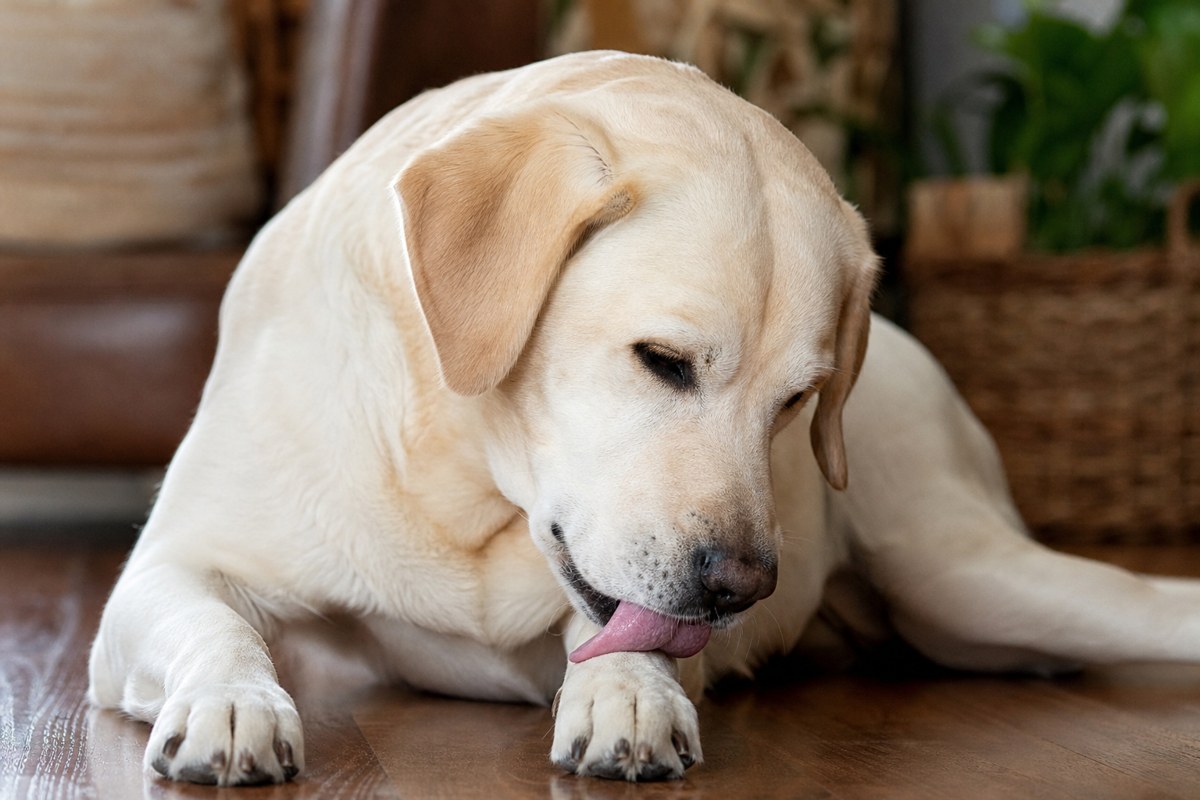
Quick answer: Light paw licking after a walk is normal cleaning. Frequent paw licking is most often caused by allergies, but it can also come from an injury or something stuck between the toes, dry or cracked pads, winter road salt, a skin infection or boredom and anxiety. Red-brown saliva stains between the toes are a common sign of ongoing licking.
Paws take a beating. They walk on hot pavement, frozen sidewalks, salt, grass, chemicals and whatever else your dog finds. So it’s no surprise that dogs give their feet some attention.
But if your dog is licking their paws every evening, or you notice pink or rusty staining on the fur between their toes, something is probably bothering them.
Common Causes
- Allergies. Environmental allergies (pollen, grasses, dust mites) and food allergies very often show up as itchy paws.
- Something stuck. Burrs, splinters, grass seeds (foxtails), or small stones between the toes.
- Injury. Cuts, cracked pads, torn nails or a sprained toe.
- Winter salt and ice melt. Chemicals and cold can irritate and dry out paw pads.
- Skin infections. Yeast and bacteria often grow in the warm, damp spaces between toes, causing a musty smell and more itching.
- Dry skin. Common in winter or with frequent baths.
- Pain. Arthritis in the toes or wrist can cause licking.
- Boredom or anxiety. Licking can be soothing.
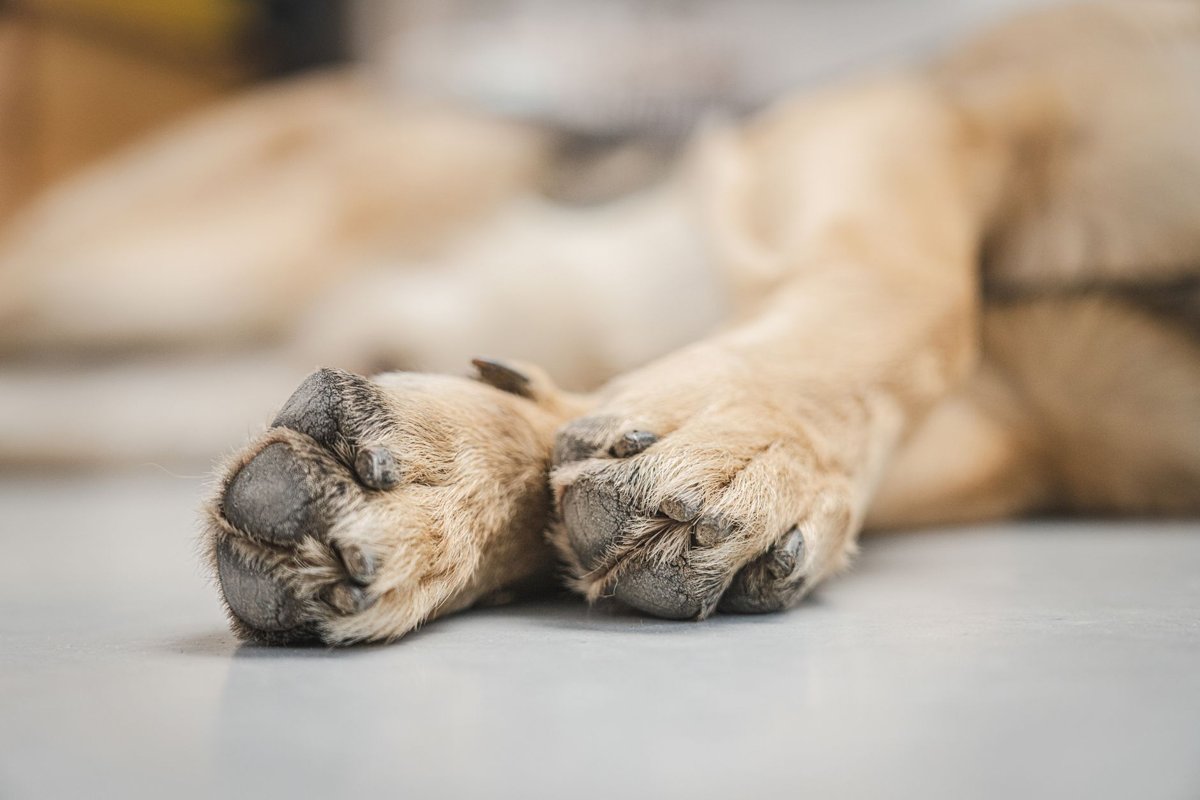
Check Your Dog’s Paws
- Spread the toes and look between them for redness, swelling, cuts or anything stuck.
- Check the pads for cracks, blisters or burns.
- Look at the nails for breaks, bleeding or overgrowth.
- Smell the paws. A strong yeasty or musty odor can mean infection.
- Watch whether your dog limps or favors one foot.
Home Care Tips
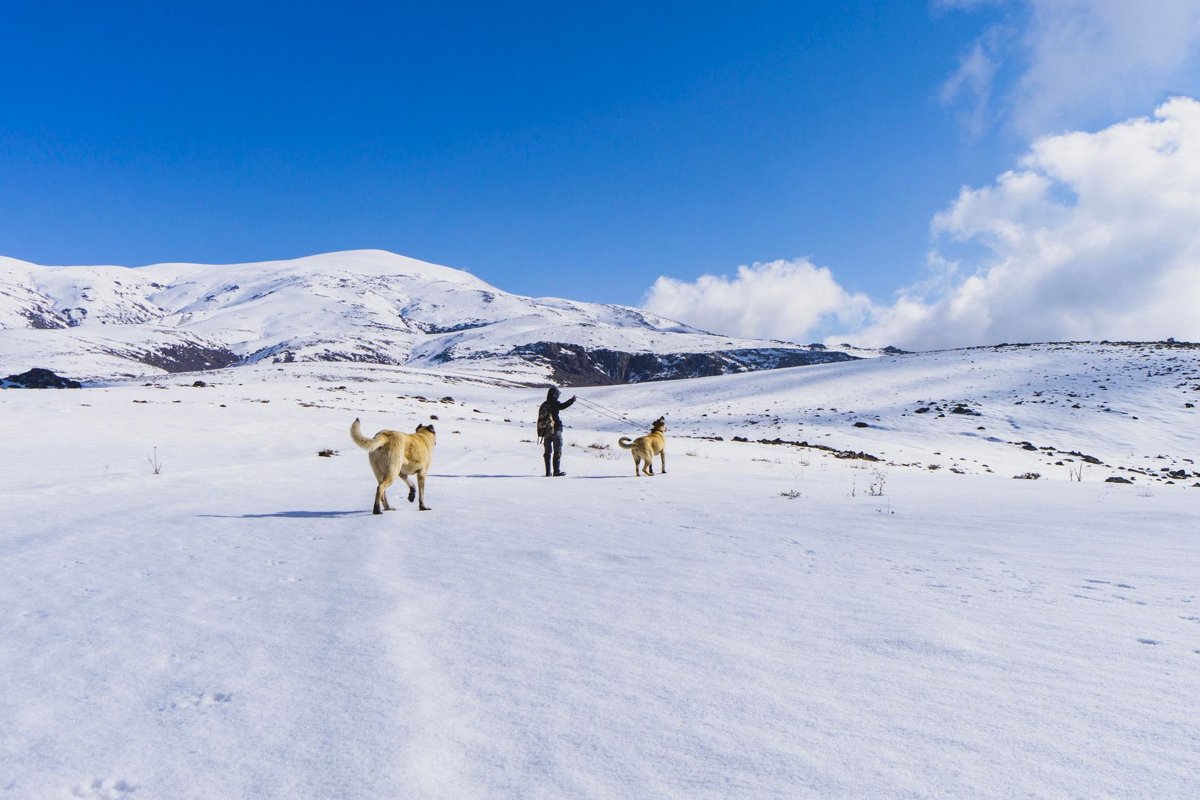
- Wipe or rinse paws after walks, especially in pollen season and winter.
- Dry thoroughly between the toes.
- Use a paw balm or wax to protect pads from salt, ice and hot pavement. We use Musher’s Secret on our senior Yorkie in Chicago winters.
- Consider dog booties for icy, salted sidewalks.
- Keep the fur between the pads trimmed so ice and debris don’t collect.
- Keep nails trimmed to a healthy length.
When to See the Vet
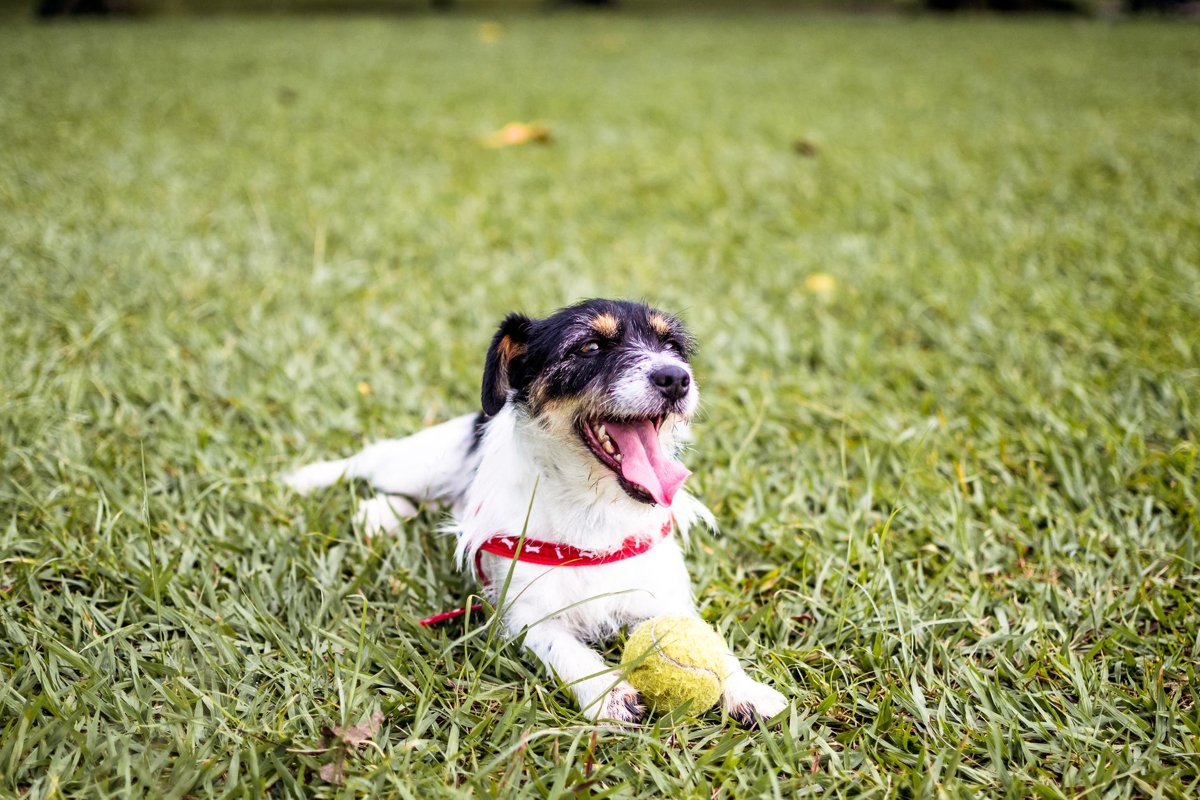
- Licking lasts more than a few days or keeps coming back
- Red, swollen, oozing or smelly skin
- Limping, bleeding or a visible wound
- Licking along with itching elsewhere (ears, belly, armpits)
- Ear infections that keep returning (often linked to allergies)
Allergies can’t be cured, but your vet has many effective ways to manage the itch so your dog is comfortable.
Helpful Products
- Musher's Secret paw wax: Protects pads from salt, ice and hot pavement.
- Paw cleaners: Quick rinse for muddy or salty paws.
- Dog booties: Extra protection on icy, salted sidewalks.
Frequently Asked Questions
Why does my dog lick his paws at night?
Allergies and itchiness often feel worse when things are quiet. Boredom can play a role too.
What do brown stains on my dog’s paws mean?
Reddish-brown saliva staining usually means frequent licking. It’s worth finding the cause.
Can I put coconut oil on my dog’s paws?
Small amounts are generally considered safe, but a dog-specific paw balm is a better choice. Ask your vet if your dog has a skin condition.
Is paw licking a sign of anxiety?
It can be, but rule out allergies, infection and injury first with your vet.
The Bottom Line
Paw licking is your dog’s way of saying something feels off. Check between the toes, protect paws from salt and weather, and see your vet if licking keeps up or the skin looks red or irritated.
Keep reading:
- Why Do Dogs Chew on Their Feet and Nails? Causes and Solutions
- Why Do Dogs Lick Themselves So Much? Normal Grooming vs. a Problem
- Life With a Senior Yorkie: What 14-Year-Old Gracie Has Taught Us
- 14 Common Dog Health Problems: Signs to Watch For
As an Amazon Associate, we earn from qualifying purchases. This post contains affiliate links.