
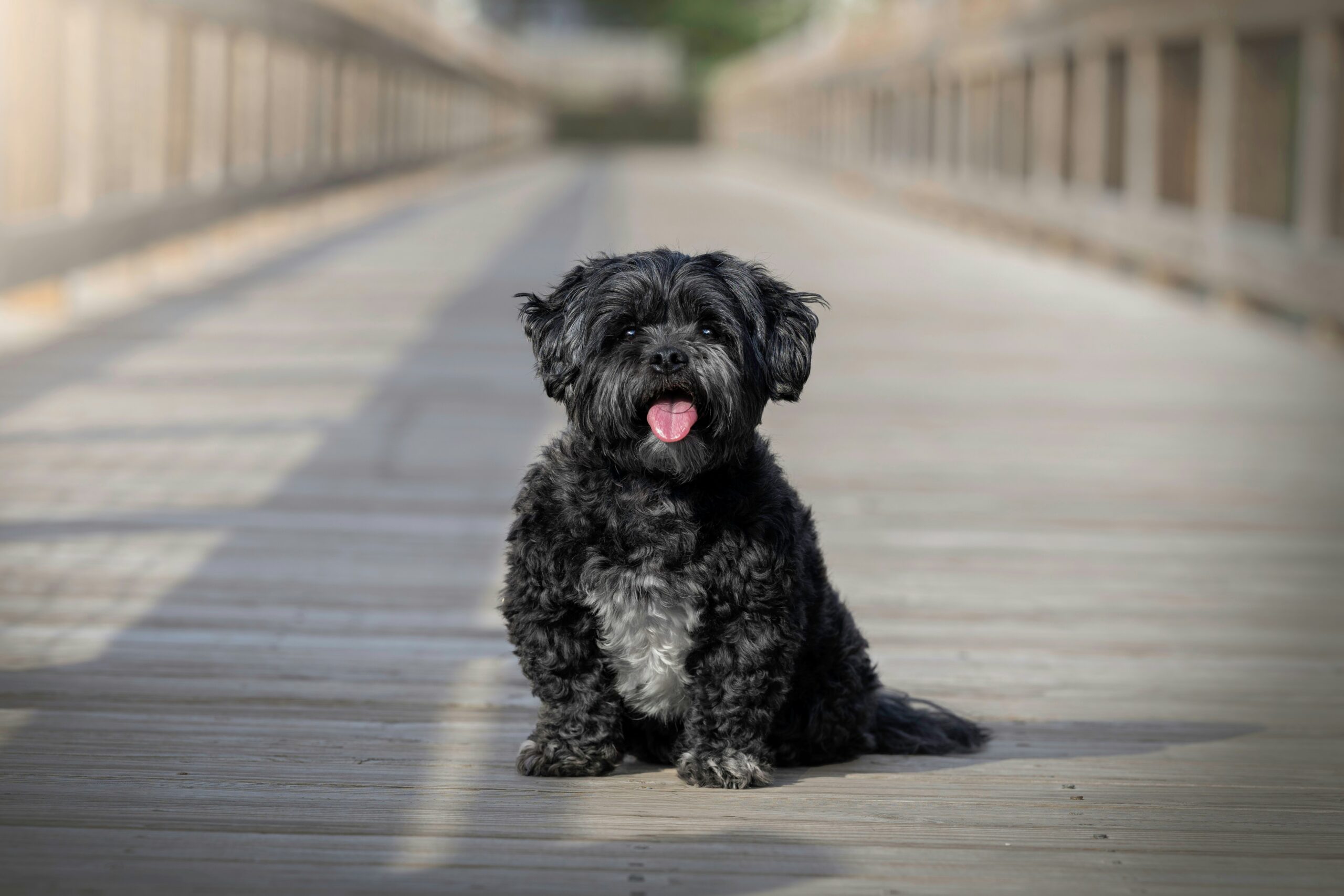
We’ve all seen them, the charming canine companions gracing the pages of magazines and the screens of our devices, often depicted in sprawling estates with ample room to roam. Yet, the reality for many of us is the cozy confine of an apartment. This doesn’t mean we must forego the joy of dog ownership. Rather, it calls for a more considered approach, focusing on breeds whose size and temperament are well-suited to a more compact living space. We understand the unique challenges and considerations involved in sharing our homes with furry friends when square footage is at a premium. It’s not about size alone, but a combination of energy levels, trainability, and a predisposition to adapt to indoor life.
For those of us residing in urban environments or simply preferring a more intimate living arrangement, selecting the right dog breed is paramount to ensuring both our happiness and our dog’s well-being. A large, boisterous dog in a small apartment can lead to mutual frustration. Conversely, a smaller dog with a more subdued demeanor can thrive, making the most of limited space and still providing us with companionship and affection. We’ve compiled a list of ten small dog breeds that we believe are particularly well-suited for apartment living, taking into account various factors that contribute to a harmonious cohabitation. Our aim is to provide practical guidance, focusing on the realities of indoor life with pets.
Size Matters, But It’s Not the Only Factor
When we consider apartment living, the most obvious factor is size. However, it’s crucial to understand that a small dog isn’t automatically a good apartment dog. Some small breeds have incredibly high energy levels and require significant amounts of exercise, which might be difficult to provide consistently in an apartment setting. We need to look beyond just physical dimensions and delve into the inherent characteristics of each breed. A dog that doesn’t require extensive outdoor excursions to burn off pent-up energy will inherently be a better fit for our indoor environment. We’ve learned that breed-specific research is essential, preventing potential mismatches that can lead to behavioral issues for the dog and stress for us. It’s about finding a dog whose activity needs can be met within the confines of our lifestyle and living space.
Energy Levels and Exercise Requirements
One of the primary considerations for apartment dwellers is a dog’s energy level. Dogs with lower to moderate energy requirements are generally more adaptable to indoor living. This doesn’t mean they don’t need exercise – all dogs do – but rather that their exercise needs can be met with daily walks, indoor play sessions, and mental stimulation. We’ve found that it’s about finding a breed whose natural inclination is to relax indoors for significant portions of the day, rather than one that constantly needs to be on the go. A dog that becomes restless and destructive when confined for extended periods will create a challenging situation for us in an apartment. We aim to identify breeds that are content with a couple of good walks and some playtime, rather than those needing hours of vigorous activity.
Temperament and Adaptability
The temperament of a dog plays a significant role in its suitability for apartment living. A calm, even-keeled dog is more likely to settle well in a confined space. Breeds that are naturally more independent or even-tempered tend to adjust better to the routines of apartment life. We also need to consider their propensity for barking. Excessive barking can be a major issue in apartment buildings, leading to complaints from neighbors and a strained living situation. Breeds known for being less vocal or having a more controlled bark are therefore highly desirable. Adaptability is another key trait. We’re looking for dogs that can handle changes in routine, the sounds of city life, and the presence of people in shared spaces without becoming overly anxious or reactive.
Grooming Needs and Potential for Shedding
While not directly related to space, grooming needs and shedding are important practical considerations for apartment dwellers. Dogs that require extensive grooming can be a handful in a small living space, and excessive shedding can make maintaining a clean environment more challenging. We’ve found that breeds with minimal grooming requirements or those that shed less can significantly simplify our lives. This is particularly true if we have allergies or simply prefer a cleaner living space. We need to be realistic about the time and effort we are willing and able to dedicate to grooming, and choose a breed that aligns with those capabilities.
If you’re interested in learning more about small dog breeds and their unique behaviors, you might find this article on why dogs chew their feet particularly insightful. Understanding the reasons behind such behaviors can help you better care for your furry friend. Check it out here: Why Do Dogs Chew Their Feet?.
Ten Small Dog Breeds That Shine in Apartments
1. Cavalier King Charles Spaniel
These affectionate and gentle dogs are almost tailor-made for apartment living. Their compact size and relatively low energy levels make them ideal companions. We find that Cavaliers are content with moderate daily walks and enjoy spending time curled up beside us. They are known for their sweet disposition and their desire to be near their owners, which makes them excellent lap dogs. Their willingness to please and their trainability also contribute to their suitability. We’ve observed that they rarely exhibit destructive behaviors when their basic needs are met.
A Companion for Quiet Evenings
The Cavalier King Charles Spaniel thrives on human interaction and is happiest when included in family activities, even if those activities are simply relaxing at home. They are not overly demanding and are generally content with periods of quiet repose. We appreciate their calm demeanor, which makes them unobtrusive housemates. Their training is typically straightforward, as they are eager to please their owners.
2. Bichon Frise
The Bichon Frise is a cheerful and playful little dog that brings a lot of personality into an apartment. Their small size and moderate exercise needs make them a good fit. While they enjoy playtime, they are also happy to settle down for naps. A notable characteristic is their hypoallergenic coat, which sheds minimally, a significant advantage for many apartment dwellers concerned about dander. We understand that regular grooming is necessary to maintain their coat, but this is a manageable task for attentive owners.
Low Shedding Companion
The Bichon Frise’s minimal shedding is a major draw for apartment living. This means less time spent vacuuming and fewer allergens in our shared space. Their bright and optimistic outlook on life adds a cheerful atmosphere to our homes. We’ve found that their playful nature can be channeled into indoor games, providing them with sufficient mental and physical stimulation.
3. Shih Tzu
Originally bred as lapdogs for Chinese royalty, Shih Tzus are inherently suited for indoor living. They are affectionate, charming, and don’t require a great deal of exercise. We find that daily walks and some indoor play are usually sufficient to keep them happy and healthy. Their long coats do require regular grooming to prevent matting, but this can be managed with consistent brushing. Their generally placid nature makes them excellent companions for those who enjoy a quieter lifestyle.
Adaptable by Nature
The Shih Tzu’s ancestry as a pampered companion breed means they have a natural inclination towards indoor comforts. They are not prone to excessive barking and are generally content with shorter bursts of activity interspersed with plenty of rest. We’ve noticed their adaptable nature allows them to thrive in various living situations, provided they receive love and attention.
4. French Bulldog
French Bulldogs have become increasingly popular for apartment living, and for good reason. They are relatively small, with moderate exercise needs. Their short coats require minimal grooming. We find that their playful yet not overly energetic nature makes them well-suited for indoor environments. They enjoy short walks and indoor games. A key consideration is their potential for certain health issues, such as breathing difficulties due to their brachycephalic (short-nosed) structure, which means we need to be mindful of overexertion, especially in hot weather.
Ideal for City Living
The French Bulldog’s compact size and relatively low exercise demands make them a practical choice for urban apartments. They are known for their affectionate personalities and their ability to bond closely with their owners. We appreciate their generally quiet nature, though they can be prone to some grunting and snorting sounds.
5. Pug
Pugs are known for their charming personalities and their love of napping. They are small, merry dogs that don’t require extensive exercise. Short walks and indoor play sessions are typically sufficient to keep a Pug happy. Their short coats are easy to groom, though they do shed moderately. We’ve observed that their primary needs are companionship and a comfortable spot to snooze. Like French Bulldogs, they are prone to respiratory issues and require careful monitoring in warm environments.
A Couch Potato’s Best Friend
The Pug’s reputation as a “couch potato” is well-earned. They are not high-energy dogs and are content with a relaxed lifestyle. Their affectionate and playful nature, combined with their manageable exercise needs, makes them excellent apartment dwellers. We find their expressive faces and comical antics bring a lot of joy.
Considerations Beyond Breed

Training and Socialization are Key
Regardless of breed, proper training and early socialization are crucial for any dog living in an apartment. A well-trained dog is a pleasure to live with in any environment, but it is especially important when sharing close quarters with neighbors. We need to teach our dogs basic obedience commands, such as sit, stay, and come. We also need to work on leash manners to ensure comfortable walks in public spaces. Early socialization helps dogs become accustomed to various sights, sounds, and other animals, reducing the likelihood of fear-based or reactive behaviors that can be exacerbated in an apartment setting. We recognize that consistent effort in this area pays significant dividends in creating a well-adjusted canine companion.
Building Good Habits Indoors
Teaching our dogs appropriate indoor behaviors from the outset is paramount. This includes housetraining, as well as discouraging destructive chewing or excessive barking. We can utilize positive reinforcement techniques to reward good behavior and redirect unwanted actions. Providing them with appropriate chew toys and engaging them in mentally stimulating activities can help prevent boredom and frustration that might lead to destructive tendencies. We’ve learned that a routine that includes regular potty breaks, exercise, and playtime is essential for building good habits.
The Importance of Mental Stimulation
We often focus on physical exercise for dogs, but mental stimulation is equally vital, especially for apartment dogs who may spend more time indoors. Bored dogs are more prone to developing behavioral problems. We can provide mental enrichment through puzzle toys, interactive feeders, and training sessions that challenge their minds. Teaching them new tricks or engaging them in simple games like hide-and-seek can keep them engaged and prevent boredom. We believe that a mentally stimulated dog is a happier and better-behaved dog, making our shared living space more harmonious.
Engaging Their Minds
Mental stimulation can be as tiring for a dog as physical exercise, making it a valuable tool for apartment dwellers. We can rotate puzzle toys to keep them novel and challenging. Short, frequent training sessions focusing on new commands or reinforcing existing ones are also excellent for mental engagement. We’ve found that even simple activities like having them “find” their treats can significantly contribute to their well-being.
Establishing a Routine
Dogs thrive on predictability, and establishing a consistent routine is particularly beneficial for apartment dogs. This includes regular feeding times, potty breaks, exercise sessions, and bedtime. A predictable schedule helps dogs feel secure and can minimize anxiety. We understand that even with busy schedules, maintaining a degree of consistency in our dogs’ lives can significantly impact their behavior and overall happiness. For us, it means setting aside dedicated time for our furry companions.
Predictability for Peace of Mind
A consistent daily routine helps our dogs understand what to expect, reducing stress and anxiety. This includes consistent times for waking up, going outside, eating meals, and playtime. We’ve found that even small variations can sometimes cause unease, so aiming for regularity in key aspects of their day is important. This predictability contributes to a calmer household environment for both us and our dogs.
Other Small Breeds Worthy of Consideration

6. Poodle (Miniature and Toy)
Poodles, in their miniature and toy varieties, are intelligent, highly trainable, and have low-shedding coats, making them excellent choices for apartment living. Their intelligence means they require mental stimulation, but their energy levels are generally manageable with daily walks and indoor play. We appreciate their adaptability and their affectionate nature. Their minimal shedding is a significant benefit for maintaining a clean living space.
Hypoallergenic and Smart
The Poodle’s intelligence makes them quick learners, which is advantageous for training. Their hypoallergenic coat is a major plus for those with allergies. We find that miniature and toy poodles are not prone to excessive barking and are content with indoor life, provided they receive adequate mental engagement.
7. Boston Terrier
Boston Terriers are known for their compact size, friendly disposition, and moderate exercise needs. They are generally quiet dogs and are well-suited for indoor living. Their short coats require minimal grooming. We find that they enjoy short walks and indoor playtime and their adaptability to living in smaller spaces is commendable. Their good-natured temperament makes them great companions.
Affectionate and Lively Companions
Boston Terriers are good-natured dogs that thrive on companionship. Their exercise needs are typically met with short daily walks and opportunities for play. We observe that they are not overly prone to barking, which is a considerable advantage in apartment settings.
8. Havanese
The Havanese is a small, happy, and outgoing dog that makes a wonderful apartment companion. They have moderate energy levels and are content with indoor activity and daily walks. Their coats require regular grooming, but they do not shed excessively. We find them to be very affectionate and eager to please, which makes them a joy to train.
Social Butterflies
Havanese are known for their cheerful and social nature. They are not typically prone to excessive barking and are happy to be involved in family activities. We’ve found that their desire for companionship means they can be prone to separation anxiety if left alone for extended periods, so they are best suited for owners who can provide ample attention.
9. Schnauzer (Miniature)
Miniature Schnauzers are intelligent, spirited, and alert dogs that can adapt well to apartment living. They have moderate exercise needs and enjoy daily walks and playtime. Their characteristic wiry coat requires regular grooming, but they are considered low-shedding. We appreciate their protective nature and their affectionate bond with their families.
Alert and Trainable
Miniature Schnauzers are intelligent and generally easy to train. Their alert nature means they might bark to alert you to something, but consistent training can help manage this. We find that their exercise needs can be met with regular walks and indoor play, making them a viable option for apartment dwellers.
10. Maltese
The Maltese is a small, elegant dog with a gentle temperament and minimal exercise requirements. They are devoted to their owners and are content with indoor living and short walks. Their long, silky coat requires daily grooming to prevent matting, which is a commitment we need to be prepared for. We observe that their affectionate nature makes them excellent companions for those seeking a close bond.
A Lapdog’s Delight
The Maltese’s primary goal in life seems to be providing companionship and affection. They are small enough to be comfortable in any apartment and their exercise needs are easily met. We find their loyalty and gentle disposition make them a joy to have around, though their grooming is a significant undertaking.
If you’re considering adding a small dog breed to your family, it’s essential to understand their unique needs and characteristics. Small dogs can be wonderful companions, but they also require specific care and attention to thrive. For those who are also pet enthusiasts, you might find it interesting to explore tips on caring for other pets, such as cats. You can read more about this in the article on cat care tips for healthy kitty beginners, which offers valuable insights that can complement your experience with small dog breeds.
Final Thoughts for Prospective Apartment Dog Owners
| Breed | Height | Weight | Lifespan |
|---|---|---|---|
| Chihuahua | 6-9 inches | 2-6 pounds | 12-20 years |
| Pomeranian | 6-7 inches | 3-7 pounds | 12-16 years |
| Yorkshire Terrier | 7-8 inches | 4-7 pounds | 13-16 years |
| Shih Tzu | 8-11 inches | 9-16 pounds | 10-18 years |
We understand that choosing a dog is a significant decision, particularly when living in an apartment. It’s a commitment that requires careful consideration of not just our desires, but also the specific needs of the breed and how they will integrate into our living space and lifestyle. We want to ensure a happy and fulfilling experience for both ourselves and our canine companions.
We’ve explored ten breeds that, based on their size, energy levels, temperament, and adaptability, tend to fare well in apartment settings. However, it’s crucial to remember that individual personalities within breeds can vary. We encourage thorough research into each breed that piques our interest, and if possible, spending time with dogs of that breed to get a firsthand impression. We also strongly advocate for adoption from reputable shelters or rescue organizations, as many wonderful dogs are already waiting for loving homes, and shelter staff can often provide valuable insights into a dog’s temperament and suitability for apartment living. Our aim is to foster a strong, lasting bond with a dog that will thrive in our urban abodes.
FAQs
What are some popular small dog breeds?
Some popular small dog breeds include the Chihuahua, Pomeranian, Dachshund, Shih Tzu, and Yorkshire Terrier.
What are the advantages of owning a small dog?
Small dogs are often more portable and easier to travel with, require less space, and can be more affordable to care for in terms of food and grooming.
What are some common health issues in small dog breeds?
Some common health issues in small dog breeds include dental problems, patellar luxation, tracheal collapse, and obesity.
How much exercise do small dog breeds need?
Small dog breeds generally require less exercise compared to larger breeds, but they still need regular walks and playtime to stay healthy and happy.
What are some considerations to keep in mind when choosing a small dog breed?
When choosing a small dog breed, it’s important to consider their energy level, grooming needs, temperament, and any potential health issues associated with the breed.