
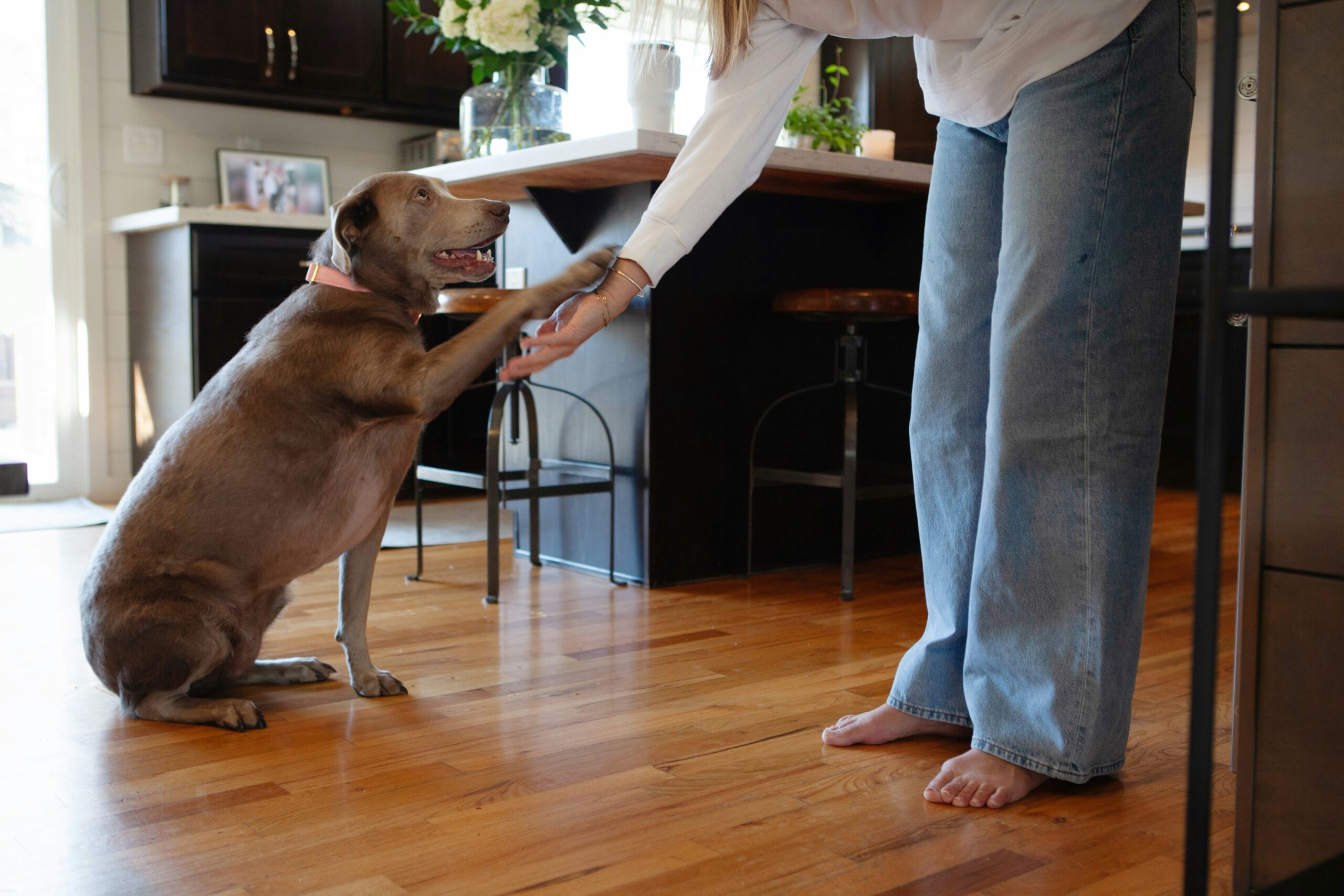
We often find ourselves navigating the complex landscape of pet ownership, and one of the most consistent challenges we encounter is pet training. Our aim is to foster a harmonious household where our companions understand and respond to our directives, resulting in a more predictable and enjoyable environment for everyone. This endeavor requires consistency, patience, and an understanding of animal behavior.
Before we delve into specific techniques, it is essential we establish a foundational understanding of how animals learn. This knowledge will guide our approach and help us avoid common pitfalls.
Classical Conditioning and Operant Conditioning
We recognize two primary mechanisms through which animals learn: classical conditioning and operant conditioning. Classical conditioning, exemplified by Pavlov’s experiments, involves associating an involuntary response with a stimulus. For instance, if we consistently ring a bell before presenting food, a dog may begin to salivate at the sound of the bell alone. Operant conditioning, conversely, focuses on voluntary behaviors and their consequences. We use reinforcement and punishment to increase or decrease the likelihood of a behavior recurring. Positive reinforcement, where we add something desirable to increase a behavior (e.g., giving a treat for sitting), is our preferred method. Positive punishment, adding something undesirable to decrease a behavior (e.g., a leash correction), can be effective but carries risks if not applied precisely. Negative reinforcement, removing something undesirable to increase a behavior, and negative punishment, removing something desirable to decrease a behavior, also have their applications. Our emphasis is typically on positive reinforcement due to its perceived ethical and long-term benefits for the pet-owner relationship.
The Importance of Early Socialization
We observe that a crucial period for developing a well-adjusted pet is during their early socialization window. For puppies, this typically occurs between 3 and 16 weeks of age. For kittens, the window is generally between 3 and 7 weeks. During this time, we expose our young pets to a variety of sights, sounds, people, and other animals in a controlled and positive manner. This helps them develop confidence and resilience, reducing the likelihood of fear-based aggression or anxiety later in life. A lack of proper socialization can lead to behavioral issues that are significantly more difficult to address as the animal matures. We prioritize creating positive associations during this formative period.
Establishing Clear Communication
Effective training hinges on clear and consistent communication. Our pets do not understand our spoken language innately; we must teach them. This involves using consistent verbal cues, hand signals, and body language. Ambiguity in our commands can lead to confusion and frustration for both us and our pets. We strive for brevity and clarity in our instructions, utilizing single-word commands initially and gradually building up to more complex sequences.
If you’re looking to enhance your pet training skills, you might find it helpful to explore various aspects of pet behavior and perception. A related article that delves into an interesting topic is about whether cats can see color. Understanding how your feline friend perceives the world can significantly influence your training methods. You can read more about this fascinating subject by visiting the article here: Can Cats See Color?.
Practical Strategies for Obedience Training
Once we have a grasp of the underlying principles, we can then apply practical strategies to teach our pets desired behaviors. These methods are applicable across various species, with minor adjustments for individual animal characteristics.
Positive Reinforcement Techniques
Our primary tool in pet training is positive reinforcement. We identify what our pet finds rewarding, which can include high-value treats, praise, toys, or even access to preferred activities. When our pet performs a desired behavior, we immediately provide this reward. The timing of the reward is critical; it must occur within a few seconds of the behavior to create a strong association. Lagging reinforcement can confuse the animal regarding which action earned the reward.
Lure and Reward
We often begin by using the lure and reward method. For example, to teach a dog to sit, we hold a treat near its nose and slowly move it backward over its head. As the dog’s nose follows the treat, its hindquarters will naturally lower into a sit. As soon as its rear touches the ground, we say “sit” and immediately provide the treat and praise. We repeat this process until the dog consistently sits when lured. Gradually, we fade the lure, replacing it with only the verbal cue or a hand signal.
Shaping Behavior
For more complex behaviors, we employ shaping. This involves rewarding successive approximations of the desired behavior. For instance, if we want a cat to jump through a hoop, we might first reward it for looking at the hoop, then for approaching it, then for touching it, then for stepping through it, and finally for jumping through it. Each small step in the right direction is reinforced, building confidence and leading towards the ultimate goal. We break down complex actions into manageable components.
Clicker Training
Many of us utilize clicker training as a precise way to mark the exact moment a pet performs a desired behavior. The clicker is a neutral sound that, once conditioned, becomes a secondary reinforcer. We condition the clicker by pairing it consistently with a high-value treat. After a dozen or so repetitions, the clicker itself begins to elicit a positive response from the animal. We then use the click to immediately mark the desired behavior, followed by the primary reinforcer (treat). The click allows us to communicate with incredible precision, marking actions that might be too fleeting for direct treat delivery.
Managing Unwanted Behaviors
While our focus is primarily on teaching desired behaviors, we also need strategies for managing and redirecting unwanted actions. Our approach to these situations is calm and consistent.
Environmental Management
We understand that prevention is often more effective than correction. Environmental management involves arranging our pet’s surroundings to prevent problem behaviors from occurring. For example, if a puppy is chewing on furniture, we remove access to the furniture or provide appropriate chew toys to redirect the behavior. If a cat is scratching our couch, we provide scratching posts in prominent locations and cover the couch. This proactive approach reduces opportunities for error and provides clear alternatives.
Redirection and Substitution
When an unwanted behavior occurs, we aim to redirect our pet to a more appropriate alternative. If a dog is jumping on guests, we might ignore the jumping, then ask for a sit, and reward the sit. If a cat is swatting at our feet, we ignore the swatting and offer a toy to bat at instead. We substitute an undesirable action with a desirable one that meets the pet’s underlying need (e.g., chewing, playing, attention).
The Role of Consistency and Patience

We cannot overstate the importance of consistency and patience in pet training. These two elements are fundamental to success.
Establishing a Routine
Pets thrive on routine. We establish predictable schedules for feeding, walks, playtime, and training sessions. This predictability helps our pets understand what to expect and when, reducing anxiety and making them more receptive to learning. Deviations from routine, while sometimes unavoidable, can temporarily disrupt progress.
Short, Frequent Training Sessions
Our training sessions are usually kept short and engaging, typically 5-10 minutes in duration, especially for young animals or those with short attention spans. Multiple short sessions throughout the day are often more effective than one long, drawn-out session. This prevents boredom and frustration for both us and our pets, maintaining their enthusiasm for learning. We aim to end each session on a positive note.
Everyone on Board
For consistency, it is crucial that all members of the household are aware of and adhere to the training protocols. If one person allows a behavior that another person is trying to extinguish, it sends mixed signals to the pet and can undermine training efforts. We ensure that verbal cues, hand signals, and reinforcement strategies are consistent across all interactions.
Addressing Specific Training Challenges

Certain behaviors present unique challenges that require tailored approaches. We have developed strategies for some common issues.
Leash Training and Polite Walking
Many of us encounter difficulties with leash pulling. Our technique involves rewarding loose-leash walking immediately. We begin in low-distraction environments. When our pet walks nicely beside us, with a slack leash, we offer praise and treats. If the pet pulls, we stop walking entirely until the leash loosens, then we resume. This teaches that pulling stops forward progress. Consistency is key here; we must be prepared to stop frequently initially.
Recall Training: “Come” Command
A reliable recall is paramount for our pet’s safety and our peace of mind. We start recall training in a quiet, confined space with few distractions. We use an upbeat tone and a high-value reward. We call our pet by name, followed by “come,” and as they approach, we offer enthusiastic praise and a treat. We never use “come” in a negative context (e.g., to scold or administer medication). Gradually, we increase distractions and the distance, always ensuring success before moving to more challenging environments.
House Training (Potty Training)
House training requires vigilance and a structured approach. For puppies and kittens, we take them out frequently, especially after waking, eating, and playing. We choose a designated potty spot and reward them immediately when they eliminate there. Accidents indoors are cleaned thoroughly with an enzymatic cleaner to remove odors that might encourage repeat incidents. We avoid punishment for accidents, understanding that they are typically our fault for not getting the pet outside in time. Crate training can be a valuable tool in house training, as most animals are reluctant to soil their sleeping area.
If you’re looking for effective ways to enhance your pet training experience, you might find some valuable insights in a related article that discusses the best pet ramps available. These ramps can be particularly helpful for training older pets or those with mobility issues, making it easier for them to access different areas of your home. To explore this further, check out the article on the 10 best pet ramps that can aid in your pet’s training and overall well-being.
The Long-Term Benefits of Effective Training
| Tip | Description |
|---|---|
| Positive Reinforcement | Use treats and praise to reward good behavior. |
| Consistency | Be consistent with commands and rules to avoid confusion. |
| Patience | Training takes time, so be patient and persistent. |
| Exercise | Provide regular exercise to keep your pet mentally and physically stimulated. |
| Professional Help | Consider seeking help from a professional trainer if needed. |
Investing time and effort in effective pet training yields numerous long-term benefits for both us and our animal companions.
A Stronger Bond with Our Pets
When our pets understand and respond to our cues, it fosters a deeper connection based on mutual respect and understanding. Our pets feel secure knowing what is expected of them, and we experience the satisfaction of a well-behaved companion. Training sessions become opportunities for positive interaction and bonding.
Increased Safety and Well-Being
An obedient pet is a safer pet. A reliable “come” command can prevent a pet from running into traffic. A pet that can “leave it” can avoid ingesting something harmful. Training equip our pets with the skills to navigate the world safely. Furthermore, well-trained pets are generally less stressed and anxious, leading to improved overall welfare. They are often more confident and resilient when encountering new situations.
Enhanced Enjoyment of Pet Ownership
Ultimately, effective training makes pet ownership a more enjoyable experience. We can take our well-behaved pets to more places, engage them in more activities, and live with them in greater harmony. The frustrations associated with unwanted behaviors diminish, allowing us to focus on the joys of companionship. We find that the effort we put into training is returned manifold in the quality of our shared life with our pets.
FAQs
What are some basic pet training tips for beginners?
Some basic pet training tips for beginners include using positive reinforcement, being consistent with commands, setting clear boundaries, and providing plenty of exercise and mental stimulation for your pet.
How can I potty train my pet?
To potty train your pet, establish a regular feeding and walking schedule, use positive reinforcement when they go in the appropriate spot, and clean up accidents with an enzymatic cleaner to remove the scent.
What are some effective methods for teaching obedience commands?
Effective methods for teaching obedience commands include using treats or toys as rewards, breaking down commands into smaller steps, and practicing in different environments to generalize the behavior.
How can I address behavioral issues in my pet?
To address behavioral issues in your pet, identify the root cause of the behavior, seek professional help if needed, provide appropriate outlets for their energy, and avoid punishment-based training methods.
What are some important considerations for training different types of pets?
Important considerations for training different types of pets include understanding their breed characteristics, adjusting training methods to suit their individual personalities, and being patient and consistent in your approach.