
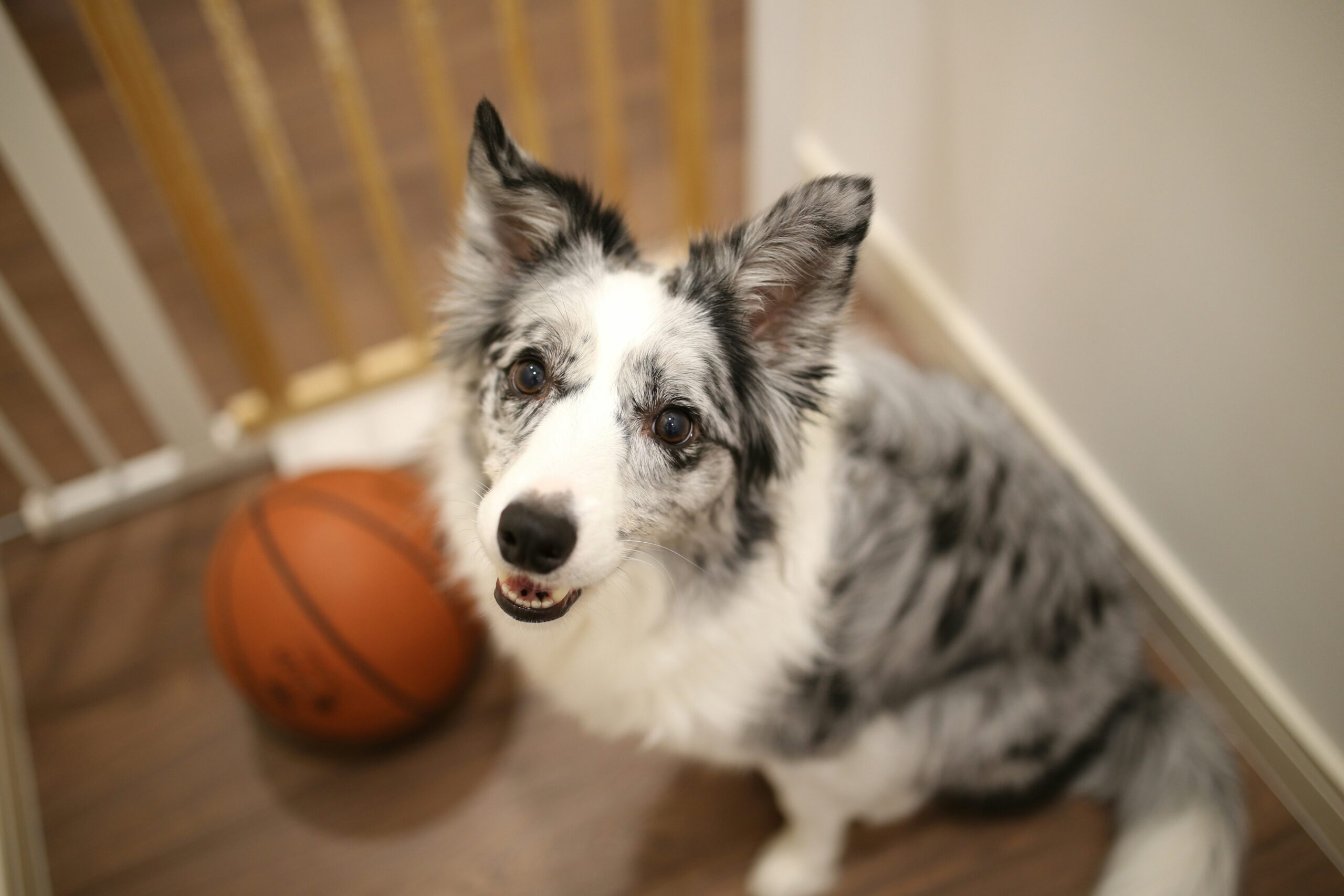
We’re all looking for ways to keep our animal companions engaged and content, particularly when the weather outside necessitates staying indoors. A stimulated pet is generally a happier pet, and mental and physical exercise are crucial for their overall well-being. We’ve compiled a range of activities that we can implement within our homes, adaptable to different species and energy levels. Our aim is to provide enrichment that prevents boredom and fosters a stronger bond between us and our pets.
Despite the limitations of indoor spaces, a wealth of opportunities exist for engaging our pets. These activities not only provide necessary physical exertion but also challenge them mentally, helping to curb destructive behaviors that often stem from pent-up energy or anxiety. We understand that each pet is an individual with unique preferences and needs, and we encourage experimentation to discover what resonates best with our own furry (or feathered, or scaled) family members.
Puzzle Feeders: A Culinary Challenge
One of the most effective ways we can provide mental stimulation is by transforming meal times into an engaging activity. Puzzle feeders, also known as interactive feeders or slow feeders, are designed to make pets work a little for their food. This simple concept taps into their natural foraging instincts, providing a more enriching experience than simply gulping down kibble from a standard bowl. The mental effort involved can be surprisingly tiring for them, leading to a more relaxed pet later on.
Foraging Toys for Dogs
For our canine companions, a variety of foraging toys exist. These can range from simple snuffle mats where kibble is hidden amongst fabric strips, encouraging scent work, to more complex dispensing toys that require rolling, pushing, or manipulating to release food. We can start with easier options and gradually introduce more challenging ones as our dogs become adept. The key is to ensure the toy is appropriate for their size and chewing strength to avoid damage or ingestion of parts. We also recommend rotating these toys to maintain their novelty and prevent them from becoming predictable.
Snuffle Mats and Their Variations
Snuffle mats are incredibly versatile. We can purchase commercially made ones or even create our own by cutting strips of fleece and tying them to a rubber mat base. Then, we simply sprinkle their dry food or small treats into the folds. The act of sniffing them out and pulling the food free is a fantastic sensory experience. For a slightly different challenge, we can try hiding the food in rolled-up towels or cardboard tubes with holes poked in them, secured at the ends.
Treat Dispensing Balls and Cubes
These toys require pets to roll, push, or shake them to release food or treats. They are excellent for encouraging problem-solving skills. Some have adjustable difficulty settings, allowing us to tailor the challenge to our dog’s capabilities. We should supervise our dogs with these, especially initially, to ensure they understand how they work and don’t become frustrated.
Interactive Feeders for Cats
Cats, too, can benefit immensely from puzzle feeders. While often perceived as less food-motivated than dogs, cats have a natural inclination to hunt and stalk their prey. Interactive feeders mimic this by requiring them to work for their meals. This not only prevents them from eating too quickly, which can lead to digestive upset, but also satisfies their innate predatory drive.
Food Dispensing Mazes and Track Toys
These devices feature a series of channels or compartments that food falls into. Cats must use their paws to bat at the food and maneuver it out. Some track toys have openings at different heights, requiring them to reach and adjust their position. We can start with simpler setups and progress to more complex ones.
“Hunting” for Kibble
Another simple yet effective method for cats is to scatter their dry food around a room. We can place small amounts in various locations, perhaps on a low shelf or behind a piece of furniture, and let them “hunt” it down. This engages their stalking and pouncing instincts. It’s important to ensure the food is placed in areas that are safe and accessible for them.
If you’re looking for fun and engaging activities to keep your indoor pets entertained, you might find inspiration in a related article on pet care. This article offers a variety of creative ideas tailored specifically for indoor cats, ensuring they stay active and stimulated. For more information, check out the article here: Indoor Pet Activities for Cats.
Agility and Obstacle Courses: Physical and Mental Dexterity
Creating small-scale agility courses within our homes can provide a fantastic outlet for physical energy and mental problem-solving. These don’t need to be elaborate; simple household items can be repurposed to create engaging challenges. Agility work not only builds their muscles and coordination but also boosts their confidence and strengthens our communication.
DIY Dog Agility Courses
We can use cushions, chairs, blankets, and tunnels to create a basic agility course. For example, we can set up a “jump” using two chairs with a broomstick balanced between them (kept low to the ground initially). A tunnel can be formed with a blanket draped over chairs. We can also create weave poles using upright objects like empty bottles or cones. The key is to guide our dogs through the course, rewarding them for successful completion.
Low Jumps and Tunnels
Starting with very low jumps ensures safety and builds confidence. We want our dogs to feel successful rather than overwhelmed. Tunnels made from blankets or fabric play tunnels are great for encouraging them to navigate enclosed spaces. We should introduce each obstacle individually before combining them into a course.
Encouraging Weaving and Hoops
For weaving, we can place objects like empty plastic bottles at regular intervals and encourage our dogs to go around them. For hoops, we can use a hula hoop held low to the ground, or even a simple cardboard cutout. The focus is on positive reinforcement, praising and rewarding each successful attempt.
Cat Agility and Climbing Structures
While dog agility is more commonly discussed, cats also benefit from activities that challenge their agility and climbing abilities. We can set up simple obstacle courses or utilize vertical space to provide them with opportunities to jump, climb, and balance.
Jumping Platforms and Tunnels
Cats naturally enjoy jumping and exploring elevated spaces. We can create makeshift platforms using sturdy boxes or shelves. Fabric tunnels are also a hit, providing a sense of adventure and a place to hide. We should ensure all platforms are stable and that the jumping distances are appropriate for our cats to avoid falls.
Vertical Exploration
Utilizing vertical space is crucial for cat enrichment. Wall-mounted shelves, cat trees, and even strategically placed sturdy furniture can provide them with opportunities to climb and observe their surroundings from a higher vantage point. This satisfies their natural instinct to be above their environment.
Scent-Based Games: Unleashing Their Inner Tracker
Scent-based games are incredibly enriching for pets. They engage their most powerful sense, providing mental stimulation and a sense of purpose. These games tap into their natural desire to explore and discover.
Nose Work for Dogs
Nose work, or scent detection, is a fantastic activity for dogs of all breeds and ages. It involves training them to locate specific scents, starting with simple odors and progressing to more complex ones. Even casual scent games can be highly rewarding.
The Shell Game (Three Cup Monte)
This classic game involves hiding a treat under one of three opaque cups. We present the cups to our dog, shuffle them, and let them indicate which cup holds the hidden reward. We start with slow movements and gradually increase the speed as they become more proficient.
“Find It” with Treats
This is a straightforward and effective game. We can hide a few treats around a room, starting with easily visible locations. We then encourage our dog to “find it.” As they get better, we can hide treats in more challenging spots, behind furniture or in slightly more secluded areas.
Scent Trails for Cats
Cats also have a keen sense of smell, and scent trails can be a fun way to engage them. While they may not actively “track” in the same way dogs do, the discovery of hidden scents can be highly rewarding.
Hiding Treats and Toys
We can scatter a few of their favorite treats or toys in different locations around a room overnight. In the morning, we can let them discover these hidden treasures. This encourages exploration and satisfies their curiosity.
Using Catnip or Valerian Root
For a more potent scent experience, we can strategically place a small amount of catnip or valerian root in a hidden spot. The aroma will draw them in, and the subsequent discovery can be a delightful surprise. We should use these sparingly to maintain their effectiveness.
Creative Play and Training: Pushing Boundaries
Beyond basic obedience, we can engage our pets in activities that encourage creativity and problem-solving. These often involve teaching new tricks or engaging them in imaginative play.
Teaching New Tricks to Dogs
Teaching new tricks is a wonderful way to bond with our dogs and provide them with mental exercise. It requires patience and consistency, but the rewards of a well-trained trick and a happy, engaged dog are significant.
“Paw” and “High Five”
These are classic and relatively simple tricks to teach. We can use positive reinforcement, rewarding them with treats and praise when they successfully offer their paw. Gradually, we can introduce the cue “high five,” encouraging them to lift their paw higher.
“Spin” and “Roll Over”
These tricks require more coordination and understanding. For “spin,” we can use a lure (a treat) to guide them in a circle. For “roll over,” we can gently encourage them to lie down and then roll onto their side, rewarding each step of the process.
Interactive Play for Cats
While cats are often seen as more independent, they can also be trained and engaged in interactive play that stimulates their minds.
Clicker Training Basics
Clicker training can be highly effective for cats. The clicker acts as a marker for a desired behavior, followed by a treat. This can be used to teach a variety of behaviors, from simple commands like “sit” to more complex actions.
“Fetch” with Soft Toys
Some cats enjoy playing fetch with soft toys. We can toss a lightweight toy and encourage them to bring it back. This requires patience, as not all cats will instinctively retrieve. Rewarding them for bringing the toy back to us is key.
If you’re looking for fun and engaging ways to keep your indoor pets entertained, you might find some great ideas in a related article that discusses various activities tailored for different types of pets. For more insights on why indoor activities are essential for your furry friends, check out this informative piece on why indoor pet activities matter. It offers valuable tips and suggestions that can help enhance your pet’s quality of life while keeping them active and happy.
Environmental Enrichment: Making Our Homes More Exciting
We can also adapt our living spaces to provide ongoing stimulation for our pets. This involves making their environment more interesting and engaging, offering them opportunities for exploration and discovery.
Providing Vertical Space for Cats
As mentioned earlier, vertical space is crucial for feline well-being. We can enhance their environment by adding more climbing opportunities.
Cat Trees and Shelves
Investing in a multi-level cat tree or installing wall-mounted shelves can provide them with a sense of security and an outlet for their natural climbing instincts. These allow them to observe their surroundings from a safe, elevated position.
Window Perches
Window perches are excellent for providing cats with visual stimulation. They can spend hours watching birds, squirrels, and the general bustle of the outside world.
Sensory Stimulation for Dogs
We can also introduce various sensory elements into our dogs’ environment to keep them engaged.
Different Textures and Surfaces
Introducing a variety of textures can be stimulating for dogs. This could include different types of mats, rugs, or even a shallow sandbox filled with safe material.
Music and Sound Enrichment
Some dogs respond positively to certain types of music or ambient sounds. We can experiment with calming music or nature sounds to see if it has a soothing or engaging effect on our pets. It’s important to observe their reactions and avoid anything that causes them stress.
We firmly believe that by incorporating these activities into our routines, we can significantly enhance the quality of life for our pet companions. A well-stimulated pet is a happy pet, and the effort we invest in their enrichment will undoubtedly be repaid with increased contentment and a more profound bond. Let’s make our indoor spaces a haven of engagement and joy for them.
FAQs
What are some indoor activities for pets?
Some indoor activities for pets include hide and seek, puzzle toys, interactive play, training sessions, and indoor agility courses.
How can I keep my indoor pet entertained?
You can keep your indoor pet entertained by providing them with interactive toys, rotating their toys regularly, setting up obstacle courses, engaging in training sessions, and incorporating mental stimulation activities.
Why is it important to provide indoor activities for pets?
It is important to provide indoor activities for pets to prevent boredom, reduce anxiety, promote physical and mental stimulation, strengthen the bond between pet and owner, and maintain overall health and well-being.
What are some benefits of indoor pet activities?
Some benefits of indoor pet activities include mental stimulation, physical exercise, stress relief, improved behavior, and enhanced bonding between pet and owner.
How often should I engage in indoor activities with my pet?
You should engage in indoor activities with your pet on a daily basis to ensure they receive adequate mental and physical stimulation. The frequency and duration of activities may vary depending on the pet’s age, breed, and individual needs.