
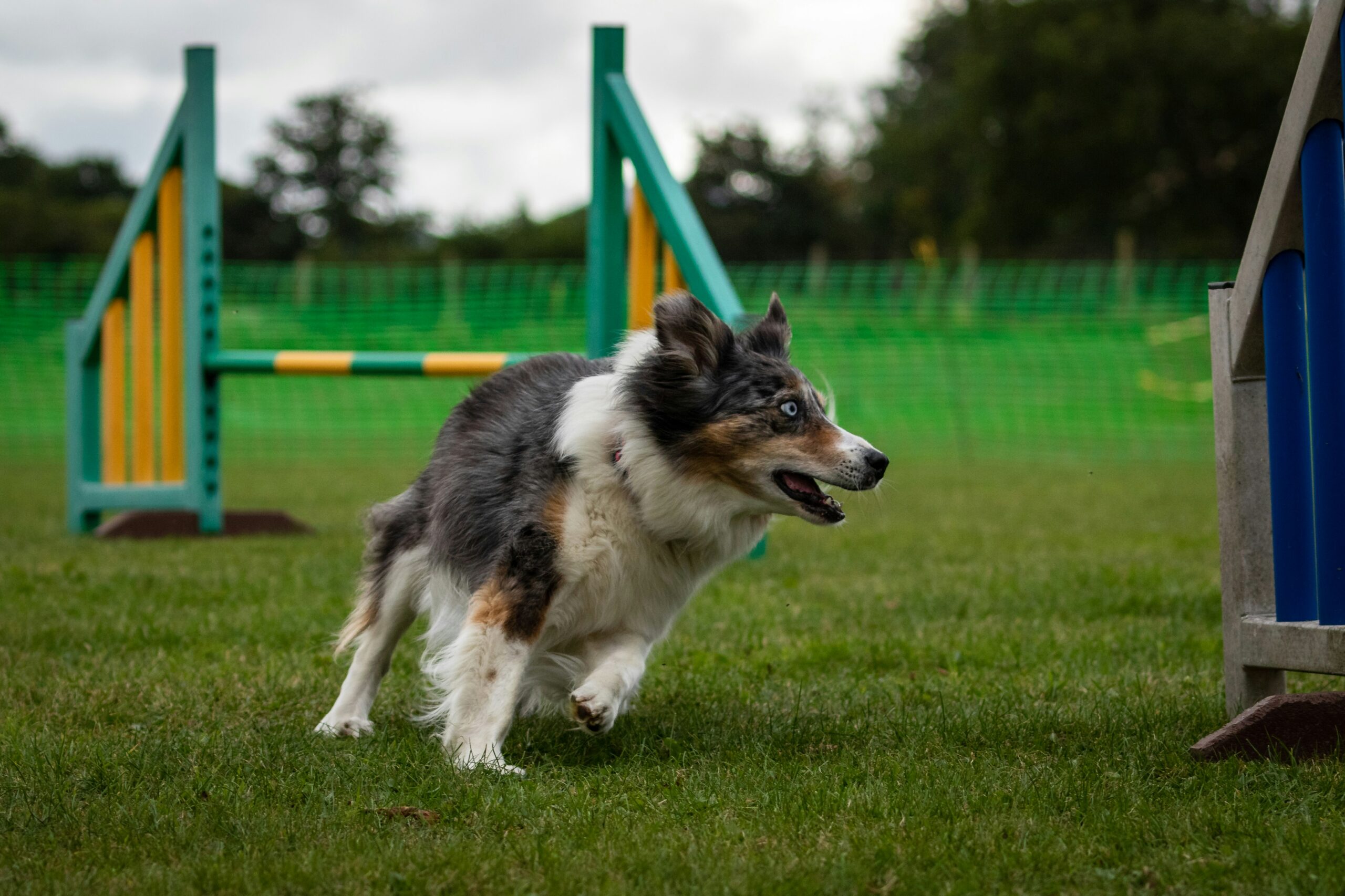
We understand the commitment involved in bringing a dog into our homes. It is not merely acquiring a pet; it is forming a bond with a living creature that relies on us for guidance, care, and integration into our lives. A well-trained dog is a joy, a companion that enhances our existence. Conversely, a poorly trained dog can present challenges that strain the relationship and impact our quality of life. Our aim here is to explore fundamental principles and practical techniques that form the robust foundation of effective dog training, enabling us to cultivate obedient, confident, and happy canine companions. We will delve into various aspects, from understanding canine communication to addressing common behavioral issues, all with the goal of fostering a harmonious household.
To effectively train our dogs, we must first understand how they perceive the world and how they communicate. Their language is primarily non-verbal, a complex interplay of body posture, facial expressions, and vocalizations. Misinterpreting these signals can lead to frustration on both sides and hinder our training efforts.
Deciphering Body Language
A dog’s body language provides a wealth of information about their emotional state and intentions. We look for cues such as tail position and movement, ear placement, eye contact, and overall bodily tension. A relaxed dog will exhibit loose, fluid movements, a neutral tail wag, and soft eyes. A dog displaying fear might cower, tuck their tail, avoid eye contact, and flatten their ears. Aggression can be signaled by a stiff body, raised hackles, a low growl, and a fixed, hard stare. Learning to read these signals allows us to anticipate our dog’s reactions and adjust our training approach accordingly. It also helps us identify potential stressors in their environment that might be impacting their behavior.
Recognizing Vocalizations
While less complex than human speech, Canine vocalizations are varied and convey different meanings. Barks, growls, whimpers, and howls each serve specific purposes. A playful bark differs significantly from an alarm bark. A low, rumbling growl signals a warning, while a high-pitched whimper suggests discomfort or pain. We encourage paying close attention to the context in which these sounds occur. This provides insight into the underlying cause of the vocalization and helps us respond appropriately. For example, understanding that a specific bark is used to solicit attention allows us to address the root cause of the behavior rather than simply reacting to the noise.
Understanding Canine Drives
Dogs are motivated by inherent drives, such as prey drive, social drive, and pack drive. Recognizing and channeling these drives is crucial for effective training. For example, a dog with a strong prey drive can be encouraged to retrieve by making the training feel like a game of chase. A dog with a strong social drive will be highly motivated by praise and social interaction. By understanding these inherent tendencies, we can tailor our training methods to capitalize on what naturally motivates our dogs. We aim to make training an enjoyable and engaging experience for them, rather than a demanding imposition.
If you’re interested in understanding more about dog behavior, you might find this article on why dogs chew their feet particularly insightful. It explores various reasons behind this common issue, which can be linked to anxiety, allergies, or boredom. To read more, visit this article.
Establishing a Solid Foundation: Basic Obedience
Basic obedience commands are the cornerstone of any successful training program. These commands provide us with a means of communicating with our dogs and establishing clear boundaries. They also build a strong foundation of trust and understanding between us.
The Importance of “Sit” and “Stay”
“Sit” is often the first command we teach. It is simple, easily understood, and provides an immediate means of gaining control in various situations. It allows us to manage excitement, prevent jumping, and encourage calm behavior. Once “sit” is mastered, “stay” becomes a natural progression. “Stay” teaches impulse control and patience, essential qualities for a well-behaved dog. We introduce “stay” in short durations and gradually increase the time and distance, always returning to reward successful attempts. Consistency and patience are paramount during this stage.
Mastering “Come” and “Heel”
The “come” command is life-saving. A reliable recall ensures our dog’s safety in off-leash environments and prevents them from wandering into dangerous situations. We start recall training in a controlled environment, making it a positive and rewarding experience. We use enthusiastic praise and high-value treats to reinforce their prompt return. “Heel” teaches our dog to walk politely beside us without pulling on the leash. This command transforms walks from a struggle into an enjoyable experience for both handler and dog. We use a short leash and consistent gentle corrections, coupled with positive reinforcement, to achieve a loose-leash walk.
Introducing “Down” and “Leave It”
“Down” is another command that promotes calm behavior and can be used in situations where we need our dog to be settled, such as visiting guests or in public places. It also allows us to manage jumping and unwanted behaviors. “Leave it” is essential for preventing our dogs from ingesting harmful substances or from taking items that are not theirs. We teach “leave it” by presenting a less desirable item, commanding “leave it,” and then rewarding them for ignoring it and looking at us. We then progress to more tempting items, always ensuring they understand the command means to disengage from the object.
Positive Reinforcement: The Cornerstone of Effective Training

Our approach to dog training is firmly rooted in positive reinforcement. This method focuses on rewarding desired behaviors, thereby increasing the likelihood of those behaviors being repeated. It builds a positive association with training and strengthens our bond with our dogs.
Understanding Rewards and Motivators
Not all rewards are equal. What motivates one dog might not motivate another. We identify our dog’s high-value rewards, which could be anything from a specific treat to a favorite toy, enthusiastic praise, or a short game of fetch. It is vital to use rewards that are truly motivating for our individual dogs. The timing of the reward is also critical. Rewards must be delivered immediately after the desired behavior occurs to create a clear association. Delaying the reward weakens the connection between the action and the positive consequence.
The Power of Clicker Training
Clicker training is a precise and effective form of positive reinforcement. The clicker acts as a marker signal, precisely pinpointing the exact moment our dog performs the desired behavior. This immediate and unambiguous feedback helps our dogs understand what they are being rewarded for. We first “charge the clicker” by associating the sound with a high-value treat. Once this association is established, the clicker becomes a powerful communication tool. We encourage its use for teaching new behaviors and for refining existing ones.
Avoiding Punishment and Aversive Methods
We firmly believe in avoiding punishment and aversive training methods. These methods, which include yelling, physical corrections, or using tools that inflict discomfort, can damage our relationship with our dogs, create fear and anxiety, and suppress behaviors rather than truly resolving them. Suppressed behaviors often resurface in more problematic ways. Our focus is on teaching and guiding, not on controlling through fear. We aim to create a learning environment that is positive, predictable, and supportive.
Addressing Common Behavioral Challenges

Even with a strong foundation in basic obedience, behavioral challenges can still arise. Understanding the root cause of these issues is the first step toward effectively addressing them. Patience and consistency are paramount in resolving these concerns.
Managing Leash Pulling
Leash pulling is a common frustration for many dog owners. It often stems from a lack of proper leash manners and the dog’s desire to explore their environment at their own pace. We address this through consistent “heel” training, using a front-clip harness or a head halter if necessary to gain better control. We employ the “stop-start” method, where we immediately stop walking the moment our dog pulls, resuming only when the leash is slack. This teaches them that pulling gets them nowhere.
Curbing Excessive Barking
Excessive barking can be disruptive and indicative of underlying issues such as boredom, anxiety, or territoriality. We first identify the trigger for the barking. If it is boredom, we increase their physical and mental exercise. If it is anxiety, we might need a more comprehensive approach, potentially involving desensitization and counter-conditioning. For territorial barking, managing their access to windows or fencing can be helpful. We also teach a “quiet” command, rewarding them for ceasing to bark on cue.
Solving Nipping and Biting
Nipping and biting, especially in puppies, is often a natural part of their exploration and play. However, it needs to be managed to prevent it from becoming a problem as they mature. We teach “bite inhibition” by yelping loudly when they nip too hard, immediately ending play, and withdrawing attention. This teaches them that hard bites result in the cessation of all enjoyable interaction. For more serious biting issues, professional guidance is often necessary.
Dealing with Destructive Chewing
Destructive chewing is frequently a sign of boredom, anxiety, or inappropriate teething behavior. We ensure our dogs have an adequate supply of appropriate chew toys, rotating them to maintain interest. We might use puzzle toys that dispense treats to keep them mentally engaged. For anxiety-related chewing, we address the underlying anxiety through training, increased exercise, and potentially consultation with a veterinarian or behaviorist. We also supervise them and redirect them to appropriate chew items whenever we observe them chewing on something undesirable.
If you’re considering adopting a small dog, you might want to explore how their training needs differ from larger breeds. Understanding the unique characteristics of small dogs can greatly enhance your training approach. For more insights, check out this informative article on small dog breeds perfect for apartment living, which highlights their adaptability and training requirements. This knowledge can help you create a harmonious environment for both you and your new furry friend.
Advanced Training and Beyond
| Metrics | Results |
|---|---|
| Number of training sessions | 20 |
| Success rate | 85% |
| Training duration | 6 weeks |
| Number of commands learned | 10 |
Once our dogs have mastered basic obedience, we can explore advanced training that further strengthens our bond and provides them with mental stimulation. This can range from more complex obedience routines to dog sports and community involvement.
Expanding Obedience Skills
Advanced obedience involves refining existing commands and introducing new ones, such as “retrieve,” “spin,” “weave,” or “bow.” These exercises provide mental enrichment and challenge our dogs, preventing boredom and reinforcing their learned behaviors. We break down complex behaviors into smaller, manageable steps, rewarding each successful approximation. The goal is to make learning a continuous and enjoyable process.
Introduction to Dog Sports and Activities
Many dogs thrive in structured activities and sports. Agility, flyball, scent work, and canine freestyle are just a few examples. These activities provide an outlet for their natural instincts, burn excess energy, and further develop their focus and responsiveness. We choose activities that align with our dog’s breed characteristics and individual preferences. Participation in these sports also offers opportunities for socialization and strengthens the handler-dog team.
Continuing Education and Reinforcement
Training is an ongoing process. We regularly revisit basic commands and introduce new challenges to keep our dogs engaged and prevent their skills from deteriorating. Attending advanced obedience classes, workshops, or seeking guidance from professional trainers can provide new insights and techniques. The relationship we have with our dogs is dynamic, and our training efforts should reflect that. Continuous learning ensures that we remain effective and adaptable in guiding our canine companions throughout their lives. We aim for a lifelong commitment to their well-being, which includes consistent training and mental stimulation.
FAQs
What is dog training?
Dog training is the process of teaching a dog to exhibit certain behaviors in response to specific commands. This can include obedience training, agility training, and behavior modification.
Why is dog training important?
Dog training is important for establishing a positive and cooperative relationship between a dog and its owner. It also helps to ensure the safety of the dog and those around it, as well as promoting good behavior and preventing behavioral issues.
What are some common dog training methods?
Common dog training methods include positive reinforcement, clicker training, leash training, and obedience training. Positive reinforcement involves rewarding desired behaviors with treats or praise, while clicker training uses a clicker to mark the desired behavior.
When should dog training begin?
Dog training should begin as early as possible, ideally when the dog is a puppy. Early training helps to establish good habits and prevent behavioral issues from developing.
Can all dogs be trained?
Yes, all dogs can be trained to some extent. However, the ease of training and the level of success may vary depending on the breed, age, and individual temperament of the dog.