
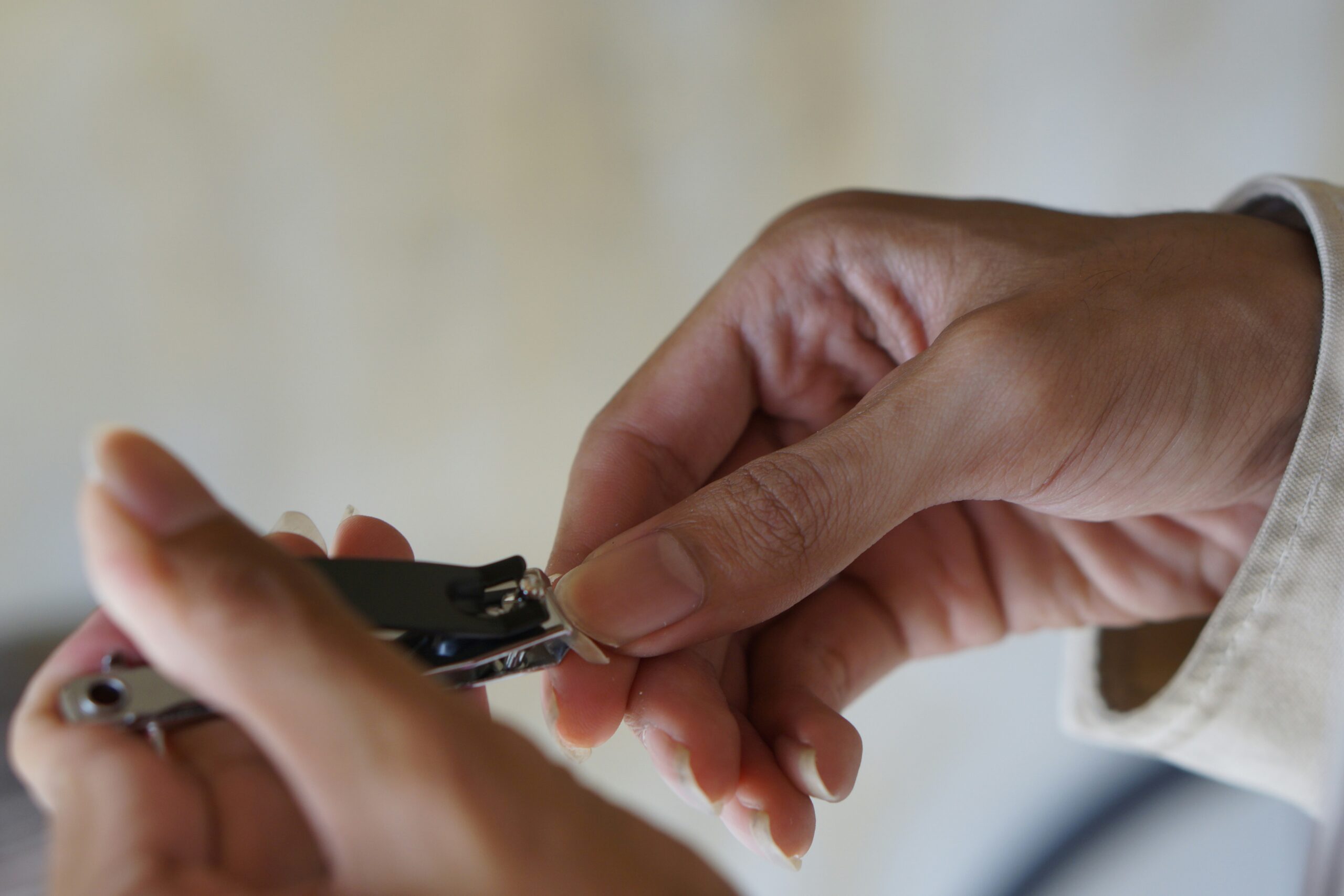
We’ve all been there. That sudden, involuntary yelp as a playful swipe from our feline friends leaves a tiny, stinging reminder of their hidden claws. While we adore their every purr and gentle head-butt, those needle-sharp nails can sometimes cause a bit of unintended trouble. And as responsible pet parents, we understand that regular grooming, including nail trimming, is an essential part of keeping our cats healthy, comfortable, and our furniture (mostly) intact. But the thought of wielding clippers near those sensitive paws can be daunting, and the sheer variety of nail trimmers available can leave us scratching our heads. Fear not, fellow cat lovers! We’re here to guide you through the wonderful world of cat nail trimming, focusing on finding the absolute best tool for the job.
Before we even think about clippers, it’s crucial to understand why we’re embarking on this grooming adventure. Our cats, in their wilder ancestry, would naturally wear down their nails through vigorous activity – climbing, digging, and scratching. However, our pampered housecats often don’t get enough of this natural abrasion. This can lead to a host of problems if their nails grow too long.
The Risks of Overgrown Claws
- Discomfort and Pain: Imagine wearing shoes that are too tight, all the time. That’s akin to what long nails can feel like for a cat. As their nails grow, they can curl inwards, digging into the paw pads and causing significant discomfort and even pain. This can lead to limping, reluctance to walk, and a general decrease in their quality of life.
- Ingrown Nails and Infections: In severe cases, nails can grow so long that they actually curve back and penetrate the paw pad. This creates an open wound, making it incredibly susceptible to bacterial infections. These infections can be painful and require veterinary attention to treat.
- Hygiene Issues: Long nails can also trap dirt and debris, making it harder for your cat to keep their paws clean. This can contribute to odor and potentially lead to other minor issues.
- Damage to Your Home: Let’s be honest, this is often a primary motivator for us! Long, sharp claws can wreak havoc on furniture, carpets, and even our own skin. While it’s not the most medically significant reason, it’s a very practical one that impacts our daily lives.
- Aggravated Scratching Habits: If a cat’s nails are too long and they feel discomfort, they might scratch more frantically or in unexpected places to try and relieve the pressure. This can exacerbate existing scratching issues.
The Benefits of Regular Nail Trimming
- Improved Comfort and Mobility: Keeping nails at a healthy length ensures your cat can walk and play without pain or discomfort.
- Reduced Risk of Injury: Shorter nails are less likely to snag on things, reducing the risk of broken or torn nails, which can be very painful.
- Enhanced Hygiene: Clean paws are happy paws! Trimming helps maintain better paw hygiene.
- Safer Interactions: For us, it means fewer accidental scratches during play or cuddles.
- Better Furniture Preservation: While not the most important benefit, it’s certainly a welcome one!
If you’re looking for ways to keep your cat happy and healthy, you might find it helpful to read about fun indoor pet activities that can enhance your pet’s well-being. Engaging your cat in playful activities not only strengthens your bond but can also make grooming tasks, like trimming their nails, much easier. For more insights on keeping your feline friend entertained, check out this article on fun indoor pet activities for happy pets.
Identifying the Best Cat Nail Trimmer: What to Look For
The “best” nail trimmer is subjective and depends on your cat, your comfort level, and your personal preference. However, there are several key features and types of trimmers that tend to perform better and make the process easier for both you and your feline friend.
Essential Features of a Quality Nail Trimmer
- Sharp Blades: This is paramount. Dull blades will crush the nail instead of cleanly cutting it, which is painful and can cause splintering. Look for trimmers made from high-quality, durable stainless steel.
- Comfortable Grip: You’ll be holding these for a while, so an ergonomic, non-slip grip is essential. This prevents accidents and makes the task less of a strain.
- Safety Mechanism: Many modern clippers come with a safety guard or stop to prevent you from cutting too much of the nail and hitting the quick. This is a lifesaver for beginners.
- Size and Weight: Consider the size of your cat’s nails and your own hands. A trimmer that’s too large or too small can be awkward to use.
- Durability: You want a tool that will last and maintain its sharpness over time.
Different Types of Cat Nail Trimmers
This is where things can get a little overwhelming, but we’ll break it down. Each type has its pros and cons.
Guillotine-Style Trimmers
- How they work: These trimmers have a circular opening where you insert the cat’s nail. A spring-loaded blade then slides across, cutting the nail.
- Pros: Compact, generally easy to use once you get the hang of it. Some cats tolerate them well.
- Cons: Can be tricky to position correctly, especially on smaller or thicker nails. The blade can sometimes get dull faster than other types. There’s a higher risk of accidentally cutting too much if you’re not careful.
- Best for: Cats with smaller paws and nails, and owners who are confident in their ability to position them accurately.
Scissor-Style Trimmers
- How they work: These resemble small scissors, with two blades that you squeeze together to cut the nail.
- Pros: Very straightforward to use, similar to cutting paper with scissors. Offers good visibility of the nail. Often preferred by those accustomed to using scissors.
- Cons: Can sometimes be less precise than other types if the blades are not perfectly aligned. Some cats might find the scissor motion a bit intimidating.
- Best for: Beginners, cats who are less finicky about tools, and those who prefer a simple, intuitive design.
Plier-Style Trimmers
- How they work: These are designed with a pincer-like action, with two blades that close around the nail. They often have a more robust feel.
- Pros: Excellent for thicker, stronger nails. Provide a firm, secure grip for a clean cut. Many professionals prefer this style for its power and precision.
- Cons: Can be too large or heavy for smaller cats or owners with smaller hands. May require a bit more pressure to operate.
- Best for: Larger cats, cats with very strong or thick nails, and owners who want a powerful, reliable tool.
Rotary or Grinding Trimmers (Less Common for Cats)
- How they work: These use a rotating sanding drum to file down the nail.
- Pros: Can effectively smooth the nail edge and prevent snagging.
- Cons: Very noisy and vibrate, which is extremely frightening for most cats. Requires the cat to be very calm and tolerant of unusual sensations. Definitely not recommended for beginners or anxious cats.
- Best for: Extremely rare cases where a cat is incredibly desensitized to noise and vibration, and the owner wants to avoid cutting altogether. We generally advise against these for the average cat.
Our Top Picks for the Best Cat Nail Trimmer

Based on our extensive research, user reviews, and expert recommendations, here are some of the top contenders for the best cat nail trimmer that we’ve found to be consistently effective and well-regarded:
Premium Quality and Performance
- Resco Deluxe Pet Nail Clipper (Plier-Style): This is often cited as a professional-grade option for a reason. Its sharp, high-carbon steel blades provide an incredibly clean cut, and the plier-style design offers excellent control. Many owners report it lasting for years and still cutting like new. The ergonomic handles are comfortable, and the safety stop is a reassuring feature. We find this to be a fantastic investment for those who are serious about nail care.
- Zen Clipper Ceramic Nail Clipper: This is a rather unique option that uses a ceramic blade. The ceramic is incredibly sharp and less likely to dull over time compared to steel. It has a safety mechanism that prevents you from cutting too close. While pricier, the longevity and sharpness of the ceramic blade are major selling points. The design is also quite sleek.
Excellent for Beginners and Sensitive Cats
- Safari Professional Stainless Steel Pet Nail Trimmer (Scissor-Style): This is a consistently popular choice for good reason. Safari trimmers are known for their sharp stainless steel blades that provide a clean cut. The scissor-style design is intuitive for most people to use, and the rubber-coated handles offer a comfortable, non-slip grip. They often come with a safety stop, which is invaluable for those new to the process. We found these to be very user-friendly.
- Pettool Nail Clipper for Cats and Dogs (Scissor or Plier Style with Safety Guard): Pettool offers a range of well-made clippers that are often praised for their sharpness and the inclusion of a robust safety guard. This guard is designed to prevent over-cutting and can alleviate a lot of anxiety for both the owner and the cat. Available in both scissor and plier styles, they offer a good balance of performance and safety.
Budget-Friendly but Effective Options
- BaoBaoNiu Cat Nail Clippers (Scissor-Style): You don’t always need to break the bank to find a good trimmer. These clippers are often highly rated for their sharpness and ease of use at a very accessible price point. They generally feature sharp stainless steel blades and a comfortable grip. While they might not have all the bells and whistles of premium models, they get the job done effectively.
- Hertzko Electric Pet Nail File and Grinder: While we’ve generally discouraged rotary trimmers, the Hertzko option is an exception for a specific reason: it’s significantly quieter and more vibration-free than many others. For cats who are extremely sensitive to the sound of regular clippers, this might be a viable alternative. It files down the nail for a smoother finish. However, it requires a different technique and a very patient cat. It’s more of a filing tool for smoothing than a cutting tool for length reduction. We still recommend clippers as the primary tool for most.
Preparing for the Nail Trimming Session

Having the right tool is only half the battle! To make the experience as positive as possible for your cat and for yourselves, proper preparation is key.
Desensitizing Your Cat to Paw Handling
This is the most crucial step, especially if your cat is not used to having their paws touched. Start slow and gradually.
- Gentle Touch: Begin by simply petting your cat and gently touching their paws. Reward them with treats and praise for any positive reaction.
- Extend Their Claws: Once they’re comfortable with paw touching, gently press the pads of their paws to extend their claws. Again, keep it brief and rewarding.
- Introduce the Trimmer (Without Cutting): Let your cat see and sniff the nail trimmer. Place it near them, offer treats, and let them associate it with positive experiences. You can even practice putting the trimmer near their paw.
- Mimic the Action: Once they’re comfortable with the trimmer nearby, gently place the trimmer over their nail and mimic the cutting motion without actually cutting. Reward them generously.
Gathering Your Supplies
- The Chosen Nail Trimmer: Make sure it’s clean and sharp!
- Styptic Powder or Cornstarch: This is an absolute must-have. If you accidentally cut into the quick (the pink part of the nail that contains blood vessels and nerves), styptic powder will stop the bleeding quickly. Cornstarch can also be used in a pinch.
- High-Value Treats: Small, tasty treats that your cat absolutely loves are essential for positive reinforcement.
- A Comfortable, Well-Lit Space: Choose a quiet area where your cat feels safe and you have good lighting to see what you’re doing.
- A Helper (Optional but Recommended): Having another person can be incredibly helpful, especially when you’re starting out. One person can gently hold and soothe the cat, while the other focuses on the trimming.
Timing is Everything
- Choose a Calm Moment: Try to trim your cat’s nails when they are relaxed and sleepy, perhaps after a meal or a good play session. Avoid times when they are agitated or stressed.
- Short, Frequent Sessions: It’s far better to trim one or two nails at a time and end on a positive note than to try and do them all at once, leading to stress for everyone. You can always pick up where you left off later.
When it comes to grooming your pets, finding the right tools is essential for their comfort and well-being. For cat owners, a reliable cat nail trimmer can make a significant difference in maintaining your feline friend’s claws. If you’re also a dog owner, you might be interested in exploring the best options for your canine companions. Check out this informative article on dog beds for small dogs to ensure your pets have a cozy place to rest after their grooming sessions.
The Nail Trimming Technique: A Step-by-Step Guide
| Feature | Description |
|---|---|
| Type | Manual or electric |
| Material | Stainless steel, plastic, etc. |
| Size | Small, medium, large |
| Safety features | Guard to prevent cutting too much |
| Usage | For cats only or multi-pet use |
Now, let’s get down to business. Remember, patience and positive reinforcement are your best allies.
Step 1: Position Your Cat Comfortably
- Lap Method: Many owners find it easiest to sit on the floor or a couch with their cat on their lap, facing away from them. This allows for a secure hold and easy access to their paws.
- Towel Wrap (Gentle restraint): If your cat is particularly wiggly, you can gently wrap them in a towel, leaving one paw exposed. Make sure the towel isn’t too tight and that your cat can still breathe comfortably.
- Professional Hold: If you have a helper, one person can gently hold the cat against their chest, while the other works on the paws.
Step 2: Gently Hold the Paw
- Extend the Toe: With a relaxed grip, hold your cat’s paw. Apply gentle pressure to the top of the toe and the bottom of the pad, which will cause the nail to extend.
- Avoid Squeezing: Never squeeze the paw tightly. This will make your cat uncomfortable and tense.
Step 3: Identify the Quick
- The Pink Part: The quick is the pinkish part of the nail that contains blood vessels and nerves. You must avoid cutting this.
- Dark Nails: For cats with dark nails, it can be harder to see the quick. In these cases, it’s best to err on the side of caution and trim only the very tip of the nail, making very small cuts. You can often see a small dot appearance closer to the quick underneath the cut edge.
- Watch for the Change: The nail will appear translucent closer to the tip and more opaque and pinkish (or dark) closer to the paw.
Step 4: Make the Cut
- Quick, Clean Snip: Once you’ve identified where to cut (well before the quick), make a swift, firm cut.
- Don’t Be Afraid: A clean cut is less distressing than a crushed or jagged one.
- One Nail at a Time: Focus on doing one nail perfectly rather than rushing through several.
Step 5: Reward and Repeat
- Immediate Praise and Treat: As soon as you’ve successfully trimmed a nail, offer enthusiastic praise and a high-value treat. This reinforces the positive association.
- Short Bursts: If your cat is showing signs of stress, stop. It’s better to stop and try again later than to push them to their limit. Aim to trim just one or two nails per session if needed.
What to Do If You Cut the Quick
- Don’t Panic: It happens to the best of us!
- Apply Styptic Powder: Immediately dip the bleeding nail into a small amount of styptic powder or cornstarch. Apply firm pressure for about 30 seconds. The bleeding should stop.
- Comfort Your Cat: Offer extra comfort and reassurance. Don’t scold them.
- Clean Up and Reassess: If the bleeding stops, you can continue if your cat is still calm, or you can end the session there.
Beyond the Basic Trim: Advanced Tips and Alternatives
Once you and your cat are comfortable with basic nail trimming, you might want to explore some other options or refine your technique.
Addressing Common Nail Trimming Challenges
- The Resistant Cat: If your cat is extremely fearful or aggressive about nail trims, consider consulting a professional groomer or your veterinarian. They can offer advice or even perform the trims for you. Gradual desensitization over weeks or months is key.
- The Wiggler: For cats that can’t sit still, a helper is almost essential. You can also try trimming their nails while they are drowsy from medication (only under veterinary guidance).
- The Dark-Nail Dilemma: As mentioned, this requires extra caution. Trim tiny slivers at a time, and look for subtle visual cues. It’s often better to under-trim than over-trim on dark nails.
Alternative Grooming Tools and Services
- Soft Paws Nail Caps: These are vinyl caps that are glued onto your cat’s nails. They blunt the claws, preventing damage to furniture. They need to be replaced every few weeks as the nails grow. This is a good option if you absolutely cannot trim your cat’s nails but are still concerned about scratching.
- Professional Grooming Services: Many veterinary clinics and pet grooming salons offer nail trimming services. This can be a convenient and stress-free option if you’re struggling to do it yourself.
- Veterinary Consultation: If you have concerns about your cat’s nail health or are finding it impossible to trim them, your veterinarian can provide guidance and perform the trimming.
When to Seek Professional Help
- Extreme Fear or Aggression: If your cat becomes dangerously aggressive or extremely fearful to the point of causing themselves injury, do not force the issue. Seek professional help.
- Medical Conditions: Some medical conditions can affect a cat’s nails, making them brittle, overgrown, or prone to infection. Your vet can diagnose and treat these.
- Injury: If a nail is broken, bleeding excessively, or appears infected, seek immediate veterinary attention.
In conclusion, while the prospect of trimming your cat’s nails might seem daunting at first, with the right tools, preparation, and a healthy dose of patience, it’s an achievable and rewarding grooming task. By understanding the importance of nail care, choosing the best trimmer for your specific needs, and practicing a gentle, positive approach, we can ensure our feline companions enjoy comfortable, pain-free lives, and our homes remain largely unscathed. Happy trimming!