

Quick answer: Cats are obligate carnivores and need a diet rich in animal protein with nutrients like taurine. Choose a complete and balanced commercial food that meets AAFCO standards for your cat’s life stage, measure portions, and include wet food to help with hydration.
Good nutrition is one of the most powerful tools for keeping a cat healthy. But cat food aisles are confusing, and cats have needs very different from dogs or people.
Here are the basics, without the marketing hype.
What Cats Need
- Animal protein. Cats need more protein than dogs, from animal sources.
- Taurine. An amino acid essential for heart and eye health. Cats can’t make enough on their own.
- Arachidonic acid and vitamin A from animal sources.
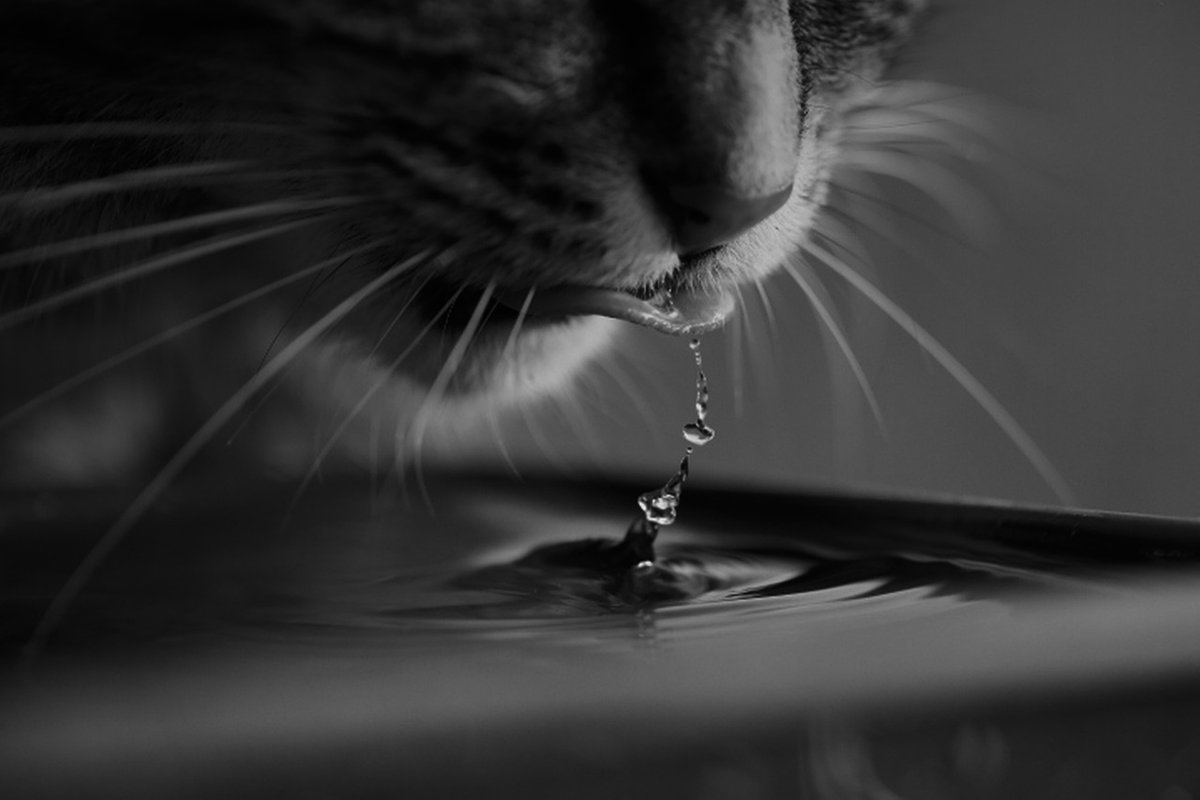
- Water. Cats evolved to get much of their water from prey and often don’t drink much.
Wet vs. Dry Food
| Wet food | Dry food | |
|---|---|---|
| Moisture | High, about 70 to 80% | Low, about 10% |
| Benefits | Hydration, often fewer calories per bite, appealing | Convenient, cheaper, can be used in puzzle feeders |
| Drawbacks | More expensive, spoils if left out | Easy to overfeed, less water |
| Good for | Urinary and kidney health, weight loss plans | Busy schedules, free-choice puzzles |
Many vets recommend including wet food, or a mix of both. Our cats get dry food plus wet food every morning and evening.
Choosing a Cat Food
- Look for a statement that the food is complete and balanced according to AAFCO standards for your cat’s life stage (kitten, adult, or all life stages).
- Choose a reputable brand that employs veterinary nutritionists and does feeding trials.
- Don’t rely on buzzwords like ‘grain-free,’ ‘natural’ or ‘holistic.’ They aren’t measures of quality.
- Ask your vet before choosing raw or homemade diets, which carry risks of bacteria and nutrient imbalances.
How Much to Feed
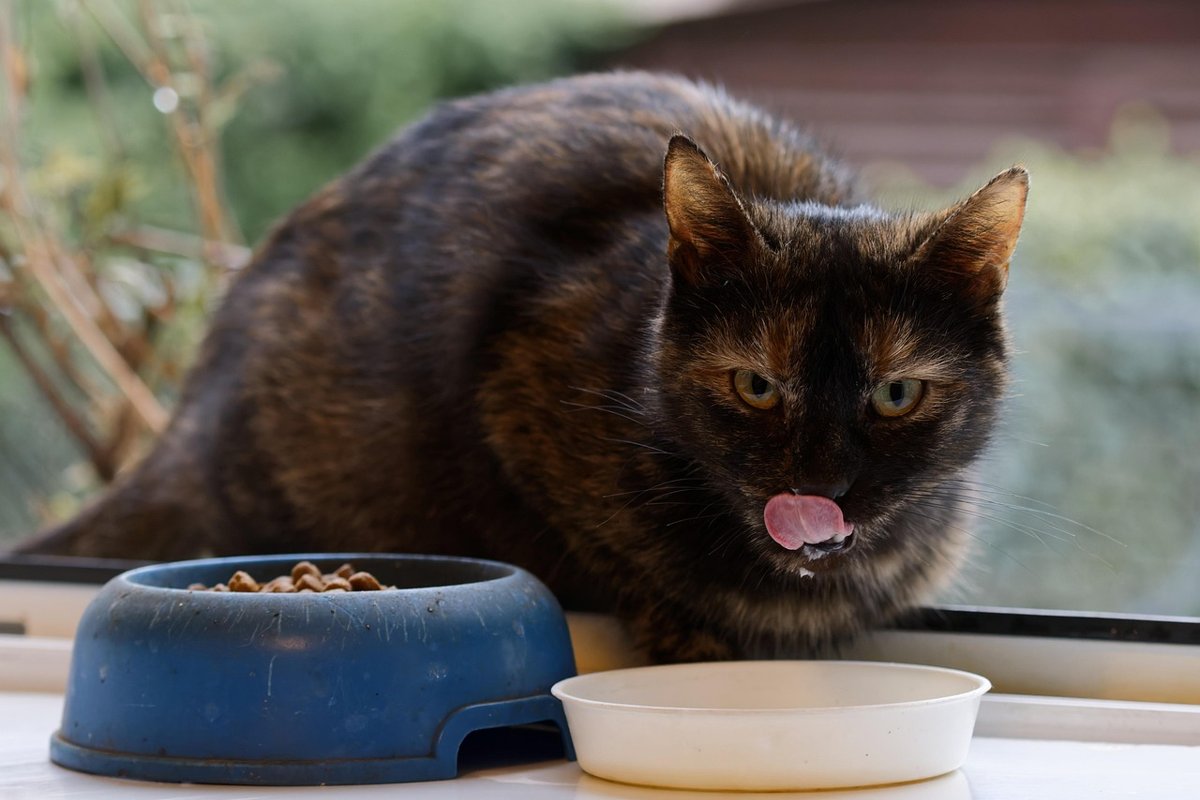
Use the feeding guide on the label as a starting point, then adjust to keep your cat at a healthy weight. Measure meals instead of free-feeding, and count treats, which should be a small part of daily calories. Obesity is one of the most common health problems in indoor cats and raises the risk of diabetes and arthritis.
Foods to Avoid
- Onions, garlic, chives and leeks
- Grapes and raisins
- Chocolate, caffeine and alcohol
- Raw dough
- Dog food as a regular diet (it lacks enough taurine and other nutrients)
- Large amounts of milk (many adult cats are lactose intolerant)
- Lilies aren’t a food, but every part is extremely toxic to cats, so keep them out of the house
Senior Cats
Older cats may need different calorie levels; some gain weight while others lose it. Diets for kidney disease, diabetes or other conditions should be chosen with your vet. Weight loss in a senior cat is always worth a vet visit.

Helpful Products
- Cat water fountains: Encourages more drinking.
- Cat food measuring scoops: Helps prevent overfeeding.
- Cat puzzle feeders: Slows eating and adds enrichment.
Frequently Asked Questions
Is wet or dry food better for cats?
Both can be complete diets. Many vets like including wet food for hydration, but the best choice depends on your cat.
Can cats be vegetarian?
No. Cats are obligate carnivores and need nutrients found in animal tissue.
How many times a day should I feed my cat?
Most adult cats do well with two or more measured meals a day.
Is grain-free food better for cats?
Not necessarily. Grain-free is a marketing term, not a sign of better nutrition. Ask your vet about your cat’s needs.
The Bottom Line
Feed your cat a complete and balanced, animal-protein-rich diet, include moisture, measure portions and skip the toxic foods. And when your cat’s needs change with age or illness, let your vet guide the diet.
Keep reading:
- Why Do Dogs Eat Cat Food? Is It Bad and How to Stop It
- Caring for Senior Cats: Life With Our 12-Year-Old Brother-and-Sister Tabbies
- Automatic Litter Boxes: Pros, Cons and Who They're Right For
- Keeping Indoor Cats Happy and Healthy
As an Amazon Associate, we earn from qualifying purchases. This post contains affiliate links.