
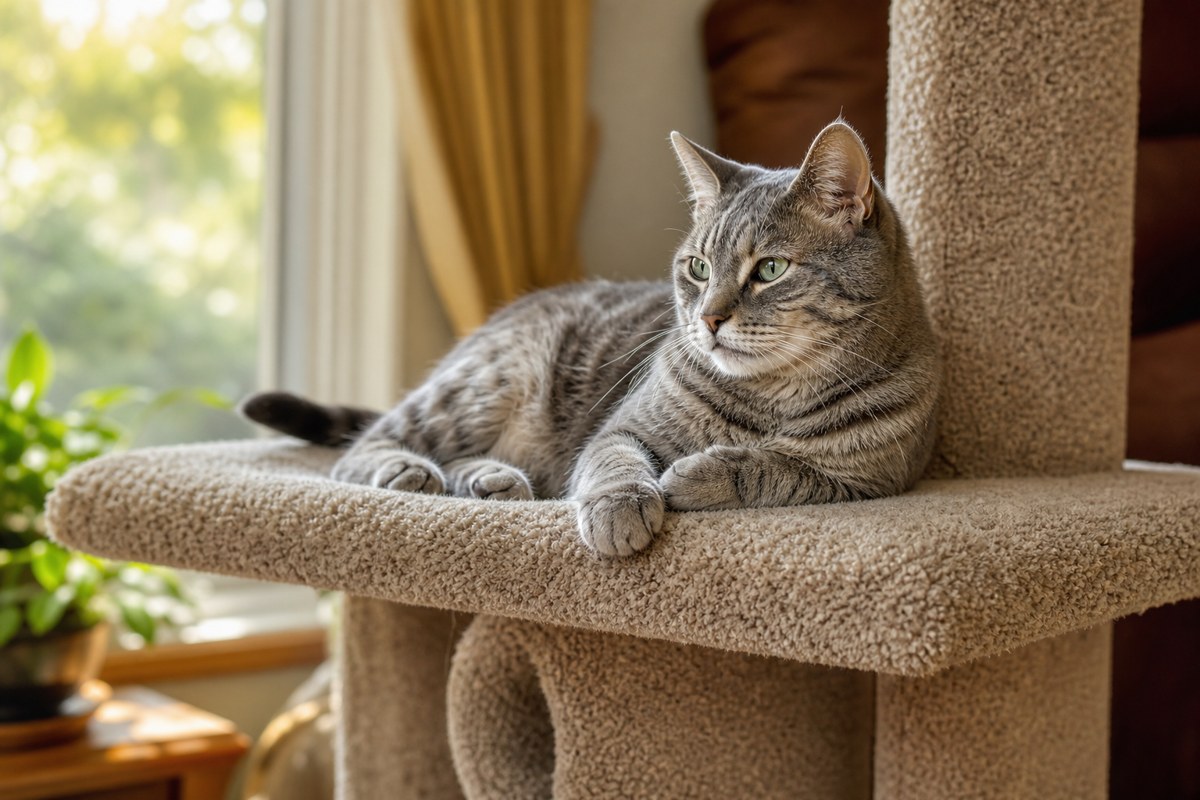
Quick answer: A good cat tree for senior or large cats has low, wide platforms, short gaps between levels, a heavy, stable base and soft or carpeted surfaces. Skip tall, wobbly towers with tiny perches and big jumps.
Cats love being up high. It lets them watch the room, feel safe and get away from dogs or kids. But as cats age, or if your cat is simply big, the standard tall, skinny cat tower can turn into a problem. Small perches, long jumps and a wobbly frame are hard on stiff joints and can lead to falls.
Our own 12-year-old tabbies show the difference perfectly: Max still flies up the cat tree, while his sister Molly mostly stays at ground level now. Here’s what to look for when choosing a cat tree for a senior or larger cat.
Why Senior and Large Cats Need a Different Cat Tree
Arthritis is very common in older cats, but cats rarely limp. Instead, they quietly stop jumping or start using the ‘stairs’ (a chair, then the counter) to get up high. A cat tree built for young, athletic cats can become something they simply stop using.
Large breeds like Maine Coons, or any overweight cat, have a different problem: they don’t fit on small perches and their weight can make a lightweight tree tip or sway.
What to Look For
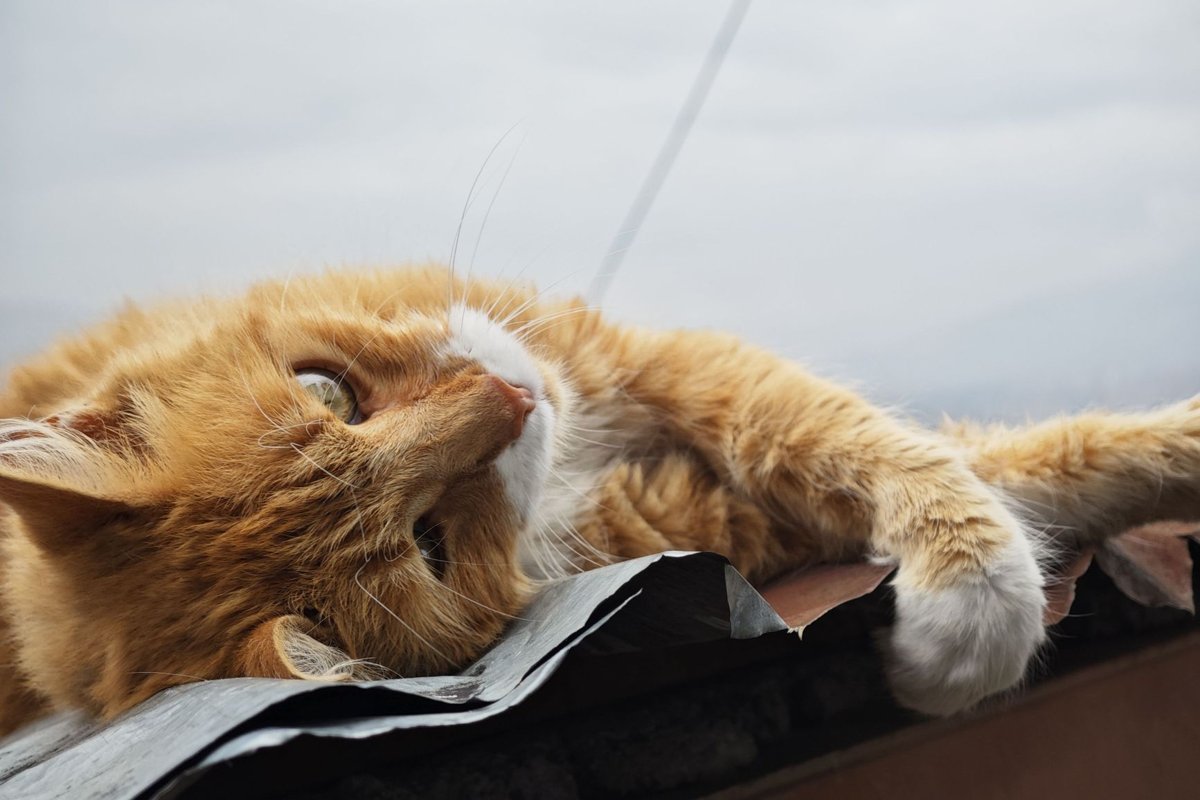
- Low overall height, or a tall tree with many steps. Several short levels are better than a few big jumps.
- Short gaps between levels. Aim for steps your cat can reach without leaping.
- Wide, deep platforms your cat can lie on fully stretched out, ideally with raised edges to feel secure.
- A heavy, wide base. Stability matters more than height. Wall anchors add safety for taller trees.
- Thick posts that don’t wobble when a big cat climbs or scratches.
- Soft, washable cushions for comfort on achy joints.
- Ramps or step-style designs for cats with limited mobility.
- Sisal-wrapped posts so scratching stays on the tree, not your couch.
Where to Put It
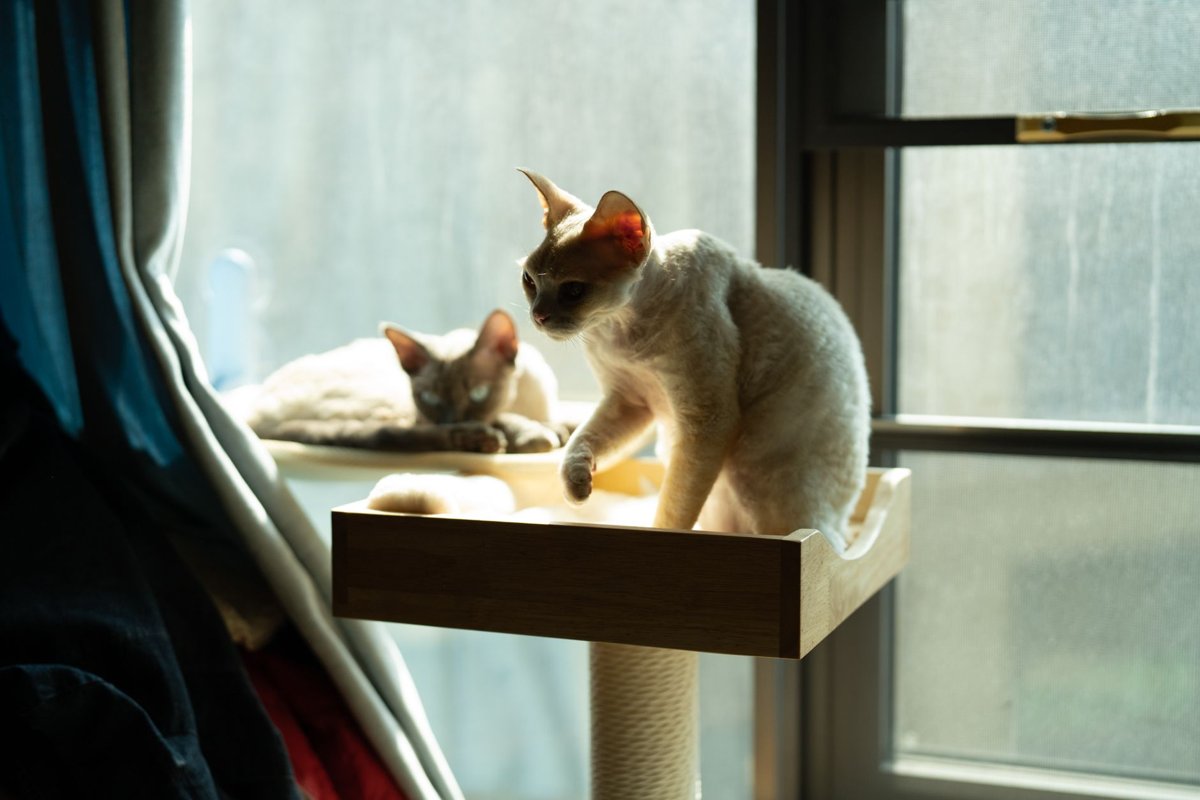
Place the cat tree near a window or in a room where the family spends time. Cats like to watch. For a senior cat, put it on the same floor where they spend most of their day, and near their food, water and litter box so they don’t have to travel far.
Placing it against a wall or in a corner adds stability. If your cat avoids the tree, try putting a familiar blanket on the lowest perch, or a few treats, to invite them up.
Signs Your Cat Is Struggling to Climb
- Hesitating or ‘measuring’ a jump before taking it
- Using furniture as steps instead of jumping straight up
- Sleeping only on the floor or low spots
- Stiffness after naps, or grooming less (especially the back and hips)
- Missing a jump or landing awkwardly
These are common signs of arthritis or pain. Mention them to your vet, since there are cat-safe ways to manage joint pain. Never give a cat human pain medication, as many are toxic to cats.
Helpful Products
- Cat trees for large cats: Wider perches and heavier bases for big cats.
- Senior cat steps and ramps: Helps older cats reach beds, couches and window seats.
- Window perches: A low-effort spot to watch birds without climbing.
- Self-warming cat beds: Extra comfort for stiff senior joints.
Frequently Asked Questions
Do older cats still use cat trees?
Many do, especially if the levels are low and easy to reach. If your senior cat stops using a tall tree, a shorter one with wide steps often gets them climbing again.
How tall should a cat tree be for a senior cat?
Lower is usually better, or choose a taller tree with many short steps. The goal is that your cat never needs a big leap to get up or down.
What’s the best cat tree for a heavy cat?
Look for thick posts, wide platforms and a heavy, broad base. Check the weight rating if the maker lists one, and anchor taller trees to a wall.
How do I know if my cat has arthritis?
Jumping less, avoiding stairs, stiffness and grooming less are common signs. Your vet can confirm it and suggest treatment.
The Bottom Line
Senior and large cats still want to be up high. They just need an easier way to get there. Choose a sturdy cat tree with low, wide platforms and short steps, put it where your cat already spends time, and watch for signs that climbing has started to hurt.
Keep reading:
- How to Choose the Best Cat Tree for Your Cat
- Caring for Senior Cats: Life With Our 12-Year-Old Brother-and-Sister Tabbies
- Keeping Indoor Cats Happy and Healthy
- How to Choose a Cat Scratching Post Your Cat Will Actually Use
As an Amazon Associate, we earn from qualifying purchases. This post contains affiliate links.