
As an Amazon Associate, we earn from qualifying purchases. This post contains affiliate links.
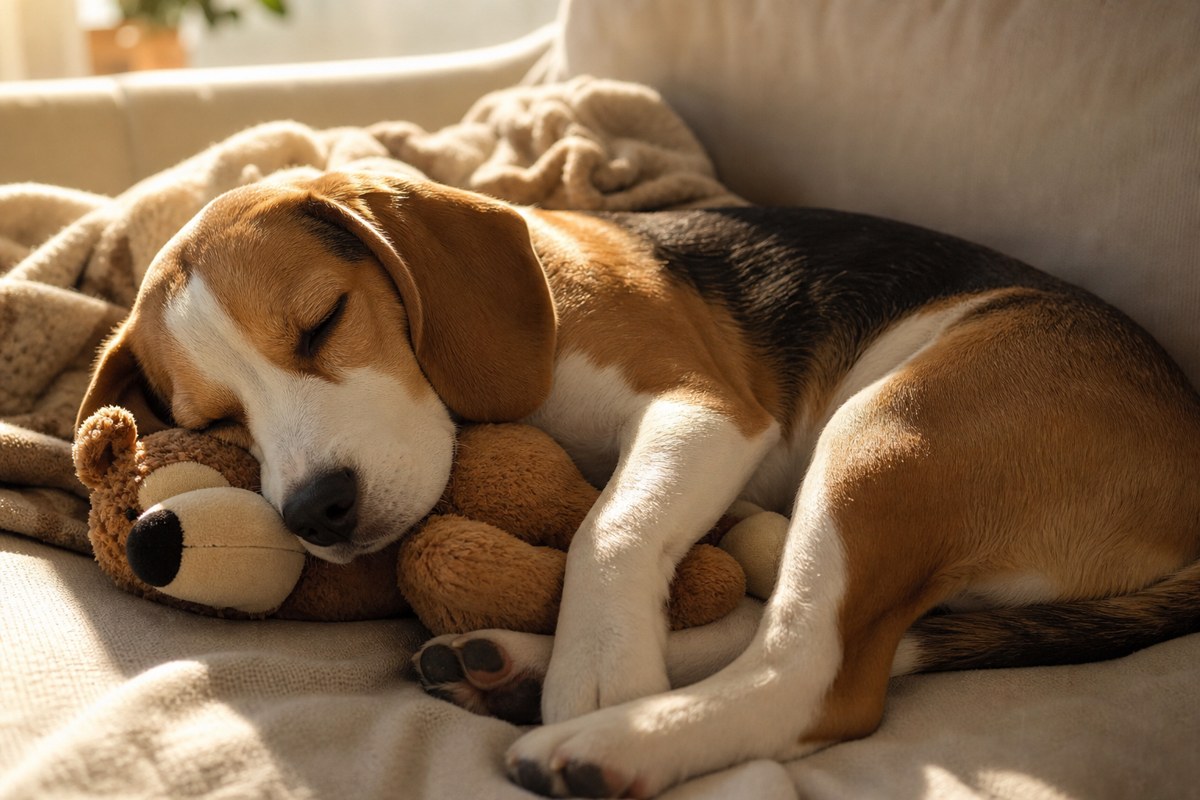
Quick answer: Dogs most likely dream about ordinary daily experiences, such as their people, walks, smells, play, and other things that happened that day. Research on animal sleep suggests the brain often replays recent experiences during sleep, so your dog may well be dreaming about you.
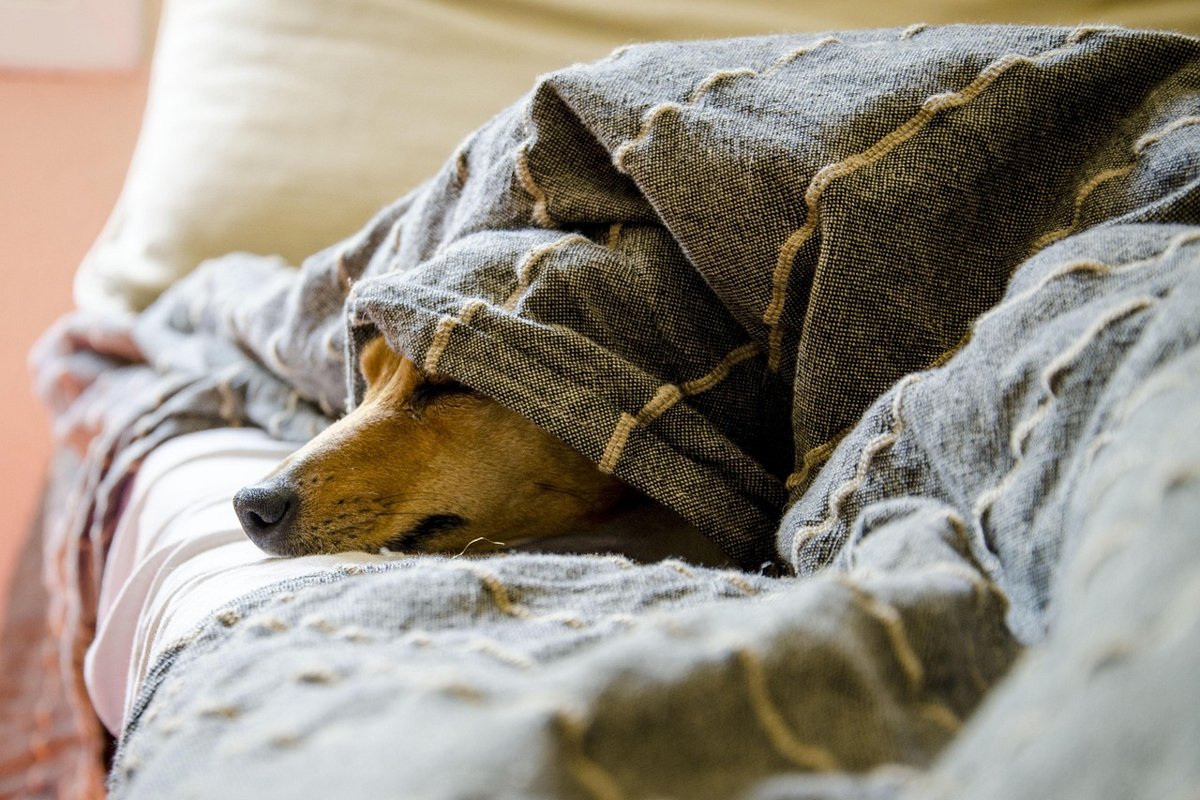
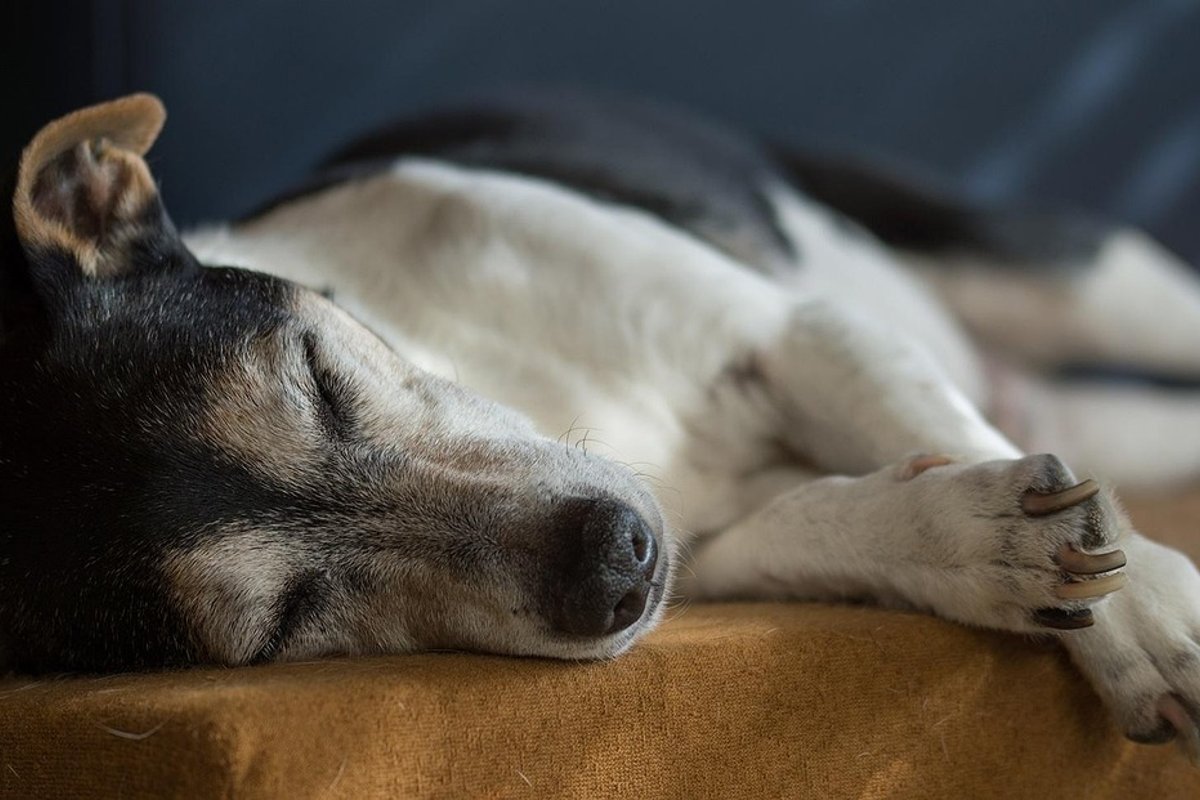
If you have ever watched your dog twitch, paddle, or softly woof in their sleep, you have probably wondered what was going on in that dreaming brain. The best answer is simple: dogs most likely dream about normal dog life.
We cannot ask a dog what they dreamed about, so no one can know for sure. But science gives us some good clues, and those clues point to familiar things like people, walks, smells, play, and the strongest parts of the day. For more on sleep itself, see why dogs dream.
What science tells us about dog dreams
The main reason scientists think dogs dream comes from what we know about sleep and the brain. In well-known research, scientists recorded rats’ brain activity while the rats ran through a maze. Later, during sleep, similar brain activity showed up again. That suggested the rats were replaying the maze while asleep.
Dogs have more complex brains than rats, so many experts think dogs likely do something similar. In plain terms, the sleeping brain may sort through and replay parts of the day. That does not prove exactly what a dog sees or feels in a dream, but it does support the idea that dreams are tied to real experiences.
Dogs also go through REM sleep, which is the sleep stage most strongly linked with dreaming in people and other mammals. During REM sleep, the body rests but the brain stays active. That is one reason owners often notice twitching, paw movements, or little sounds while a dog sleeps.
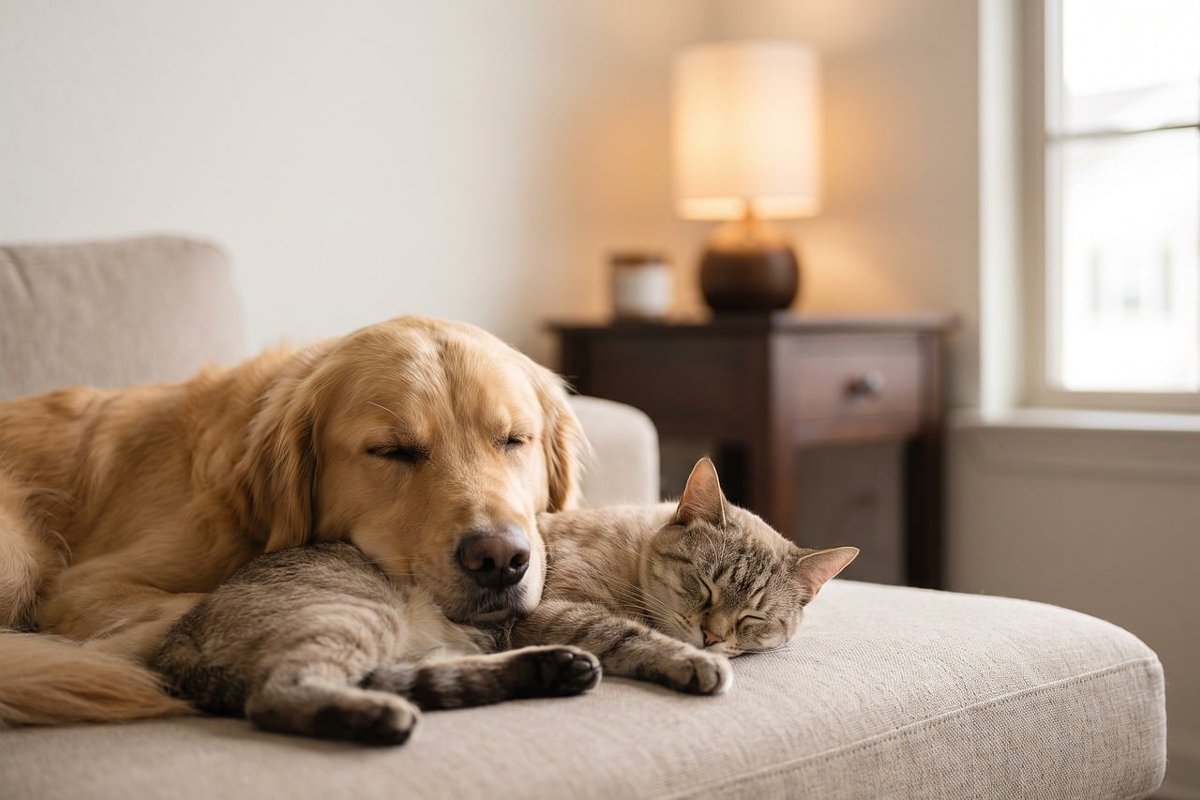
Put together, the best current answer is this: dogs probably do not dream about random, strange things very often. They are more likely reliving everyday events that mattered to them, whether those were fun, exciting, comforting, or a little stressful.

What dogs probably dream about
- Their people: Many experts think dogs often dream about the humans they are attached to. That could include your face, voice, scent, touch, routines, and time spent together.
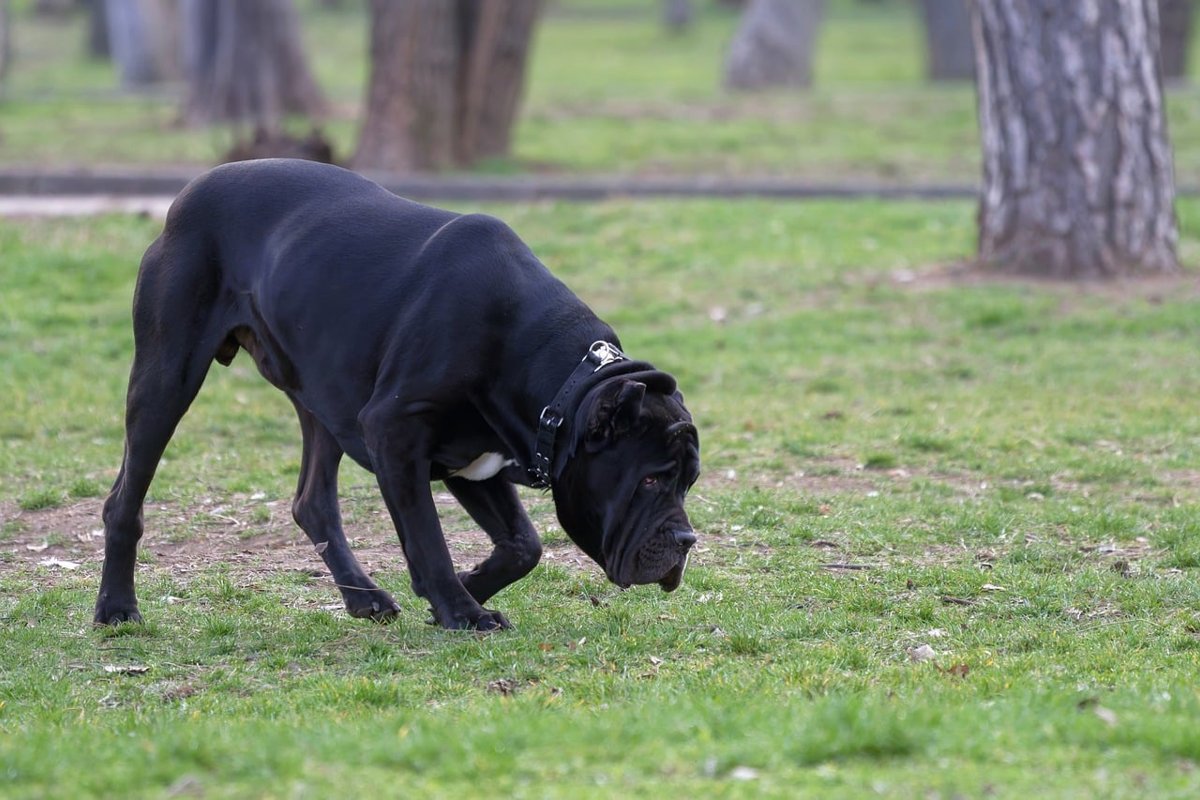
- Walks and smells: Dogs experience a huge part of the world through scent. A busy walk with lots of sniffing may give the brain plenty to replay later.
- Play: Chasing a ball, tugging a toy, wrestling with another dog, or waiting for a favorite game are all likely dream material.
- Food and treats: Lip licking, chewing motions, or little mouth movements during sleep may fit with dreaming about eating or foraging.
- Breed-related behaviors: Some experts suggest dogs may dream about behaviors they are naturally drawn to, such as retrieving, chasing, tracking, or herding.
- Daily routines: Getting ready for a walk, greeting family members, settling into bed, or hearing familiar household sounds may all show up in dreams.
- Stressful moments: Like people, dogs may sometimes replay upsetting events, such as a loud noise, a tense interaction, or a vet visit.
- Things they see the way dogs see them: Since dogs view color differently than we do, their dream world likely matches their normal vision. If you are curious, see how dogs see color.
Clues from your dog’s body while they sleep
| What you notice | What it may mean | What to do |
|---|---|---|
| Paddling legs or running motions | Your dog may be replaying movement, such as running or chasing | Usually just watch and let them rest. Read more about running in sleep. |
| Soft woofs, barks, or whimpers | They may be reacting to dream activity or communication | Let them sleep unless you need to wake them for safety. |
| Tail wagging or relaxed facial movements | This may go along with a pleasant or exciting dream | A calm sleep space often helps, such as a cozy bed. |
| Lip licking or chewing motions | They may be dreaming about food, treats, or sniffing around | Keep days mentally engaging with scent games, such as a snuffle mat. |
| Tense body, distressed sounds, sudden startled waking | This could be a bad dream, or sometimes something other than dreaming | Give space, wake gently only if needed, and monitor for repeats. |
Can dogs have bad dreams or nightmares
It is possible that dogs sometimes have bad dreams. Since the sleeping brain seems to replay important experiences, a stressful event from the day could show up during sleep too. A dog that had a frightening noise, rough play, travel stress, or a hard vet visit may seem more restless later.
A bad dream may look like whimpering, growling, tense muscles, fast leg movements, or a dog waking up suddenly and acting startled for a moment. Even so, these signs do not prove a nightmare. They are only clues, and they can overlap with normal sleep movements.
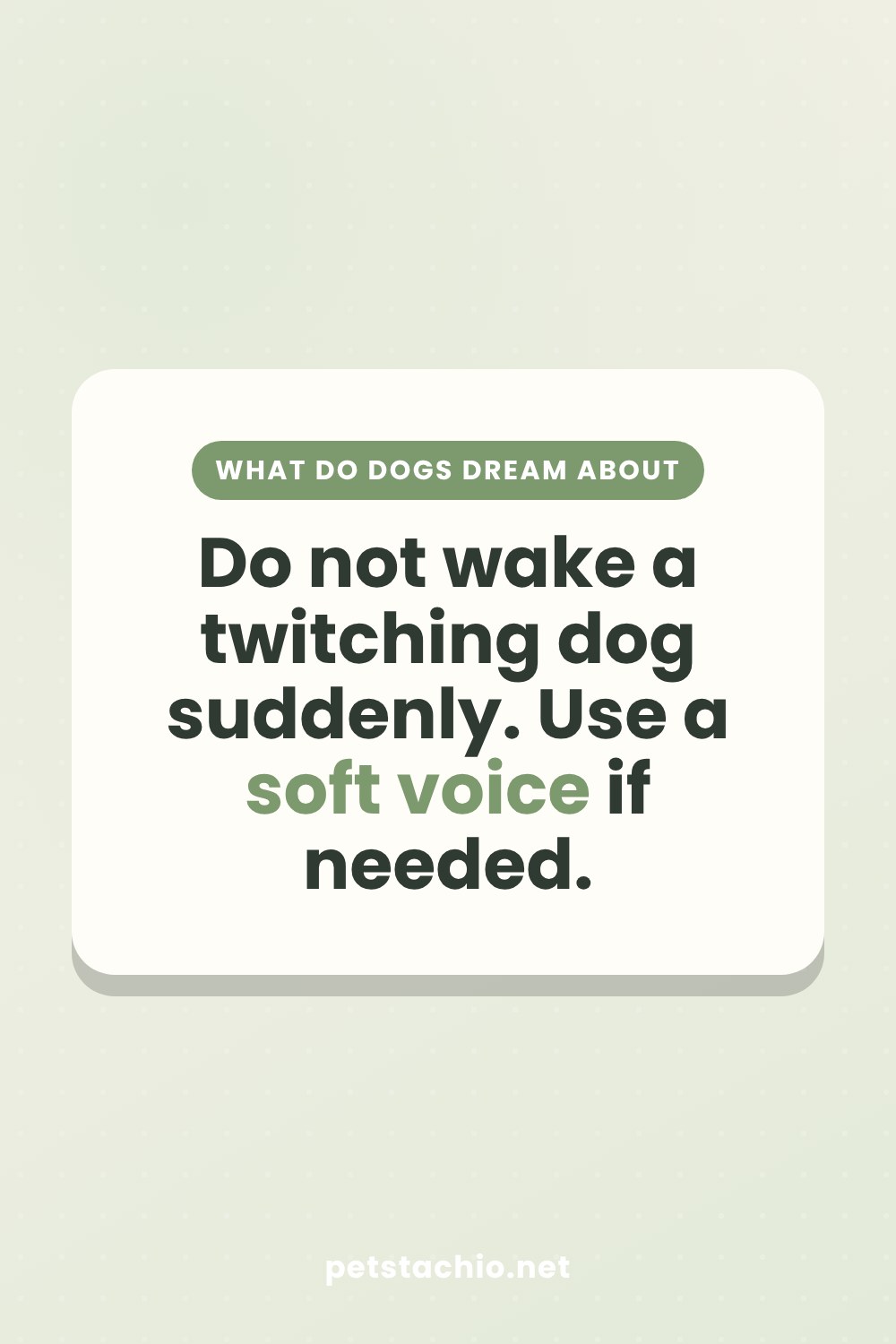
The safest response is usually to let your dog wake on their own. Waking a sleeping dog suddenly can startle them, and even a gentle dog may snap if they are confused. If you truly need to wake them, many vets recommend calling their name softly from a short distance instead of touching them right away.
If your dog seems unsettled after busy or noisy days, it can help to build in calm activities earlier in the evening. Gentle sniffing games, quiet time, and a familiar sleep spot often make bedtime easier. A puzzle toy or foraging mat can give calm mental exercise before bed without making the evening too intense.

Top pick
Dog puzzle toys
If your dog gets a little keyed up at night, a puzzle toy can add calm brain work without rough play. It suits dogs who enjoy solving simple tasks and helps fill the day in a steady, low-key way.
- Gentle mental challenge
- Keeps dogs engaged
- Useful before bedtime
How to help your dog have calmer, happier sleep
- Give your dog a full day, not just a tired body. Many dogs sleep better when they get both physical exercise and mental enrichment. Walks with sniffing time, short training sessions, and simple search games can help. If the weather is bad, try ideas from indoor pet activities.
- Keep bedtime predictable. Dogs often do best with a steady evening routine, such as a last potty break, a calm wind-down period, and lights out around the same time each night.
- Set up a comfortable sleep area. A quiet spot away from heavy foot traffic can help many dogs relax. For dogs who like to curl up or lean against something, a calming bed may feel more secure.
- Use familiar scents. Some dogs settle more easily if their bed carries familiar household smells. A clean but familiar blanket or old shirt can be comforting.
- Avoid rough play right before bed. High-energy wrestling or exciting games late at night may leave some dogs too wound up to settle easily.
- Support senior dogs and dogs with mobility issues. Older dogs may sleep worse if getting comfortable is hard. Thick bedding, easy access to the sleeping area, and practical support matter. If your dog is older, choosing the right bed can make rest easier. Some older dogs also enjoy calm nose work with a sniffing mat or a quiet brain game toy.
- Watch for patterns. If your dog seems restless every night, note when it happens, what the day was like, and whether there are other changes in appetite, energy, or behavior. That record can be useful if you need to talk with your vet.

Good to have
Snuffle mats
A snuffle mat is a simple way to add sniffing time indoors, especially on busy or rainy days. It works well for dogs who enjoy searching with their nose and can make evenings feel calmer and more satisfying.
- Encourages natural sniffing
- Slows indoor feeding
- Adds quiet enrichment
What we still do not know
Even with good clues from sleep research, there are limits to what science can tell us. We cannot see a dog’s dream like a movie, and we cannot ask them what it felt like. So any specific guess, such as dreaming about a squirrel or dreaming about dinner, is still a guess.
What we can say with more confidence is that dogs appear to dream, and those dreams are probably tied to normal life. That means your dog is likely replaying the people, places, smells, sounds, and activities that matter most to them.
For most owners, that is the useful takeaway. If your dog sleeps comfortably, wakes normally, and acts like themselves during the day, twitching and dream sounds are usually just part of healthy sleep. A comfortable nesting bed and a little daytime enrichment from puzzle toys can support a better routine, even though they cannot tell us what the dream was about.
When to Call the Vet
- Call your vet promptly if your dog often wakes up frightened, seems confused after episodes, or is having repeated nighttime events that are new for them.
- Seek veterinary advice if sleep movements come with stiffening, strong jerking, drooling, loss of bladder or bowel control, or your dog does not seem aware of you afterward. Those signs can suggest something other than dreaming.
- Talk to your vet if sleep problems come with daytime changes, such as weakness, limping, pain, pacing, heavy panting at rest, appetite changes, behavior changes, or trouble settling.
- Get urgent care if an episode lasts several minutes, your dog has trouble breathing, collapses, injures themselves, or has repeated episodes close together.
- Do not give human sleep aids, pain relievers, or calming medicines unless your vet tells you to. Many human medications are toxic to dogs.
Helpful Products

Also great
Calming dog beds
Calming dog beds suit dogs who like to curl up, lean on soft edges, or settle in one familiar spot. They help create a cozy sleep space that supports rest and may make bedtime feel more secure after busy days.
- Raised supportive rim
- Soft sleep surface
- Cozy nesting feel
Snuffle mats
For curious dogs who love to nose around, a snuffle mat turns mealtime or play into a calm search game. That extra sniffing can help give them a fuller day, which may lead to more content sleep and vivid dreams.
Dog puzzle toys
Mental exercise that helps dogs rest well.
What Do Dogs Dream About FAQ
Do dogs dream about their owners?
Many experts think they probably do. Dogs are strongly bonded to their people, and if dreams replay daily life, your voice, smell, face, and routines are likely common dream material.
Do dogs dream in color?
Dogs likely dream in the same way they normally see the world when awake. Their color vision is more limited than ours, with blues and yellows standing out more than reds and greens. You can learn more in how dogs see color.
Can dogs have nightmares?
It is possible. A dog that whimpers, seems tense, or wakes up startled may be having a bad dream, but those signs are not proof. If episodes are frequent or look unusual, talk with your vet.
Should I wake my dog if they are twitching in sleep?
Usually, no. Many vets recommend letting sleeping dogs wake on their own because sudden waking can startle them. If you need to wake your dog, call their name softly from a short distance instead of touching them right away.
The Bottom Line
We cannot know exactly what a dog dreams about, but the best evidence points to everyday life: their people, walks, smells, play, and sometimes stressful moments too. If you give your dog a safe routine, enriching days, and a comfortable place to sleep, there is a good chance their dreams are filled with familiar things they love.
Keep reading: