
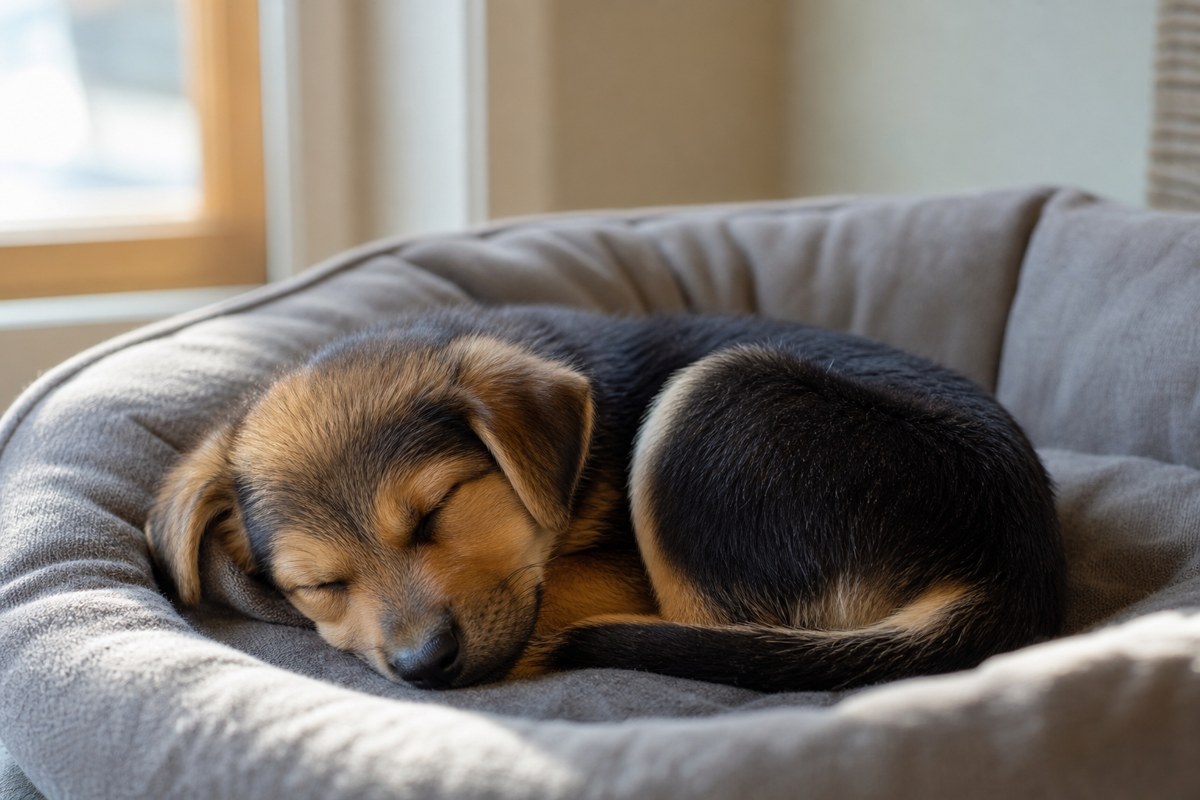
Quick answer: Dogs dream because their brains go through the same REM sleep stage that people do. Scientists think dreaming helps the brain process memories and learning from the day. Puppies and senior dogs tend to dream and twitch the most.
It’s one of the sweetest things about dogs: watching them twitch, wag and quietly woof in their sleep. For a long time, people could only guess whether dogs really dream.
Today, sleep research gives us a pretty good answer. Dogs’ brains go through sleep stages much like ours, and the evidence points strongly toward yes, dogs dream.
How Dog Sleep Works
Dog sleep cycles between two main types. In non-REM sleep, the body is relaxed, breathing is slow and steady, and the brain is quieter. In REM sleep, brain activity speeds up, the eyes move under the lids, breathing gets irregular, and small muscle twitches appear. REM is when vivid dreaming is most likely in people, and brain recordings show dogs have the same stage.
Dogs cycle through these stages several times during a nap or a night, but their cycles are shorter than ours.
Why Do Dogs Dream?
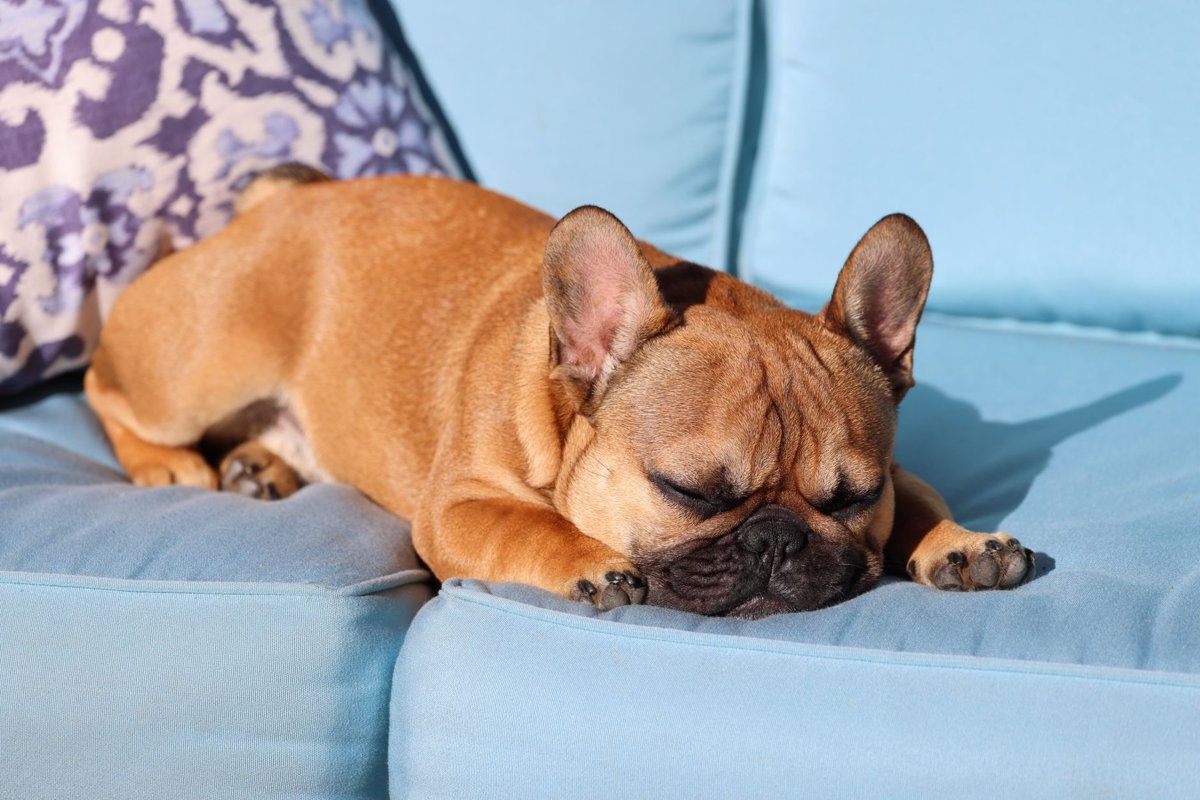
Scientists believe dreaming is tied to memory and learning. Studies in animals have shown the brain replaying patterns from the day during sleep. Some research on dogs has found that sleep after learning a new command helps them remember it better.
So when your dog dreams, they may be sorting through the day: walks, smells, people, play and the things they practiced.
How Much Do Dogs Sleep?
| Dog | Typical daily sleep |
|---|---|
| Adult dogs | Roughly 12 to 14 hours |
| Puppies | Often 18 to 20 hours |
| Senior dogs | Often more than adults, frequently in shorter naps |
| Large breeds | Often sleep more than small, high-energy breeds |
These are general ranges. Activity level, breed and health all matter.
Why Puppies and Seniors Dream More
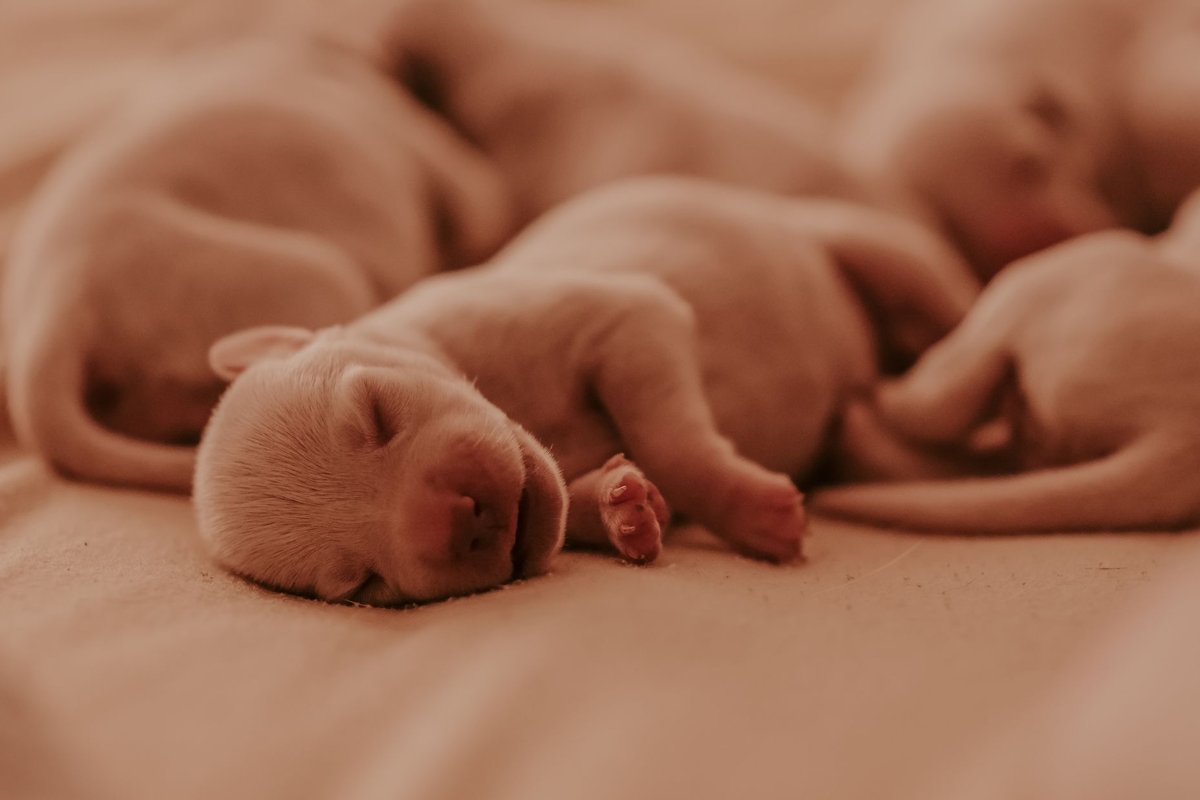
- Puppies are learning constantly, and their brains are still developing. They spend more time in active sleep.
- Senior dogs sleep more overall and often have more visible sleep movements.
- Small dogs may have more frequent dream cycles than big dogs, according to some sleep experts.
Helping Your Dog Sleep Well
- Give them a comfortable, supportive bed in a quiet spot.
- Stick to a routine for walks, meals and bedtime.
- Make sure they get enough exercise and mental activity during the day.
- Let them rest without being disturbed, especially older dogs.
- Talk to your vet if sleep changes suddenly, such as restlessness at night, snoring that’s new, or sleeping far more than usual.
Helpful Products
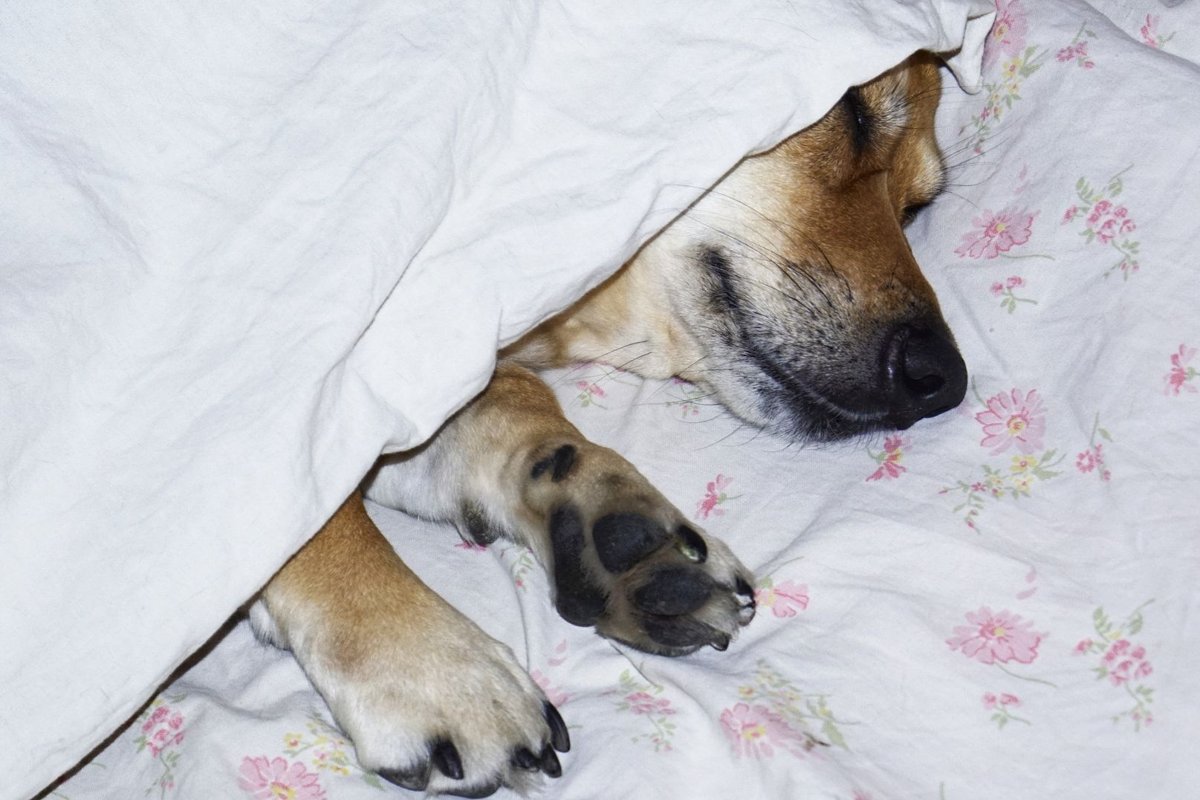
- Supportive dog beds: Good sleep starts with a comfortable bed.
- Covered crate beds: Some dogs sleep better in a darker, den-like space.
- White noise machines: Can muffle noises that wake light sleepers.
Frequently Asked Questions
Do dogs dream like humans?
Their brains go through the same sleep stages, including REM, so most scientists think dogs do dream in a similar way, though we can’t know the details.
Why does my dog bark in his sleep?
Soft barks and woofs during REM sleep are normal and likely part of dreaming.
Do dogs have nightmares?
It’s possible. If your dog wakes up startled, speak calmly and let them settle on their own.
Is it bad if my dog sleeps a lot?
Dogs naturally sleep a lot. But a sudden increase in sleep, or low energy when awake, is worth mentioning to your vet.
The Bottom Line
Dogs dream because their brains, like ours, use sleep to process the day. Give your dog a comfortable bed, a steady routine and plenty of activity, and enjoy those sleepy little paddles and woofs.
Keep reading:
- Why Does My Dog "Run" in His Sleep? Twitching, Paddling and When to Worry
- What Do Dogs Dream About? What Science Tells Us
- The Ultimate Guide to Dog Beds: Finding the Perfect Fit
As an Amazon Associate, we earn from qualifying purchases. This post contains affiliate links.