
We know the joy a dog brings to our lives. Their boundless energy and unwavering loyalty enrich our days, and in return, we strive to provide them with the best possible care. A crucial aspect of this care involves ensuring their physical and mental well-being, and remarkably, a significant part of that equation comes down to the toys we choose for them. This guide aims to demystify the world of dog toys, helping us understand the various types available and how to select the most appropriate ones for our canine companions. Our goal is to equip us with the knowledge to keep our pups happy, engaged, and endlessly entertained.
Beyond mere entertainment, dog toys play a vital role in our dogs’ overall health and behavior. We often underestimate their multifaceted benefits, viewing them simply as objects to chew on. However, their impact extends far beyond passing the time.
Physical Stimulation and Exercise
Dogs, like us, require regular physical activity to maintain a healthy weight, build strong muscles, and support cardiovascular health. Toys provide an excellent AVENUE for this. A ball, for instance, encourages running, jumping, and retrieving, mimicking natural prey drive and providing a full-body workout. Tug ropes, when used appropriately, strengthen their neck and jaw muscles while also being a great way for us to interact. Interactive toys that dispense treats require our dogs to move around, pushing and nudging to get their reward, adding an element of exercise to their mental stimulation. Without adequate physical outlets, dogs can become restless and prone to destructive behaviors born of pent-up energy.
Mental Enrichment and Cognitive Development
A dog’s mind is a powerful thing, and it needs exercise just as much as its body. Boredom can lead to anxiety, stress, and undesirable habits. Puzzle toys, an excellent example of mental enrichment, challenge our dogs to problem-solve. They learn to manipulate objects, strategize, and persist to achieve a reward. This cognitive engagement helps prevent mental stagnation, which is particularly important for intelligent breeds. Chewing, in itself, is a natural and often calming behavior for dogs, and providing appropriate chew toys can redirect this instinct away from our furniture and shoes.
Behavioral Regulation and Training Aids
Toys can be invaluable tools in addressing and mitigating various behavioral issues. For dogs prone to destructive chewing, providing a variety of appealing and durable chew toys can serve as an acceptable outlet for this natural urge. For puppies, teething toys offer relief from discomfort and establish healthy chewing habits from a young age. Furthermore, toys can be instrumental in training. Fetch, for example, reinforces the “come” command and strengthens the bond between us and our dogs. Reward-based training often incorporates toys as motivators, increasing engagement and making learning a positive experience. Distraction toys can also be used to redirect attention during stressful situations, such as thunderstorms or separation anxiety.
When considering the best toys for your furry friends, it’s interesting to explore how different animals engage with their environment. For instance, while dog toys are designed to stimulate play and exercise, cats have their own unique behaviors, such as kneading, that reflect their instincts. To learn more about this fascinating behavior in cats, you can read the article here: Why Do Cats Knead?. Understanding these behaviors can help pet owners choose the right toys and activities for their beloved companions.
Types of Dog Toys: A Comprehensive Overview
The market for dog toys is vast, offering an overwhelming array of choices. To make informed decisions, we need to understand the fundamental categories and their specific benefits.
Chew Toys
These are arguably the most popular and essential type of dog toy. Our dogs have an innate need to chew, and providing appropriate outlets is paramount.
Durable Rubber Chews
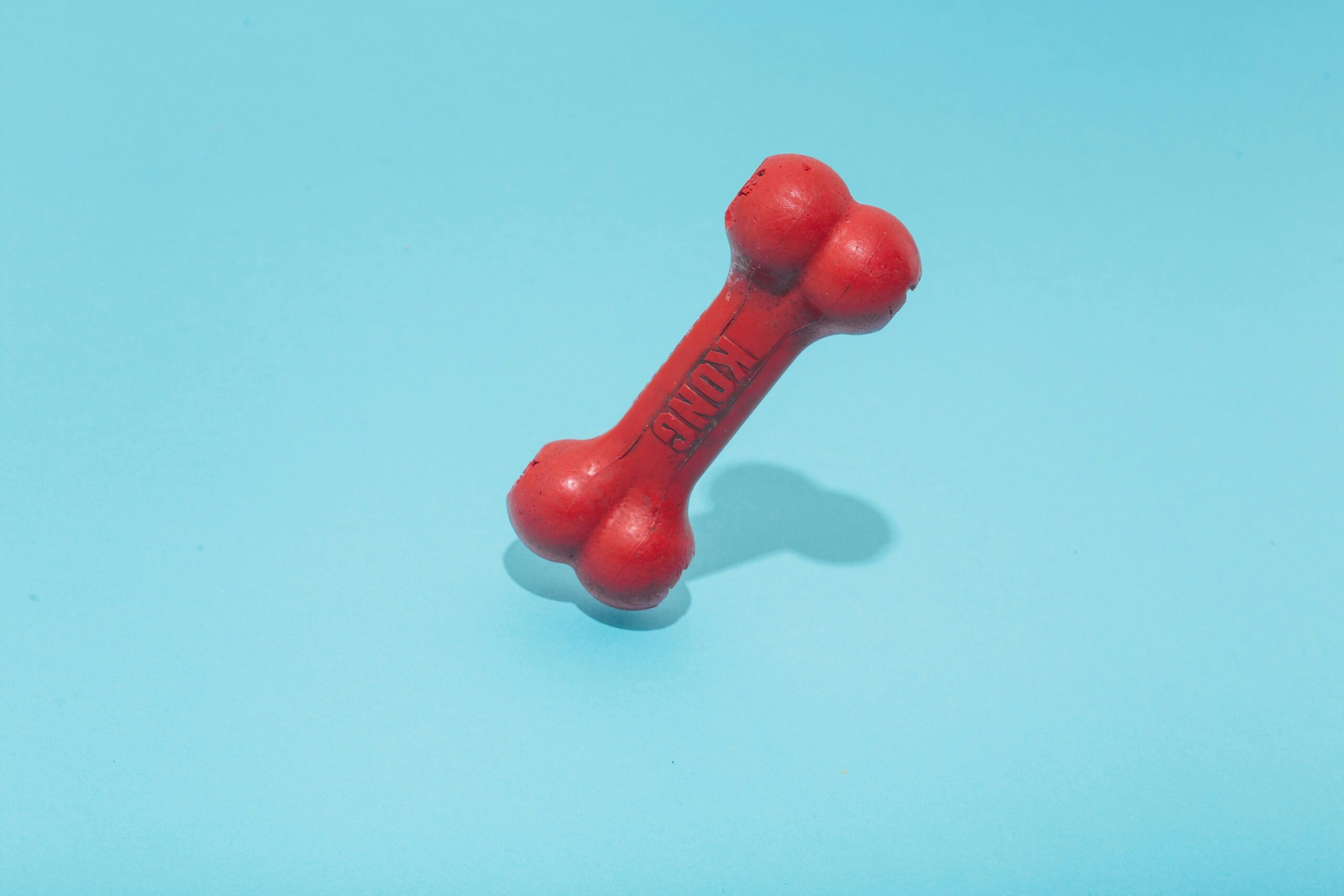
Brands like Kong and Benebone are well-regarded for their robust rubber and nylon chew toys. These are designed to withstand aggressive chewing and come in various shapes and sizes to suit different jaw strengths. We often find that filling a Kong with peanut butter or wet dog food and freezing it provides an extended period of engagement. The natural rubber materials are generally safe and non-toxic.
Nylon and Antler Chews
Nylon chew toys offer a different texture and often come in flavored varieties to entice our dogs. Antler chews, ethically sourced, are a natural and long-lasting option, though we must monitor them for splintering, especially as they get smaller. Both provide excellent dental benefits by helping to scrape away plaque and tartar.
Edible Chews
While not strictly toys in the traditional sense, edible chews like bully sticks, dental chews, and collagen chews provide chewing satisfaction and often offer additional health benefits, such as improved dental hygiene. We must always supervise our dogs with edible chews to prevent choking hazards and ensure they are appropriately sized for their breed. We also consider caloric intake when incorporating edible chews into their diet.
Interactive Toys
These toys are designed to engage our dogs’ minds and bodies, often requiring us to participate in the play.
Puzzle Toys
Puzzle toys come in various levels of difficulty, from simple treat dispensers to complex multi-step challenges. They encourage problem-solving and can keep our dogs engrossed for significant periods. We often start with easier puzzles and gradually introduce more challenging ones as our dogs become proficient. These are particularly valuable for high-energy or intelligent breeds that require significant mental stimulation.
Fetch Toys
Classic fetch toys include balls, frisbees, and sticks (though artificial sticks are safer than real ones to prevent splinters). These are excellent for high-energy dogs and reinforce recall commands. We look for durable materials that can withstand repeated throws and retrieves. Soft, plush fetch toys can also be suitable for indoor play, provided they are not easily destroyed.
Tug Toys
Tug toys, typically made of braided rope, rubber, or durable fabric, provide a fantastic outlet for a dog’s natural instinct to pull and wrestle. Tug-of-war, when played correctly, can be a healthy and bonding activity. We establish clear rules, such as releasing the toy on command, to maintain control and prevent resource guarding behaviors. This also provides an excellent opportunity for physical exercise for both us and our pets.
Selecting the Right Toys for Your Dog

Choosing the correct toys is not a one-size-fits-all endeavor. Several factors influence the optimal selection for our individual canine companions.
Consider Your Dog’s Breed and Size
A Great Dane requires different toys than a Chihuahua. Large breeds need sturdy, oversized toys that cannot be easily swallowed or destroyed. Smaller breeds might prefer lighter, more manageable toys. Additionally, certain breeds have stronger jaws and require more durable materials. A toy designed for a sedentary lap dog would likely not last long with an active working breed.
Assess Your Dog’s Chewing Habits
This is a critical factor. Is your dog a gentle gnawer, a moderate chewer, or an extreme destroyer? We look for toys explicitly labeled for “power chewers” if our dog falls into the latter category. For dogs with delicate teeth or gums, softer rubber or plush toys might be more suitable. Observing how quickly they demolish existing toys is a good indicator of their chewing intensity.
Evaluate Safety and Durability
Safety should always be our top priority. We check for small, detachable parts that could be choking hazards. All toys should be made from non-toxic materials. Durability is also crucial. A toy that falls apart quickly not only wastes money but can also pose a risk if our dog ingests fragments. We regularly inspect toys for wear and tear and discard anything that is damaged or could become hazardous.
Understand Your Dog’s Personality and Play Style
Some dogs love to cuddle with plush toys, while others are driven by the thrill of the chase. Some prefer quiet solo play with puzzle toys, while others thrive on interactive games with us. Observing our dog’s natural inclinations helps us select toys that will genuinely engage them. A shy dog might benefit from a comforting plush toy, while an energetic dog might prefer a ball that encourages activity.
Maintaining and Rotating Dog Toys

To maximize the longevity and effectiveness of our dog’s toys, a systematic approach to maintenance and rotation is essential.
Regular Cleaning and Sanitation
Dog toys, like anything else our pets interact with, can become breeding grounds for bacteria. We regularly wash plush toys in the washing machine and scrub down rubber and plastic toys with a pet-safe cleaner or simply soap and water. This not only keeps them hygienic but also removes accumulated dirt and grime, potentially prolonging their lifespan. For toys that go outdoors, a quick rinse after every use can make a significant difference.
Inspecting for Wear and Tear
Before each play session, we take a moment to inspect all toys. Any toy with tears, loose stuffing, sharp edges, or missing parts should be immediately discarded. A seemingly minor crack in a plastic toy can become a jagged edge that cuts our dog’s mouth or gums. Broken parts can be ingested, leading to internal injuries or blockages. This proactive approach prevents potential emergencies.
Toy Rotation for Sustained Interest
Just like humans, dogs can get bored with the same old things. A toy rotation system keeps things fresh and maintains sustained interest. We divide our dog’s toy collection into several groups and only put out one group at a time. After a few days or a week, we rotate to a different group. This makes old toys feel new again, preventing boredom and ensuring that each toy gets appreciated. It also helps preserve the toys, as they are not constantly in use.
When choosing the best dog toys for your furry friend, it’s essential to consider their age, size, and chewing habits. A well-chosen toy can provide not only entertainment but also mental stimulation and physical exercise. For more insights on dog ownership and care, you might find this article helpful, which addresses various questions that new dog owners often have. You can read it here: answers to frequently asked questions about owning a dog.
Innovative and Specialized Dog Toys
| Toy Type | Material | Size | Price Range |
|---|---|---|---|
| Squeaky Toy | Plush | Small, Medium, Large | 5 – 20 |
| Rope Toy | Cotton | Medium, Large | 8 – 15 |
| Chew Toy | Rubber | Small, Medium, Large | 7 – 25 |
The world of dog toys is constantly evolving, with new and innovative products emerging to cater to specific needs and preferences.
Smart and Electronic Toys
Advancements in technology have introduced smart toys that can provide automated entertainment. These might include remote-controlled moving toys, laser pointers that move independently, or even treat-dispensing devices that can be controlled via an app. While these provide novelty, we view them as supplementary to human interaction, not a replacement.
Calming and Anxiety-Reducing Toys
For dogs prone to anxiety, certain toys can offer comfort and distraction. Snuffle mats, for example, engage their scent-seeking abilities and provide a calming activity. Lick mats, spread with soft treats, can provide a repetitive, soothing action that reduces stress. Toys designed to mimic a mother’s heartbeat can also be comforting for puppies or anxious dogs.
Dental Health Toys
Beyond traditional chews, there are toys specifically engineered to promote dental hygiene. These often feature textured surfaces, ridges, and nubs that help clean teeth and massage gums as our dogs chew. Some are designed to hold dental paste, further enhancing their effectiveness. While not a substitute for professional dental care, they can certainly contribute to better oral health.
In conclusion, the decision of which dog toys to acquire deserves thoughtful consideration. We understand that toys are not just frivolous purchases, but essential tools for our dogs’ physical health, mental well-being, and behavioral development. By understanding the different types of toys, evaluating our dog’s individual needs, prioritizing safety, and implementing a sound maintenance and rotation strategy, we can ensure our canine companions lead fulfilling, stimulated, and happy lives. We continuously observe our dogs, adapt our choices as they age and their preferences change, and remember that the best toy is often one that fosters interaction and strengthens the bond we share.
FAQs
What are the best types of dog toys for different breeds and sizes?
There are various types of dog toys that cater to different breeds and sizes. For example, small dogs may enjoy plush toys or small rubber balls, while larger breeds may prefer durable chew toys or rope toys for tug-of-war.
How often should dog toys be replaced?
Dog toys should be regularly inspected for signs of wear and tear, and replaced as needed to prevent potential choking hazards or ingestion of small parts. It is recommended to replace toys that are damaged or worn out.
What are some safe materials for dog toys?
Safe materials for dog toys include natural rubber, nylon, and durable fabrics. It is important to avoid toys with small parts that can be easily chewed off and swallowed, as well as any toxic materials.
How can dog toys benefit a dog’s overall well-being?
Dog toys provide mental stimulation, promote physical activity, and can help alleviate boredom and anxiety in dogs. Interactive toys can also strengthen the bond between dogs and their owners through play.
What are some popular interactive dog toys on the market?
Popular interactive dog toys include treat-dispensing toys, puzzle toys, and interactive balls that can keep dogs engaged and entertained. These toys can provide mental stimulation and encourage problem-solving skills in dogs.