
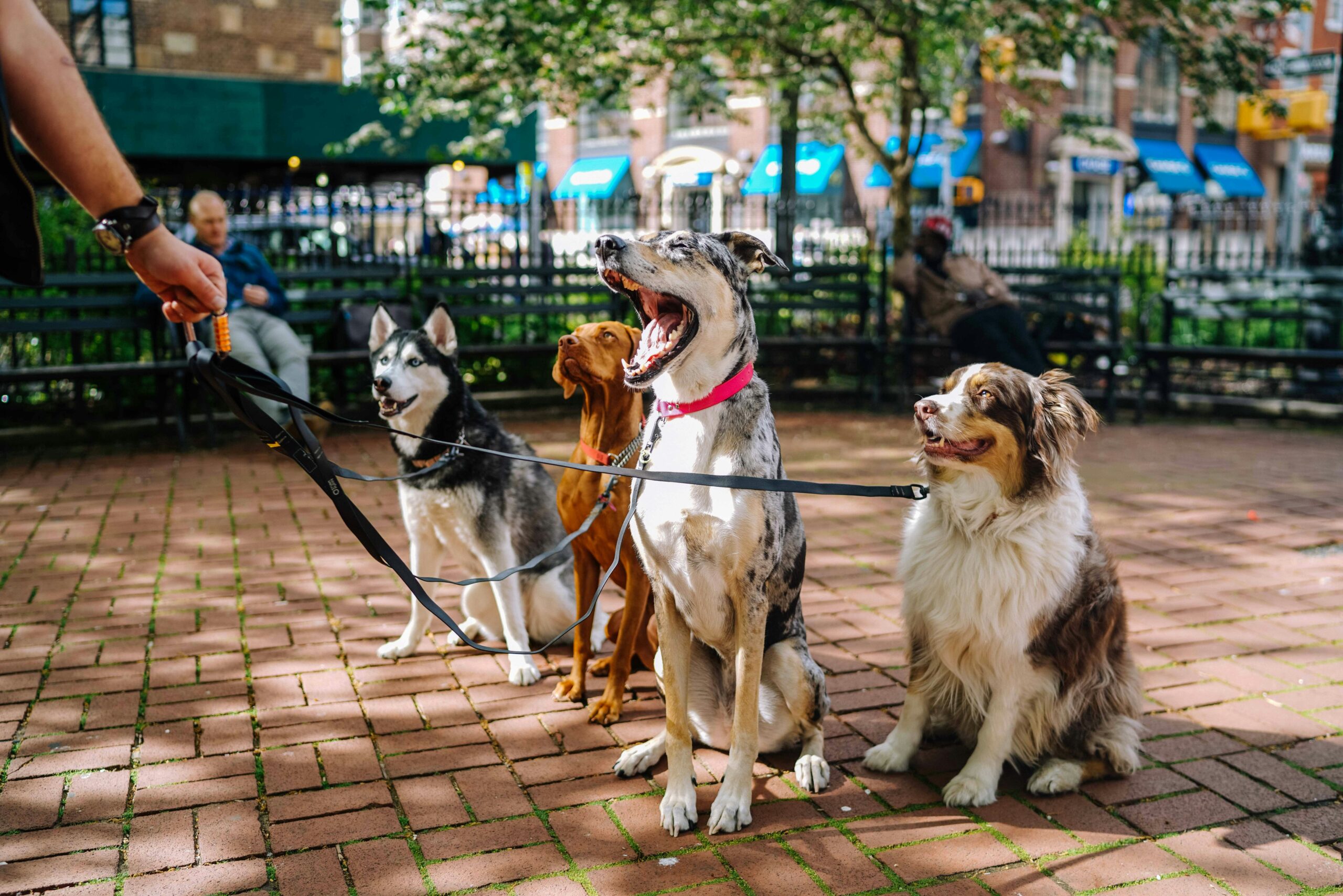
We often hear about the joys of having a family dog, and for good reason. They integrate themselves into the fabric of our lives, becoming more than just pets; they transform into cherished members of our households. Their presence can bring a unique blend of comfort, amusement, and even a sense of purpose that enriches our daily existence. While the idea of a “perfect companion” can evoke images of idealized scenarios, the reality of living with a dog is a nuanced, rewarding experience. We’ve found that by understanding their needs and embracing their individuality, dogs truly can be the ideal additions to nearly any home we share.
Bringing a dog into our lives is a significant decision. It’s a commitment that extends far beyond the initial excitement of puppy cuddles or the novelty of a new addition. We must approach this with a clear understanding of the responsibilities involved, acknowledging that our lives will be altered, often for the better, but requiring adjustments. This isn’t a fleeting responsibility; it’s a long-term dedication to another living being.
The Daily Responsibilities We Adhere To
Daily, our dogs rely on us for fundamental care. This includes providing fresh food and water, ensuring they have opportunities for exercise and play, and maintaining a clean living environment. We understand that their well-being is directly tied to our diligence in these areas.
Feeding Routines and Nutritional Needs
We learned early on that a proper diet is paramount. We investigate the nutritional requirements of our specific dog breed and age, opting for high-quality food that supports their health and energy levels. This often means establishing consistent feeding times, preventing overfeeding, and being mindful of any dietary sensitivities or allergies they may develop. We’ve also found that understanding portion sizes and the importance of fresh water readily available is crucial.
Exercise and Mental Stimulation
Beyond physical needs, dogs require mental engagement. We ensure they have ample opportunities for both. This goes beyond a quick walk around the block. We strive to provide varied activities that challenge their minds and bodies, preventing boredom and potential behavioral issues.
Walks and Outdoor Exploration
Our daily walks are not just for potty breaks; they are opportunities for exploration and sensory input. We choose routes that offer new sights and smells, allowing our dogs to engage with their environment. We also consider the physical needs of our specific breed, ensuring the walks are appropriate in length and intensity.
Playtime and Training Sessions
Interactive play is a vital component of our dogs’ lives. Games of fetch, tug-of-war, or simply chasing a ball in the yard provide physical exertion and strengthen our bond. We also incorporate short, regular training sessions. These aren’t just about teaching commands; they are about fostering communication and reinforcing good behavior. Consistent practice, even for a few minutes each day, yields noticeable results.
Grooming and Hygiene Practices
Maintaining our dogs’ health and comfort requires a commitment to grooming. This varies greatly depending on the breed and coat type, but regular attention is always necessary.
Coat Care and Brushing
For breeds with longer or thicker coats, daily or near-daily brushing is essential to prevent tangles and mats. Even short-haired dogs benefit from regular brushing, which helps to remove loose fur, reduce shedding, and distribute natural oils to keep their skin healthy. We’ve discovered a variety of brushes and combs that suit different coat types, making this task more efficient and enjoyable for both us and our dogs.
Nail Trimming and Ear Cleaning
Regular nail trimming is important for their comfort and to prevent them from growing too long, which can cause pain and affect their gait. Similarly, keeping their ears clean is crucial, especially for breeds prone to ear infections. We’ve learned to approach these tasks with a gentle hand and positive reinforcement, making them less stressful for our canine companions.
Bathing and Dental Care
The frequency of bathing depends on the dog’s activity level and coat type. We use dog-specific shampoos that are gentle on their skin. Dental care is also an often-overlooked aspect of hygiene. Regular teeth brushing with dog-specific toothpaste and the occasional dental chew can significantly contribute to their overall health and prevent future dental problems.
If you’re looking to ensure your family dog leads a happy and healthy life, it’s essential to understand the basics of dog care. A great resource for this is the article titled “Dog Care Basics for a Happy Canine,” which covers essential tips and guidelines for maintaining your dog’s well-being. You can read it here: Dog Care Basics for a Happy Canine. This article provides valuable insights that can help strengthen the bond between your family and your furry friend.
The Multifaceted Benefits of Canine Companionship
The rewards of sharing our lives with dogs extend far beyond mere entertainment. They offer a unique form of emotional support and can positively influence our physical and social well-being. We’ve observed these benefits firsthand in our own lives and in the lives of those around us.
Emotional Support and Stress Reduction
Dogs possess an uncanny ability to sense our emotions. Their unwavering presence and affection can act as a powerful antidote to stress and loneliness. We’ve found that a wagging tail or a gentle nudge at the right moment can significantly lift our spirits.
Unconditional Love and Affection
The love we receive from our dogs is, in many ways, unconditional. They greet us with enthusiasm, regardless of our mood or the events of our day. This consistent affection builds a deep emotional connection and provides a sense of security and belonging.
Reduction of Anxiety and Loneliness
For individuals experiencing anxiety or persistent feelings of loneliness, the companionship of a dog can be particularly impactful. Their mere presence can create a calming effect, and the responsibility of caring for another living being can provide a sense of purpose that combats isolation.
Encouraging an Active Lifestyle
Having a dog can be a powerful motivator to get outdoors and be more active. Their need for exercise translates into opportunities for us to engage in physical activity, which benefits our own health.
Increased Physical Activity
We are often prompted to go for walks, runs, or hikes simply because our dogs need to burn off energy. This consistent, albeit sometimes involuntary, exercise routine contributes to our cardiovascular health, weight management, and overall fitness.
Opportunities for Outdoor Recreation
Beyond daily walks, dogs encourage us to explore outdoor recreational activities. Visiting dog parks, going on hikes, or even playing fetch in a wider space allows us to enjoy nature and engage in activities that might otherwise be overlooked.
Social Interaction and Community Building
Dogs can also act as social catalysts, facilitating interactions with other people. Their presence often sparks conversations and creates opportunities for new friendships.
Meeting Other Dog Owners
Dog parks and walking trails provide natural meeting grounds for dog owners. These shared experiences often lead to casual conversations that can blossom into genuine friendships. We’ve found ourselves connecting with neighbors and people in our community who we might never have met otherwise.
Shared Activities and Dog-Centric Events
Many communities organize dog-friendly events, from adoption days to organized walks. Participating in these activities allows us to connect with like-minded individuals and celebrate our shared love for canine companions.
Choosing the Right Dog for Our Household

The “perfect companion” is not a one-size-fits-all concept. Selecting the right dog for our specific home environment, lifestyle, and family dynamics is crucial for a harmonious relationship. We’ve learned that thorough research and honest self-assessment are key to this process.
Assessing Our Lifestyle and Living Situation
Before we even begin looking at breeds, we must honestly evaluate our own capabilities and circumstances. Our daily routines, the amount of time we spend at home, and the space we have available all play a significant role in determining the suitability of a particular dog.
Time Commitment and Availability
How much time can we realistically dedicate to a dog each day? Some breeds require more attention, training, and exercise than others. We consider our work schedules, social commitments, and family responsibilities when making this assessment.
Living Space and Yard Access
The size of our home and whether we have a fenced yard are important considerations. While many dogs can adapt to apartment living, they often require more dedicated exercise time outdoors. Larger, more energetic breeds generally need more space to roam and play.
Family Members and Their Needs
We must also consider the dynamics of our household. Do we have young children, elderly individuals, or other pets? Some breeds are known for their patience and gentleness with children, while others may be more independent or require careful introduction to a multi-pet household.
Researching Breeds and Their Characteristics
Once we have a clear understanding of our own circumstances, we can begin researching dog breeds. This involves looking beyond physical appearance and delving into their temperaments, energy levels, and potential health concerns.
Temperament and Socialization Needs
We learn about the typical temperament of different breeds – are they generally playful, calm, independent, or pack-oriented? We also consider their socialization needs, understanding that early and consistent exposure to various people, places, and other animals is vital for well-adjusted behavior.
Energy Levels and Exercise Requirements
Matching a dog’s energy level with our own is perhaps one of the most critical aspects of selection. An active breed placed in a sedentary household can lead to frustration for both the dog and the owners. Conversely, a low-energy dog might not be stimulated enough in a very active environment.
Size and Grooming Needs
The size of a dog is an obvious consideration due to space and handling. However, the grooming needs are equally important. Some breeds require extensive grooming, which translates into time and financial commitment.
Considering Adoption and Rescue Organizations
We often advocate for adoption and rescue. These organizations are filled with wonderful dogs of all breeds, ages, and temperaments just waiting for a loving home. They can provide invaluable insights into a dog’s personality and history.
The Joy of Giving a Second Chance
There is a profound sense of satisfaction in providing a home for a dog that has been abandoned or surrendered. These dogs often make exceptionally grateful and devoted companions.
Expert Guidance from Rescue Staff
Rescue organizations often have dedicated staff and volunteers who know their dogs intimately. They can offer personalized recommendations based on our lifestyle and family dynamics, significantly increasing the chances of a successful match.
Integrating a New Dog into Our Home

The initial period after bringing a new dog home is a critical adjustment phase for everyone involved. We approach this with patience, understanding, and a consistent routine. This period lays the foundation for a long and happy relationship.
Establishing a Routine from Day One
Consistency is key when introducing a new dog. Establishing a predictable routine for feeding, potty breaks, exercise, and sleep helps the dog feel secure and understand expectations.
Feeding and Potty Schedule
We establish firm feeding times to aid in housetraining and ensure the dog knows when to expect meals. Similarly, frequent outings for potty breaks in the initial days, especially after waking, eating, and playing, are crucial for accident prevention.
Sleep Arrangements and Crate Training
We decide on the dog’s sleeping arrangements early on. Crate training, when done correctly and positively, can provide the dog with a safe den-like space and greatly assist with housetraining and preventing destructive behaviors when unsupervised.
Socialization and Gradual Introductions
Proper socialization is vital to ensure our new dog becomes a well-adjusted member of our family and community. This process should be gradual and positive.
Meeting Family Members and Other Pets
Introductions to existing family members and other pets should be managed carefully. We ensure that these initial interactions are calm and supervised, allowing everyone to adjust at their own pace. We prioritize positive reinforcement during these encounters.
Exposure to New Environments and Sounds
Gradually exposing the dog to different environments, sounds, and sights helps them build confidence. This can include short trips to quiet parks or introductions to household appliances. We avoid overwhelming them with too much stimulation too soon.
Positive Reinforcement Training Methods
We strongly advocate for positive reinforcement training techniques. This involves rewarding desired behaviors with treats, praise, or play, making learning enjoyable and building a strong, trusting relationship.
Building Trust and Communication
Positive reinforcement fosters a trusting relationship. When dogs associate desired actions with positive outcomes, they are more likely to repeat those behaviors. This creates clear communication lines between us and our dogs.
Addressing Behavioral Challenges with Patience
When behavioral challenges arise, we approach them with patience and understanding. Instead of punishment, we focus on redirecting unwanted behaviors and teaching alternative, acceptable actions. We often seek guidance from professional trainers if needed.
When considering the best family dogs, it’s essential to understand the unique needs and characteristics of different breeds. A helpful resource for this is an article that discusses how to choose the right dog for your family, which can guide you in making an informed decision. You can read more about this topic in the article on choosing the right dog for your family. By taking the time to research and evaluate your options, you can find a furry companion that will bring joy and companionship to your household.
The Enduring Bond: Why Dogs Remain Cherished Family Members
| Breed | Average Lifespan | Average Weight | Temperament |
|---|---|---|---|
| Labrador Retriever | 10-12 years | 55-80 lbs | Friendly, Outgoing, Gentle |
| Golden Retriever | 10-12 years | 55-75 lbs | Intelligent, Friendly, Devoted |
| Bulldog | 8-10 years | 40-50 lbs | Calm, Courageous, Friendly |
| Beagle | 10-15 years | 20-30 lbs | Curious, Merry, Friendly |
The passage of time only deepens the bond we share with our dogs. They witness our lives unfold, sharing our joys and offering silent support during our challenges. Their loyalty and affection create an enduring connection that enriches our lives in countless ways.
The Comfort of a Predictable Presence
In a world that can often feel chaotic and unpredictable, the unwavering presence of a dog provides a sense of constancy and comfort. Their routines, their familiar scent, and their gentle companionship offer a grounding effect.
Steadfast Loyalty and Companionship
We have come to rely on their steadfast loyalty. They are always there, a silent witness to our lives, offering unconditional affection without judgment. This unwavering companionship is a precious gift.
A Sense of Security and Belonging
For many, especially older individuals or those living alone, a dog provides a profound sense of security. The responsibility of caring for them, coupled with their attentive presence, creates a feeling of purpose and belonging that can be transformative.
The Joy of Shared Experiences and Memories
The memories we create with our dogs are some of the most cherished. From puppyhood antics to lazy afternoons, these shared moments weave themselves into the tapestry of our family history.
Adventures and Everyday Moments
Whether it’s a grand adventure on a hiking trail or the simple pleasure of a quiet evening together, our dogs are active participants in our lives. These shared experiences forge strong bonds and create lasting memories.
Growing Together Through the Years
We watch our dogs grow and mature, just as we do. Witnessing their development, their changing personalities, and their continued affection as they age creates a unique sense of accomplishment and deepens our appreciation for their presence.
The Legacy of Canine Love
The impact of a dog on a family can be profound and long-lasting. The lessons in responsibility, empathy, and unconditional love that they teach us extend far beyond their time with us. Their legacy is one of unwavering devotion and the simple, yet profound, joy of shared life. They remain, for us, the perfect companions for the home.
FAQs
What are family dogs?
Family dogs are breeds that are known for their friendly, gentle, and sociable nature, making them great companions for families with children and other pets.
What are some popular breeds of family dogs?
Some popular breeds of family dogs include Labrador Retrievers, Golden Retrievers, Beagles, Bulldogs, Boxers, and Poodles, among others.
What traits make a dog suitable for a family?
Dogs that are suitable for families typically have a calm and friendly temperament, are good with children, and are trainable and adaptable to various living situations.
How can a family prepare for getting a dog?
Families should consider factors such as the size of the dog, energy level, grooming needs, and any potential allergies before getting a family dog. It’s also important to create a safe and welcoming environment for the new pet.
What are the benefits of having a family dog?
Having a family dog can provide companionship, encourage physical activity, teach responsibility to children, and offer emotional support and stress relief for the entire family.