
As an Amazon Associate, we earn from qualifying purchases. This post contains affiliate links.
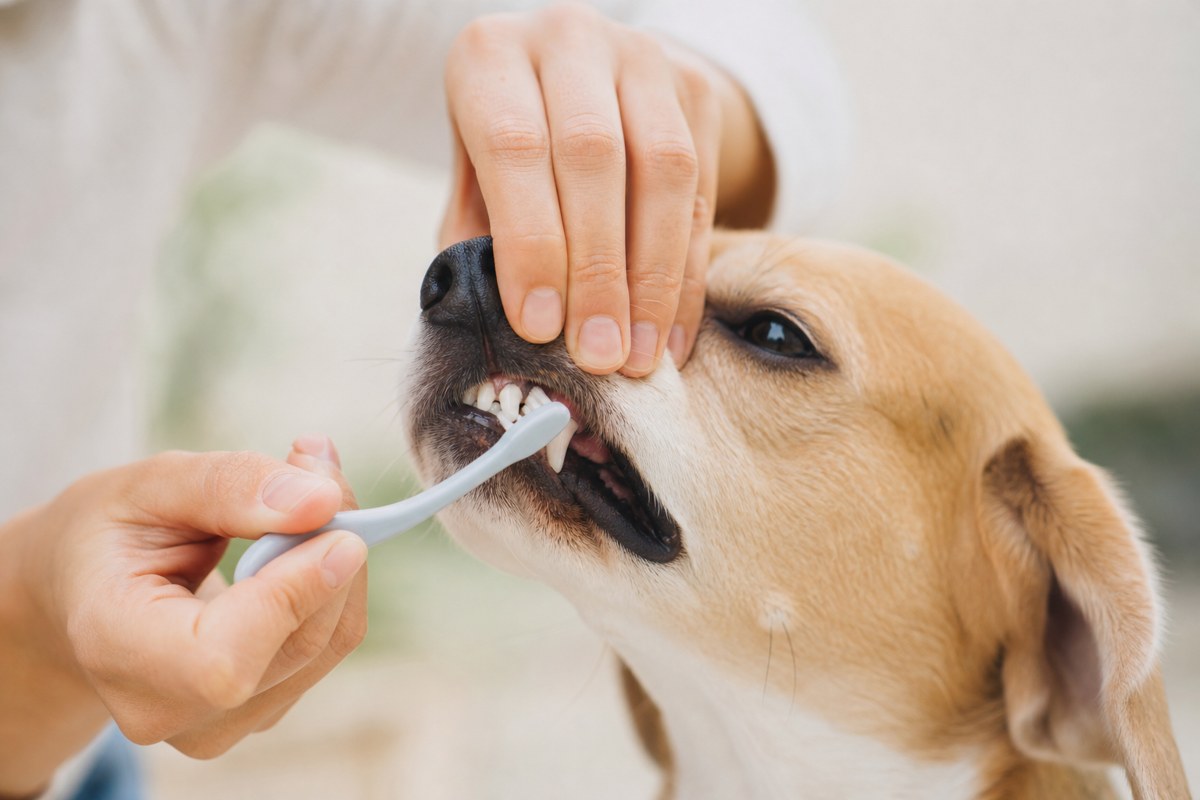
Quick answer: Daily brushing with a dog toothbrush and dog toothpaste is the best home care for helping prevent dental disease in dogs. Choose a brush that fits your dog’s mouth, brush gently along the gumline, and pair home care with regular veterinary dental exams and cleanings when your vet recommends them.
Dental disease is one of the most common health problems in dogs. Plaque can harden into tartar, irritate the gums, and over time lead to pain, infection, and tooth loss. Small breeds are especially prone to it, which we know well from living with a senior Yorkie.
The good news is that daily brushing can make a real difference. In this guide, we cover how to choose a dog toothbrush, how to brush safely, what other dental tools can help, and when mouth problems need a veterinary visit. If your dog already has mouth odor, this guide pairs well with bad breath causes and fixes.
Why dental care matters for dogs
A healthy mouth does more than protect your dog’s smile. Teeth and gums affect comfort, eating, play, and day to day quality of life. Many dogs keep eating even when their mouth hurts, so dental trouble can be easy to miss until it is fairly advanced.
Plaque is the sticky film that forms on teeth every day. If it is not removed, it can harden into tartar. Tartar sits at and under the gumline, where it can irritate the gums and support bacterial growth. Over time, some dogs develop gingivitis, periodontal disease, loose teeth, and painful chewing.
Home brushing helps remove plaque before it hardens. It does not replace a veterinary dental exam, and it cannot clean below the gumline the way professional dental care can, but it is the most effective home routine for most dogs. Dental care is especially important in small breeds, older dogs, and any dog with a history of mouth trouble. You may also notice dental changes as part of broader common dog health problems.

Choosing the right dog toothbrush and toothpaste
| Option | Best for | What to know |
|---|---|---|
| Finger brush | Small dogs, puppies, dogs new to brushing | Gives close control and a softer introduction. A finger toothbrush can be a good first step for nervous dogs. |
| Long handled angled brush | Medium and large dogs | The longer handle often helps you reach the back teeth more easily, especially the outer surfaces where tartar often builds. |
| Dual or triple headed brush | Dogs that tolerate brushing well | Can clean several tooth surfaces at once, but some dogs dislike the bulkier shape at first. |
| Small soft brush | Toy breeds and tiny mouths | A very small soft brush can work when standard dog brushes are too large. Many vets suggest a gentle, soft bristle style. |
| Dental wipes | Dogs that will not accept a brush yet | Useful for practice and light cleaning, but usually less effective than brushing for plaque removal along the gumline. |
Safe toothpaste rules every dog owner should know
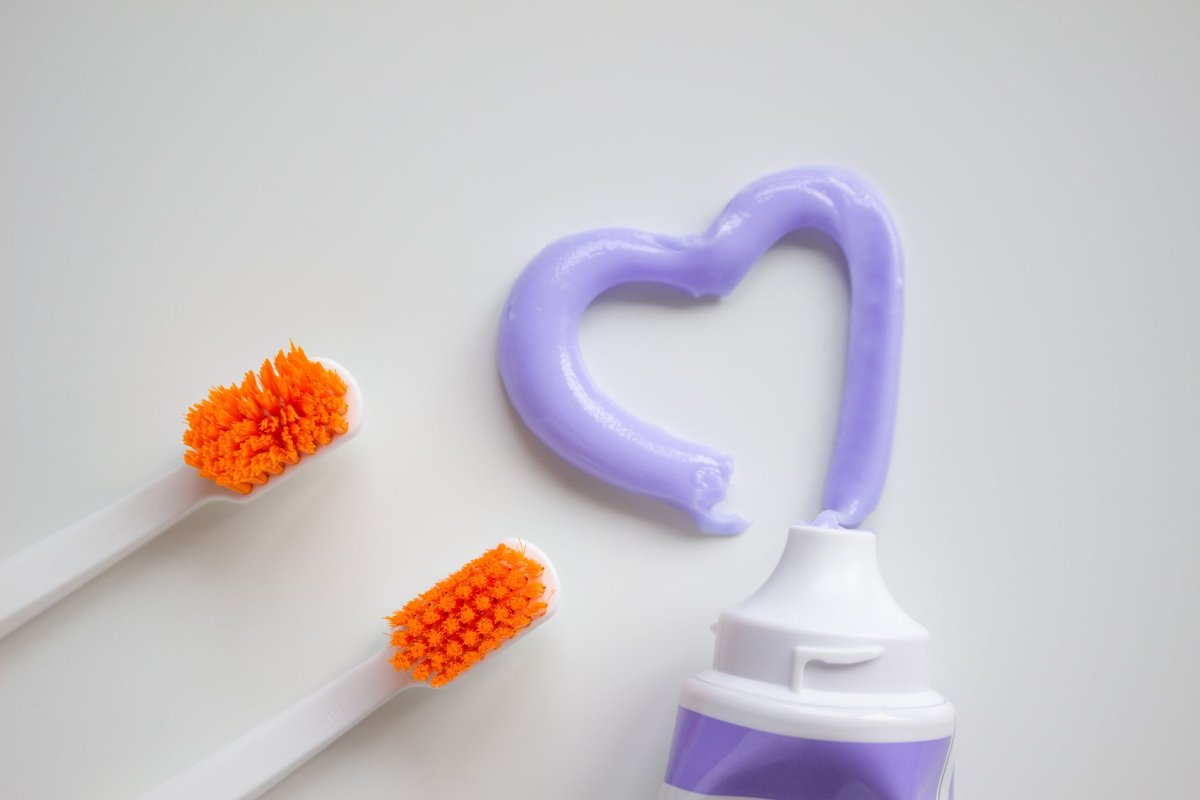
- Always use toothpaste made for dogs. Dog toothpaste is meant to be swallowed in small amounts during brushing.
- Never use human toothpaste. Some human products can contain xylitol, which is toxic to dogs. Human toothpaste may also contain fluoride and foaming ingredients that are not meant to be swallowed.
- Flavor matters more than many people expect. Poultry or peanut butter flavored dog toothpaste can make brushing easier because the smell and taste feel more rewarding to many dogs.
- A basic dog dental kit is often the simplest place to start because it gives you a brush and dog safe toothpaste that are made to work together.
- If your dog strongly resists the taste or texture, try another dog safe option rather than forcing it. The goal is a calm routine your dog will accept over time.
- Do not use gels, rinses, powders, or other dental products unless they are clearly made for dogs and your veterinarian feels they fit your pet’s needs. Dogs with sore mouths, heavy tartar, or bleeding gums may need a vet check before you start any home routine.
How to brush your dog’s teeth, step by step
- Pick a calm time of day. After a walk or a quiet play session often works well because your dog may be more relaxed.
- Let your dog taste a small amount of dog toothpaste from your finger. This helps turn brushing into something familiar instead of surprising.
- Gently lift the lips and touch the teeth and gums with your finger first. Keep sessions very short at the beginning.
- Introduce the brush with a little toothpaste on it and let your dog sniff or lick it. A starter dental kit can make this easy if you are building a new routine.
- Start with just a few front teeth. Use small circular motions along the gumline, where plaque tends to collect.
- Work toward the back teeth over several short sessions. Focus on the outside surfaces of the teeth because this is where tartar often builds up most in dogs.
- Keep pressure light. You are trying to wipe away fresh plaque, not scrub hard.
- Stop before your dog gets upset. Praise, petting, or play can help end on a good note. Many dogs do better when brushing feels like a normal daily habit, similar to other gentle care tasks like dog grooming at home.
- Aim for daily brushing if you can. If daily is not realistic, several times a week is still better than doing nothing.
Top pick
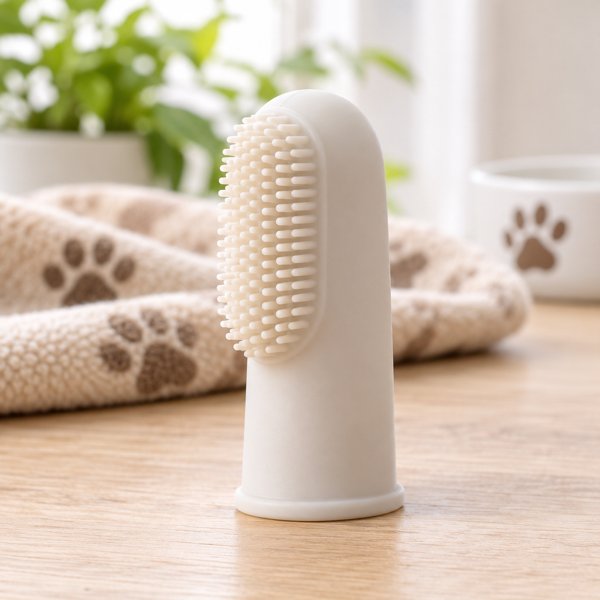
Finger toothbrushes
If your dog is new to brushing, a finger brush can make those first sessions feel gentler and easier to control. It is especially useful for small mouths and dogs that pull away from a longer handled brush.
- Gentle first step
- Close hand control
- Good for tiny mouths
Tips for puppies, seniors, and dogs that hate brushing
Puppies usually learn fastest when brushing is introduced in tiny, positive sessions. The goal at first is not a perfect cleaning. It is teaching your puppy that hands near the mouth, a lifted lip, and a toothbrush all predict calm praise and routine handling.
Older dogs can learn new dental habits too, but go carefully. If your senior dog suddenly resists mouth handling, turns away while eating, or seems tender on one side, have your vet check the mouth before you keep trying. Pain can make brushing stressful, and older small dogs can be especially prone to dental disease. Our own household has seen how much small breed care matters with a senior Yorkie, and we share more in life with a senior Yorkie.
For nervous dogs, start even smaller. You might spend a few days just touching the muzzle, then a few days lifting the lip, then a few days rubbing the teeth with a finger, and only later switch to a finger brush. If your dog is still uncomfortable, ask your veterinarian to look for painful teeth, gum disease, or another mouth problem.
Do not force the mouth open, pin your dog down, or continue if your dog is escalating to snapping, screaming, or intense avoidance. Some dogs need a slower plan or a professional behavior and veterinary review. Brushing should feel manageable, not like a wrestling match.

Good to have
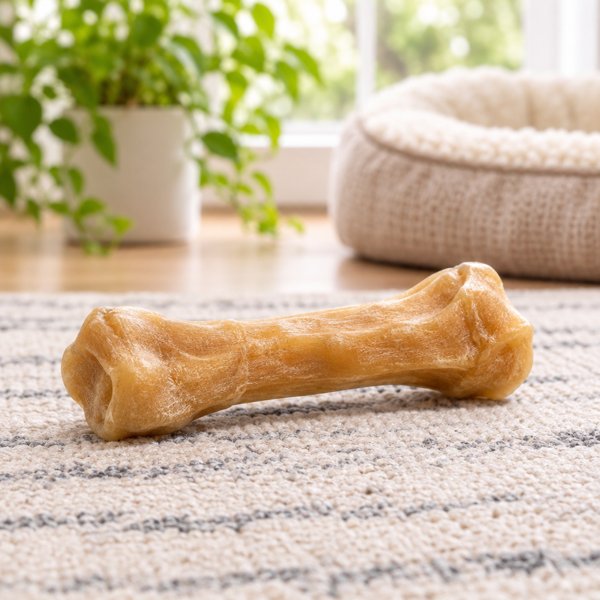
VOHC-accepted dental chews
VOHC accepted dental chews can support the brushing routine discussed in this section, especially on busy days. They are best used as an extra tool, not a replacement for a brush and dog safe toothpaste.
- Between brushing support
- VOHC seal option
- Simple daily add on
Other ways to support dental health between brushings
- Use brushing as the foundation, then add extras for support. A dog toothpaste kit handles the daily basics, while other tools can help between sessions.
- Look for dental chews and dental diets with the Veterinary Oral Health Council, or VOHC, seal. Many vets recommend these because the seal means the product met a standard for helping reduce plaque or tartar. VOHC dental chews can be useful for dogs who enjoy chewing and do not gulp treats whole.
- Schedule regular dental exams with your veterinarian. Yearly checks are common, and some dogs need more frequent attention depending on age, breed, and mouth health.
- Professional cleanings under anesthesia are sometimes needed. These allow cleaning below the gumline and dental X rays, which are important because a lot of dental disease is hidden under the gums.
- Avoid very hard chews, such as antlers, bones, and similarly hard objects that can fracture teeth. If you are unsure whether a chew is too hard, ask your vet what is appropriate for your dog’s chewing style and age.
- Pay attention to eating changes, chewing habits, and breath. Mouth odor can have dental causes, but it is not the only possibility. If breath changes suddenly or seems severe, review why dogs have bad breath and check with your veterinarian.
When to Call the Vet
- Bad breath that is new, strong, or getting worse
- Red, swollen, painful, or bleeding gums
- Brown tartar buildup, especially at the gumline
- Dropping food, chewing on one side, eating more slowly, or refusing hard food
- Pawing at the mouth, face rubbing, drooling more than usual, or yelping while eating
- Loose teeth, broken teeth, mouth swelling, or visible pus
- A dog that suddenly resists having the face or mouth touched
- Any mouth problem in a puppy that affects eating or normal behavior
- Prompt care is important if your dog may be in pain, cannot eat, has facial swelling, or is bleeding from the mouth. Do not give human pain relievers because many are unsafe for dogs.
Helpful Products
Also great
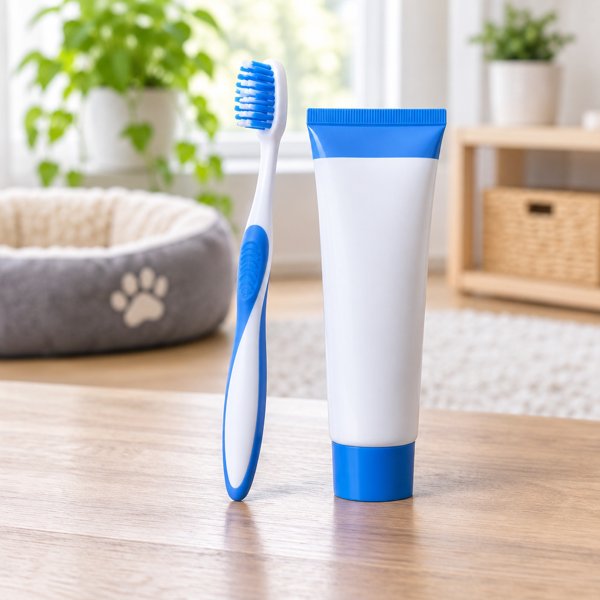
Dog toothbrush and toothpaste kits
A dog toothbrush and toothpaste kit is a simple starting point for households building a daily brushing habit. It keeps the basic tools together, helps the routine feel easier, and suits many dogs that are just learning dental care.
- Easy routine starter
- Dog safe toothpaste included
- Useful for most sizes
Finger toothbrushes
Finger toothbrushes suit small dogs and nervous pets that need a softer first step with brushing. They let you guide your hand closely, making it easier to clean teeth and help your dog get used to the process.
VOHC-accepted dental chews
Extra help between brushings.
Dog Toothbrushes And Dental Care FAQ
How often should I brush my dog’s teeth?
Daily is ideal because plaque forms every day. If daily is not realistic, several times a week can still help, but less often usually gives plaque more time to harden into tartar.
Can I use a human toothbrush on my dog?
Sometimes a very soft, child size brush can work for a very small dog if it fits the mouth comfortably. The more important rule is to never use human toothpaste, since some ingredients are unsafe for dogs to swallow.
Do dental chews replace brushing?
No. Dental chews can help reduce plaque or tartar for some dogs, especially products with the VOHC seal, but brushing is still the most effective home care for most dogs. For a similar look at oral care in another species, see dental problems in cats.
Is it too late to start brushing an older dog’s teeth?
No, many older dogs can learn to accept brushing. It is smart to have your vet check the mouth first, because painful teeth or gum disease can make brushing uncomfortable and may need treatment before home care starts.
The Bottom Line
A dog toothbrush, dog toothpaste, and a few calm minutes most days can go a long way toward preventing painful dental disease. Choose a brush that fits your dog’s mouth, build the habit slowly, and work with your veterinarian on exams and cleanings so home care and professional care support each other.
Keep reading: