Automatic Litter Boxes: Pros, Cons and Who They’re Right For
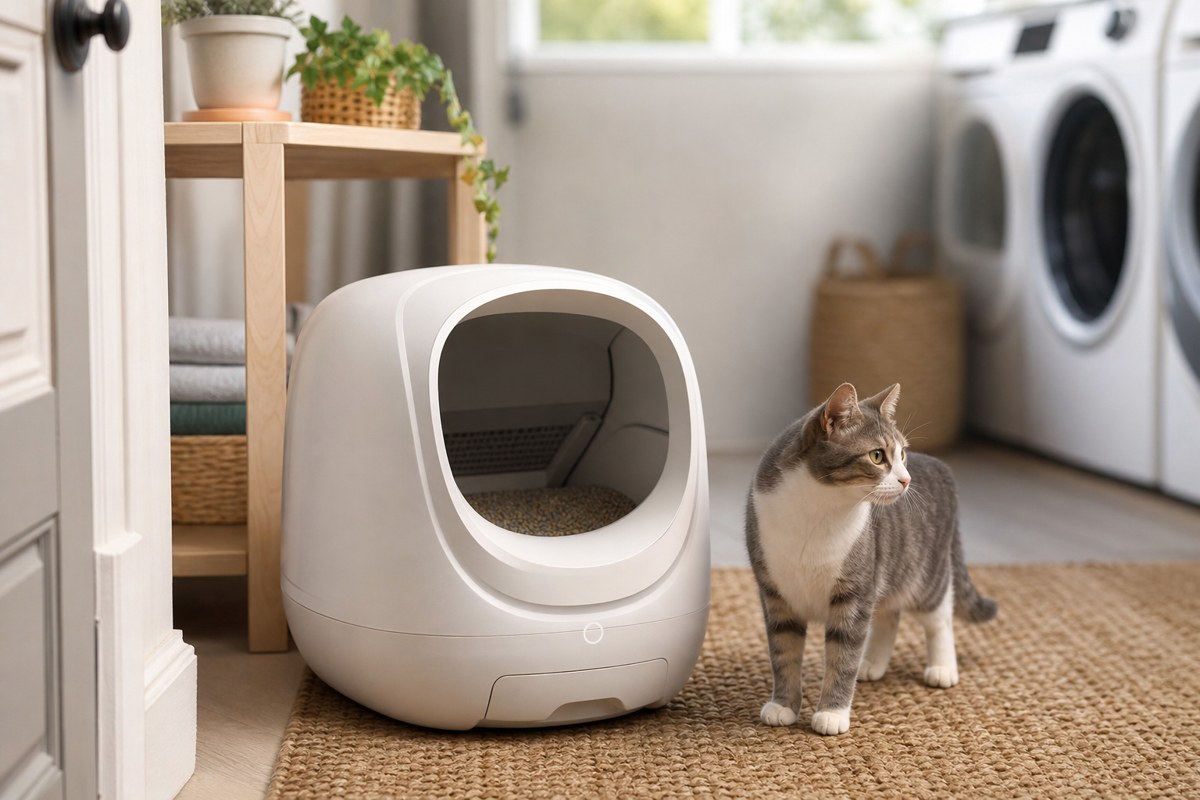
Automatic litter boxes keep waste moving into a sealed bin with less scooping, but they are best for confident adult cats, not every cat or every home.

Automatic litter boxes keep waste moving into a sealed bin with less scooping, but they are best for confident adult cats, not every cat or every home.
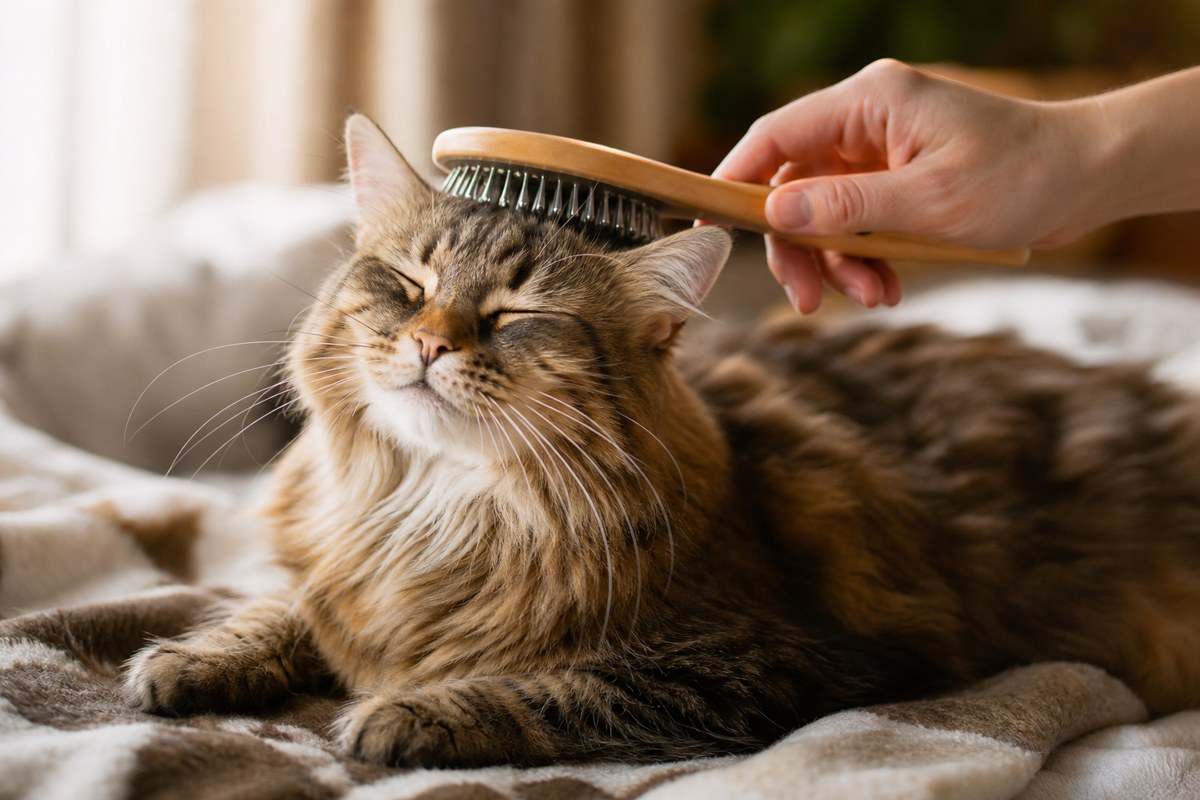
This complete cat care guide covers the basics cats need every day: balanced food, fresh water, clean litter boxes, play, grooming, vet care, and a safe, cat-friendly home.

Respiratory problems in cats are often mild colds, but coughing, wheezing, fast breathing, or open-mouth breathing can mean something more serious and should be checked by a veterinarian.

Parasites in cats include fleas, ticks, ear mites, worms and heartworm, and indoor cats can get them too. Learn the signs, prevention basics and when to see your vet.

Cat nutrition basics start with a complete and balanced cat food rich in animal protein. Most cats do best with measured meals, some wet food for moisture, and careful portion control.

Dental problems in cats are common and often hidden. The best prevention usually includes regular vet dental exams, professional cleanings when needed, and gentle home care like brushing with cat toothpaste.

Common cat health problems include dental disease, urinary trouble, vomiting, obesity, kidney disease, hyperthyroidism, diabetes, arthritis, infections and parasites. Early changes in eating, drinking, grooming or litter box habits often mean it is time to call your vet.
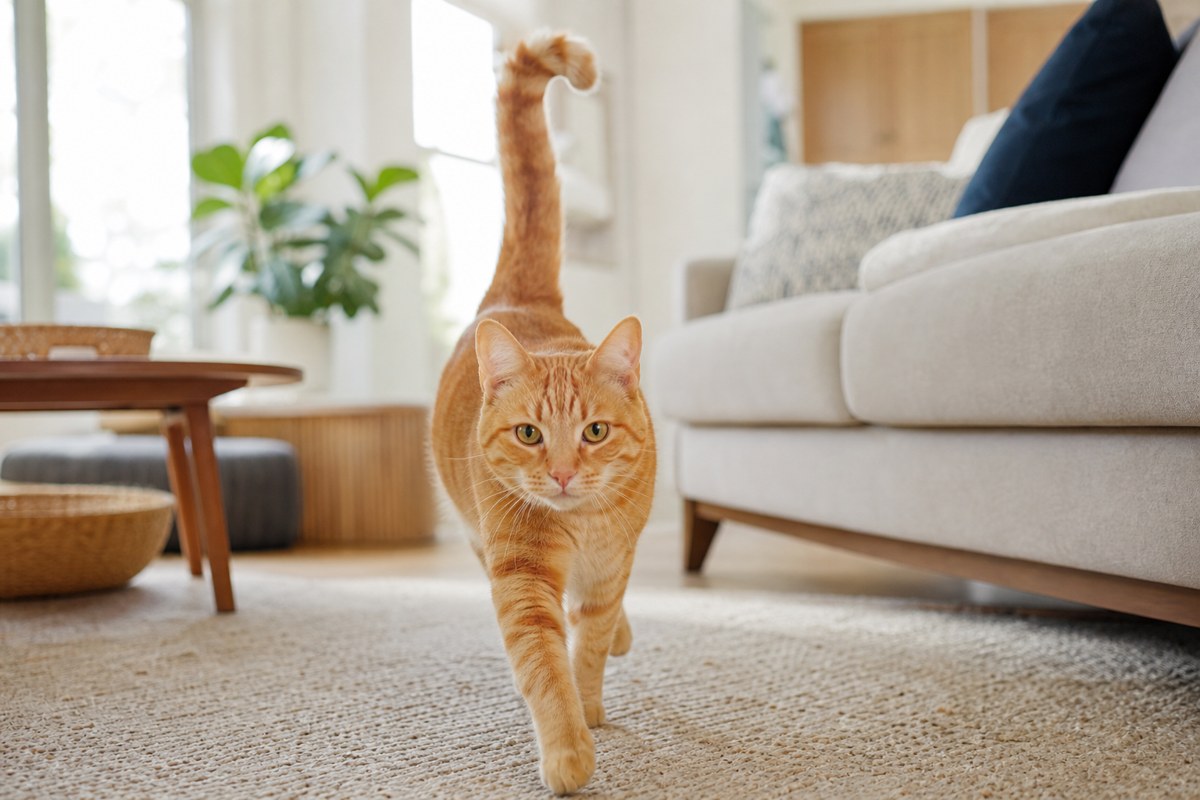
Why do cats wag their tails? Usually, a cat tail wag means focus, irritation, excitement, or overstimulation, not happiness. An upright tail is more often the friendly, relaxed signal most people are looking for.

Why do cats hiss? Usually, a hiss means your cat feels scared, stressed, cornered, or uncomfortable, and the best response is to give space, stay calm, and address the cause.

Why do cats growl? Usually it means your cat wants space and feels scared, cornered, protective, overstimulated, or painful. The best response is to stop, give space, and look for the trigger.