
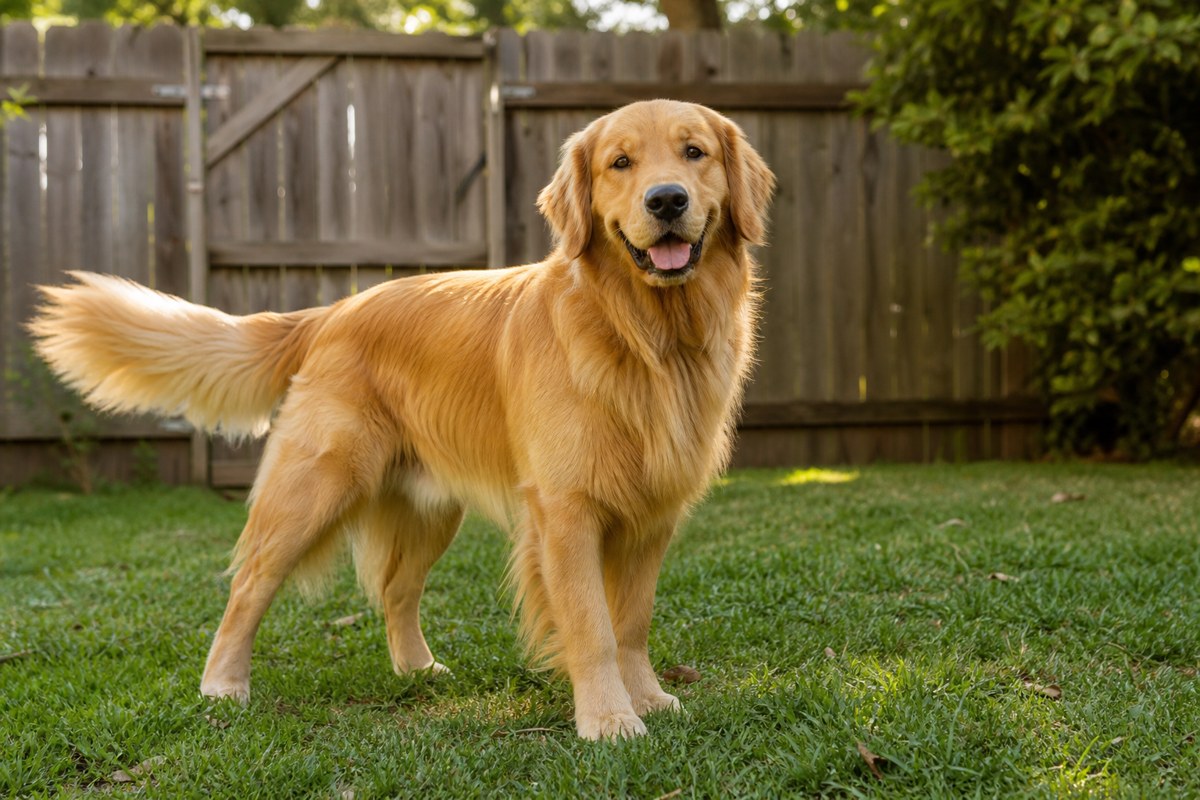
Quick answer: The best dog fence is one your dog can’t jump, climb, dig under or squeeze through. For most dogs that means a solid physical fence at least 4 feet tall (5 to 6 feet for big or athletic jumpers), with dig guards along the bottom if your dog digs.
A good fence gives your dog room to sniff, run and play without a leash, and gives you peace of mind. A bad fence is worse than none at all, because you’ll trust it right up until the day your dog finds the gap.
There’s no single best fence for every home. The right choice depends on your dog’s size and habits, your yard, your budget, and any HOA or city rules. Here’s how the main options compare and what to look for.
Start With Your Dog
- Size and jumping ability. Small dogs are often fine with a 3 to 4 foot fence. Medium and large dogs usually need 5 to 6 feet, and some athletic breeds can clear even that.
- Climbers. Some dogs use chain link like a ladder. A smooth-surfaced fence (wood or vinyl) is harder to climb.
- Diggers. Terriers, huskies and many bored dogs dig. Plan for an L-shaped wire footer or buried barrier along the base.
- Squeezers. Tiny dogs can slip through gaps in picket or rail fences. Check that openings are smaller than your dog’s head.
- Barkers and reactors. If your dog barks at everything that passes, a solid privacy fence that blocks the view often helps.
Dog Fence Types Compared
| Fence type | Best for | Watch out for |
|---|---|---|
| Wood privacy | Reactive dogs, climbers, privacy | Needs staining or sealing, can rot at the base |
| Vinyl | Low maintenance, clean look | Higher upfront cost, can crack in hard freezes |
| Chain link | Budget, large areas, visibility | Easy to climb, dogs can see (and bark at) everything |
| Aluminum or steel ornamental | Looks, durability | Gaps between bars can be too wide for small dogs |
| Welded wire or no-dig panels | Renters, temporary areas, small dogs | Not tall or strong enough for big jumpers |
| Wireless or in-ground electric | Large rural lots where fencing isn’t possible | Doesn’t keep other animals out, many dogs run through it, needs training |
Physical Fences vs. Invisible Fences
Invisible or wireless systems keep a dog in using a boundary signal and a receiver collar. They’re popular where HOAs ban fences, but they have real downsides. They don’t stop other dogs, wildlife or people from coming in. A determined or excited dog may run through the boundary, then refuse to cross back. Many trainers and veterinary behavior groups recommend reward-based training over methods that rely on correction, so it’s worth talking to a trainer before choosing one.
If you can install a physical fence, it’s almost always the safer, more reliable choice.
Features That Make Any Fence Safer
- Self-closing, self-latching gates. Most escapes happen at the gate, not over the fence.
- Dig guards. Bury hardware cloth or wire mesh along the base, or bend it into an L-shape on the inside.
- No launch pads. Move grills, trash cans, woodpiles and patio furniture away from the fence line.
- Regular walk-throughs. Check monthly for loose boards, rusted wire, gaps after storms and new holes.
- Supervision. Even a great fence isn’t a babysitter. Dogs left alone outside for long stretches get bored, and bored dogs dig, bark and escape.
Budget and Rules to Check First
Before buying anything, check your HOA covenants and local building code for height limits, approved materials and permit requirements. Call 811 before you dig so utility lines can be marked.
If a permanent fence isn’t possible, freestanding no-dig panels or an exercise pen can create a safe potty and play area, especially for small dogs. They work best with supervision.
Helpful Products
- No-dig dog fence panels: A renter-friendly option for small dogs and short-term areas.
- Dig guard fencing: Lines the bottom of a fence to stop diggers.
- Self-closing gate hinges: Helps make sure the gate never gets left open.
- Outdoor dog exercise pen: A portable safe zone for supervised yard time.
Frequently Asked Questions
How tall should a dog fence be?
Many small dogs do fine with a 3 to 4 foot fence. For medium and large dogs, 5 to 6 feet is a common recommendation, and strong jumpers may need the top angled inward or a taller fence.
How do I stop my dog from digging under the fence?
Bury wire mesh or hardware cloth along the base, or lay it flat in an L-shape on the inside of the fence. Giving your dog more exercise and a legal digging spot can also help.
Are invisible fences safe for dogs?
They contain some dogs, but they don’t keep other animals out and some dogs run through them. Talk to a trainer about whether one fits your dog, and consider a physical fence when possible.
What’s the cheapest dog fence?
Chain link and welded wire are usually the most affordable for large areas. No-dig panels are a low-cost option for small spaces and small dogs.
The Bottom Line
The best dog fence matches your dog, not just your yard. Figure out whether your dog is a jumper, climber, digger or squeezer, pick a fence that solves that problem, and don’t forget the gate. Add regular checks and supervision, and your dog gets safe, happy time outside.
Keep reading:
- Choosing the Perfect Dog Pen or Playpen for Your Pup
- Dog Leash Training: How to Teach Loose-Leash Walking
- Top 10 Dog Breeds for Active Families
As an Amazon Associate, we earn from qualifying purchases. This post contains affiliate links.