
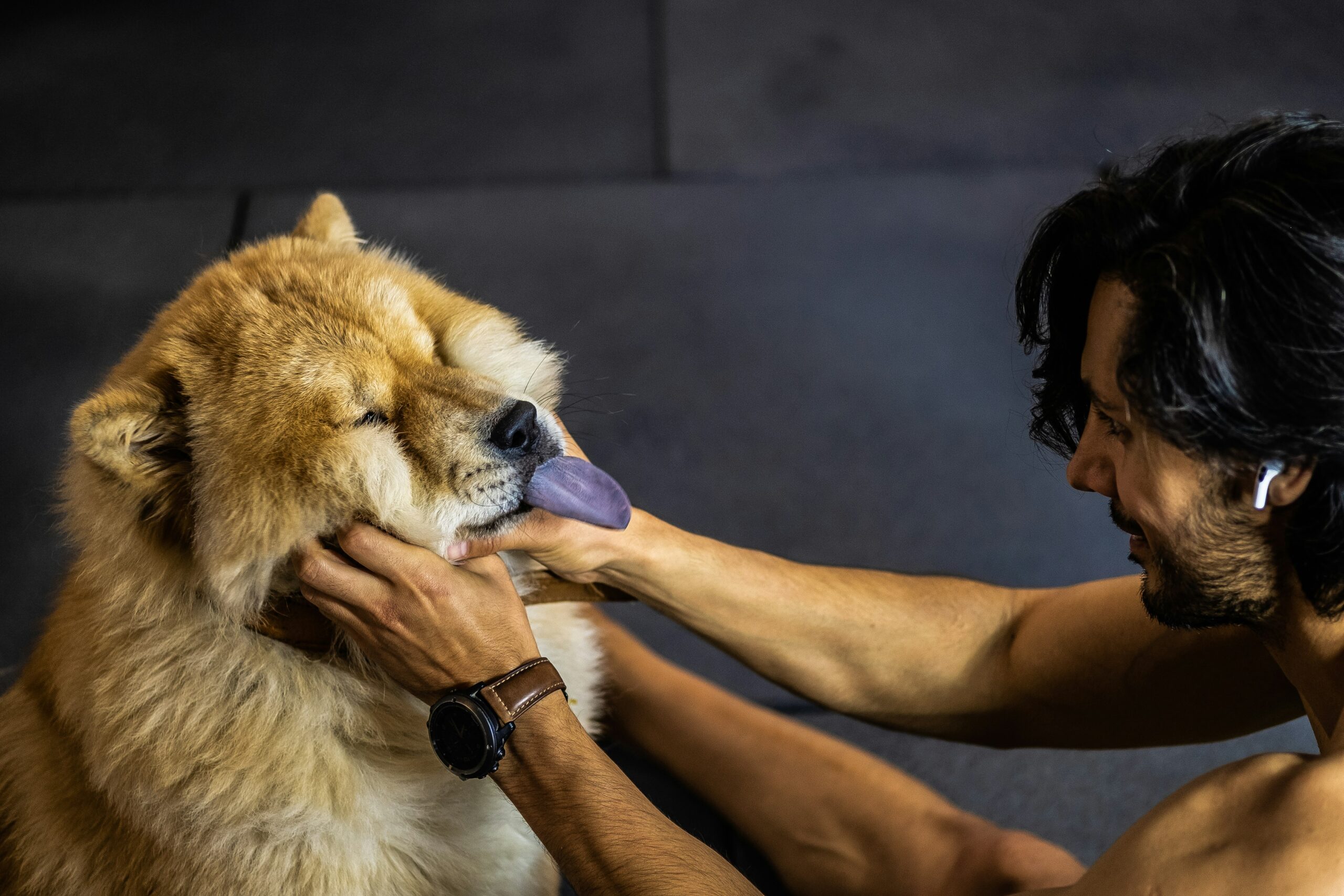
We understand the commitment involved in bringing a dog into our lives. It is a responsibility that extends beyond the initial excitement of a new companion. Our dogs rely on us for their well-being, and providing them with proper care ensures they lead healthy, fulfilling lives. This article aims to outline essential dog care tips that every owner should be familiar with, offering practical guidance for maintaining our canine friends’ health and happiness.
A well-balanced diet is paramount for our dogs’ overall health. What we feed them directly impacts their energy levels, coat condition, immune system, and longevity. We must be diligent in selecting appropriate food and establishing healthy eating habits.
Choosing the Right Food
Navigating the vast array of dog food options can be daunting. We recommend consulting with our veterinarian to determine the best dietary plan for our dog’s specific needs. Factors we consider include:
- Age: Puppies, adult dogs, and senior dogs have different nutritional requirements. Puppy food supports rapid growth, while senior formulas often address joint health and weight management.
- Breed Size: Large breeds often benefit from specific formulations designed to support bone and joint development, while smaller breeds may require food with smaller kibble sizes.
- Activity Level: Highly active dogs require more calories and protein than couch potatoes. We adjust their food intake to match their energy expenditure.
- Health Conditions: Dogs with allergies, sensitivities, or specific medical conditions may need specialized prescription diets. We always follow our vet’s guidance in these instances.
When examining dog food labels, we look for:
- High-Quality Protein Sources: Meat (chicken, beef, lamb, fish) should be among the first ingredients listed.
- Whole Grains or Complex Carbohydrates: Ingredients such as brown rice, oats, or sweet potatoes provide sustained energy.
- Healthy Fats: Omega-3 and omega-6 fatty acids contribute to healthy skin and coat.
- Absence of Artificial Additives: We steer clear of artificial colors, flavors, and preservatives.
Feeding Schedule and Portion Control
Consistency is key when it comes to feeding. We establish a regular feeding schedule, typically two meals a day for adult dogs, which helps regulate their digestive system. We always adhere to recommended portion sizes based on our dog’s weight, age, and activity level. Overfeeding can lead to obesity, a condition that contributes to numerous health problems including diabetes, joint issues, and heart disease. We use a measuring cup to ensure accurate portions, rather than estimating. If our dog appears to be gaining or losing weight unexpectedly, we consult our veterinarian to adjust their diet accordingly.
Treats in Moderation
Treats can be an effective training tool and a way to show affection, but we must use them sparingly. They should comprise no more than 10% of our dog’s daily caloric intake. We opt for healthy, low-calorie options and avoid giving them table scraps, which can be high in fat, salt, and potentially toxic ingredients like onions, garlic, or chocolate.
For those looking to enhance their dog’s comfort and well-being, understanding the basics of dog care is essential. A related article that provides valuable insights into creating a cozy space for your furry friend is available at this link: 10 Best Beds for Large Dogs. This resource offers a selection of the best dog beds tailored for larger breeds, ensuring they have a comfortable place to rest and relax.
Veterinary Care: Proactive Health Management
Regular veterinary check-ups are fundamental to our dog’s health. They allow for early detection of potential health issues, preventive treatments, and essential vaccinations. We view our veterinarian as a partner in our dog’s care journey.
Routine Examinations
We schedule annual wellness exams for our adult dogs, and more frequent visits for puppies and senior dogs. During these appointments, our veterinarian will:
- Perform a Physical Examination: This includes checking their eyes, ears, teeth, gums, skin, coat, and palpating their abdomen for any abnormalities.
- Assess Weight and Body Condition: We discuss any changes in weight or appetite, which can be indicators of underlying health concerns.
- Administer Vaccinations: We ensure our dogs are up-to-date on core vaccinations (rabies, distemper, parvovirus, adenovirus) and any non-core vaccinations recommended based on their lifestyle and geographic location (e.g., bordetella for dogs that frequent dog parks).
- Recommend Parasite Prevention: This includes discussing preventatives for fleas, ticks, heartworm, and intestinal parasites.
Vaccinations and Parasite Control
Vaccinations protect our dogs from common and often life-threatening diseases. We follow our veterinarian’s recommendations regarding vaccination schedules and booster shots. Similarly, consistent parasite control is imperative.
- Fleas and Ticks: These external parasites can cause skin irritation, allergic reactions, and transmit diseases like Lyme disease or Ehrlichiosis. We use veterinarian-prescribed oral medications or topical treatments year-round.
- Heartworm: Transmitted by mosquitoes, heartworm is a severe and potentially fatal parasitic disease. We administer a monthly heartworm preventative as directed by our veterinarian.
- Intestinal Parasites: Roundworms, hookworms, whipworms, and tapeworms can cause digestive upset and nutrient deficiencies. Regular fecal examinations help detect these, and deworming medication is administered as needed.
Dental Health
Dental disease is one of the most common health problems in dogs, impacting their overall health significantly. We recognize that poor oral hygiene can lead to pain, infection, and even organ damage.
- Professional Dental Cleanings: Our veterinarian recommends routine professional dental cleanings, which involve scaling and polishing the teeth under anesthesia. The frequency depends on our dog’s individual dental health.
- At-Home Dental Care: We aim to brush our dog’s teeth daily using a dog-specific toothbrush and toothpaste. Dental chews and water additives can supplement this, but they do not replace brushing our dog’s teeth or professional cleanings.
Exercise: A Healthy Body and Mind

Physical activity is vital for our dogs’ physical and mental well-being. It helps maintain a healthy weight, strengthens muscles and joints, and provides mental stimulation, reducing the likelihood of boredom-related destructive behaviors.
Daily Physical Activity
The amount of exercise our dog requires varies significantly based on their breed, age, and individual energy levels. We consider the following:
- Breed Predisposition: High-energy breeds like Border Collies or Jack Russell Terriers require extended periods of strenuous activity, such as long runs or agility training. Brachycephalic breeds (flat-faced) like Bulldogs or Pugs have respiratory limitations and require shorter, less intense walks, especially in warm weather.
- Age: Puppies have bursts of energy followed by long naps. We engage them in several short play sessions throughout the day. Senior dogs may benefit from shorter, more frequent, and gentler walks to avoid overexertion.
- Individual Needs: We observe our dog’s behavior and energy levels to gauge if they are receiving adequate exercise. Signs of insufficient exercise include restlessness, destructive chewing, or excessive barking.
Common forms of exercise we engage in include:
- Walks: Daily walks are a fundamental aspect of their exercise routine. We explore various routes to keep our walks engaging.
- Playing Fetch: This is an excellent way to expend energy in a shorter period.
- Off-Leash Play: If we have access to a secure, fenced area, off-leash play allows our dogs to run and explore freely. We prioritize safety and ensure our dog has a reliable recall before permitting off-leash activities in unfenced areas.
- Dog Parks: These can be great for socialization and exercise, but we always supervise our dog carefully and ensure they are comfortable in a group setting.
Mental Stimulation
Exercise is not solely about physical exertion; mental stimulation is equally important. Boredom can lead to behavioral issues. We incorporate activities that engage their minds:
- Puzzle Toys: These toys dispense treats as our dog manipulates them, providing a rewarding challenge.
- Training Sessions: Even short training sessions help reinforce good behavior and provide mental engagement.
- Scent Games: Hiding treats or toys and encouraging our dog to find them uses their natural scenting abilities.
- New Environments: Taking our dog to new places exposes them to novel sights, sounds, and smells, offering valuable mental enrichment.
Grooming: Maintaining Hygiene and Comfort

Regular grooming is essential for our dog’s hygiene, comfort, and overall health. It helps to keep their skin and coat healthy, prevents matting, and allows us to inspect for any abnormalities.
Brushing and Bathing
The frequency of brushing and bathing depends on our dog’s coat type and lifestyle.
- Brushing: Long-haired breeds require daily brushing to prevent mats and tangles. Short-haired breeds may only need brushing a few times a week to remove loose fur and distribute natural oils. Regular brushing also helps reduce shedding in the home.
- Bathing: We bathe our dogs as needed, using a dog-specific shampoo. Over-bathing can strip their natural oils, leading to dry skin and coat irritation. Unless our dog is particularly dirty, a bath every few weeks to once a month is generally sufficient.
Nail Trimming
Untrimmed nails can cause discomfort, pain, and even lead to skeletal problems. When our dog’s nails touch the ground, it pushes their paws out of alignment, causing splaying.
- Frequency: We aim to trim our dog’s nails every 2-4 weeks. We listen for the audible click of their nails on hard surfaces as an indicator that a trim is needed.
- Technique: We use sharp dog nail clippers and trim an individual dog nail tip, avoiding cutting the quick (the pink part containing blood vessels and nerves), as this can be painful and cause bleeding. If we are unsure, we consult our veterinarian or a professional groomer for guidance or assistance. Some dogs tolerate Dremel tools better than clippers for nail filing.
Ear Cleaning
Regular ear checks are important, especially for dogs with floppy ears, which can trap moisture and create an environment conducive to infections.
- Inspection: We routinely check for redness, swelling, discharge, or an unpleasant odor, which are all signs of infection.
- Cleaning: If our dog’s ears appear dirty, we use a veterinarian-approved ear cleaning solution and a cotton ball to gently wipe the visible parts of the ear canal. We avoid inserting anything deep into the ear, which can cause injury.
When it comes to ensuring your furry friend is happy and healthy, understanding the basics of dog care is essential. A great resource that complements this topic is an article that discusses how to choose the right dog for your family. This guide can help you make informed decisions about which breed fits best with your lifestyle and household dynamics. For more insights, you can check out the article here.
Training and Socialization: Creating a Well-Adjusted Companion
| Aspect | Details |
|---|---|
| Food | High-quality dog food, appropriate for the dog’s age, breed, and activity level |
| Water | Access to clean and fresh water at all times |
| Exercise | Regular physical activity such as walks, playtime, and mental stimulation |
| Grooming | Regular brushing, bathing, nail trimming, and dental care |
| Vaccinations | Up-to-date vaccinations and regular visits to the veterinarian |
| Socialization | Positive interactions with other dogs and people to prevent behavioral issues |
Training and socialization are crucial for developing a well-behaved and confident dog. They establish a clear communication framework between us and our dog, fostering a stronger bond and preventing behavioral problems.
Basic Obedience Training
Enrollment in basic obedience classes is highly recommended, especially for puppies. These classes provide a structured environment to teach essential commands and address common behavioral challenges. Key commands we prioritize include:
- Sit: A fundamental command useful for manners and control.
- Stay: Teaches impulse control and keeps our dog in position.
- Come (Recall): A critical command for safety, especially during off-leash activities.
- Lie Down: A calming command often used for relaxation.
- Heel (Loose-Leash Walking): Prevents pulling on the leash, making walks more enjoyable for everyone.
Consistent, positive reinforcement training methods are most effective. We use treats, praise, and toys to reward desired behaviors, making training a positive experience for our dog. We avoid punishment-based techniques, which can damage trust and create fear. Short, frequent training sessions are more effective than long, infrequent ones.
Socialization
Proper socialization during puppyhood (between 3 and 16 weeks of age, after receiving initial vaccinations) is vital for our dog’s long-term behavior. It involves safely exposing our puppy to a wide variety of people, places, other well-behaved dogs, and different sounds and experiences. The goal is to help them develop into confident, well-adjusted adults who are comfortable in various situations.
- Controlled Exposure: We ensure every new experience is positive. If our puppy appears anxious, we remove them from the situation and try again later with lower intensity.
- Exposure to Different People: Introductions to people of various ages, genders, and appearances (e.g., wearing hats, glasses) help prevent fear or aggression towards strangers.
- Interactions with Other Dogs: Safe playdates with vaccinated, friendly dogs teach appropriate canine social conduct. Puppy classes often include supervised playtime, which is beneficial.
- Exposure to Sounds and Environments: Gradually exposing our dog to common household noises (vacuum cleaner), traffic sounds, and different surfaces (grass, pavement, stairs) helps them adapt to the world around them.
Socialization is an ongoing process throughout our dog’s life, though the critical window is during puppyhood. We continue to provide positive experiences and opportunities for our dog to interact with the world around them to maintain their social skills.
Addressing Behavioral Issues
As responsible owners, we understand that behavioral issues can arise. These often stem from a lack of training, insufficient exercise, boredom, anxiety, or underlying medical conditions.
- Early Intervention: We address behavioral problems as they emerge, rather than allowing them to become ingrained habits.
- Professional Help: For complex or severe behavioral issues, such as aggression or severe anxiety, we seek the guidance of a certified professional dog trainer or a veterinary behaviorist. They can help identify the root cause of the behavior, develop a tailored modification plan utilizing appropriate behavior modification techniques, and rule out any underlying medical problems contributing to the issue.
- Patience and Consistency: Modifying behavior requires patience, consistency, and a clear understanding of canine communication. We ensure all family members are on board with the training plan to avoid confusion for our dog.
We recognize that dog ownership is a continuous learning experience. By diligently applying these essential care tips, we can ensure our dogs live healthy, happy, and fulfilling lives as cherished members of our families. Our commitment to their well-being is the greatest gift we can offer them.
FAQs
What are the basic needs for dog care?
Dogs require regular exercise, a balanced diet, grooming, and regular veterinary check-ups to maintain their health and well-being.
How often should I walk my dog?
Most dogs need at least 30 minutes to 2 hours of exercise each day, depending on their breed, age, and health. It’s important to provide regular walks and playtime to keep your dog physically and mentally stimulated.
What should I feed my dog?
A high-quality, balanced diet is essential for your dog’s health. This should include a mix of protein, carbohydrates, fats, vitamins, and minerals. It’s best to consult with a veterinarian to determine the best diet for your dog’s specific needs.
How often should I groom my dog?
Grooming needs vary depending on the breed, but most dogs require regular brushing, nail trimming, ear cleaning, and occasional baths. It’s important to establish a grooming routine to keep your dog clean and comfortable.
Why is regular veterinary care important for dogs?
Regular veterinary check-ups are crucial for monitoring your dog’s overall health, preventing diseases, and addressing any health concerns early on. Vaccinations, parasite control, and dental care are also important aspects of veterinary care for dogs.