Owning a Dog: Answers to the Most Common Questions

Thinking about getting a dog? Here are straightforward answers to the most common questions about owning a dog, from cost and time to training, vet care and choosing a breed.

Why do cats and dogs do the things they do? Bad behavior can be fixed with older pets but it is always best to start training early with your puppy or kitten.
Thinking about getting a dog? Here are straightforward answers to the most common questions about owning a dog, from cost and time to training, vet care and choosing a breed.

Dogs chew their feet and nails because of itching, overgrown nails, injuries, dry skin or anxiety. Learn what causes foot chewing, how to help, and when it needs a vet.
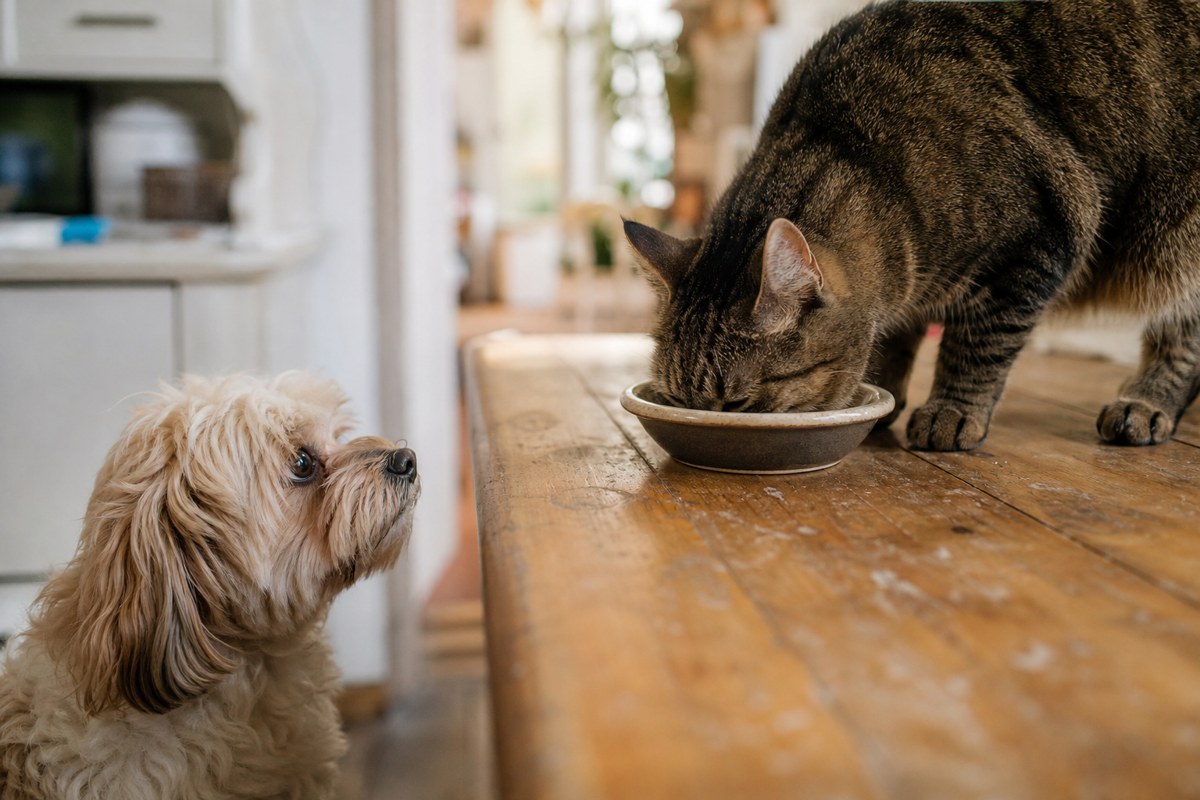
Dogs love cat food because it’s richer in protein and fat. A few bites usually aren’t harmful, but regular cat food can cause stomach upset, weight gain and worse. Here’s how to keep dogs out of the cat bowl.

Dogs dream during REM sleep, just like people, and likely replay their day. Learn how dog sleep works, how much sleep dogs need, and why puppies and seniors dream more.

Eating poop (coprophagia) is common in dogs and often behavioral, but it can be linked to diet or health issues. Learn why dogs eat poop, the risks, and practical ways to stop it.
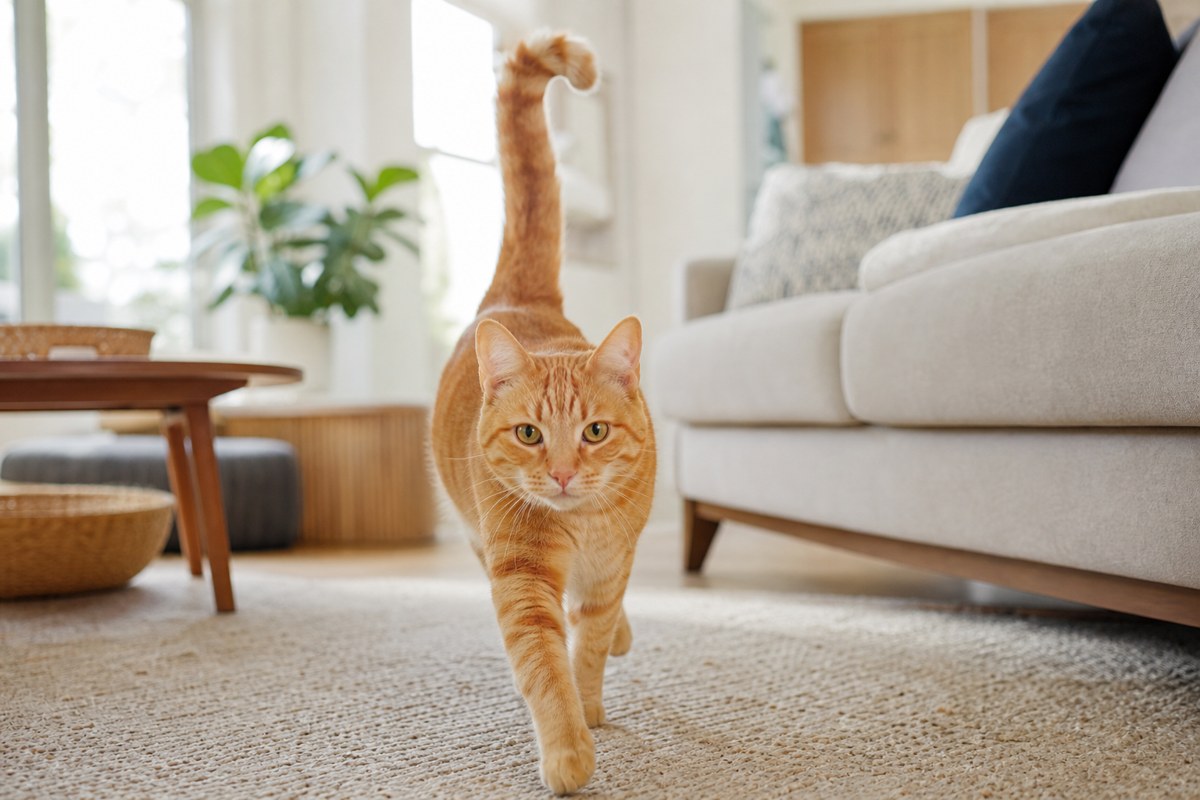
Unlike dogs, a cat wagging its tail is usually not happy. Learn what tail swishing, thumping, twitching and a straight-up tail mean so you can read your cat’s mood.

Cats hiss when they feel scared, threatened, in pain or annoyed. Learn what hissing means, common triggers like new pets and vet visits, and how to help your cat feel safe.
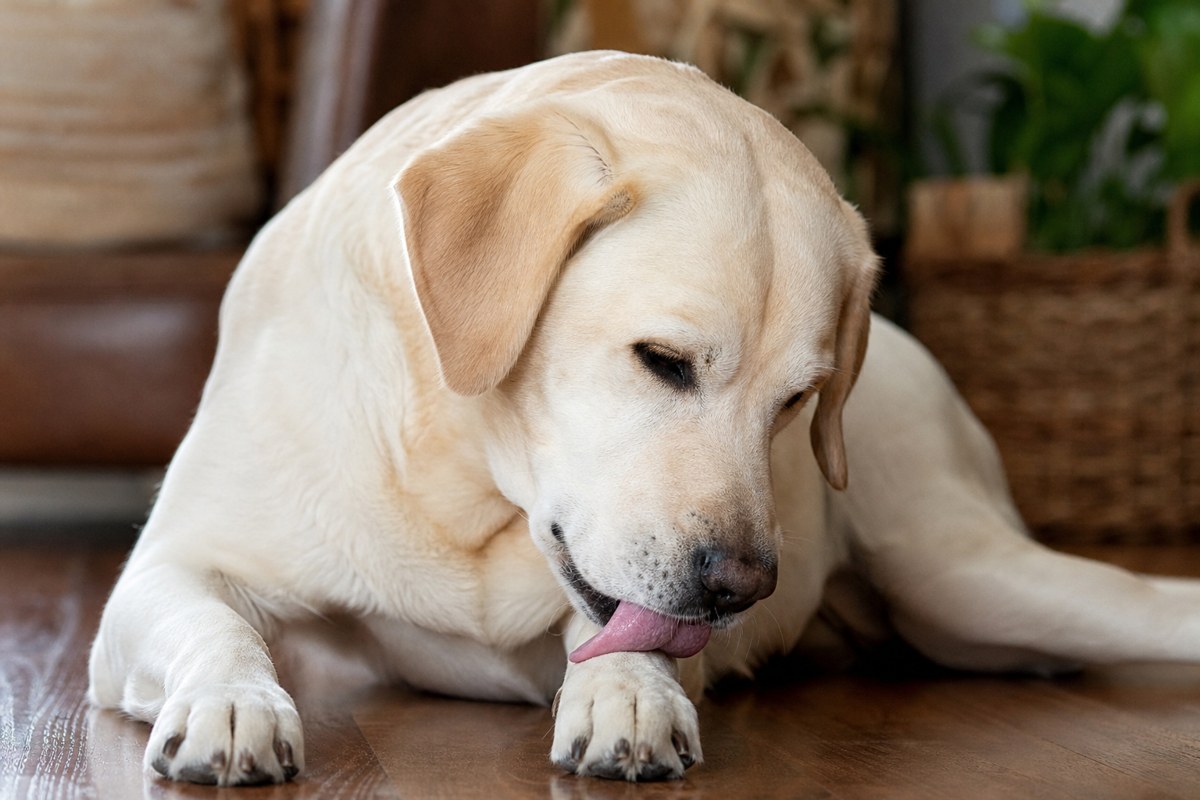
Dogs lick their paws to clean them, but frequent paw licking often points to allergies, injuries, dry skin, winter salt or anxiety. Learn the causes, home care tips and when to see the vet.
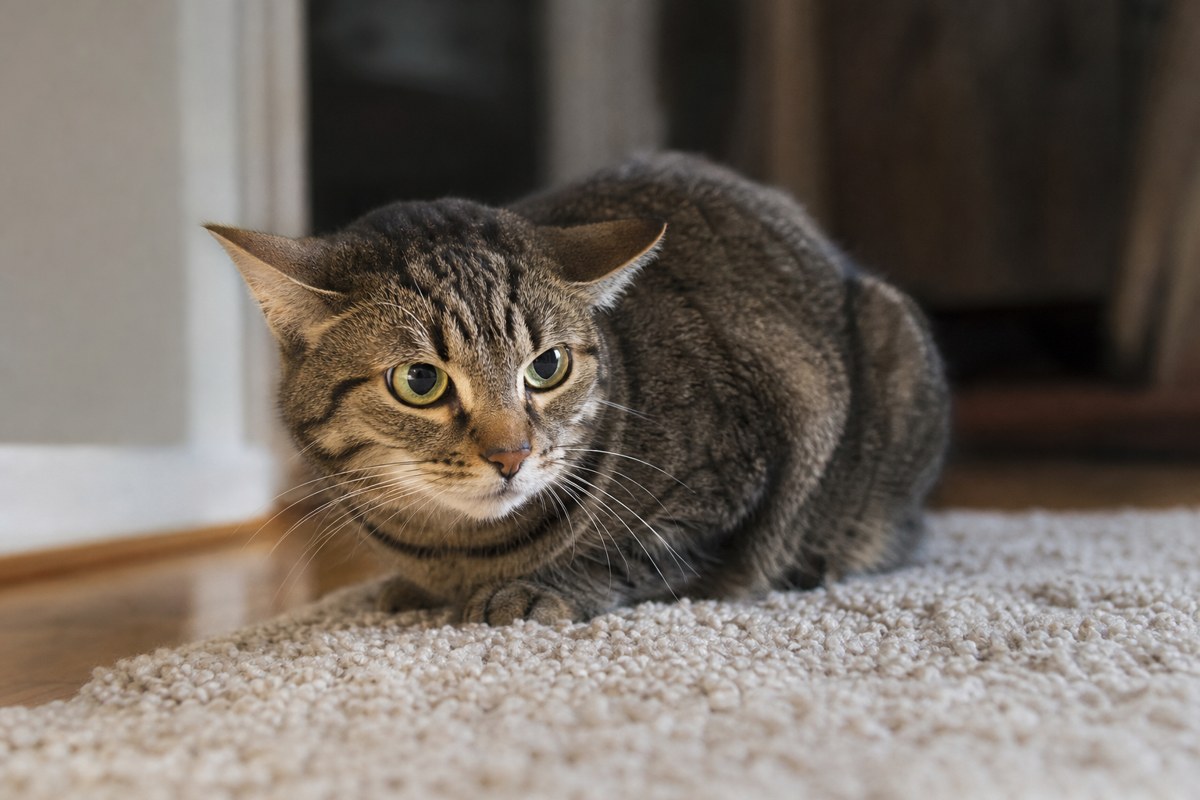
A cat’s growl is a clear warning that they feel threatened, scared, in pain or protective. Learn what causes growling, how to read your cat’s body language, and how to respond safely.
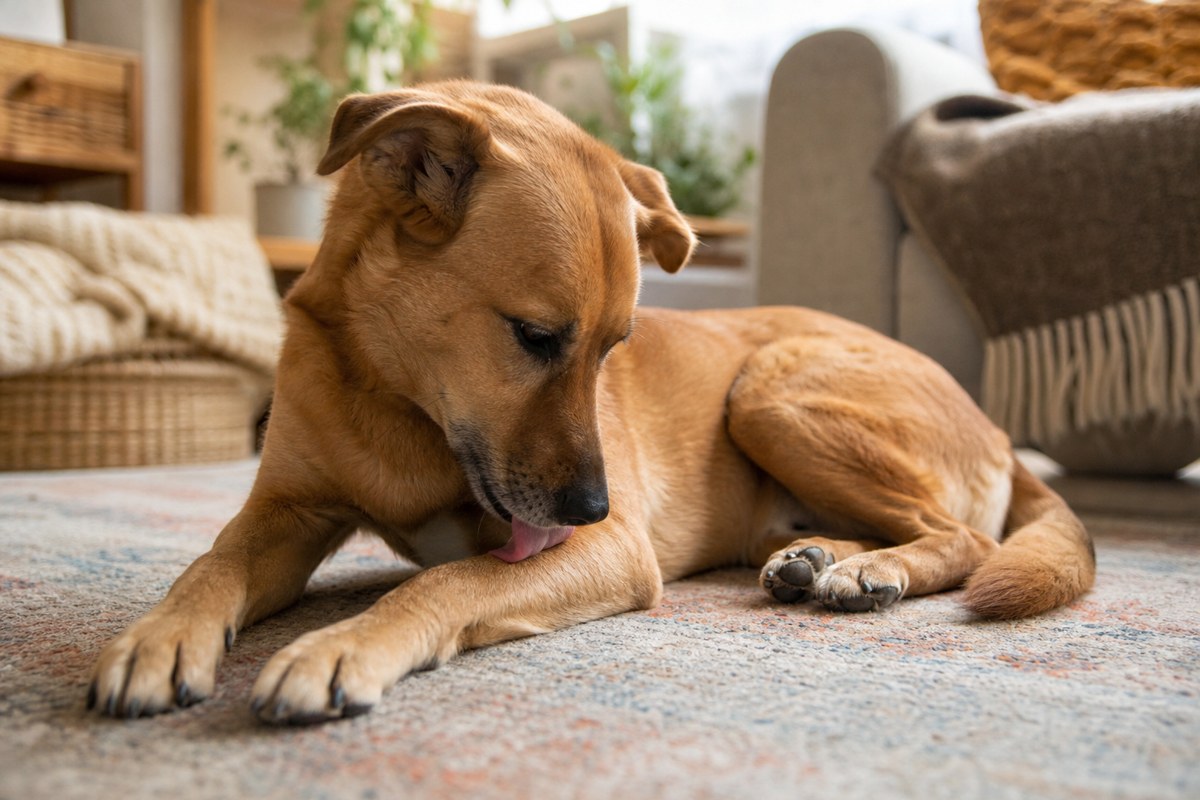
Dogs lick themselves to groom, but excessive licking can point to allergies, pain, parasites, skin infections or anxiety. Learn what’s normal, what isn’t, and when to see your vet.