Why Do Cats Vomit? Common Causes and When to Call the Vet
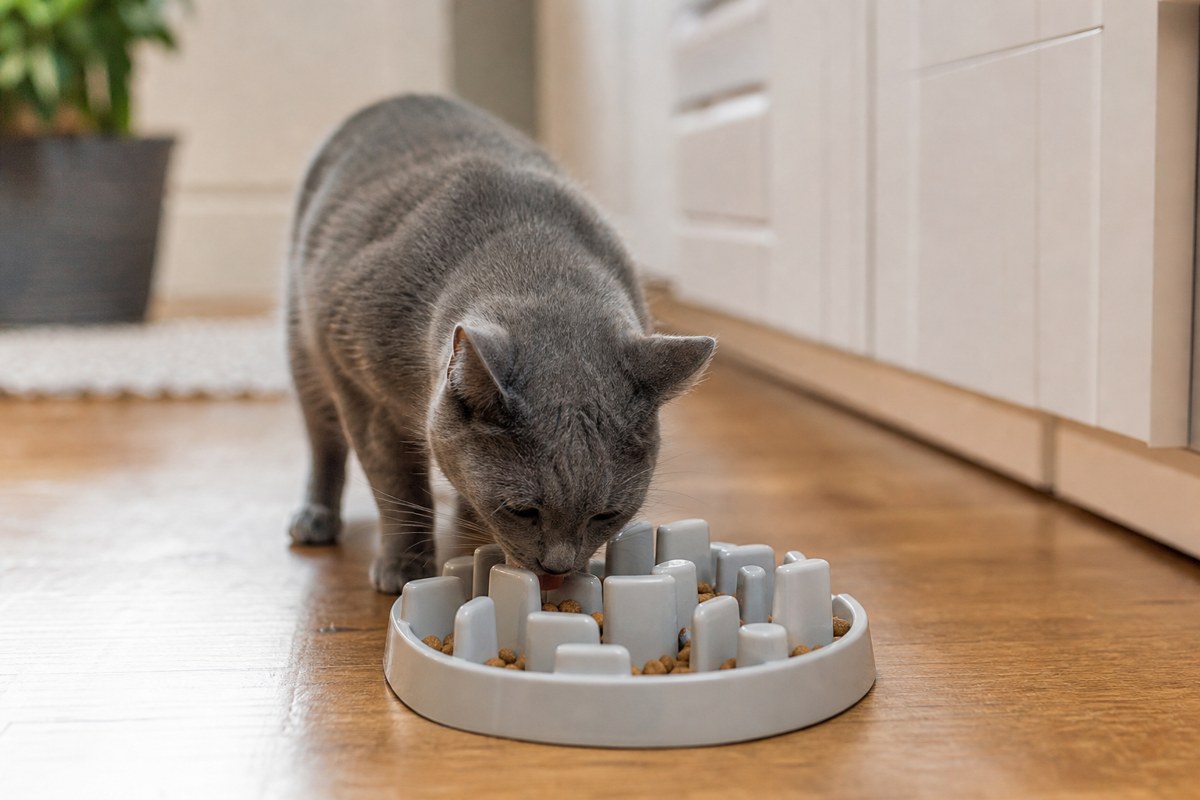
Cats vomit for many reasons, from eating too fast and hairballs to food sensitivities and illness. Learn the common causes, what you can do at home, and the signs that need a vet right away.
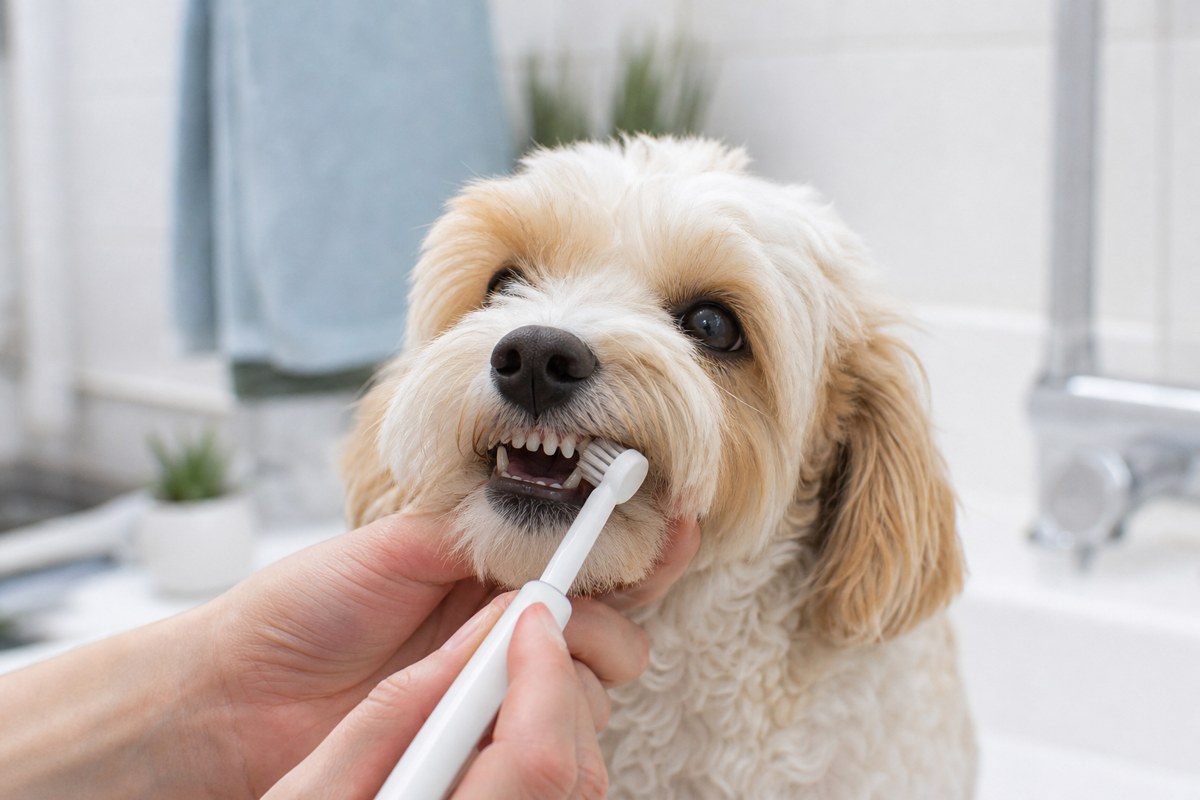
Why do cats and dogs do the things they do? Bad behavior can be fixed with older pets but it is always best to start training early with your puppy or kitten.
Cats vomit for many reasons, from eating too fast and hairballs to food sensitivities and illness. Learn the common causes, what you can do at home, and the signs that need a vet right away.
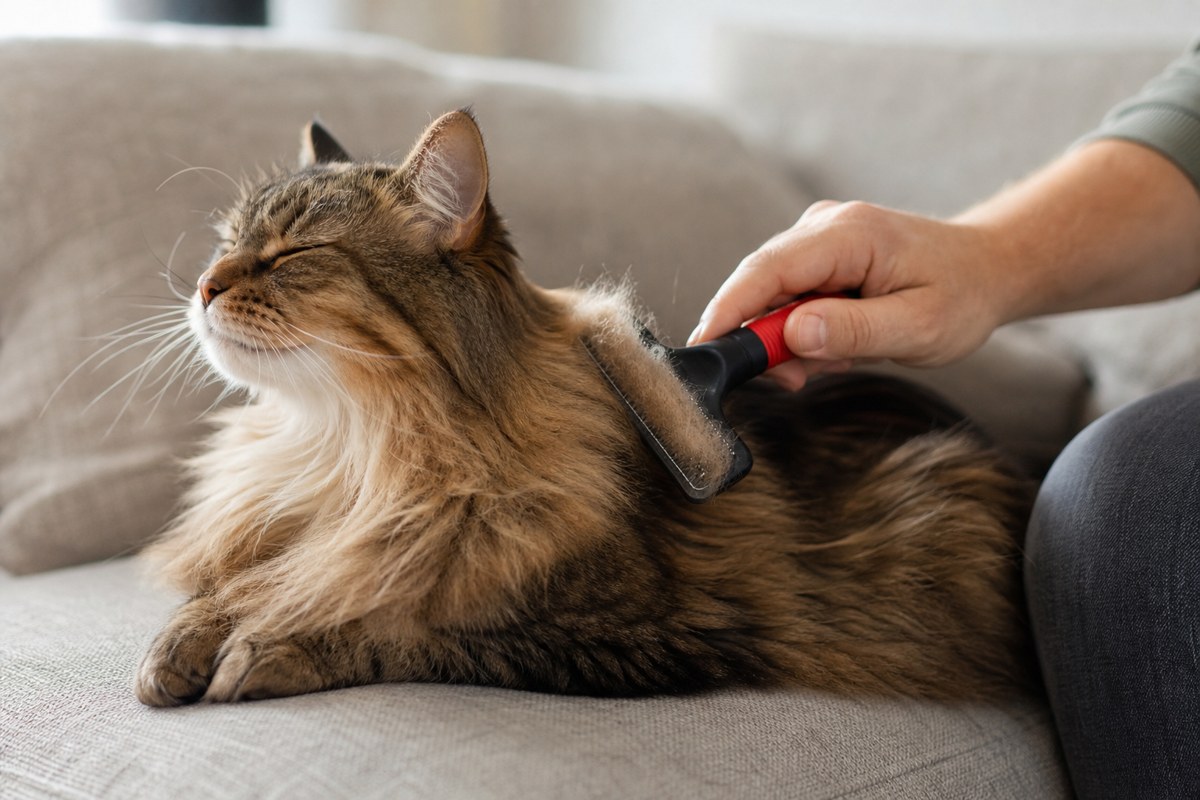
Bad breath in dogs is most often caused by dental disease, but it can also signal other health problems. Learn the causes, what different smells mean, and how to keep your dog’s breath fresh.
Cats get hairballs from swallowing fur while grooming. Occasional hairballs can be normal, but frequent ones aren’t. Learn the causes, how to reduce hairballs, and the warning signs of a blockage.
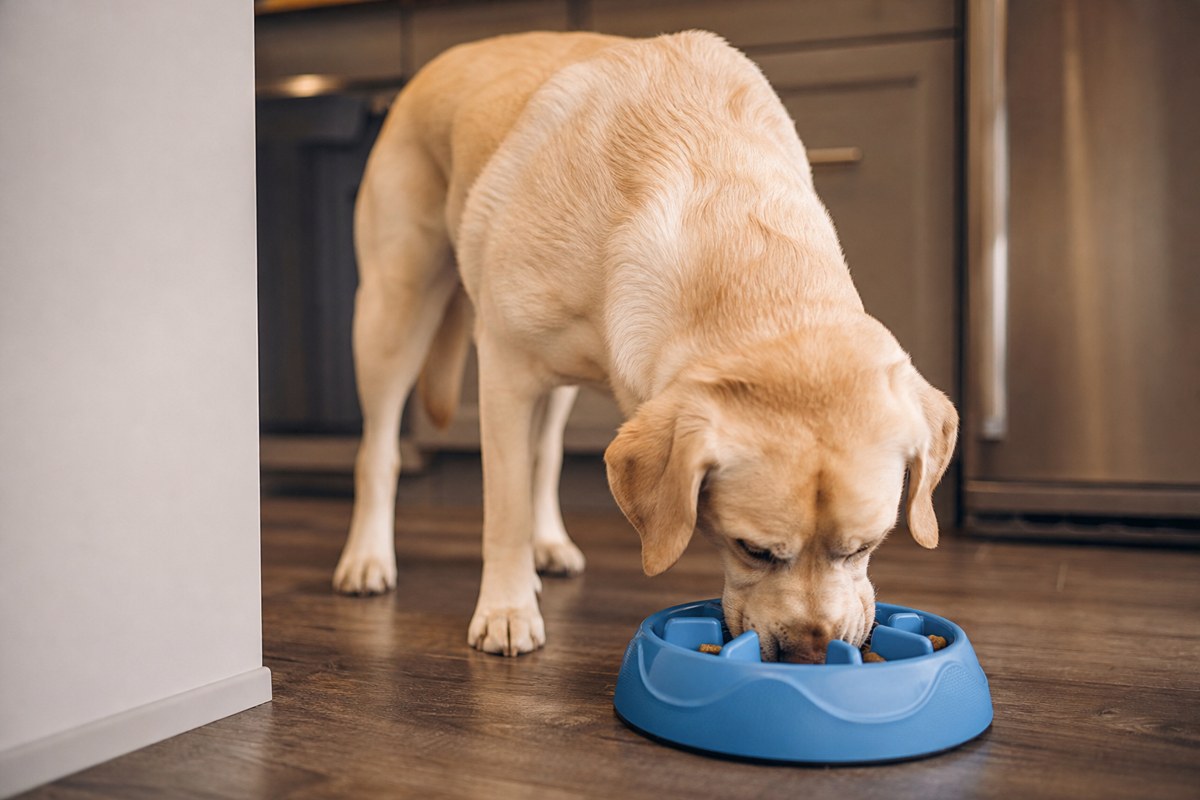
Dogs overeat because of instinct, boredom, free-feeding, too many treats and sometimes medical issues. Learn why your dog acts starving, how to prevent overeating, and when to call the vet.
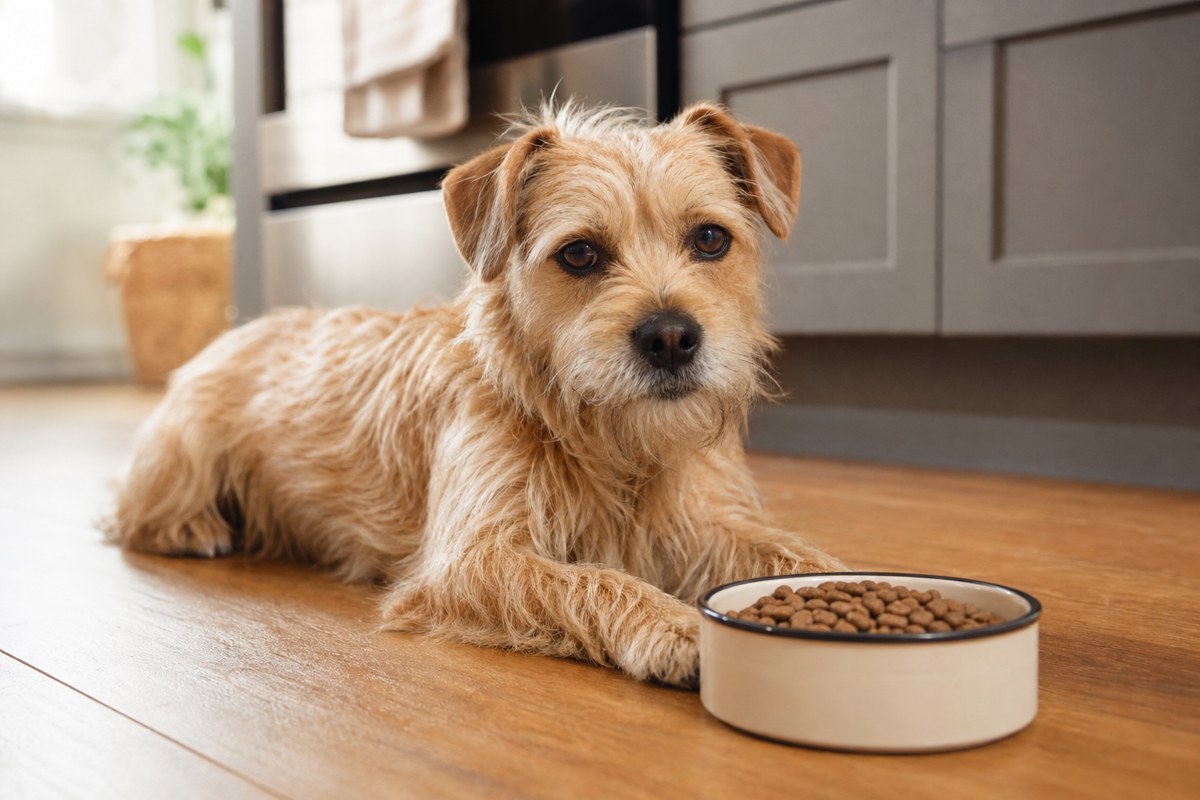
A dog that won’t eat may be stressed, picky, or sick. Learn the common causes of appetite loss in dogs, what you can try at home, and the signs that mean you should call the vet.
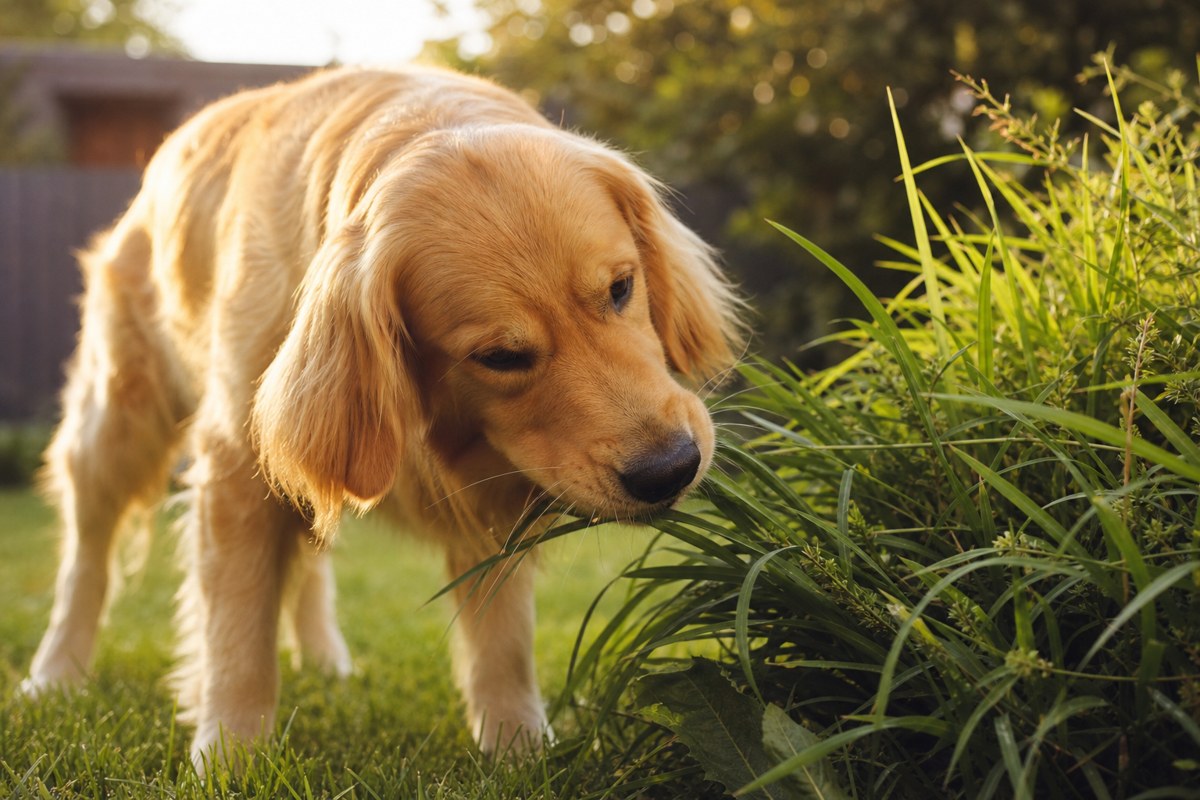
Eating grass is common and usually normal for dogs. Learn the likely reasons dogs eat grass, when it might signal an upset stomach, and how to keep grazing safe from lawn chemicals.
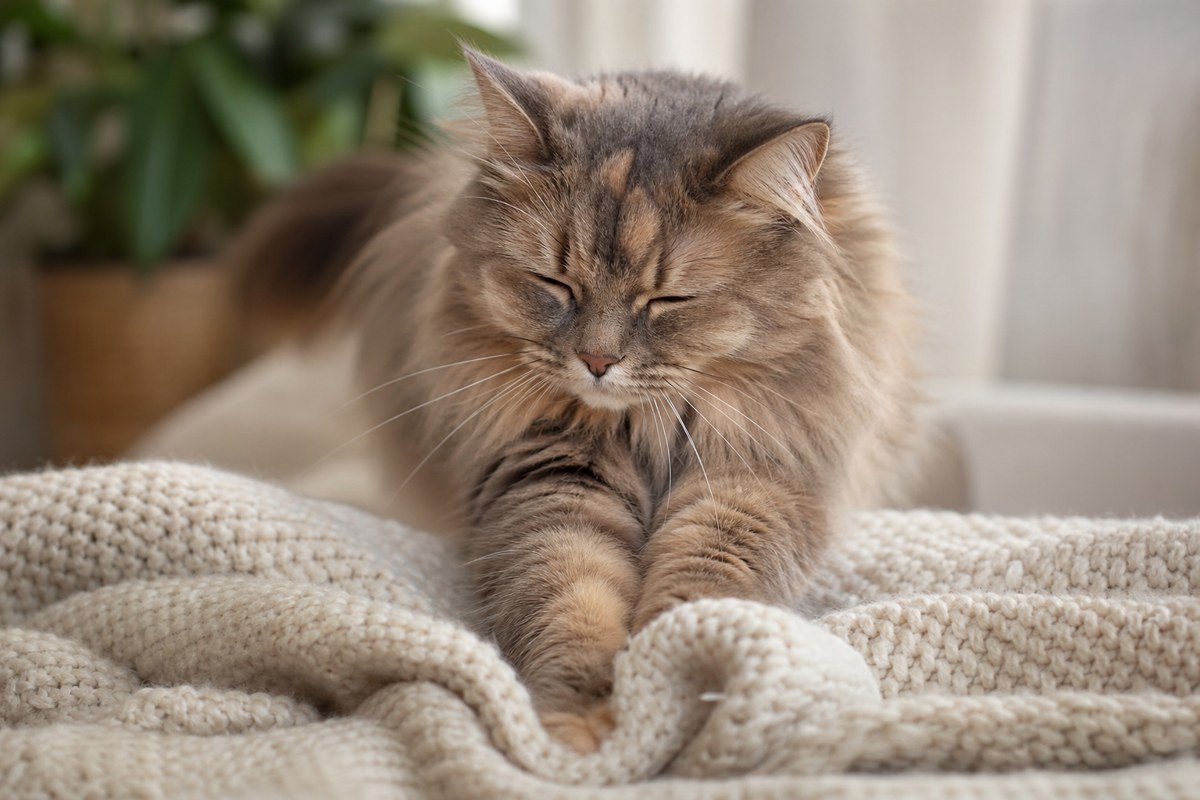
Cats knead, or ‘make biscuits,’ because of kittenhood nursing instincts, comfort, scent marking and nesting. Learn why cats knead, what it means when they knead you, and how to handle sharp claws.
Dogs often twitch, paddle their legs or ‘run’ in their sleep during dreaming (REM) sleep. Learn why it happens, how to tell normal sleep movements from a seizure, and when to call the vet.