
As an Amazon Associate, we earn from qualifying purchases. This post contains affiliate links.
Quick answer: Many dogs overeat because of instinct, habit, boredom, easy access to food, and lots of treats or table scraps. A sudden increase in appetite, especially with weight loss, more drinking, more urination, or other changes, should be checked by a veterinarian.
Some dogs act hungry all the time. They inhale meals, beg at every snack, and seem ready to eat again right after breakfast.
That can be common, but it still matters. Overeating can lead to unhealthy weight gain, and extra weight is linked to problems like arthritis, diabetes, and a shorter life. The good news is that there are practical ways to manage it at home.
Why dogs overeat in the first place
Many dogs overeat for normal, everyday reasons. Instinct is a big one. Dogs’ ancestors did not know when the next meal would come, so eating while food was available helped them survive. A lot of pet dogs still seem wired that way, even when food is always nearby.
Some dogs are also more food driven than others. Breed tendencies can play a role. Labrador Retrievers are well known for being strongly motivated by food, and research has found a gene variant in some Labs that is linked to stronger hunger. That does not mean every Lab will overeat, but it helps explain why some dogs seem extra focused on food.
Routine matters too. Free-feeding, where a bowl stays full all day, makes it hard to know how much a dog is really eating. Treats and table scraps can quietly add a lot of calories, especially for small dogs. Dogs also learn fast, so if begging sometimes earns a bite from the table, begging often gets stronger. If you share people food, it helps to know what is safe first. Our guides to safe and toxic human foods for dogs and turkey safety for dogs cover common questions.
Boredom, stress, and competition can add to the problem. A dog with very little to do may focus on food because it is rewarding and predictable. In multi-pet homes, dogs may gulp meals or hover around bowls because they worry another pet will get the food first. If your dog keeps heading for the cat’s dish, why dogs eat cat food explains why that happens and how to manage it.
When a bigger appetite can be a medical issue
A strong interest in food is not always just behavior. If your dog’s appetite suddenly increases after being pretty steady before, many vets would want to rule out a health problem. Bigger appetite can happen with conditions such as diabetes, Cushing’s disease, intestinal parasites, poor absorption of nutrients, or side effects from some medications, including steroids.
Try to look at the whole picture, not just the food bowl. Increased hunger matters more if it comes with weight loss, increased drinking, increased urination, vomiting, diarrhea, changes in energy, a potbellied look, changes in muscle condition, or a different coat quality. Those patterns can point to something medical rather than simple food enthusiasm.
It is best not to guess or try human remedies. Many human medicines are toxic to dogs, and appetite changes are too broad to sort out at home. If the change is sudden, marked, or comes with other symptoms, call your veterinarian and describe exactly what you are seeing.
How to tell if your dog may be overweight
- You cannot easily feel the ribs under a thin layer of fat.
- There is little or no visible waist when you look from above.
- The belly does not tuck up when you look from the side.
- Your dog gets tired quickly on walks or seems less eager to move.
- Weight has crept up even though your basic routine has not changed much.
- Your veterinarian gives your dog a high body condition score or recommends a target weight.

Top pick
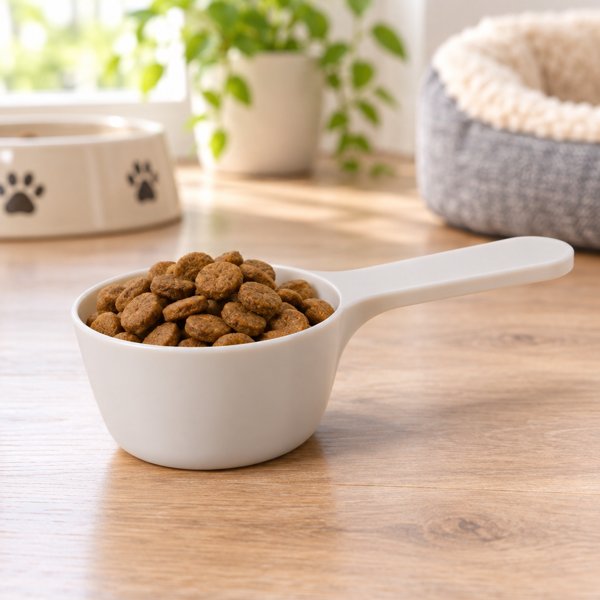
Food measuring scoops
If you are trying to match your feeding plan to what actually lands in the bowl, a measuring scoop can help. It makes portions easier to repeat from meal to meal, which is useful when you are watching weight and treats closely.
- Easy portion control
- Supports routine feeding
- Simple daily use
What to do at home to reduce overeating
- Measure every meal. Use a measuring cup or a food scoop, and serve the same amount each time. Food bag directions are only a starting point. Many vets adjust portions based on ideal weight, body condition, age, activity level, and the specific food.
- Feed scheduled meals instead of free-feeding. Set regular meal times so your dog learns when food is coming. If your schedule is uneven, an automatic feeder can help keep timing more consistent.
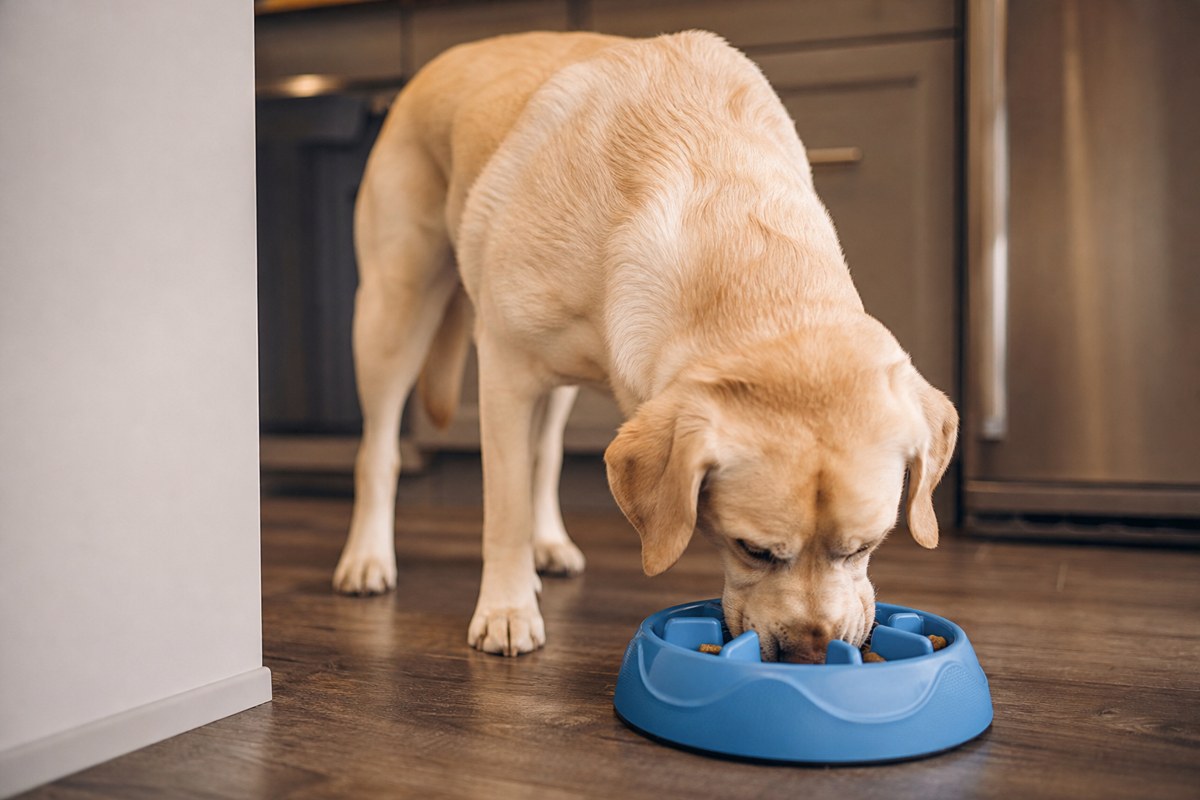
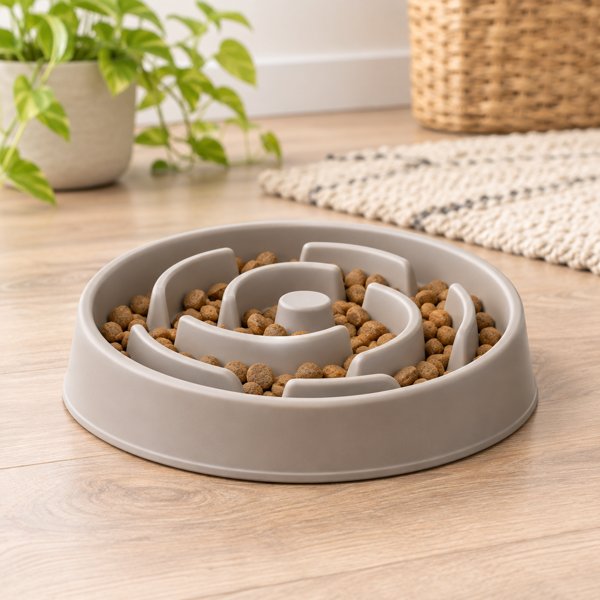
- Slow down fast eaters. A slow feeder bowl can make gulping less frantic by making dogs work around ridges or patterns. Some dogs also do better when the same daily food amount is split into two or three smaller meals.
- Count treats honestly. A common guideline is to keep treats to about 10 percent of daily calories. That includes training treats, chew calories, and little bites from the table. If your vet says it fits your dog’s diet, lower calorie options such as plain green beans or small carrot pieces may help.
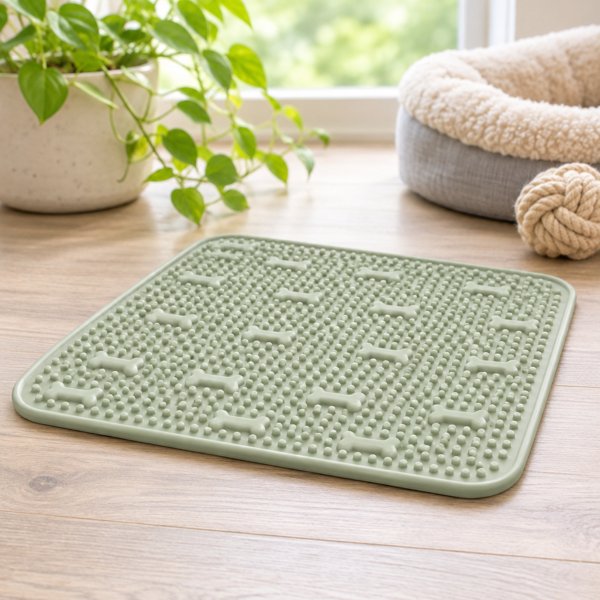
- Use enrichment that does not pile on many extra calories. A lick mat can make part of a regular meal last longer. Walks, sniffing games, short training sessions, and indoor pet activities can also help when boredom is feeding the problem.
- Feed pets separately when there is competition. Different rooms, baby gates, or close supervision can stop racing and stealing. In homes with both dogs and cats, blocking access to the cat’s bowl is often a big part of weight control.
- Talk with your vet before making a major diet change. Healthy weight loss in dogs usually needs a clear plan, regular progress checks, and patience. Crash dieting or cutting food too sharply can backfire.

Practical options that help most households
| Option | Best for | What to know |
|---|---|---|
| Measured meals with a food scoop | Any dog that begs or gains weight easily | Simple, low effort, and useful for nearly every feeding plan |
| Scheduled meals or an automatic feeder | Homes that need better routine | Helps keep meal timing steady and can reduce random extra feeding |
| A slow feeder bowl | Dogs that gulp or act frantic at meals | Slows eating pace, but you still feed the same total amount |
| A lick mat with part of the regular meal | Dogs that finish too fast and keep looking for more | Works best as enrichment, not as extra food on top of meals |
| Separate feeding areas | Multi-pet homes with bowl stealing or rushing | Helps prevent competition and makes intake easier to track |
Good to have
Lick mats
For dogs that finish meals fast and keep searching for more, a lick mat can stretch out part of the regular ration. It gives your dog a calmer food activity and can make a feeding routine feel less rushed.
- Extends mealtime activity
- Encourages calmer licking
- Useful for enrichment
Overeating versus getting into food
There is a difference between a dog who always seems hungry and a dog who gets into the trash or eats a very large amount at once. A binge like that can cause more than a stomachache. Dogs may vomit, get diarrhea, or run into more serious trouble depending on what they ate and how much.
Large meals can be especially dangerous for deep-chested breeds because of bloat, also called GDV. Warning signs can include a swollen belly, repeated unproductive retching, heavy drooling, and restlessness. This is an emergency.
Prevention is mostly about management. Keep kibble bags sealed and out of reach. Use trash cans with secure lids. Put leftovers away quickly. If your dog tends to counter surf, gates, a crate, or a playpen can help during cooking and cleanup. Good daily habits matter too, and our essential dog care tips cover the basics.
Helpful Products
Also great
Slow feeder dog bowls
A slow feeder bowl suits dogs that gulp meals, beg right after eating, or seem overly worked up around food. It helps stretch mealtime and encourages a calmer pace, which can make portioned meals feel more satisfying.
- Slows fast eating
- Makes meals last longer
- Adds simple enrichment
Food measuring scoops
Helpful for pet parents who want clearer portions, food measuring scoops make it easier to serve the same amount each meal. They can support steady feeding habits when you are trying to manage a dog that begs or seems always hungry.
Lick mats
Long-lasting enrichment without many calories.
When to Call the Vet
- Your dog’s appetite suddenly increases and stays high for more than a day or two.
- Your dog seems much hungrier but is losing weight.
- There is increased drinking or increased urination along with a bigger appetite.
- There is vomiting, diarrhea, weakness, a potbellied look, or clear behavior changes.
- Your dog eats a very large amount of food at once, especially rich food, spoiled food, bones, or food packaging.
- You see a swollen abdomen, repeated retching without bringing anything up, drooling, pacing, or distress. Seek emergency veterinary care right away.
- Your dog suddenly stops eating after a period of overeating, or appetite changes just do not seem normal for your dog.
Why Do Dogs Overeat FAQ
Why does my dog act like he is always starving?
Often it is instinct, habit, boredom, or a naturally strong interest in food. Some dogs also learn that begging works. If the change is sudden, or comes with weight loss, more drinking, or other symptoms, call your vet.
Will a dog stop eating when full?
Not always. Many dogs keep eating as long as food is available, which is one reason measured meals often work better than a constantly full bowl. Relying on self-control alone usually does not work well for food-focused dogs.
How much should I feed my dog to prevent overeating?
It depends on your dog’s size, age, activity, body condition, and the food itself. The package is only a starting point. Your veterinarian can help fine-tune a daily amount based on ideal weight and can show you how to monitor progress safely.
Are slow feeders good for dogs that are food obsessed?
Often, yes. A slow feeder can help a dog eat more calmly and make meals last longer without adding extra calories. It does not replace portion control, but it can be a useful part of the plan. If your dog refuses it, seems frustrated by it, or has trouble eating from it, ask your vet what setup makes sense.
The Bottom Line
Most dogs that overeat are acting on instinct, routine, or opportunity, not true need. Measured meals, fewer extras, slower eating, more activity, and a clear feeding plan can make a real difference. If appetite changes suddenly or comes with other symptoms, let your veterinarian take a look.
Keep reading: