Why Do Cats Wag Their Tails? Reading Your Cat’s Tail Language
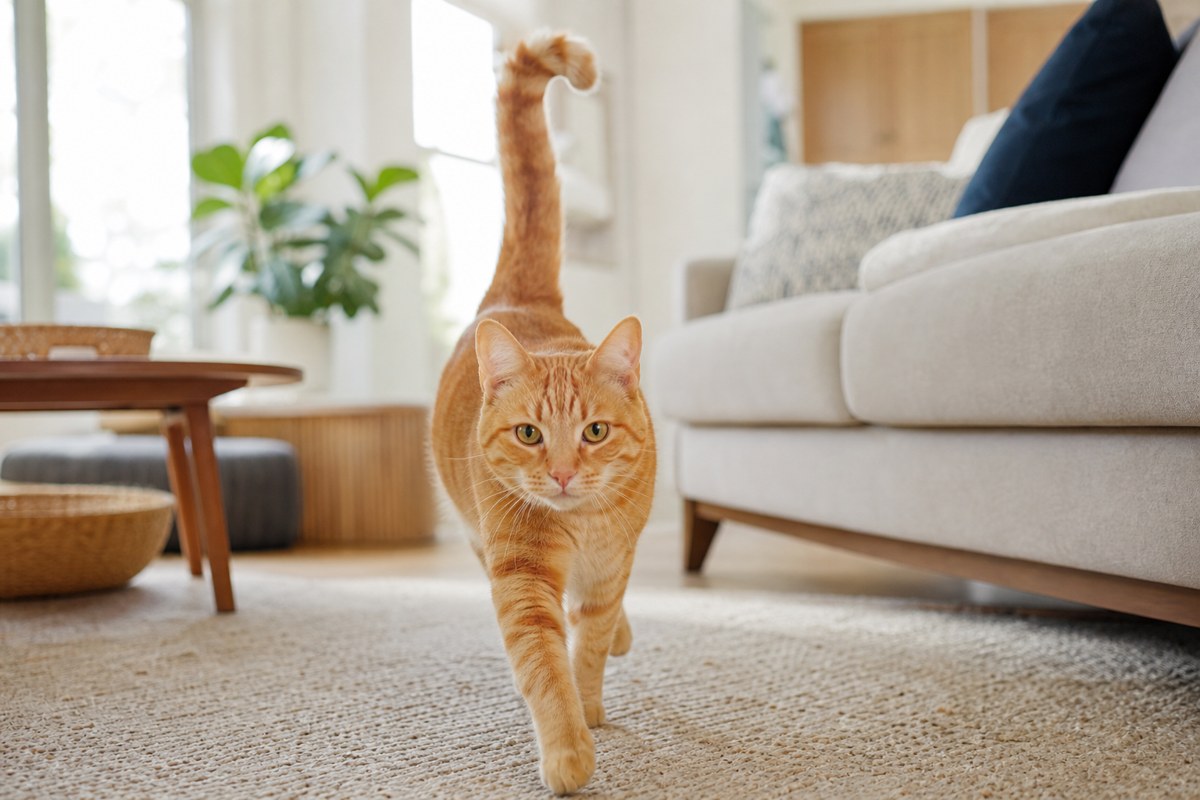
Unlike dogs, a cat wagging its tail is usually not happy. Learn what tail swishing, thumping, twitching and a straight-up tail mean so you can read your cat’s mood.

Unlike dogs, a cat wagging its tail is usually not happy. Learn what tail swishing, thumping, twitching and a straight-up tail mean so you can read your cat’s mood.
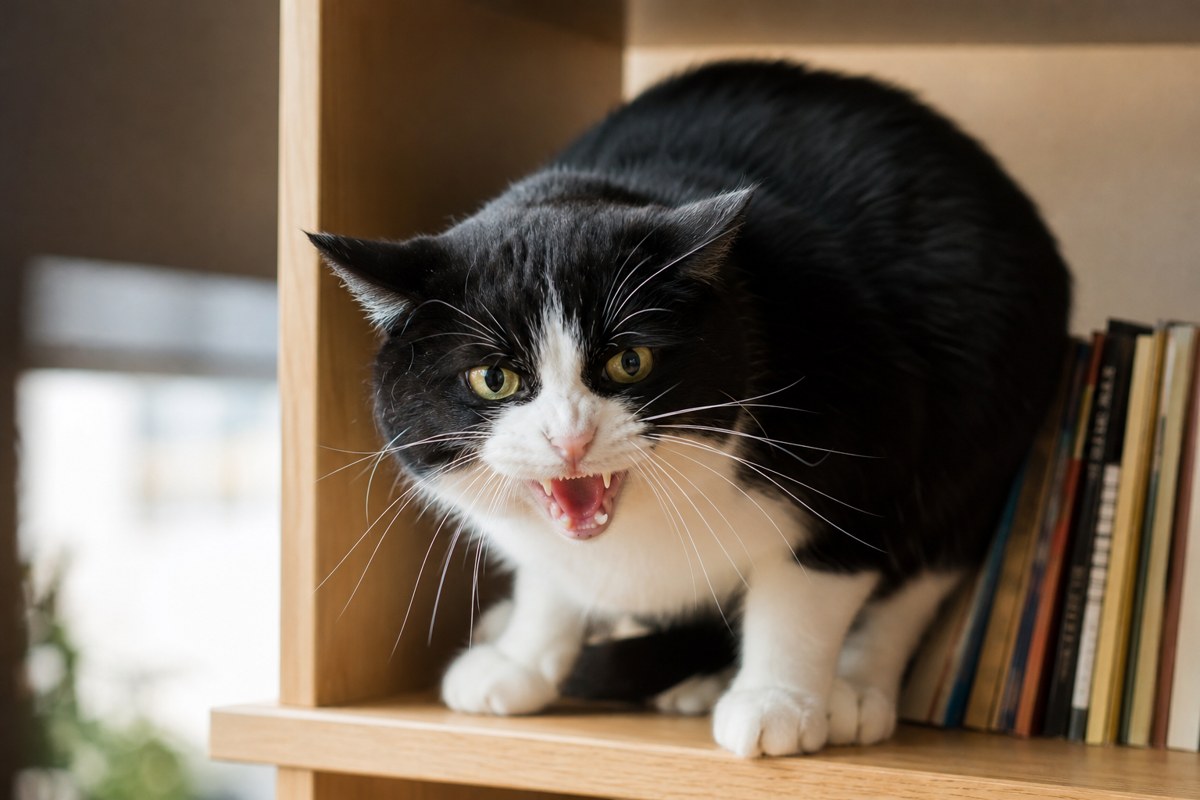
Cats hiss when they feel scared, threatened, in pain or annoyed. Learn what hissing means, common triggers like new pets and vet visits, and how to help your cat feel safe.
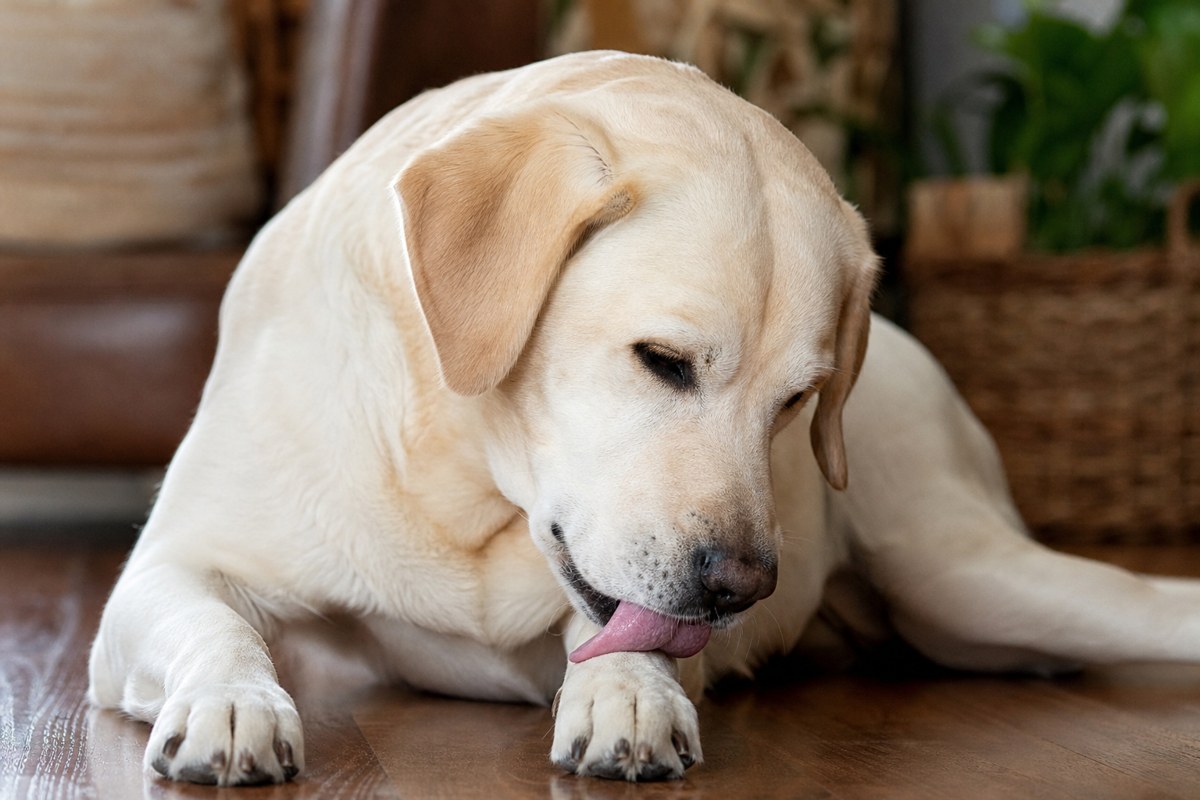
Dogs lick their paws to clean them, but frequent paw licking often points to allergies, injuries, dry skin, winter salt or anxiety. Learn the causes, home care tips and when to see the vet.
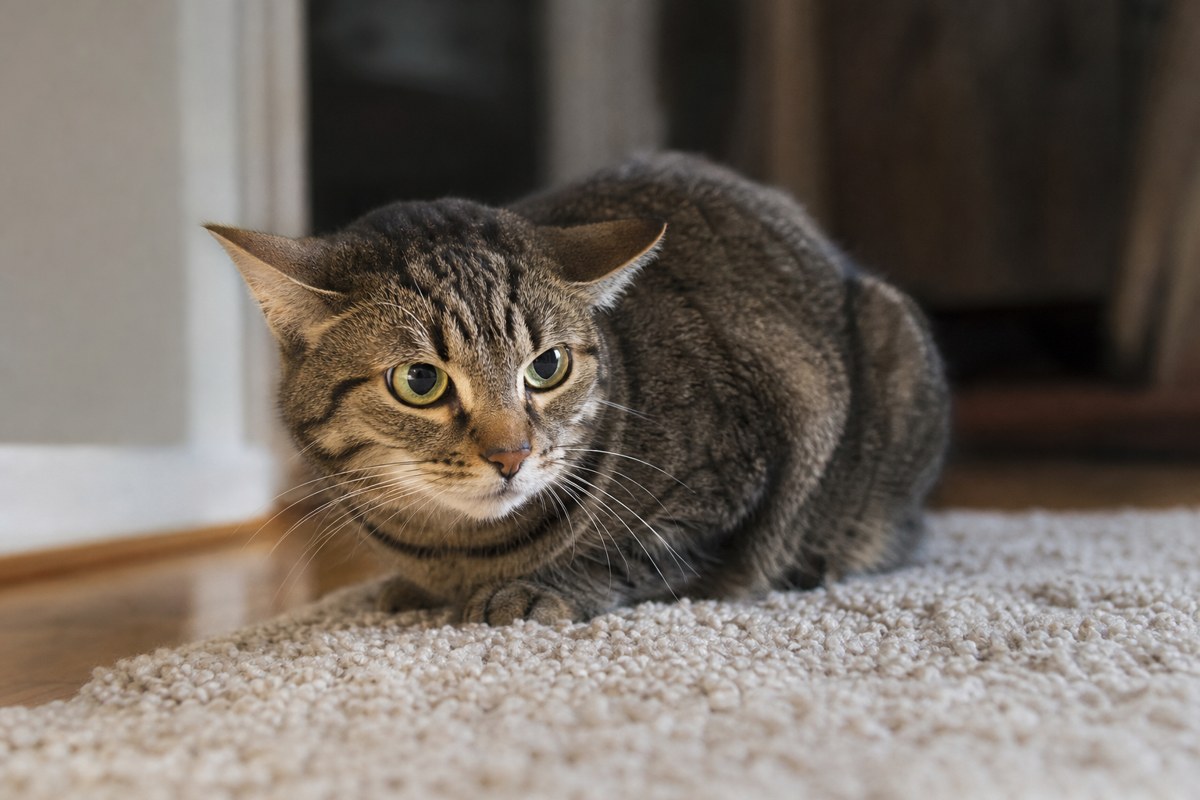
A cat’s growl is a clear warning that they feel threatened, scared, in pain or protective. Learn what causes growling, how to read your cat’s body language, and how to respond safely.
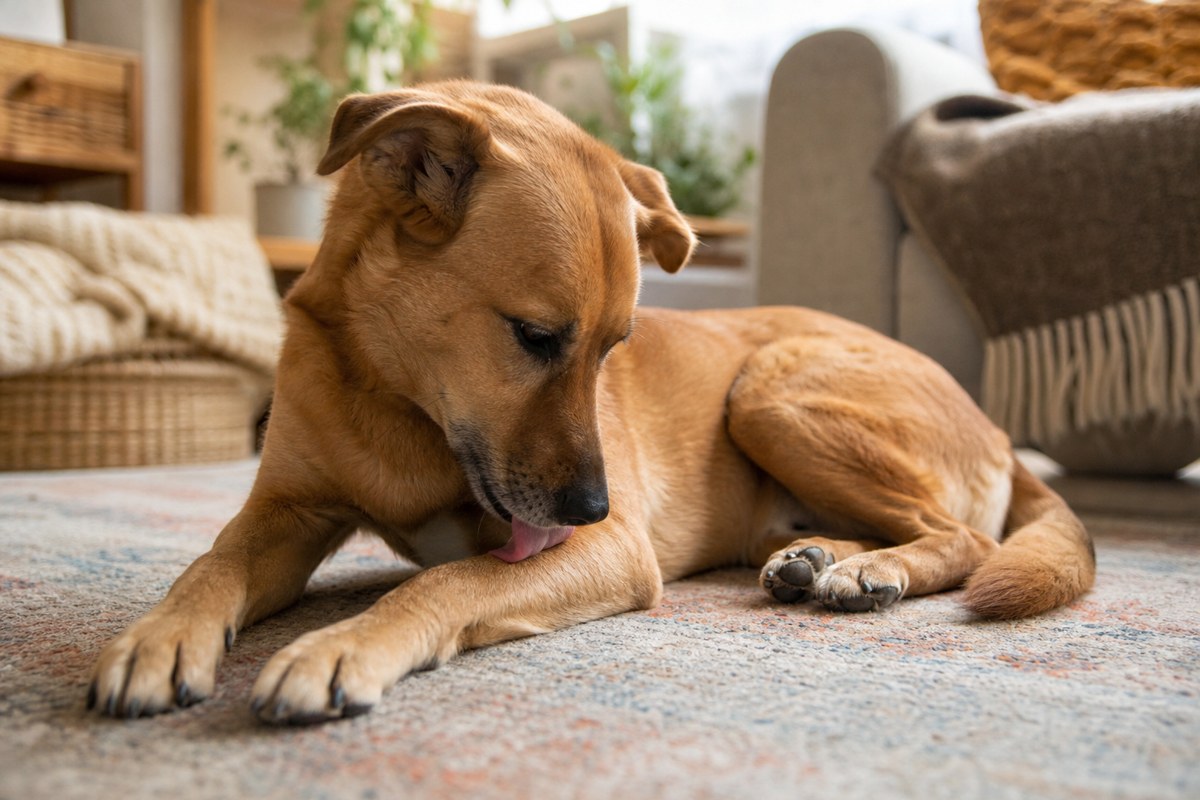
Dogs lick themselves to groom, but excessive licking can point to allergies, pain, parasites, skin infections or anxiety. Learn what’s normal, what isn’t, and when to see your vet.
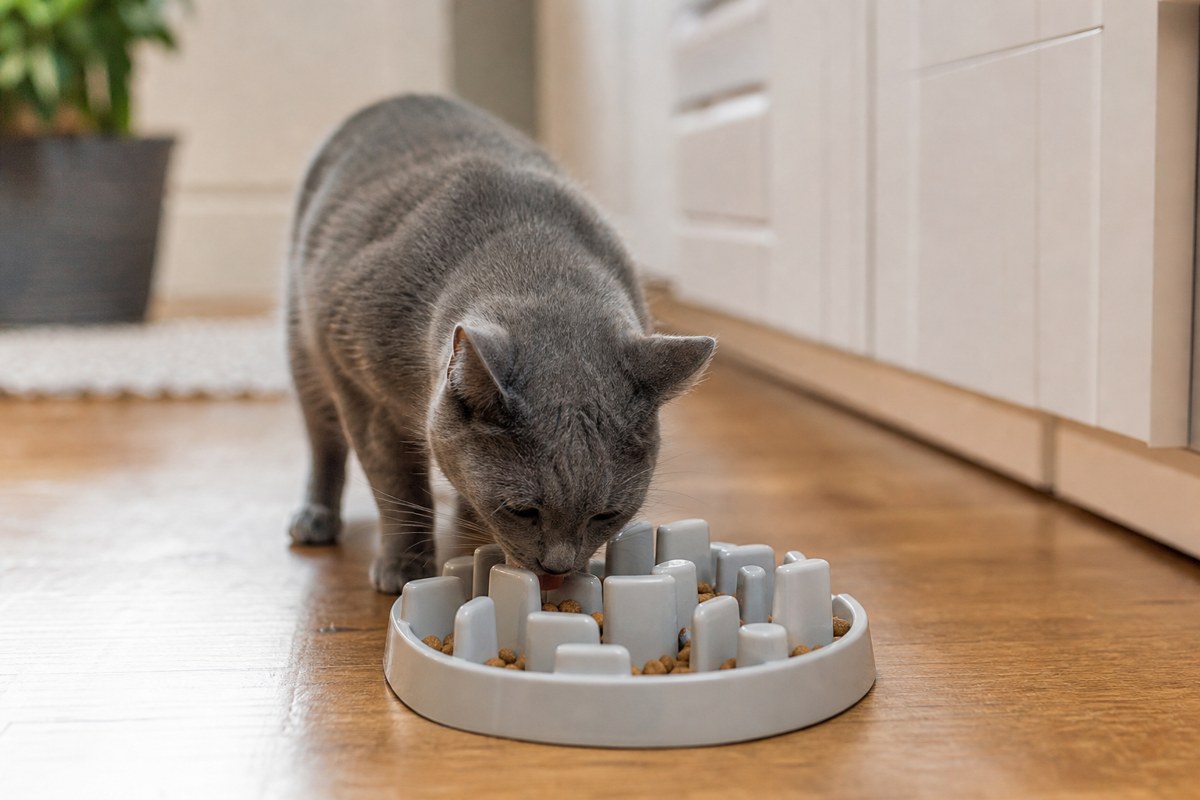
Cats vomit for many reasons, from eating too fast and hairballs to food sensitivities and illness. Learn the common causes, what you can do at home, and the signs that need a vet right away.
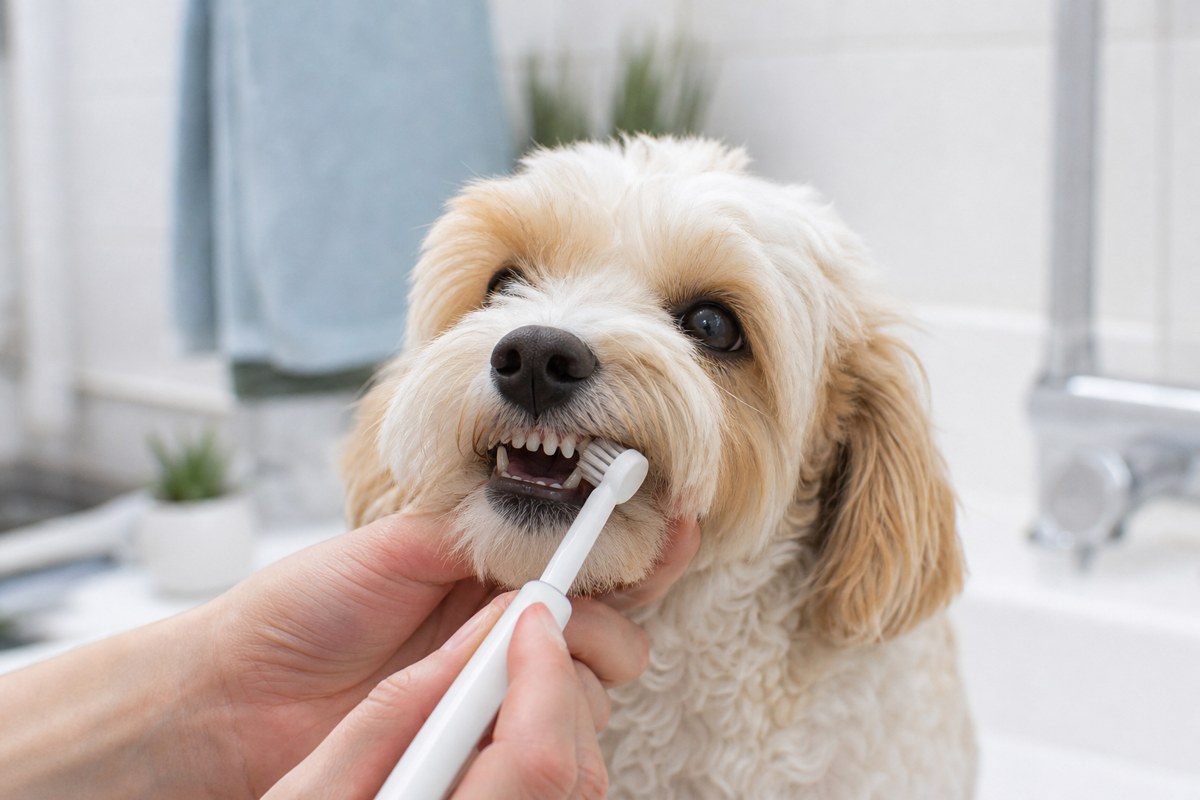
Bad breath in dogs is most often caused by dental disease, but it can also signal other health problems. Learn the causes, what different smells mean, and how to keep your dog’s breath fresh.
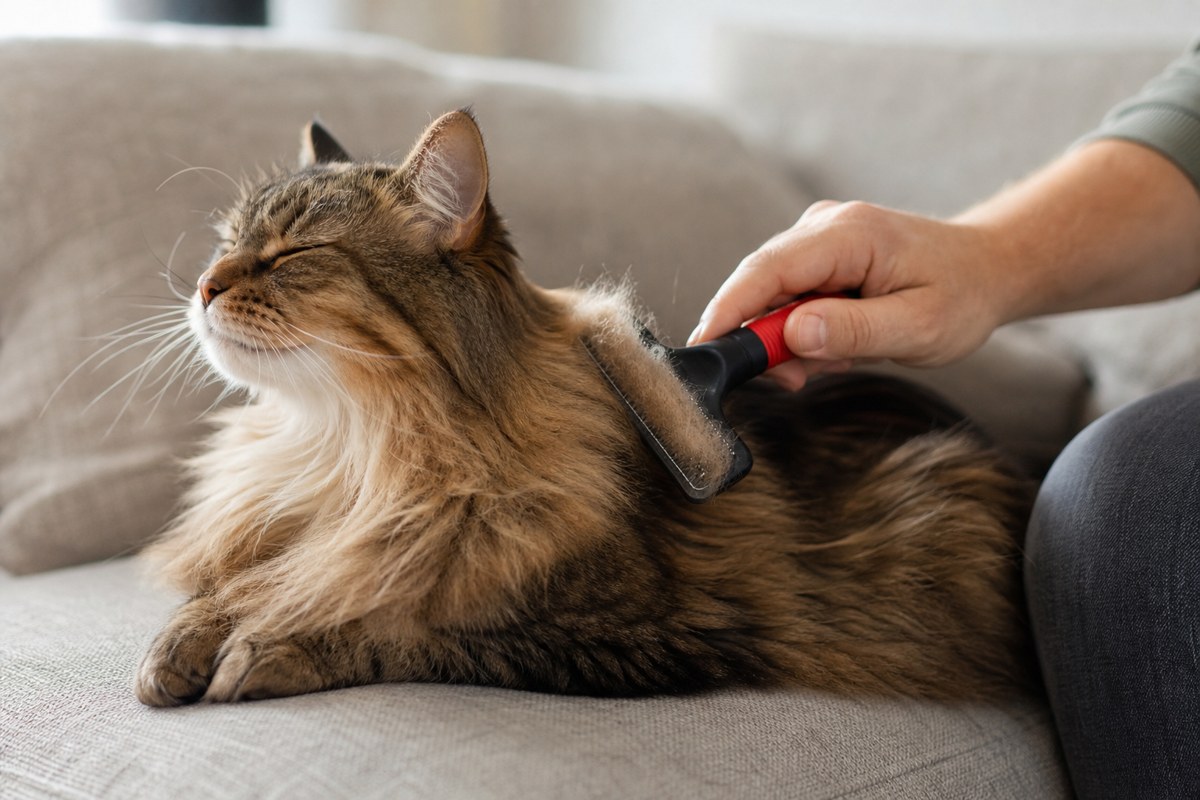
Cats get hairballs from swallowing fur while grooming. Occasional hairballs can be normal, but frequent ones aren’t. Learn the causes, how to reduce hairballs, and the warning signs of a blockage.
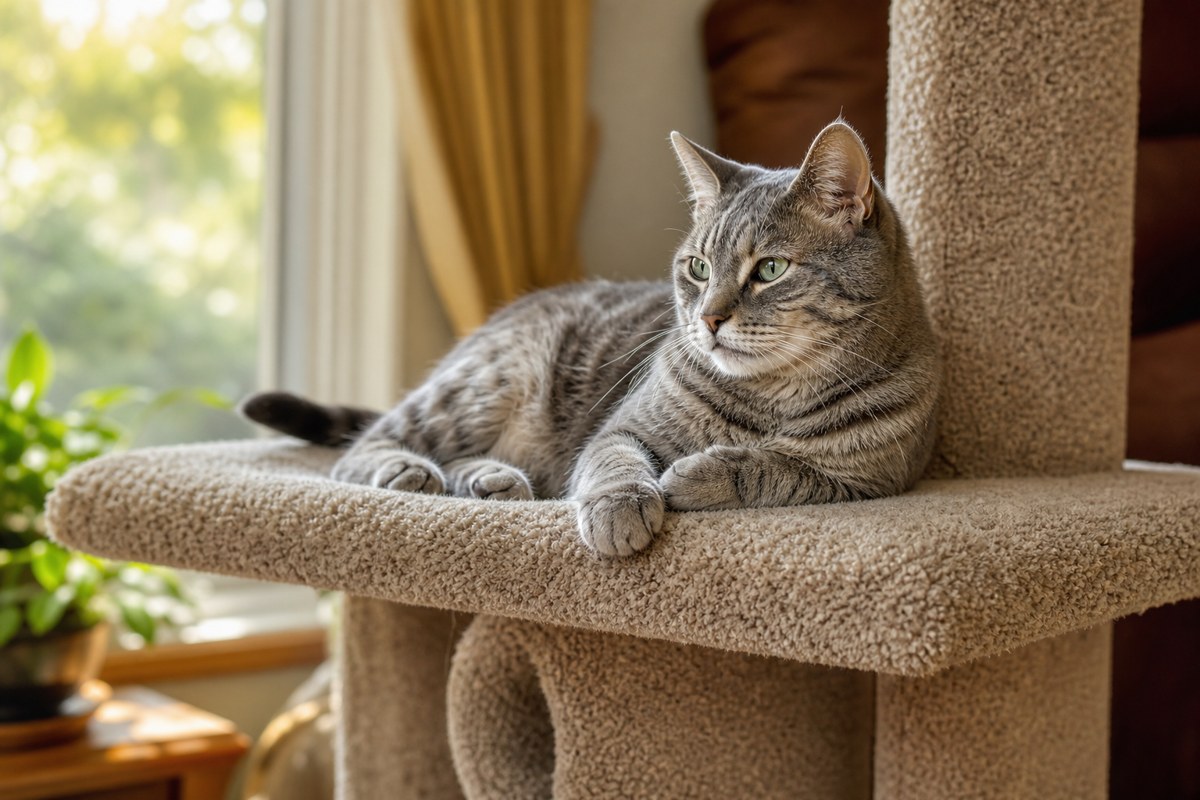
Older and bigger cats need cat trees with low, wide platforms, sturdy bases and easy steps. Here’s what to look for in a cat tree for senior or large cats.

Choosing a dog fence comes down to your dog’s size, jumping and digging habits, and your yard. Compare wood, vinyl, chain link, no-dig and wireless fences, plus key safety tips.